
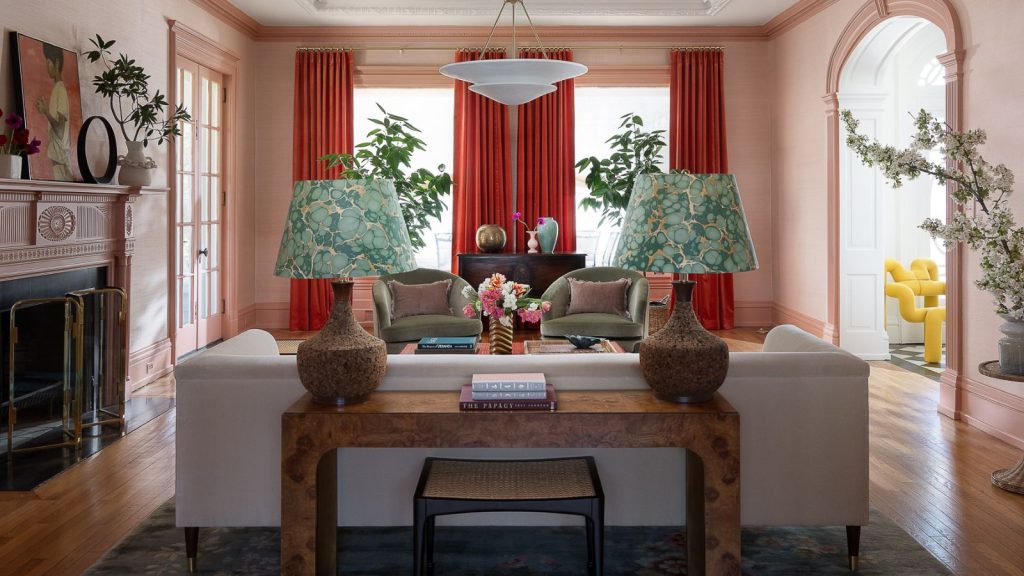
Should Dining Room And Living Room Curtains Match: Are you wondering if your dining room and living room curtains should match? It’s a common question that can make decorating feel tricky.
Choosing the right curtains can change the entire mood of your home. But should you play it safe with matching curtains, or can mixing styles make your space more exciting? Keep reading, and you’ll discover simple tips to help you make the best choice for your rooms—so your home feels just right.
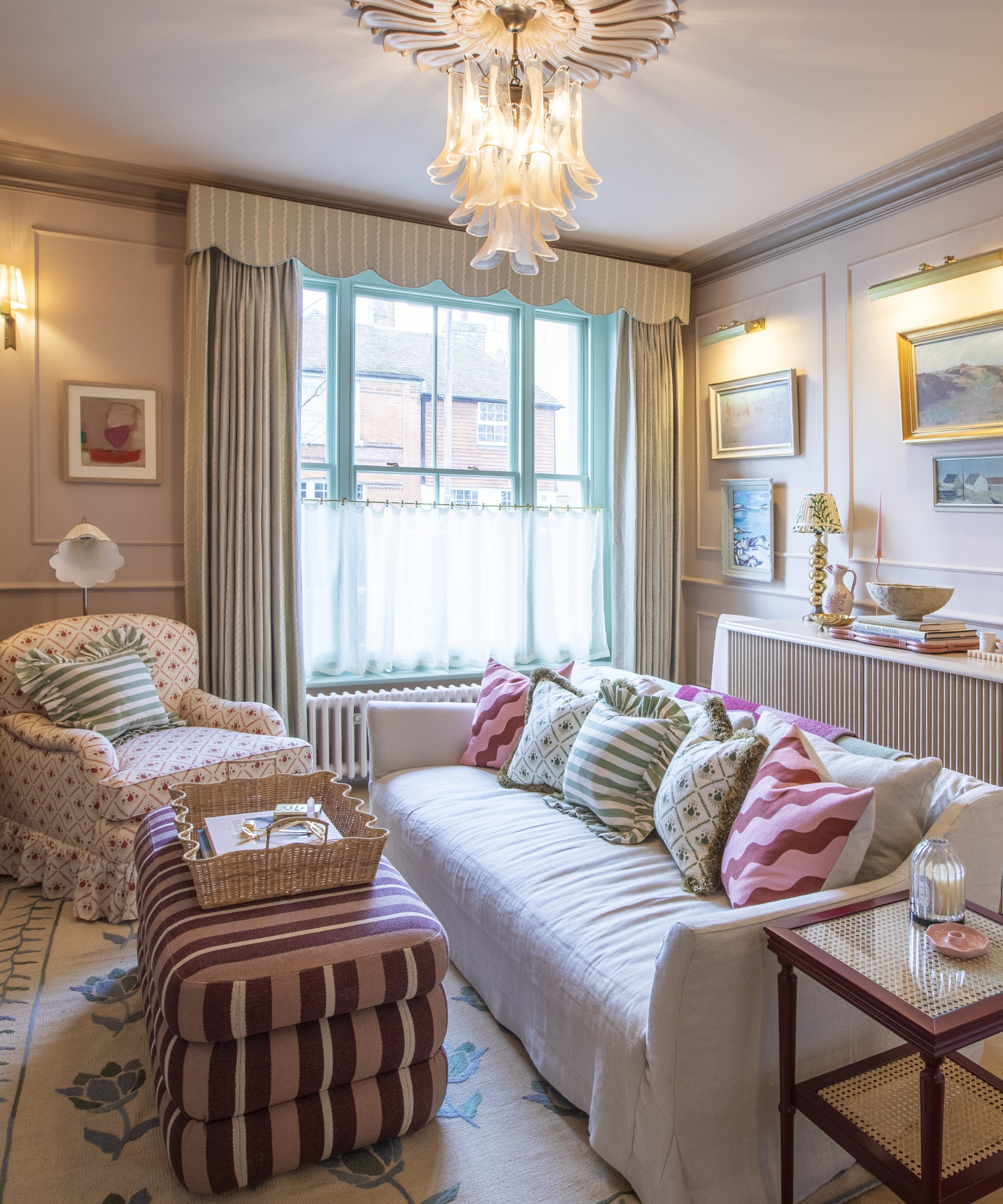
Credit: www.homesandgardens.com
Benefits Of Matching Curtains
Choosing matching curtains for your dining room and living room can bring several benefits that go beyond mere aesthetics. It’s about creating harmony in your home’s shared spaces and making your daily environment feel more intentional and comfortable. Let’s look at some key advantages that might help you decide if matching curtains are right for you.
Creating A Cohesive Look
Matching curtains instantly tie two rooms together, making your home feel well planned and unified. When your dining and living areas share curtain styles, colors, or patterns, it reduces visual clutter and offers a smooth, intentional design.
Think about how a consistent curtain choice can make your space look bigger and more inviting. It’s like giving your home a design thread to follow, which adds a calm and balanced vibe.
Enhancing Room Flow
Have you ever walked from one room to another and felt a jarring change in style? Matching curtains help avoid that disruption by creating a seamless flow between rooms. This flow makes moving through your home more pleasant and natural.
For example, if your dining room has heavy, ornate curtains and your living room has light, sheer ones, the contrast can feel disjointed. Matching curtains prevent this by maintaining a visual rhythm that your eyes can easily follow.
Simplifying Design Choices
Choosing curtains for multiple rooms can feel overwhelming. Matching curtains simplify this process by reducing the number of decisions you need to make. Instead of hunting for different fabrics, colors, or patterns for each room, you focus on one good option that works well in both.
This approach also saves time and often money, as buying in bulk or from the same collection can be more cost-effective. Plus, it’s easier to coordinate other décor elements once your curtains set the tone.

Credit: www.designcafe.com
When To Choose Different Curtains
Choosing different curtains for your dining room and living room can enhance your home’s style and function. Different curtains help define spaces, add visual interest, and suit each room’s purpose. This approach works well in open floor plans and distinct rooms.
Defining Separate Spaces
Different curtains help mark each room’s identity. They show where one space ends and another begins. This is useful in open layouts where rooms flow together. Unique curtains give each area a clear boundary. It helps create a sense of order and structure.
Adding Visual Interest
Using varied curtains adds texture and color contrast. It stops the space from looking plain or boring. Different patterns or fabrics can create a lively look. They bring personality and style to each room. This makes the home feel more dynamic and inviting.
Accommodating Different Functions
Rooms serve different purposes and need different curtains. Dining rooms may need curtains that block light during meals. Living rooms often require curtains that soften natural light for comfort. Using separate curtains lets you choose the best fabric and style. It improves the function and feel of each space.
Factors Influencing Curtain Choices
Choosing curtains for your dining and living rooms involves more than just picking a pretty fabric. Several factors shape the best choice for each space, influencing whether your curtains should match or complement each other. Paying attention to these details helps create a cohesive and functional look that fits your lifestyle and style preferences.
Room Size And Layout
The size of your rooms plays a big role in deciding curtain styles and colors. In a small dining room, heavy or dark curtains might make the space feel cramped, while light, sheer fabrics can open it up.
Living rooms often have more flexible layouts. If your living room flows into the dining room, matching curtains can unify the spaces visually. But if the rooms are separate, you might choose different curtains that suit each room’s unique proportions and furniture arrangement.
Lighting And Privacy Needs
Consider how much natural light each room gets throughout the day. A bright dining room may benefit from sheer curtains that soften sunlight without blocking it completely.
Privacy needs differ too. Your living room might need heavier curtains for nighttime privacy or to reduce glare on screens. Matching curtains that serve different purposes can be tricky, so think about layering options like blinds or shades alongside your curtains.
Color Schemes And Patterns
Colors and patterns in each room strongly influence curtain choices. If your dining room has bold wallpaper or vibrant furniture, solid-color curtains can balance the look.
In the living room, patterned curtains might add interest if the furniture is neutral. Matching curtains across rooms doesn’t mean identical fabrics; you can choose complementary colors or subtle pattern variations to tie spaces together without feeling repetitive.
Materials And Textures To Consider
Choosing the right materials and textures for dining room and living room curtains can change the whole look. The fabric affects light, warmth, and style. Picking matching or contrasting textures helps create a balanced space. Consider how different fabrics feel and move to find the best fit for your rooms.
Lightweight Fabrics For Airiness
Sheer and lightweight fabrics make rooms feel open and bright. Materials like linen, cotton voile, or chiffon allow natural light to flow. They create a soft, airy atmosphere that works well in living rooms. These fabrics add a gentle touch without overwhelming the space. Use them where you want a fresh, light feeling.
Heavy Fabrics For Warmth
Thicker fabrics add warmth and richness to rooms. Velvet, brocade, or heavy cotton block cold air and reduce noise. They bring a cozy, inviting vibe to dining and living spaces. These materials work well in colder climates or during winter. Choose heavy curtains for a classic, elegant look and extra privacy.
Mixing Textures Effectively
Combining different textures creates visual interest and depth. Pair smooth fabrics with rougher ones to balance softness and structure. For example, match linen curtains with velvet cushions or silk drapes with cotton upholstery. Keep colors in the same family to avoid clashing. Mixing textures helps rooms feel layered and thoughtfully designed.
Tips For Coordinating Curtains
Choosing curtains for your dining and living rooms can shape the whole look of your home. Coordinating curtains helps create flow and balance between the two spaces. The right combination brings harmony without being too matchy-matchy. Here are some simple tips to help you coordinate curtains with style and ease.
Using Complementary Colors
Pick colors that sit opposite each other on the color wheel. This creates a natural contrast that feels pleasing to the eye. For example, pair soft blues in the living room with warm oranges in the dining room. The colors will complement, not clash.
Use lighter or darker shades of the same color for a subtler effect. This keeps the rooms connected while adding depth. Avoid using too many bright colors together, as it can feel chaotic.
Balancing Patterns And Solids
Mix patterned curtains in one room with solid colors in the other. Patterns add interest and personality. Solids offer calm and simplicity. This balance prevents the spaces from feeling too busy or dull.
Choose patterns that share a color from the solid curtains. This links the rooms visually. Stripes, florals, or geometric prints work well if kept in the same color family.
Matching Curtain Hardware
Use similar curtain rods and finials for both rooms. Matching hardware creates a subtle sense of unity. Choose finishes like brushed nickel, bronze, or matte black to suit your style.
Keep the style consistent, whether modern, traditional, or rustic. This small detail ties the rooms together without needing identical curtains.

Credit: easylifecurtains.com
Common Mistakes To Avoid
Choosing curtains for your dining and living rooms can feel overwhelming. It’s easy to slip into common traps that make your space feel off or less inviting. Avoiding these mistakes helps you create a harmonious look that feels both stylish and functional.
Overmatching Everything
It’s tempting to match curtains in every room exactly, but this can make your home look flat and boring. Instead, think about complementing colors or patterns rather than identical fabrics. Your living room curtains might have a soft texture, while dining room curtains could bring in a subtle pattern to add interest without clashing.
Have you ever walked into a space where everything looks too “matchy”? It can feel less cozy and more like a showroom. Avoid this by mixing tones and textures that tie together without being twins.
Ignoring Room Functionality
Each room has a different purpose, and your curtains should reflect that. Dining rooms often need curtains that allow light but also offer privacy during meals. Living rooms might require heavier curtains for cozy movie nights or lighter ones for bright, airy afternoons.
Think about how you use each space daily. Do you need blackout curtains in the living room or easy-to-clean fabrics in the dining area? Matching curtains without considering these needs can lead to frustration down the line.
Neglecting Window Sizes
Windows come in all shapes and sizes, and curtain choices should honor this. Using the same curtain style for a large living room window and a smaller dining room window can throw off balance. Curtains that overwhelm a small window or look skimpy on a large one disrupt the room’s flow.
Measure your windows carefully and pick curtain lengths and widths that suit each space. This attention to detail ensures your curtains feel custom-made, not just pulled from the same package.
Frequently Asked Questions
Do Curtains Need To Match In Open Floor Plans?
In open floor plans, matching curtains can create a cohesive look. However, using complementary colors or patterns can add visual interest. Consider the overall design theme and color palette to decide. Balance and harmony in design are more important than strict matching.
Can Mismatched Curtains Look Stylish?
Yes, mismatched curtains can look stylish if done thoughtfully. Use complementary colors or patterns to create visual interest. Consider using a common element, like similar fabric or color tones. This approach can add character and charm to your living and dining areas.
What Color Curtains Go With Neutral Walls?
Neutral walls pair well with almost any curtain color. Opt for bold colors for a striking contrast or soft tones for a cohesive look. Patterns can add depth and interest. Consider the room’s overall decor and accent colors for a harmonious design.
How Do I Choose Curtain Patterns?
Choose curtain patterns based on your room’s existing decor and color scheme. Consider the scale of the pattern and its visual impact. Smaller patterns suit smaller rooms, while larger patterns make bold statements. Balance patterns with solid colors for a harmonious design.
Conclusion
Choosing matching curtains for dining and living rooms depends on your style. Matching curtains create a smooth flow between rooms. Different curtains add unique character to each space. Think about color, texture, and pattern before deciding. Your home should feel comfortable and balanced.
Mixing curtains can make rooms feel fresh and lively. Matching curtains bring harmony and a clean look. Trust your taste and enjoy your cozy home.