
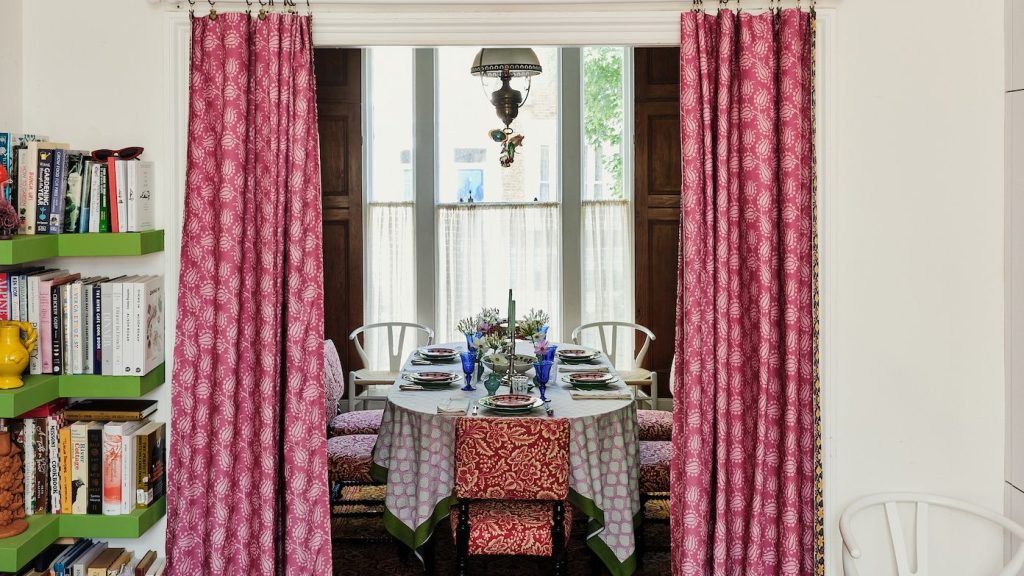
Are you struggling to create distinct spaces in your open-plan home? Using curtains to separate your living room and dining room is a simple and stylish solution that you might not have tried yet.
Imagine adding a soft, flowing barrier that instantly defines each area without the need for walls or bulky furniture. You’ll discover easy tips to choose the right curtains and hang them perfectly, transforming your space into a cozy, organized haven.
Keep reading to unlock the secret to making your home look bigger, more inviting, and perfectly arranged—all with just a touch of fabric.
Credit: cozyliving.com.au
Choosing Curtain Styles
Choosing the right curtain style helps define the space between your living room and dining area. Curtains can create a soft boundary without building walls. They add charm and function at the same time. Different curtain types offer various levels of light control and privacy. Consider your needs before picking a style. Here are some popular curtain options to separate rooms effectively.
Sheer Curtains For Light Separation
Sheer curtains allow natural light to flow through both spaces. They create a gentle divide without blocking views completely. These curtains offer an airy and open feel. Use light colors to brighten the room and keep it spacious. Sheers work well if you want separation but still feel connected.
Heavy Drapes For Privacy
Heavy drapes block light and provide full privacy between rooms. They create a clear and solid boundary. Choose thick fabrics like velvet or blackout materials. These curtains also help reduce noise between areas. Perfect for homes needing distinct separation or quiet zones.
Layered Curtain Designs
Layered curtains combine sheer and heavy fabrics for flexible use. You can open the heavier layer for light or close it for privacy. This style allows you to change room separation depending on your needs. Layered curtains add texture and depth to the space. A smart choice for versatile living and dining areas.
Credit: www.homesandgardens.com
Selecting Curtain Materials
Choosing the right curtain material plays a huge role in defining how well your living room and dining room are separated. The fabric you pick affects not only the look but also the functionality of the divider. Think about how much light you want to let through, the level of privacy you need, and the vibe you want to create in each space.
Lightweight Fabrics
Lightweight fabrics like voile, chiffon, or sheer cotton let natural light filter through while still creating a visual boundary. These materials keep your rooms feeling open and airy, which is perfect if you don’t want to block the flow of light completely.
They’re easy to pull back or tie aside when you want to connect the spaces again. If you want a casual, breezy feel, lightweight curtains are a smart choice.
Textured Fabrics
Textured fabrics such as linen, burlap, or woven blends add depth and interest to your curtain divider. These materials create a subtle separation that feels cozy without being too heavy or dark.
I once used a soft linen curtain between my dining and living areas, and it instantly made the space feel warmer and more inviting. Textured curtains also help absorb sound, which can be a bonus in open-plan homes.
Bold Patterns And Colors
Choosing curtains with bold patterns or bright colors can make your divider a focal point. This approach works well if you want to add personality and energy to your rooms.
Consider geometric prints or vibrant hues that complement your existing decor. Are you ready to make your curtain more than just a separator and turn it into an eye-catching design element?
Curtain Installation Tips
Choosing the right way to install curtains can make a big difference in how effectively you separate your living room and dining room. The installation method affects not only the look but also the ease of use and durability. Let’s look at some practical tips to help you decide the best setup for your space.
Ceiling-mounted Tracks
Installing ceiling-mounted tracks creates a sleek, modern look and allows curtains to hang smoothly from floor to ceiling. This method works especially well if you want a clean division without visible hardware. It also maximizes vertical space, making your rooms feel taller and more open.
One tip is to use flexible tracks that curve around corners if your separation is not a straight line. This flexibility adds design options, letting you tailor the curtain layout precisely to your room’s shape. Have you considered how your ceiling height could enhance the curtain’s visual impact?
Wall-mounted Rods
Wall-mounted rods are the classic choice and offer easy installation with plenty of style options. They let you pick from different rod finishes and finials to match your decor. Plus, rods are usually less expensive and simpler to install than ceiling tracks.
Make sure to mount the rods high enough above the floor to create a dramatic curtain drop. Also, check the wall material—drywall may need anchors to support heavier fabrics. What kind of curtain fabric are you planning to use? Heavier curtains need sturdier support.
Using Tension Rods
Tension rods are perfect if you want a no-drill, damage-free solution. They’re easy to install and adjust, making them ideal for renters or temporary setups. This method works best for lightweight curtains and narrow openings.
Keep in mind that tension rods might not hold well for heavy or wide curtains. Test the tension carefully to avoid slipping. Could you use double layers of curtains with a tension rod, or would that be too heavy? Experimenting with different curtain types can reveal what works best in your space.
Credit: www.livingetc.com
Maximizing Space With Curtains
Using curtains to divide your living room and dining room can be a game-changer for maximizing space. Curtains offer a simple yet stylish way to create separate areas without building walls. They give you control over how open or private each space feels, adapting to your lifestyle and needs.
Creating Flexible Zones
Curtains let you switch between open and closed spaces easily. Pull them back to enjoy one big room or close them to create distinct zones for dining and relaxing. This flexibility works great if you host gatherings or want quiet time without losing the sense of space.
Try choosing lightweight fabrics that slide smoothly and pick colors that match both areas. This keeps the transition natural and inviting. Have you noticed how a simple curtain can change the vibe of a room instantly?
Enhancing Room Flow
Instead of bulky dividers, curtains keep pathways clear and rooms connected. They guide movement smoothly from the living area to the dining space, avoiding awkward blockages. This flow helps your home feel bigger and more welcoming.
Consider mounting the curtain track on the ceiling for a seamless look that doesn’t interrupt sightlines. How much easier would your daily routine be with an unobstructed path between rooms?
Maintaining Open Feel
One of the best things about curtains is they don’t close off a room completely. Sheer or semi-transparent curtains let light pass through, keeping both spaces bright and airy. This openness prevents small rooms from feeling cramped or dark.
Experiment with layering curtains—combine sheer panels with heavier ones for privacy when needed without sacrificing natural light. What if you could enjoy privacy without losing your room’s brightness?
Styling Ideas For Living And Dining Areas
Separating living and dining areas with curtains creates a flexible and stylish space. Curtains add softness and texture while defining each zone clearly. Proper styling ties both rooms together, making the space feel cohesive.
Matching Curtains With Decor
Choose curtain colors that complement the room’s palette. Neutral tones work well for a calm look. Bold colors add a pop of interest. Patterns can connect the two areas visually. For example, use a subtle stripe or geometric print.
Consider the curtain fabric texture. Linen and cotton offer a casual feel. Velvet or silk brings elegance. Match curtain rods and hardware to other metal finishes in the room.
Adding Accessories
Accessories enhance the curtain separation. Use throw pillows or rugs in similar colors to the curtains. Wall art can echo curtain patterns or colors. Place plants near curtains to soften the edges and add life.
Lighting also plays a key role. Lamps or pendant lights in each area can highlight the curtain division. Select accessories that feel balanced between both spaces.
Balancing Light And Privacy
Choose curtain thickness based on light needs. Sheer curtains let light pass through and keep rooms bright. Thicker curtains offer privacy and block noise. Layer curtains with sheers and heavier drapes for flexibility.
Adjust curtains easily to control the mood. Open them for an open-plan feel. Close them to create cozy, private zones. Proper light balance improves comfort and style.
Frequently Asked Questions
How Can Curtains Divide A Room Effectively?
Curtains can create a flexible partition between spaces. They offer privacy while maintaining an open feel. Choose heavy fabrics for better sound insulation. Use curtain rods or tracks to easily open or close the space. This method is cost-effective and adds a decorative element to your interior.
What Types Of Curtains Are Best For Separation?
Opt for floor-to-ceiling curtains for better room division. Thick, opaque fabrics provide more privacy. Sheer curtains offer a lighter, airy separation. Choose colors that complement both areas. Consider using double-layered curtains for versatility. This allows you to adjust the level of separation as needed.
Are Curtain Dividers Budget-friendly?
Yes, curtain dividers are a cost-effective solution for room separation. They are typically cheaper than installing walls or doors. You can find affordable curtain options to suit any budget. Installation is simple, requiring minimal tools. This makes it an economical choice for temporary or permanent room division.
Do Curtains Help With Soundproofing?
Curtains can help reduce noise between rooms. Heavier fabrics absorb sound better, making them a good choice. While they won’t completely soundproof a space, they can significantly reduce noise levels. Pair curtains with other soundproofing techniques for optimal results. This creates a quieter, more comfortable environment in your home.
Conclusion
Separating your living and dining rooms with curtains is simple and effective. Curtains add privacy without building walls. You can choose colors and fabrics that match your style. They create a cozy, flexible space for different needs. Curtains also help control light and noise between areas.
You don’t need much effort or money to make a big change. Give your home a fresh look with this easy idea. Try it and enjoy a more organized, comfortable living space.