
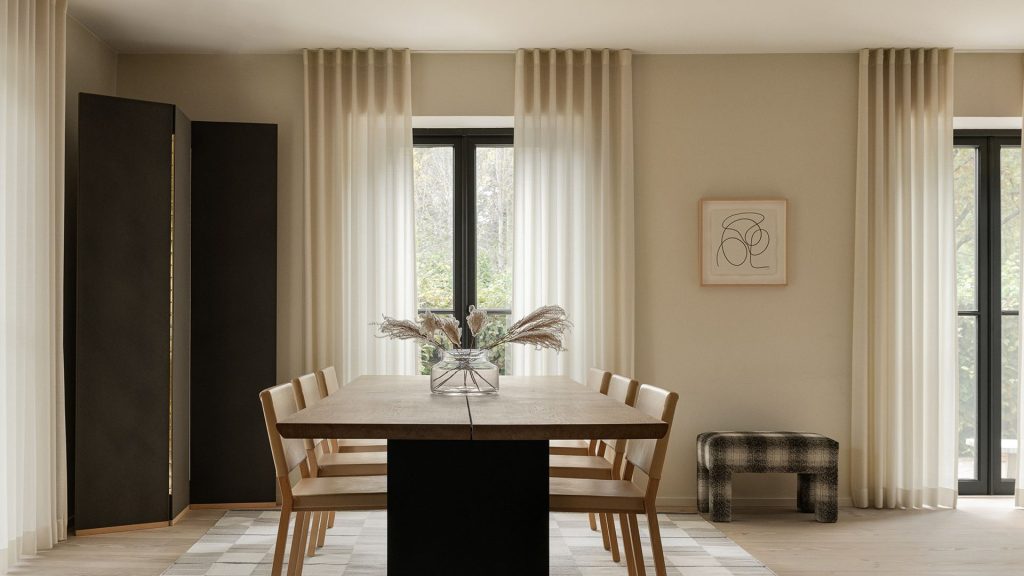
How to Pick Curtains for Dining Room: Choosing the right curtains for your dining room can completely change the way the space feels. You want something that adds warmth, style, and just the right amount of light.
But with so many options out there, it’s easy to feel overwhelmed. What fabric works best? Which color matches your décor? How do you balance privacy with natural light? In this guide, you’ll find simple, practical tips that make picking curtains easy and fun.
By the end, you’ll know exactly how to create a dining room atmosphere you’ll love spending time in. Ready to transform your space? Let’s get started!
Credit: homemadelovely.com
Curtain Fabrics For Dining Rooms
Choosing the right fabric for dining room curtains shapes the room’s look and feel. Fabric affects light, privacy, and style. It also impacts how easy the curtains are to clean and how long they last. Understanding different fabric types helps make a smart choice.
Lightweight Vs Heavy Fabrics
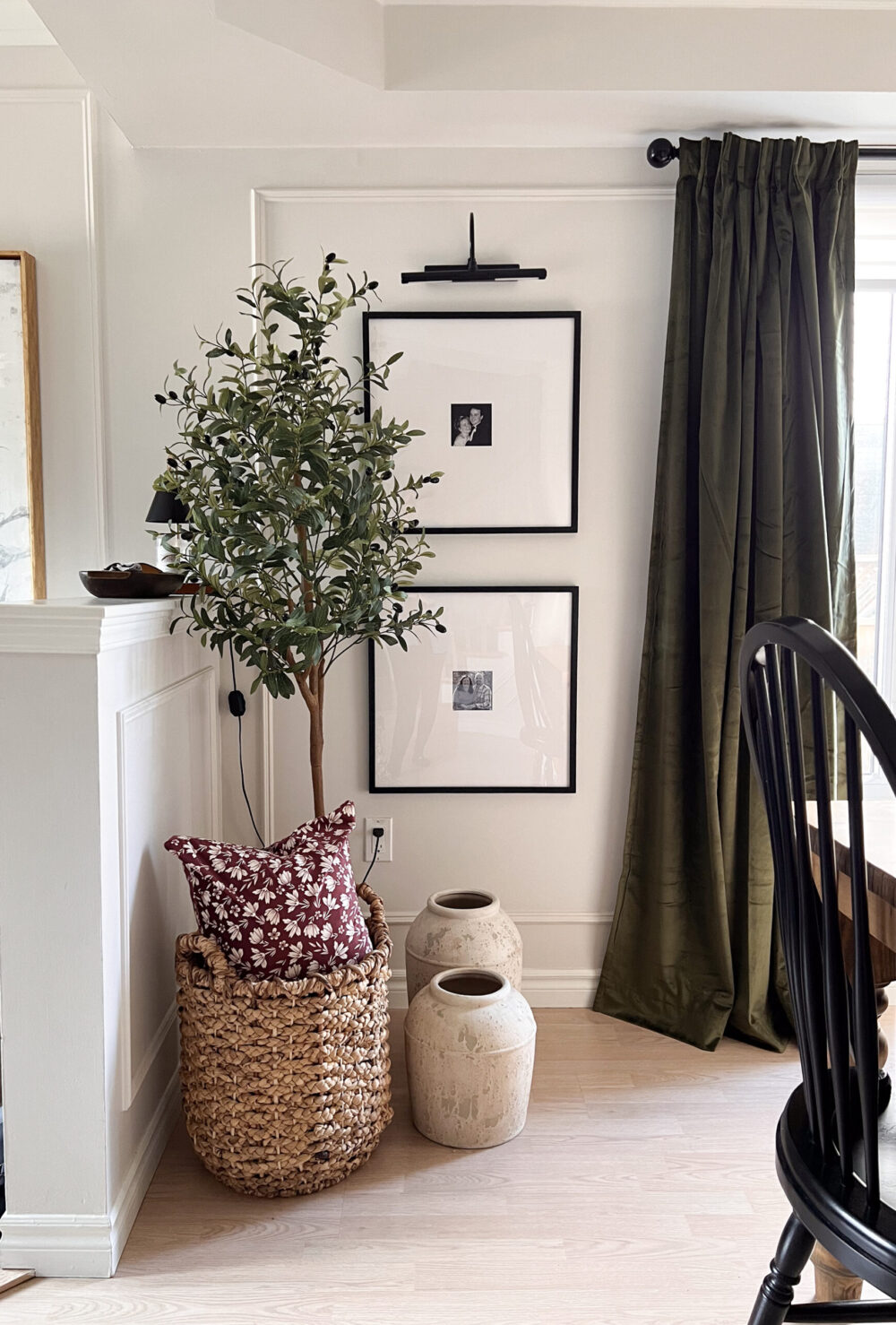
Lightweight fabrics like linen or cotton create an airy, casual vibe. They let in natural light and soften the room. Heavy fabrics such as velvet or brocade add richness and warmth. They block more light and offer better privacy. The choice depends on the mood and function you want.
Durability And Maintenance
Dining rooms face spills and stains often. Choose fabrics that handle wear well. Polyester and cotton blends resist wrinkles and stains. Natural fibers like silk need gentle care and dry cleaning. Easy-to-clean fabrics save time and keep curtains looking fresh longer.
Seasonal Fabric Choices
Adjust curtain fabrics with the seasons for comfort and style. Use lighter fabrics in spring and summer to keep rooms cool. Switch to heavier materials in fall and winter to add warmth. This swap helps balance room temperature and refreshes the décor.

Credit: thehues.com
Choosing The Right Curtain Length
Choosing the right curtain length for your dining room can change the whole vibe of the space. It’s not just about covering the window; it’s about setting the tone and balancing style with function. Think about how the length you pick will interact with your furniture, flooring, and even the natural light.
Floor-length Options
Floor-length curtains create a dramatic and elegant feel. They work well in dining rooms with high ceilings or large windows, making the room feel taller and more spacious. If you have kids or pets, consider fabrics that are easy to clean since these curtains will touch the floor and can collect dust or dirt.
One trick I learned is to let these curtains just graze the floor instead of pooling heavily. It keeps things neat while still offering that luxurious look. Have you noticed how floor-length curtains can instantly make a simple dining table look more sophisticated?
Sill-length And Apron-length Styles
Sill-length curtains end right at the window sill, while apron-length styles fall just below it, about 4 to 6 inches. These lengths are perfect if you want to keep your dining room bright and airy or if your windows sit just above a radiator or furniture.
These shorter options are practical too. They avoid interference with chairs or tables close to the window. Plus, they’re easier to wash and maintain, which is a bonus if you host often or have a busy household.
Impact On Room Aesthetics
Ask yourself what mood you want your dining room to convey. Floor-length curtains add formality and warmth, while sill or apron lengths create a casual, fresh look. The length you choose will affect how light filters in and how the space feels throughout the day.
Also, consider the scale of your room. Small dining rooms can feel crowded with long curtains, while large rooms might seem empty with curtains that are too short. What kind of atmosphere do you want to create when you gather with family or friends around the table?
Color And Pattern Selection
Choosing the right color and pattern for your dining room curtains can transform the entire atmosphere of the space. Your selections should not only enhance the room’s existing style but also create a mood that invites comfort and conversation. Think about how colors and patterns interact with light, furniture, and even the type of meals you typically enjoy.
Complementing Dining Room Decor
Look closely at the colors already present in your dining room. Curtains that echo the tones of your walls, table, or artwork create a harmonious look that feels well thought-out. You don’t have to match exactly; instead, aim for colors that complement or contrast pleasantly.
If your dining room has warm wood furniture, warm-toned curtains like burnt orange, deep reds, or gold can emphasize that cozy vibe. Cooler colors such as blues or greens work well in rooms with modern or minimalist decor. Ask yourself: do you want the curtains to blend in or stand out as a focal point?
Bold Patterns Vs Subtle Shades
Bold patterned curtains can add energy and personality to your dining area. Stripes, florals, or geometric shapes can make your windows a statement piece. However, be cautious if your furniture or walls already have busy designs—too many patterns can overwhelm the space.
Subtle shades and soft patterns offer a calm and elegant backdrop. These work especially well if you want the focus to remain on the dining table or artwork. Consider light neutrals or gentle pastels that let natural light filter through, creating an airy feel.
Mixing Textures And Colors
Don’t shy away from mixing different textures alongside your color choices. A velvet curtain in a rich jewel tone can add depth and luxury, while linen or cotton curtains offer a casual, breathable look. Combining textures can keep your dining room visually interesting without relying solely on patterns.
Try pairing a smooth, solid-colored curtain with a rougher or patterned rug to balance the senses. Think about how the curtain’s texture feels to the touch and how it moves with the breeze—these small details affect the room’s vibe. Have you considered how your curtain fabric might change with the seasons?
Balancing Light And Privacy
Balancing light and privacy is key when choosing dining room curtains. The right curtains let in natural light while keeping your space private from outside views. This balance creates a warm, inviting dining area. Different curtain types help achieve this balance in unique ways.
Sheer Curtains For Natural Light
Sheer curtains allow soft sunlight to fill the room. They create a bright, airy atmosphere perfect for daytime meals. These curtains gently filter light without blocking the view completely.
Sheer fabrics come in various textures and colors. Choose light colors to maximize brightness. They offer some privacy but may not be enough for evening use.
Blackout Curtains For Privacy
Blackout curtains block light and provide full privacy. They are ideal for dinners after dark or when you want to avoid outside distractions. These curtains also help reduce noise and improve room insulation.
Use blackout curtains in darker colors for a cozy feel. They can be drawn fully to create a private dining space or opened to let in daylight.
Layering Techniques
Layering curtains combines the benefits of sheer and blackout fabrics. Use sheer curtains to keep the room bright during the day.
Pull blackout curtains closed in the evening for privacy. This technique offers flexible control over light and privacy levels.
- Hang sheer curtains closest to the window
- Place blackout curtains on the outer rod
- Use tiebacks to hold curtains open neatly
Layering also adds depth and style to your dining room decor. It creates a polished look that matches different moods and times of day.
Hardware And Hanging Styles
Choosing the right hardware and hanging style shapes the dining room’s overall look. It affects how curtains hang, move, and fit the window space. Consider style, function, and ease of use when selecting curtain hardware.
Rod Types And Finials
Curtain rods come in various materials like wood, metal, and plastic. Each offers a unique look and durability. Finials are decorative end caps that add style to the rod. They come in shapes such as spheres, leaves, or geometric designs.
- Wood rods give a warm, classic feel.
- Metal rods offer a modern or industrial touch.
- Plastic rods are budget-friendly and lightweight.
- Choose finials that match your dining room decor.
Ring, Tab, And Grommet Headers
These headers determine how curtains hang and slide on the rod. Ring headers use clips or hooks to attach curtains to rings. Tab headers have fabric loops sewn on top. Grommet headers feature metal rings built into the fabric for smooth movement.
- Ring headers allow easy opening and closing.
- Tab headers create a casual, relaxed look.
- Grommet headers offer a clean and modern appearance.
Mounting Options
Mounting affects curtain placement and window coverage. Inside mount fits curtains within the window frame. Outside mount places curtains above or beyond the frame, making windows appear larger.
- Inside mount offers a neat, built-in look.
- Outside mount provides more light control.
- Consider ceiling mounts for tall or large windows.

Credit: www.whisperingbold.com
Matching Curtains With Dining Room Themes
Choosing curtains that complement your dining room theme can elevate the entire space and make your meals more enjoyable. Curtains aren’t just window dressings; they set the tone and balance the room’s look. Think about your dining room’s style and let your curtains either highlight or soften that vibe.
Modern And Minimalist Styles
For modern and minimalist dining rooms, go for curtains with clean lines and subtle textures. Solid colors like gray, white, or navy work well to maintain simplicity. Avoid heavy patterns that can distract from the sleek furniture and uncluttered look.
Sheer curtains or lightweight fabrics add softness without overwhelming the space. If you want a bit of contrast, try curtains with a slight sheen or metallic thread. This brings in a touch of sophistication without losing the minimalist feel.
Traditional And Classic Looks
Traditional dining rooms thrive with curtains that offer elegance and warmth. Rich fabrics like velvet or brocade in deep colors create a cozy, inviting atmosphere. Patterns such as damask or floral can add timeless charm.
Don’t shy away from layering with valances or tiebacks to add depth and detail. You might want to match curtain colors to other classic elements in your room, like wood tones or antique décor. This harmony makes the space feel well-thought-out and comfortable.
Rustic And Bohemian Vibes
Rustic and bohemian dining rooms call for curtains that feel natural and relaxed. Linen or cotton in earthy tones like beige, terracotta, or olive green blend beautifully with wooden tables and vintage accents. Look for curtains with subtle prints or textured weaves.
Adding fringe, tassels, or embroidery can inject personality without cluttering the look. Think about how your curtains can reflect the outdoor feel or artistic spirit of your dining room. Would you prefer something airy that catches the breeze or a heavier fabric for a snug, cabin-like mood?
Budgeting For Dining Room Curtains
Setting a budget for dining room curtains helps keep your project on track. Curtains come in many styles and price ranges. Knowing your budget guides your fabric and design choices. It avoids overspending and helps you find the best value. Smart budgeting balances quality with cost.
Affordable Fabric Choices
Cotton and polyester blends offer good quality at low prices. These fabrics are durable and easy to clean. Linen looks elegant but costs a bit more. Synthetic fabrics resist wrinkles and fading well. Choose lighter fabrics to reduce costs and brighten the room. Patterns and textures add style without high price tags.
Diy Vs Custom Curtains
Making curtains yourself saves money on labor. Basic sewing skills can create simple, stylish curtains. Ready-made curtains are budget-friendly and quick to install. Custom curtains fit perfectly and match your decor exactly. Custom options cost more but last longer and look better. Balance your budget with time and skill available.
Long-term Investment Tips
Invest in quality curtain rods and hardware for durability. Choose fabrics that resist fading and stains to save replacement costs. Neutral colors stay in style longer and match various decors. Proper maintenance extends curtain life and appearance. Spending a bit more now reduces future expenses.
Frequently Asked Questions
What Color Curtains Suit A Dining Room?
Choose curtains that complement your dining room’s color scheme. Neutral tones offer versatility, while bold colors create a focal point. Consider the room’s existing decor and natural light. Light shades can make a room feel airy, while darker hues add warmth and intimacy.
Experiment with samples to find the perfect match.
How Long Should Dining Room Curtains Be?
Curtains should ideally graze the floor for a polished look. Measure from the rod to the floor and adjust accordingly. If you prefer a casual look, opt for curtains that puddle slightly. For a streamlined appearance, ensure they just touch the floor without excess fabric.
Are Sheer Curtains Suitable For Dining Rooms?
Sheer curtains are excellent for dining rooms with ample natural light. They provide privacy while allowing sunlight to filter through. Pair them with heavier drapes for added privacy and style. Sheer curtains create an airy, relaxed ambiance, perfect for casual dining settings.
How Do I Choose Curtain Patterns?
Select patterns that enhance your dining room’s aesthetic. If your decor is minimal, bold patterns can add interest. For busy rooms, opt for subtle designs. Consider the room’s size; large patterns suit spacious areas, while small patterns work best in compact spaces.
Conclusion
Choosing the right curtains can change your dining room’s feel. Think about color, fabric, and how much light you want. Curtains should match your style and make the space cozy. Don’t forget to measure your windows well before buying. Simple steps help you pick curtains that look great and work well.
Enjoy your dining room with curtains that fit perfectly.