
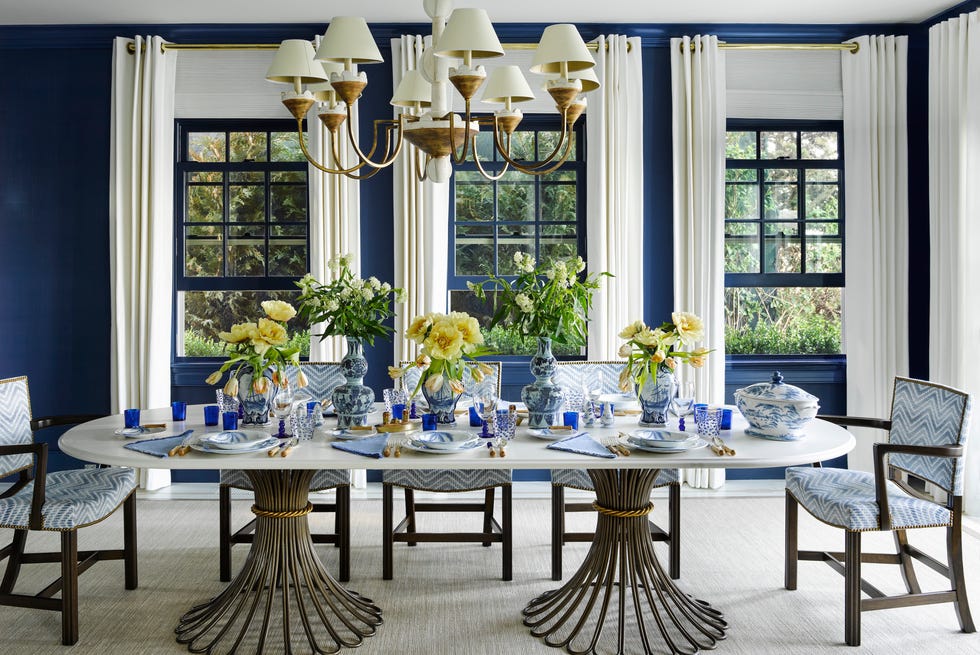
Your small dining room holds more potential than you might think. With the right paint, you can transform this space into a cozy, inviting area where every meal feels special.
But how do you choose the perfect color? And what techniques make your room look bigger and brighter? In this guide, you’ll discover simple, smart tips to paint your small dining room like a pro. By the end, you’ll feel confident to pick the best shades and create a space that truly reflects your style.
Ready to make your dining room the heart of your home? Let’s get started!

Credit: www.housebeautiful.com
Choosing The Right Colors
Choosing the right colors transforms a small dining room into a warm, inviting space. Colors affect how the room feels and looks. They can make the space appear larger or cozier. Picking colors carefully enhances light, mood, and style. Here are some ideas to guide your choice.
Light Shades To Open Space
Light colors create a sense of openness. Whites, creams, pale blues, and soft greens reflect natural light well. These shades make walls fade into the background. The room feels airier and bigger. Use light colors on all walls for a bright effect. Pair with light-colored furniture to keep the space fresh and open.
Bold Colors For Accent Walls
Bold colors add energy and focus to a small room. Deep blues, rich reds, or vibrant greens work well. Paint one wall with a bold shade to create a focal point. This technique adds depth without overwhelming the space. Keep other walls light to balance the bold accent. Accent walls can highlight art or dining furniture beautifully.
Neutral Tones For Elegance
Neutral tones bring calm and elegance to dining areas. Shades like beige, taupe, soft gray, and warm browns blend well with various decor styles. Neutrals provide a timeless backdrop. They allow colorful accessories or wood furniture to stand out. Use texture and patterns in fabrics to add interest without clutter. Neutral colors create a cozy, sophisticated feel perfect for dining.

Credit: www.housebeautiful.com
Preparing The Dining Room
Preparing your small dining room before painting sets the stage for a smooth and successful project. Skipping this step can lead to uneven paint, messy spills, and frustration. Taking time to clear, clean, and protect the space will save you effort later and help your new color shine.
Clearing And Cleaning Walls
Start by removing all furniture or pushing it to the center and covering it. Take down any pictures, curtains, or wall hangings to get a blank canvas. Dust and dirt can stop paint from sticking well, so wash your walls with a mild soap solution and let them dry completely.
Have you noticed how a clean wall instantly looks brighter? It’s not just your imagination—clean surfaces reflect paint better. Don’t rush this part; a well-prepped wall makes your effort pay off.
Repairing Surface Imperfections
Check your walls for cracks, holes, or dents. Use spackle or filler to smooth these spots, then sand them lightly once dry. This creates an even surface that prevents bumps or paint peeling.
Think about the last time you saw chipped paint in a room—did it catch your eye for the wrong reasons? Fixing imperfections upfront keeps your dining room looking fresh for longer.
Protecting Furniture And Floors
Cover your furniture with drop cloths or old sheets to catch any drips or splashes. Use painter’s tape along baseboards, window frames, and door edges to keep lines neat. Don’t forget to protect the floor with a plastic sheet or canvas drop cloth to avoid stains that are hard to remove.
Imagine the hassle of cleaning paint off your hardwood floors—why risk it? Proper protection lets you focus on painting without worrying about damage.
Selecting Paint Types And Finishes
Selecting the right paint type and finish plays a crucial role in how your small dining room will look and feel. The finish affects not only the room’s style but also the paint’s durability and ease of cleaning. Choosing wisely helps you create a space that stays fresh and inviting through many meals and gatherings.
Matte Vs. Glossy Finishes
Matte finishes offer a smooth, non-reflective surface that hides wall imperfections well. If your dining room walls have bumps or cracks, matte paint can mask those flaws effectively. However, matte finishes tend to be less washable, so consider if your dining room sees frequent spills or fingerprints.
Glossy finishes reflect more light and bring a subtle shine to your walls. They are easier to clean, making them ideal for high-traffic areas or homes with kids. But glossy paint can highlight imperfections, so your walls may need extra prep work before painting.
Durability And Washability
Durability matters most in a dining room where food and drinks can cause stains. Look for paints labeled as washable or scrubbable, which can handle gentle cleaning without losing color or texture. Satin and semi-gloss finishes usually strike a good balance between durability and appearance.
If you’ve ever struggled to remove stubborn stains without ruining your paint, you know durability is key. Choosing a paint with strong washability saves you time and effort maintaining your dining room’s fresh look.
Eco-friendly Paint Options
Eco-friendly paints are becoming more popular and widely available. They contain fewer volatile organic compounds (VOCs), which means less harmful fumes and better indoor air quality. This is especially important in small spaces where ventilation might be limited.
Consider brands that highlight natural ingredients and low-VOC certifications. Choosing these options protects your health and the environment while still giving you beautiful, durable color. Have you thought about how your paint choice could impact your family’s well-being?
Painting Techniques For Small Spaces
Painting a small dining room requires smart techniques to make the space feel larger and more inviting. Choosing the right painting style can change the room’s mood and size perception. Simple tricks help add height, depth, and smooth transitions on walls.
Using Vertical Stripes For Height
Vertical stripes draw the eye upward, creating an illusion of higher ceilings. Thin or wide stripes work well, depending on your style. Use two contrasting colors for a bold look or soft tones for subtle height. Keep stripes evenly spaced for balance.
Creating Depth With Color Layers
Layering colors adds depth and dimension to small rooms. Start with a lighter base coat and add darker shades in certain areas. Use colors that blend well together to avoid harsh contrasts. This technique makes walls look more textured and spacious.
Blending And Feathering Tips
Blending colors softly helps avoid sharp lines and creates a smooth finish. Feathering brushes work well for gentle color transitions. Work quickly before paint dries to blend edges seamlessly. This method gives walls a calm and airy feel.
Enhancing With Color Combinations
Choosing the right color combinations can transform a small dining room. Colors affect how space feels and looks. Thoughtful pairings make the room feel larger and more inviting.
Use colors to create mood and harmony. Soft hues can open up the space. Bold tones add personality without overwhelming the room.
Complementary Color Pairings
Complementary colors sit opposite each other on the color wheel. This contrast creates a vibrant and balanced look. For example, pair soft blue walls with warm orange accents.
Use one color as the main shade. Add the other in accessories like cushions, curtains, or artwork. This approach keeps the room lively but not busy.
Monochromatic Schemes
Monochromatic schemes use different shades of one color. This creates a calm, cohesive space. Light tones make the room appear larger and brighter.
Try varying textures and finishes to add depth. For example, mix matte and glossy paint or add fabric with different weaves. This stops the design from looking flat.
Adding Contrast With Trim
Trim is an easy way to add contrast and definition. Paint baseboards, moldings, and window frames in a different color. White or cream trim works well with dark walls.
Contrasting trim highlights architectural details. It also frames the room, making it feel more spacious. Keep trim colors simple to avoid cluttering the look.

Credit: www.youtube.com
Lighting And Color Interaction
Lighting dramatically changes how paint colors appear in your small dining room. The interaction between light and color can either open up the space or make it feel cramped. Understanding this interaction helps you choose the best paint colors that work with your room’s lighting.
Natural Light Effects
Natural light shifts throughout the day, influencing your wall colors in surprising ways. Morning sunlight tends to be soft and warm, enhancing warm tones like yellows and peaches. Afternoon light is cooler and can make cool colors such as blues and greens feel more vibrant.
Think about how much natural light your dining room gets. If it has limited sunlight, you might want to avoid dark colors that absorb light and make the space feel smaller. Instead, lighter shades that reflect daylight can brighten your room instantly.
Artificial Lighting Choices
Artificial lighting adds another layer of complexity to your color decisions. Warm bulbs (around 2700K) give paint a cozy, yellowish glow, perfect for creating an inviting atmosphere. Cooler bulbs (around 4000K or higher) highlight cooler colors and can make the room feel more modern and crisp.
Consider the types of fixtures you have—pendant lights, chandeliers, or recessed lighting all cast light differently. Try testing paint samples under your room’s artificial lighting at night to see how colors truly look beyond daylight.
Adjusting Colors For Mood
Your paint color sets the mood for your dining room, and lighting can amplify or soften that mood. If you want a lively, energetic feel, choose bright colors and pair them with ample lighting. For a calm, intimate vibe, softer hues combined with dimmable lights work well.
Ask yourself: What feeling do you want to create every time you sit down to eat? Adjust your color and lighting choices accordingly to make your small dining room a space you genuinely enjoy. Sometimes, a subtle change in lighting can transform a color from dull to delightful.
Decor Tips To Complement Paint
Choosing the right paint color is just the beginning of transforming your small dining room. To make the most of your new walls, it’s essential to think about the decor that will complement the paint. The right furniture, fabrics, and wall accents can enhance the room’s atmosphere and make the space feel inviting and balanced.
Matching Furniture And Fabrics
Your furniture and fabrics should work together with your paint color to create harmony. If you pick a soft pastel wall color, try selecting chairs or cushions in slightly deeper shades of the same tone. This creates a cohesive look without overwhelming the room.
Think about texture too. Smooth, sleek furniture can balance a matte wall finish, while plush fabrics add warmth to cooler paint tones. I once paired a light grey wall with velvet navy cushions and a wooden table, which gave the dining room a cozy yet modern vibe.
Artwork And Wall Decor Ideas
Artwork can either blend with your paint or stand out as a statement. If your walls are painted in a neutral color, bold and colorful art pieces can inject personality and energy. On the other hand, subtle or monochrome prints keep the room calm and sophisticated.
Consider the size of the art in relation to your wall space. Large pieces can make small rooms feel less cramped, but a gallery wall with smaller frames can add interest without crowding. What kind of mood do you want your dining room to set during meals?
Using Mirrors To Amplify Space
Mirrors are a smart way to make a small dining room feel larger and brighter. Positioning a mirror opposite a window reflects natural light and opens up the space visually. You don’t need a huge mirror—a well-placed medium-sized one can do wonders.
Frames matter here too. A mirror with a sleek, simple frame complements modern paint colors, while an ornate frame can enhance classic or vintage styles. Have you tried using mirrors in your space to see how much more inviting it can become?
Maintaining Painted Walls
Maintaining the painted walls in a small dining room keeps the space fresh and inviting. Regular care ensures the paint lasts longer and looks its best. Small efforts prevent bigger problems later. Keep the walls clean and fix any damage early to enjoy a beautiful dining area every day.
Cleaning And Touch-ups
Dust and dirt can dull painted walls. Use a soft cloth or sponge with mild soap and water to clean marks gently. Avoid harsh chemicals that may damage paint. For small chips or scratches, use leftover paint for touch-ups. Dab carefully to blend the repair with the wall. This keeps the color even and fresh.
Preventing Paint Damage
Protect walls from bumps and scratches by placing furniture away from them. Use felt pads under chairs and tables to stop scratches. Keep sharp objects and heavy items from touching the walls. Control moisture by using a dehumidifier or opening windows. Damp walls cause paint to peel and stain. These steps help keep the paint intact and bright.
When To Repaint
Repaint walls when colors fade or stains won’t clean. Look for peeling or cracking paint as a sign to refresh. A fresh coat brightens the room and hides wear. Plan to repaint every 3-5 years for the best look. Choose a color that suits your style and space size to keep your dining room cozy and welcoming.
Frequently Asked Questions
What Colors Make A Small Dining Room Look Bigger?
Light, neutral colors like soft whites, pastel blues, or light grays can make a small dining room look more spacious. These hues reflect light, creating an illusion of a larger, airier space. Avoid dark colors, as they absorb light and can make a room feel cramped and confined.
Should You Use Gloss Or Matte Paint?
Gloss paint is ideal for small dining rooms, as it reflects more light and creates a brighter ambiance. It’s also easier to clean, making it practical for dining areas. However, if you prefer a subtler finish, consider semi-gloss or satin, which still offer some reflectivity without being too shiny.
How Do Accent Walls Impact A Small Dining Room?
Accent walls can add depth and interest without overwhelming a small dining room. Choose a bold color or patterned wallpaper for one wall to draw the eye and create a focal point. This technique can make the room feel more dynamic and visually appealing, while maintaining a sense of spaciousness.
Can Mirrors Enhance A Small Dining Room?
Yes, mirrors can significantly enhance a small dining room by reflecting light and creating an illusion of space. Place a large mirror on one wall or use smaller, strategically placed mirrors. This not only amplifies natural light but also adds a decorative element that complements your dining room’s aesthetic.
Conclusion
Painting a small dining room can brighten your space quickly. Choose light colors to make the room feel larger. Use simple tools and take your time for best results. A fresh coat of paint changes the entire mood. Enjoy your new, inviting dining area every day.
Keep these easy tips in mind to paint with confidence. Your small room will look fresh and welcoming soon.