
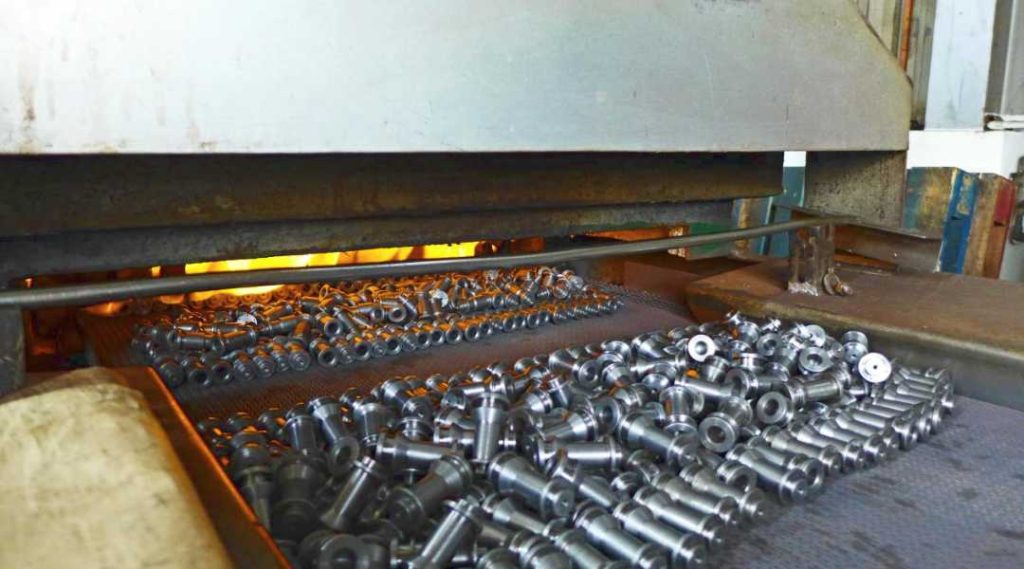
Are you looking to make your stainless steel tools or parts stronger and more durable? Learning how to harden stainless steel at home can save you time and money while boosting the performance of your metal items.
Imagine turning your ordinary steel into something tougher, resistant to scratches and wear, without needing expensive equipment or professional help. You’ll discover simple, effective methods that anyone can try. Ready to unlock the full potential of your stainless steel? Keep reading, and you’ll find easy steps to make your steel harder and longer-lasting.
Basics Of Stainless Steel
Stainless steel is a popular material known for its resistance to rust and corrosion. Its versatility makes it a favorite for kitchen tools, construction, and even jewelry. Understanding the basics of stainless steel is key if you want to harden it effectively at home.
Types Suitable For Hardening
Not all stainless steel types respond well to hardening. The most common ones you can harden at home are martensitic and some precipitation-hardening grades.
- Martensitic Stainless Steel:Contains higher carbon and can be hardened by heat treatment. Examples include 410, 420, and 440 series.
- Precipitation-Hardening Stainless Steel:Can be strengthened by heat treatment but requires precise temperature control. Examples are 17-4 PH and 15-5 PH.
Austenitic stainless steels, like the 300 series, are not suitable for hardening through traditional heat treatment. Instead, they are known for their toughness and corrosion resistance but remain soft even after heating.
Properties Affecting Heat Treatment
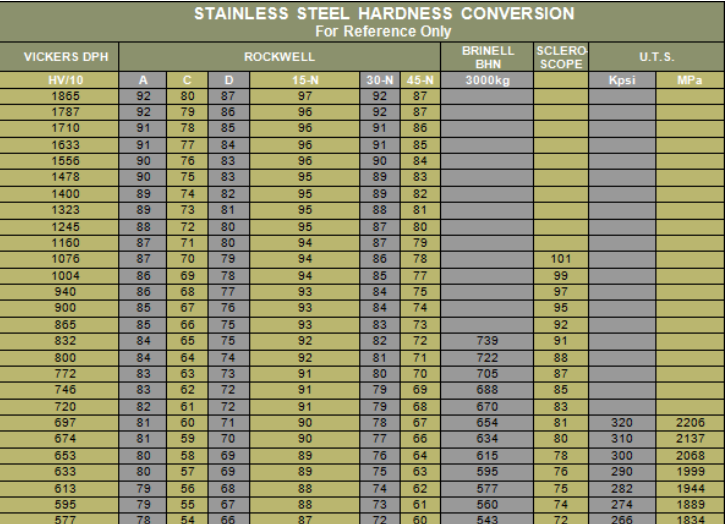
The success of hardening stainless steel depends on several key properties. Carbon content plays a huge role—you need enough carbon for the steel to become hard after heat treatment.
Chromium level is important too. It provides corrosion resistance but can affect how the steel responds to heat. Higher chromium usually means better rust resistance but can make hardening more challenging.
| Property | Effect on Hardening | Practical Tip |
|---|---|---|
| Carbon Content | Higher carbon allows for better hardening | Choose steels with >0.1% carbon for heat treatment |
| Chromium Content | Improves corrosion resistance; may reduce hardening ability | Balance chromium for desired strength and rust resistance |
| Nickel Content | Increases toughness but lowers hardening potential | Avoid high-nickel grades if hardening is your goal |
Have you ever tried to harden a stainless steel knife only to find it didn’t get harder? This often happens because the steel wasn’t the right type or didn’t have enough carbon. Knowing these basics before you start saves you time and frustration.
Credit: pmfirst.com
Essential Tools And Materials
Hardening stainless steel at home requires more than just patience and a bit of know-how. Having the right tools and materials is crucial to achieve effective and safe results. Without proper equipment, you might end up damaging your project or even risking injury.
Heat Sources For Diy
The heart of hardening stainless steel lies in applying the correct heat. You can use a variety of heat sources depending on what’s available and the size of your piece.
- Propane Torch:A handheld propane torch offers precise control and is ideal for small to medium-sized items. It’s easy to use and heats metal quickly.
- Oxy-Acetylene Torch:If you have access to this, it provides higher temperatures and is great for thicker steel parts, but it requires more skill to handle.
- Electric Furnace or Kiln:For consistent and uniform heating, an electric furnace works well, especially if you plan to harden multiple items regularly.
- Charcoal or Gas Forge:Traditional forges provide intense heat and can be used for various metalworking tasks, including hardening stainless steel.
Think about the size and shape of your steel before choosing a heat source. Does your current setup allow for enough heat control?
Safety Gear And Precautions
Working with high temperatures and metal sparks means safety can’t be an afterthought. You need gear that protects you from burns, fumes, and flying debris.
- Heat-Resistant Gloves:Your hands are vulnerable, so invest in gloves that can withstand high temperatures and allow good grip.
- Protective Eyewear:Always wear safety glasses or a face shield to guard against sparks and bright flashes.
- Respirator or Mask:Some stainless steel grades release harmful fumes when heated, so a respirator is vital to protect your lungs.
- Fire-Resistant Clothing:Avoid synthetic fabrics and choose cotton or specialized fire-resistant gear to reduce burn risks.
- Well-Ventilated Workspace:Make sure your workspace allows fumes to escape easily. This not only protects your health but also improves visibility.
Have you prepared your safety gear before starting? Skipping this step can lead to accidents that ruin your project and put your health at risk.
Preparing Stainless Steel For Hardening
Preparing stainless steel for hardening is a vital step. It ensures the metal responds well to heat treatment. Proper preparation improves hardness and durability.
Clean and smooth surfaces help heat reach the metal evenly. Marking and measuring guide precise heating and cooling. These steps avoid mistakes and save time.
Cleaning And Surface Preparation
Start by removing dirt, grease, and oil from the steel surface. Use a degreaser or warm soapy water and a soft cloth. Rinse thoroughly and dry with a clean towel.
Next, remove any rust or scale with fine sandpaper or a wire brush. Avoid deep scratches as they can weaken the steel. Smooth surfaces allow uniform heating during hardening.
For best results, wipe the steel with rubbing alcohol. This removes any leftover oils. A clean surface ensures better heat transfer.
Marking And Measuring
Use a fine-tip marker or scribe to mark the areas to harden. Accurate marking prevents uneven treatment. Check the markings twice before heating.
Measure the thickness of the steel using a caliper or ruler. Thickness affects heating time and temperature. Keep notes to maintain consistency across pieces.
Mark reference points for cooling and inspection after hardening. Clear markings help track changes in the metal’s surface and hardness.
Heat Treatment Techniques
Heat treatment is a key step if you want to harden stainless steel at home. It changes the metal’s internal structure, making it stronger and more resistant to wear. Understanding how to properly apply heat treatment techniques will help you achieve the best results without damaging your steel.
Heating Methods And Temperature Control
You need to heat the stainless steel evenly to the right temperature for hardening. Using a propane torch or a small forge can work well for this purpose. Keep the flame moving to avoid overheating one spot, which can cause warping or discoloration.
The ideal temperature typically ranges between 1,800°F and 2,100°F, depending on the steel grade. Investing in a good infrared thermometer helps you monitor the temperature precisely. Have you ever guessed the temperature and ended up ruining a piece? Accurate control saves time and material.
Quenching Options And Effects
Quenching rapidly cools the heated steel to lock in hardness. You can quench in water, oil, or even air, but each choice affects the outcome differently. Water cools very fast, increasing hardness but also the risk of cracking.
Oil offers a slower, gentler quench, reducing stress on the metal and lowering the chance of cracks. Air cooling is the safest but may not harden the steel as much. Which quenching method suits your project depends on the balance you want between hardness and toughness.
Try small test pieces first to see how your chosen quench affects the steel. This hands-on approach saves you from costly mistakes on larger projects. Have you tried experimenting with different quench mediums to find what works best for your tools?
Tempering And Finishing
Tempering and finishing are crucial steps in hardening stainless steel at home. These processes improve strength and durability while reducing risks of cracking. Proper tempering adjusts the metal’s internal structure for better toughness. Finishing adds a smooth surface and protects the steel from rust and wear.
Reducing Brittleness
Tempering stainless steel lowers brittleness caused by hardening. Heat the steel to a moderate temperature, usually between 300°F and 600°F (150°C to 315°C). Hold the steel at this temperature for about one hour. This step relaxes internal stresses and increases flexibility.
Cooling the steel slowly after heating helps avoid sudden cracks. Avoid overheating as it can weaken the metal. Controlled tempering ensures a good balance between hardness and toughness.
Polishing And Surface Protection
Polishing smooths out rough surfaces and removes oxidation marks. Use fine grit sandpaper or polishing compounds in a circular motion. A smooth surface decreases corrosion and improves appearance.
Apply a protective coating to shield the steel from moisture and air. Options include clear lacquer, wax, or oil. Regular maintenance keeps the finish intact and extends the steel’s lifespan.
Credit: jytsteel.com
Troubleshooting Common Issues
Troubleshooting common issues during the hardening of stainless steel is key to a successful project. Many beginners face problems like cracks, warping, or uneven hardening. These issues often arise from heat control errors or improper cooling. Understanding how to fix these problems improves the final strength and appearance of the steel.
Avoiding Cracks And Warping
Cracks and warping happen due to rapid temperature changes. Stainless steel expands and contracts with heat. Too fast heating or cooling causes stress, leading to cracks or bends.
- Heat the steel gradually and evenly to prevent stress.
- Use a controlled cooling process like air cooling or slow furnace cooling.
- Avoid direct contact with cold surfaces during cooling.
- Keep the steel flat and supported to reduce warping risks.
Dealing With Uneven Hardening
Uneven hardening results in parts of the steel being softer or harder than others. This happens when heat is not spread evenly or the cooling is inconsistent.
- Ensure even heat distribution by using a proper heating source.
- Rotate or move the steel during heating to expose all sides equally.
- Cool the steel uniformly by avoiding drafts or uneven airflow.
- Check temperature regularly with a reliable thermometer or color changes.
Tips For Best Results
Achieving the best results while hardening stainless steel at home requires careful attention and simple but effective techniques. Small details make a big difference in the final hardness and durability. Focus on controlling the process and staying consistent to improve your outcome.
Consistent Temperature Maintenance
Keep the heat steady throughout the hardening process. Sudden changes in temperature can cause uneven hardening or cracks. Use a reliable heat source and check the temperature often. Aim to reach the recommended temperature for the specific type of stainless steel you are working with. Holding the steel at this temperature for the right time ensures proper hardening.
Practice And Patience
Hardening stainless steel takes time and skill. Don’t rush the process. Practice on small pieces before moving to larger projects. Each attempt helps you understand how the metal reacts to heat and cooling. Be patient, and learn from mistakes. Careful observation and repeated practice will improve your technique and results.

Credit: www.beskamold.com
Frequently Asked Questions
How Can I Harden Stainless Steel At Home?
Harden stainless steel at home by using heat treatment methods. First, heat the steel to the recommended temperature. Then, rapidly cool it in water or oil. This process increases hardness and strength. Remember to follow safety precautions when handling heated materials.
What Tools Are Needed For Stainless Steel Hardening?
You will need a furnace or blowtorch for heating. Use tongs for safe handling of the hot steel. A water or oil bath is essential for quenching. These basic tools help in efficiently hardening stainless steel at home.
Is It Safe To Harden Stainless Steel At Home?
Yes, it is generally safe with proper precautions. Always use protective gear like gloves and goggles. Ensure good ventilation and have a fire extinguisher nearby. Following these safety measures will minimize risks during the hardening process.
Can All Stainless Steel Be Hardened?
Not all stainless steel types are suitable for hardening. Austenitic stainless steels are generally not hardenable by heat treatment. Martensitic and some precipitation-hardening stainless steels can be hardened effectively. Check the specific grade of steel before attempting hardening.
Conclusion
Hardening stainless steel at home is possible with care and patience. Follow the steps slowly and safely to get the best results. Use the right tools and protect yourself during the process. Practice makes perfect, so try on small pieces first.
This skill can help improve your projects and save money. Keep learning and experimenting to get better each time. Simple methods can make a big difference in steel strength. Now, you have a clear path to harden stainless steel yourself.