
How to Harden 4140 Steel at Home. If you’ve ever worked with metal, you know that making it stronger and more durable is key. 4140 steel is a popular choice because of its toughness and versatility, but to get the most out of it, you need to harden it properly.
What if you could do this right at home, without expensive tools or a professional workshop? You’ll discover simple, step-by-step methods to harden 4140 steel yourself. Whether you want to improve your tools, parts, or projects, these tips will help you achieve stronger, longer-lasting results.
Ready to unlock the full potential of your steel? Keep reading—you’re about to learn how.

Credit: www.partmfg.com
Properties Of 4140 Steel
4140 steel is a popular alloy known for its strength and versatility. Understanding its properties helps in hardening it effectively at home. These properties affect how the steel reacts to heat treatment and mechanical processes. Knowing them ensures better results and longer-lasting tools or parts.
Chemical Composition
4140 steel contains key elements that give it unique qualities. Carbon content ranges from 0.38% to 0.43%, offering good hardness potential. Chromium (0.8% to 1.1%) adds corrosion resistance and toughness. Manganese (0.75% to 1.0%) improves strength and hardenability. Small amounts of molybdenum (0.15% to 0.25%) increase strength at high temperatures.
Mechanical Characteristics
This steel has excellent tensile strength, typically around 95,000 psi. It also shows good yield strength near 60,000 psi. The material is tough, with good impact resistance. It can withstand wear and tear in demanding environments. 4140 steel also holds its shape well after heat treatment.
Common Uses
- Automotive parts like gears and crankshafts
- Structural components in machinery
- High-stress bolts and fasteners
- Shafts and spindles in various equipment
- Tools requiring strength and durability
Credit: www.otaisteel.com
Basics Of Heat Treatment
Heat treatment is a key process to change steel’s physical and mechanical properties. It involves heating and cooling the metal to alter its hardness, strength, and ductility. For 4140 steel, heat treatment improves performance in tools, machine parts, and automotive components. Understanding the basics helps you harden 4140 steel correctly at home.
Why Harden Steel
Hardening steel makes it stronger and more wear-resistant. It helps the metal withstand heavy use and pressure. Hardened 4140 steel lasts longer in demanding jobs. It also improves toughness to avoid breaking or bending under stress. This process prepares steel for practical and industrial applications.
Types Of Heat Treatment
Different heat treatments change steel in various ways. Common types include:
- Annealing:Heats steel and cools it slowly to soften it.
- Quenching:Heats steel then cools it quickly in oil or water to harden.
- Tempering:Reheats quenched steel at lower temperature to reduce brittleness.
- Normalizing:Heats steel and cools it in air to refine grain structure.
For hardening 4140 steel, quenching followed by tempering is the most common method.
Safety Precautions
Heat treatment involves high temperatures and sharp tools. Follow these safety rules:
- Wear heat-resistant gloves and safety goggles.
- Work in a well-ventilated area to avoid fumes.
- Keep a fire extinguisher nearby.
- Use tongs or tools to handle hot steel.
- Wear long sleeves and avoid loose clothing.
Safety keeps you protected during the heat treatment process.
Preparing 4140 Steel For Hardening
Preparing 4140 steel for hardening sets the stage for a successful process. Proper preparation ensures the steel heats evenly and hardens correctly. It reduces risks of cracks or warping during heat treatment. Start by cleaning, cutting, and marking the steel carefully. Each step improves the final quality and durability.
Cleaning And Inspecting
Remove all dirt, oil, and rust from the steel surface. Use a wire brush or degreaser to clean it thoroughly. Check for cracks, dents, or other damage that could affect hardening. Any flaws might cause weak spots or failure after heat treatment.
Cutting To Size
Cut the steel to the exact size needed for your project. Use a saw or grinder with a steady hand. Proper size helps the steel heat evenly during hardening. Uneven pieces can lead to poor results and extra work.
Marking Critical Areas
Mark parts of the steel that need special attention during hardening. Use a heat-resistant marker or scribe. Marking helps you focus on edges, corners, or thin spots. These areas may require slower heating or extra care to avoid damage.
Diy Heat Treatment Equipment
Setting up your own heat treatment equipment at home might seem daunting, but it’s absolutely doable with some careful planning and the right tools. Having reliable equipment is key to hardening 4140 steel effectively. Let’s break down what you need to create a DIY setup that delivers consistent and controlled results.
Choosing A Heat Source
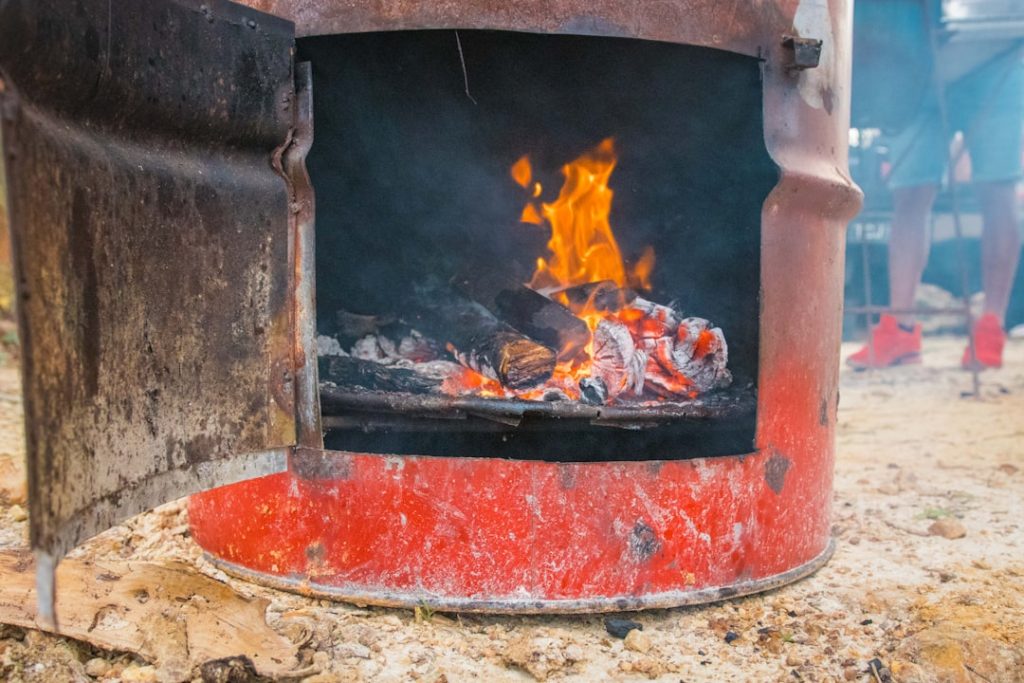
Picking the right heat source is crucial because 4140 steel needs to reach temperatures around 1500°F (815°C) for proper hardening. Many DIY enthusiasts use a propane forge or a charcoal forge due to their affordability and availability. You can even modify a small kiln or use an electric heat gun if you want more control.
Think about the size of the parts you’ll be hardening. A handheld torch works for small pieces, but larger parts need a more stable heat environment. Have you considered safety yet? Ensure good ventilation and use heat-resistant gloves to protect yourself.
Thermometers And Temperature Control
Knowing the exact temperature is critical. Overheating can ruin the steel’s structure, while underheating won’t harden it properly. Infrared thermometers are popular because they give quick, non-contact readings. However, they can be inaccurate on shiny metals, so use a thermocouple probe for precise measurements.
Temperature control doesn’t need to be complicated. A simple digital controller paired with your heat source can keep things steady. Ask yourself: How precise do you need the temperature to be? Even small fluctuations affect the final hardness.
Quenching Mediums
The quenching step cools the steel rapidly, locking in hardness. Water, oil, and brine are common quenching mediums, each with pros and cons. Water cools fast but can cause cracking; oil cools slower, reducing the risk of cracks but requires more cleanup.
Choosing your quench depends on the steel part’s size and shape. For smaller tools, oil quenching often works best. Have you tested different mediums to see which gives you the best balance between hardness and toughness?
Step-by-step Hardening Process
Hardening 4140 steel at home requires precision and care to achieve the desired strength and durability. The process involves heating, holding, and rapidly cooling the steel to alter its internal structure. Each stage plays a crucial role, and understanding these steps will help you get the best results from your hardening efforts.
Heating To Austenitizing Temperature
Heat your 4140 steel evenly until it reaches the austenitizing temperature, typically between 1475°F and 1550°F (800°C to 843°C). Use a reliable heat source like a propane forge or a high-temperature kiln to maintain consistent heat. Avoid overheating, as it can cause grain growth, reducing toughness.
Use a magnet to check the temperature—at austenitizing temperature, the steel becomes non-magnetic. Have you ever noticed how uneven heating affects the final hardness? Ensuring uniform temperature is key to consistent results.
Holding Time And Temperature
Once the steel reaches the correct temperature, hold it there to allow the internal structure to transform fully. For 4140 steel, hold it at austenitizing temperature for about 30 to 45 minutes per inch of thickness. This ensures the entire piece heats through evenly.
Don’t rush this part; inadequate holding time can cause uneven hardening. Remember, patience during this phase sets the foundation for a properly hardened steel.
Quenching Techniques
Quenching rapidly cools the steel to lock in the hard microstructure. Water, oil, or specialized quenching fluids work well, but oil is often preferred for 4140 steel to reduce cracking risk. Make sure your quenching medium is at the right temperature—too cold or too hot can cause problems.
Submerge the steel fully and agitate it gently to avoid steam pockets that can create soft spots. Have you tested different quenching methods on your projects? The choice of quenchant can affect both hardness and toughness significantly.
Credit: www.otaisteel.com
Tempering 4140 Steel
Tempering 4140 steel is a crucial step in the hardening process. It reduces brittleness while preserving strength. This process improves toughness and prevents cracking during use. Proper tempering ensures the steel performs well under stress and lasts longer.
Purpose Of Tempering
Tempering lowers the internal stresses in hardened steel. It makes the metal less brittle and more flexible. This process balances hardness with toughness. Without tempering, 4140 steel may crack or break easily. Tempering also improves wear resistance and durability.
Temperature Ranges For Desired Hardness
| Tempering Temperature | Effect on Hardness | Resulting Properties |
|---|---|---|
| 300°F (150°C) | High hardness retained | Good wear resistance, moderate toughness |
| 400°F (205°C) | Moderate hardness | Balanced toughness and strength |
| 600°F (315°C) | Lower hardness | High toughness and ductility |
Choose tempering temperature based on the balance you need. Lower temperatures keep steel harder. Higher temperatures improve toughness but reduce hardness.
Tempering Methods At Home
- Use an oven that can maintain a steady temperature.
- Heat the steel slowly to the desired temperature.
- Hold the temperature for 1 to 2 hours for uniform tempering.
- Allow the steel to cool slowly in air after heating.
- A kitchen oven or a heat-treating kiln works well for this.
Use a reliable thermometer to monitor oven temperature. Avoid rapid cooling to prevent new stresses. Proper tempering at home is possible with patience and care.
Testing Hardness
Testing hardness is a key step in hardening 4140 steel at home. It confirms if the steel reached the desired strength and toughness. Proper testing helps avoid weak spots that can break under stress.
Different tests give quick feedback. They show how well the steel absorbed heat and quenched. This feedback guides adjustments in heating time or cooling methods for better results.
Simple Hardness Tests
Use easy tests that need little equipment. The file test is common. Try to scratch the steel surface with a metal file. If the file slips without cutting, the steel is hard.
Another test is the scratch test. Use a sharp object like a nail or knife. Try scratching the steel. The harder the steel, the less it will mark.
Tap the steel with a small hammer. Hard steel sounds sharp and clear. Softer steel sounds dull or flat.
Interpreting Results
Compare test results to expected hardness levels. 4140 steel should reach about 55-60 HRC. A file slipping means hardness is likely above 50 HRC.
Visible scratches indicate lower hardness. Light marks may be okay but deep cuts show soft spots. Listen for consistent tapping sounds on all parts.
Note any uneven hardness. This may mean the heat was uneven or quenching was too slow in areas.
Adjusting Process Based On Tests
Failing hardness tests means change heat or quench steps. Heat longer or increase temperature slightly. Avoid overheating to prevent brittleness.
Quench faster using colder water or oil. Stir quenching fluid to cool evenly. Use a different quench medium if needed.
Retest after changes. Repeat until steel shows the right hardness. Keep notes on times and temperatures for future reference.
Common Mistakes To Avoid
Hardening 4140 steel at home demands care and precision. Many mistakes can ruin your work or weaken the metal. Avoiding common errors ensures the steel gains strength and durability. Pay attention to temperature control, quenching, and tempering steps.
Overheating Or Underheating
Heating 4140 steel to the right temperature is vital. Overheating causes grain growth, making steel brittle. Underheating prevents proper hardening, leaving steel soft. Use a reliable thermometer or temperature indicator. Keep the heat steady for uniform results.
Improper Quenching
Quenching must be done quickly and evenly. Using the wrong liquid or cooling too slow can cause cracks. Water cools too fast and may crack the steel. Oil or specialized quenching fluids work better. Stir the steel gently during quenching to cool evenly.
Skipping Tempering
Tempering reduces brittleness after hardening. Skipping this step leaves steel prone to breaking. Tempering also improves toughness and removes internal stresses. Heat the steel again at a lower temperature for this process. Follow recommended time and temperature for best results.
Maintenance After Hardening
Maintenance after hardening 4140 steel is key for long-lasting strength and durability. Proper care stops damage and keeps the steel in top shape. Simple steps protect the metal from rust, wear, and cracks over time.
Regular upkeep helps the steel perform well in tough conditions. Small efforts now save time and money later.
Preventing Rust
Rust is the main enemy of hardened steel. Keep the surface dry and clean. Use a light oil or rust inhibitor to coat the steel. This forms a barrier against moisture.
Wipe off any dirt or sweat after handling. Avoid water exposure and store steel away from damp places.
Storage Tips
Store hardened 4140 steel in a dry, cool area. Use sealed containers or plastic wrap for extra protection. Avoid direct contact with other metals that may cause corrosion.
Keep steel off the ground. Use wooden or plastic racks to prevent moisture buildup. Good airflow around the steel helps keep it dry.
Periodic Inspection
Check the steel regularly for signs of rust, cracks, or wear. Early detection stops small problems from growing. Use a magnifying glass for a closer look.
Look for discoloration or rough spots. If found, clean and reapply protective oil. Fix any damage quickly to maintain hardness and strength.
Frequently Asked Questions
What Tools Are Needed For Hardening 4140 Steel?
To harden 4140 steel at home, you’ll need a heat source like a forge or torch, quenching oil, tongs, and a thermometer. These tools help achieve the desired hardness by heating the steel uniformly and cooling it rapidly. Ensure safety equipment like gloves and goggles is also available.
Can I Use A Propane Torch For Heating?
Yes, a propane torch can be used for heating 4140 steel. Ensure the flame is consistent to achieve an even temperature. The steel should reach a cherry-red color, indicating it’s hot enough for quenching. Be cautious of overheating, which can alter the steel’s properties.
How Do I Know When To Quench The Steel?
Quench 4140 steel when it reaches a cherry-red color, around 1,550°F (843°C). Use a thermometer to verify the temperature. Rapid cooling in oil following heating will harden the steel. Ensure the steel is evenly heated to prevent warping or cracking during the quenching process.
Is Oil Quenching Necessary For 4140 Steel?
Yes, oil quenching is essential for hardening 4140 steel. It rapidly cools the heated steel, locking in hardness. Use a suitable oil like quenching or motor oil for best results. Ensure the steel is fully submerged during quenching to avoid uneven hardening.
Conclusion
Harden 4140 steel carefully to get the best results. Heat the steel evenly and cool it at the right speed. Take safety steps to avoid injuries during the process. Practice makes the process easier and more effective. Now, you can improve your steel parts at home.
Keep learning and trying new methods safely. This skill saves money and gives you control. Hardening steel is simple with patience and care.