
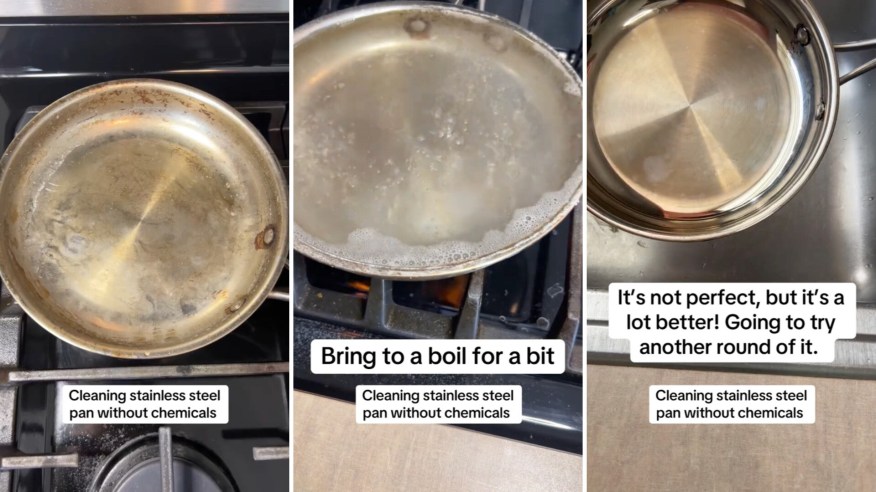
Are your stainless steel silverware looking dull or spotted? You might think cleaning them is tricky, but it doesn’t have to be.
With a few simple steps and common household items, you can make your silverware shine like new again. Imagine holding sparkling forks and spoons that catch everyone’s eye at your next meal. Ready to learn easy and effective ways to clean your stainless steel silverware at home?
Keep reading—you’ll be surprised how simple it is to bring back that brilliant shine.

Credit: www.youtube.com
Choosing The Right Cleaning Tools
Choosing the right cleaning tools is key to keeping stainless steel silverware shiny and scratch-free. Using gentle materials protects the surface and makes cleaning easier. Harsh tools can cause damage and dull the finish. Select items that clean well but stay kind to your silverware.
Soft Cloths And Sponges
Soft cloths are perfect for wiping and polishing silverware. Microfiber cloths work well because they trap dirt without scratching. Use a damp cloth for daily cleaning and a dry one to buff for shine.
Sponges with a soft side are good for removing food residue. Choose non-scratch sponges to avoid marks. Avoid rough scrubbers that can leave permanent damage.
Avoiding Abrasive Materials
Abrasive materials like steel wool or rough brushes can ruin stainless steel surfaces. They create tiny scratches that attract dirt and cause rust spots. Stay away from scouring pads and harsh scrubbers.
Use gentle tools and mild detergents for safe cleaning. Your silverware will last longer and look better with careful care.
:max_bytes(150000):strip_icc()/spr-weiman-stainless-steel-cleaner-kenedee-fowler-4-b2cf6b83af9b4871b3ef3618d3833f86.jpeg)
Credit: www.thespruce.com
Everyday Cleaning Methods
Keeping stainless steel silverware clean is simple with everyday methods. Regular care stops stains and keeps your silverware shiny. These easy steps fit into daily routines.
Warm Soapy Water Wash
Fill the sink with warm water and mild dish soap. Soak silverware for a few minutes to loosen food and grease. Use a soft sponge or cloth to gently clean each piece. Avoid abrasive scrubbers that can scratch the surface. Rinse each item well after washing to remove soap residue.
Rinsing And Drying Properly
Rinse silverware under warm running water to clear all soap. Check for any leftover spots or food bits. Dry each piece immediately with a clean, soft towel. This prevents water spots and streaks on the steel. Store silverware in a dry place to avoid moisture buildup and tarnishing.
Removing Stubborn Stains
Stubborn stains on stainless steel silverware can be frustrating. These marks often come from hard water, food residues, or tarnish that regular washing doesn’t remove. Tackling these spots effectively requires simple household ingredients and a bit of patience.
Using Baking Soda Paste
Baking soda works wonders as a gentle abrasive cleaner. Create a paste by mixing three parts baking soda with one part water until it forms a thick consistency.
Apply the paste directly to the stained areas using a soft cloth or sponge. Rub gently in circular motions to lift the stains without scratching the surface.
After scrubbing, rinse the silverware thoroughly with warm water and dry it immediately with a clean towel to prevent water spots. Have you noticed how a simple kitchen staple can restore shine faster than commercial cleaners?
Vinegar Soak Technique
White vinegar is excellent at dissolving mineral deposits and tarnish. Fill a bowl with enough vinegar to cover your silverware completely.
Soak the stained pieces for 5 to 10 minutes, then remove and scrub lightly with a soft brush or cloth. This soak loosens the grime, making it easier to wipe away without harsh scrubbing.
Rinse well under warm water and dry each item carefully. If you face tough stains, repeating the soak once or twice can make a noticeable difference in brightness.

Credit: www.amazon.com
Polishing Silverware For Shine
Polishing stainless steel silverware brings back its bright, shiny look. It removes dull spots and light scratches. Polishing also protects silverware from future stains and marks. Both natural and commercial polish options work well at home. Choose the one that fits your needs and preferences.
Natural Polish Options
Natural polishes use simple ingredients found in most kitchens. They clean gently without harsh chemicals. Here are some popular choices:
- Baking Soda Paste:Mix baking soda with water until it forms a thick paste. Rub gently on silverware with a soft cloth, then rinse.
- Lemon Juice and Salt:Sprinkle salt on half a lemon. Rub the lemon on the silverware to remove spots. Rinse well afterward.
- White Vinegar Soak:Soak silverware in a mix of white vinegar and water for a few minutes. Wipe clean and dry thoroughly.
These natural methods brighten silverware without scratching the surface. They are safe and eco-friendly choices.
Commercial Stainless Steel Polishes
Commercial polishes offer quick and strong cleaning power. They are designed to restore shine and protect metal surfaces. Look for polishes made for stainless steel silverware. Follow these tips for best results:
- Apply a small amount of polish to a soft cloth.
- Rub the silverware gently in circular motions.
- Buff the surface with a clean, dry cloth until shiny.
- Keep polish away from food-contact areas, then wash silverware before use.
Use commercial polishes occasionally to maintain a polished look. Avoid overuse to prevent damage to the finish.
Preventing Tarnish And Damage
Stainless steel silverware stays shiny and beautiful longer with simple care. Preventing tarnish and damage helps keep your pieces looking new. Proper habits protect the silverware’s finish and avoid costly repairs or replacements.
Proper Storage Tips
Store silverware in a dry place to avoid moisture damage. Use soft cloth pouches or lined drawers to prevent scratches. Avoid stacking pieces tightly, which can cause dents and marks. Keep silverware away from direct sunlight to reduce discoloration.
- Wrap pieces in anti-tarnish cloth for extra protection
- Separate silver from other metals to stop chemical reactions
- Use silverware trays or organizers to maintain order
Avoiding Harsh Chemicals
Harsh chemicals strip away the protective layer on silverware. Avoid bleach, ammonia, and acidic cleaners that cause corrosion. Opt for gentle dish soap and warm water for cleaning. Rinse thoroughly to remove soap residue, which can dull the finish.
- Do not use abrasive scrubbers or steel wool
- Choose cleaners made specifically for stainless steel
- Test any new cleaner on a small, hidden area first
Handling Rust Spots
Rust spots on your stainless steel silverware can be frustrating and unsightly. Handling these spots carefully is key to restoring your utensils without causing damage. Understanding how to identify rust and choosing safe removal methods will help keep your silverware looking clean and shiny.
Identifying Rust
Rust on stainless steel often appears as small reddish-brown spots or patches. Unlike stains or tarnish, rust feels slightly rough to the touch and won’t come off with simple washing. If you notice these spots, it means the protective chromium layer has been compromised, allowing iron to oxidize.
Have you ever mistaken rust for dirt and scrubbed too hard, only to make it worse? Recognizing rust early can save your silverware from permanent damage and ensure you use the right treatment.
Safe Rust Removal Methods
To remove rust safely, avoid harsh abrasives or steel wool that can scratch the surface. Instead, try these gentle yet effective solutions:
- Baking soda paste:Mix baking soda with water to create a thick paste. Apply it on rust spots, let it sit for 15 minutes, then gently rub with a soft cloth.
- White vinegar soak:Soak the affected silverware in white vinegar for 5 to 10 minutes. The mild acid helps dissolve rust without damaging the steel.
- Lemon juice and salt:Sprinkle salt on the rust, then squeeze lemon juice over it. Let it sit for a few minutes before scrubbing lightly with a soft brush.
After treatment, rinse your silverware thoroughly and dry immediately to prevent new rust from forming. Have you noticed how small changes in care routines can extend the life of your favorite utensils? What’s your go-to rust removal tip?
Frequently Asked Questions
How Do I Remove Stains From Stainless Steel Silverware?
To remove stains, use a mixture of baking soda and water. Apply it to the silverware using a soft cloth. Gently rub the stained areas, then rinse with warm water and dry with a clean towel. This method effectively removes most stains without damaging the stainless steel.
Can Vinegar Clean Stainless Steel Silverware?
Yes, vinegar can clean stainless steel silverware effectively. Mix equal parts of vinegar and water in a bowl. Soak the silverware for 10 minutes, then rinse with warm water. Dry thoroughly with a soft cloth. Vinegar helps remove water spots and adds shine to your silverware.
Is Dish Soap Safe For Stainless Steel Silverware?
Dish soap is safe and effective for cleaning stainless steel silverware. Use a gentle dish soap with warm water. Scrub the silverware with a soft sponge to remove food particles. Rinse thoroughly and dry with a soft towel to prevent water spots and maintain shine.
What Natural Methods Clean Stainless Steel Silverware?
Natural methods like lemon juice and baking soda clean stainless steel silverware well. Lemon juice removes tarnish, while baking soda tackles stains. Apply either with a soft cloth, gently rub, rinse with warm water, and dry thoroughly. These methods are eco-friendly and maintain your silverware’s shine.
Conclusion
Cleaning stainless steel silverware at home is simple and effective. Use gentle soap and warm water for daily cleaning. For tough stains, a baking soda paste works well. Dry your silverware immediately to avoid water spots. Regular care keeps your utensils shiny and lasting longer.
Small steps make a big difference. Your silverware will look great without harsh chemicals. Try these easy tips for a sparkling finish every time. Caring for your silverware is quick and rewarding. Enjoy clean, bright silverware with little effort.