
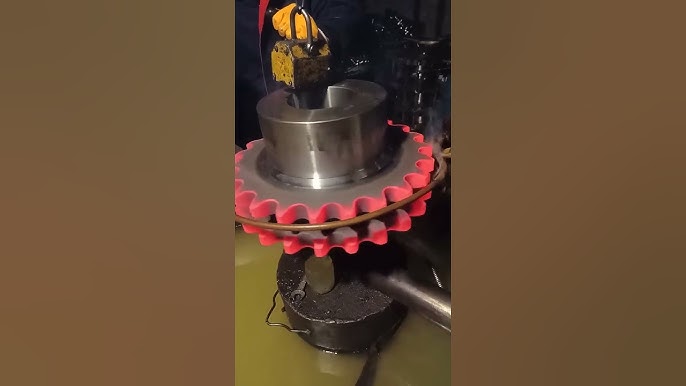
Are you looking to make your steel tools stronger and more durable without spending a fortune? Hardening steel at home might sound complicated, but it’s easier than you think.
With just a few simple steps and some basic equipment, you can boost the strength and lifespan of your metal items. Imagine having the power to transform your steel right in your own workshop. Ready to learn how? Keep reading, and you’ll discover the secrets to hardening steel quickly and safely.
Basics Of Steel Hardening
Understanding the basics of steel hardening is essential if you want to improve the strength and durability of your metal projects at home. Hardening changes the structure of steel, making it tougher and more resistant to wear. Before you start, it’s important to know what steel hardening really means and which types of steel respond best to this process.
What Is Steel Hardening
Steel hardening is a heat treatment process that involves heating the metal to a high temperature and then cooling it rapidly. This changes the internal structure of the steel, increasing its hardness and strength. The rapid cooling, often called quenching, locks the steel’s molecules in a harder form.
Have you ever noticed how a heated metal tool becomes stronger after cooling? That’s steel hardening at work. This process is commonly used for tools, knives, and parts that need to resist bending and wear.
Types Of Steel Suitable For Hardening
Not all steel can be hardened effectively. The best steels for hardening are those with enough carbon content. Carbon plays a key role in making steel harder through heat treatment.
- High Carbon Steel:Contains about 0.6% to 1.0% carbon, ideal for hardening and commonly used in knives and blades.
- Medium Carbon Steel:Contains about 0.3% to 0.6% carbon, suitable for some hardening but may need tempering for better toughness.
- Low Carbon Steel:Contains less than 0.3% carbon and generally doesn’t harden well because it lacks enough carbon to change structure.
Have you checked the type of steel in your tool before trying to harden it? Using the wrong steel can lead to disappointing results or even damage.

Credit: www.beskamold.com
Essential Tools And Materials
Hardening steel at home needs specific tools and materials. These items help you heat, cool, and protect the metal during the process. Using the right tools improves results and keeps you safe.
Heat Source Options
- Propane torch – easy to control heat and widely available
- Electric kiln – provides consistent, high temperatures for even heating
- Charcoal forge – traditional method using burning charcoal for intense heat
- Oxy-acetylene torch – very hot flame for quick and precise heating
Quenching Mediums
- Water – cools steel fast but can cause cracks if used too cold
- Oil – slower cooling, reduces risk of cracking and warping
- Saltwater – faster than oil, but more aggressive cooling
- Brine solution – a mix of salt and water for rapid cooling
Safety Gear
- Heat-resistant gloves – protect hands from burns and hot metal
- Safety goggles – shield eyes from sparks and hot debris
- Long-sleeve clothing – cover skin to prevent burns
- Fire extinguisher – keep nearby to handle accidental fires
Preparing Steel For Hardening
Preparing steel for hardening is a crucial phase that sets the foundation for a successful heat treatment process. It demands careful attention to detail, as the way you clean and shape the steel directly affects how evenly it will harden. Before you even think about heating, taking these preparatory steps seriously can save you time and avoid costly mistakes.
Cleaning And Shaping
Start by removing any rust, grease, or dirt from the steel surface. Use a wire brush, sandpaper, or even a degreaser to ensure the metal is spotless. This step helps the steel heat evenly and prevents impurities from causing weak spots during hardening.
Next, shape the steel to your desired form. If the edges are rough or the piece is uneven, use a grinder or file to smooth it out. Precise shaping not only improves the final appearance but also ensures the steel hardens uniformly.
Marking Heat Zones
Before heating, mark the areas on your steel where you want to focus the hardening process. You can use a permanent marker or scribe lines to indicate these zones. This helps you control the heat application and prevents overheating or underheating parts of your steel.
Have you ever noticed uneven hardness after heating? Marking heat zones allows you to apply heat more thoughtfully, targeting only the areas that require hardening. This technique can save energy and improve the quality of your finished piece.
Heating Process
The heating process is a key part of hardening steel at home. Proper heating changes the steel’s structure, making it stronger and harder. Controlling the temperature is essential to avoid damage or weak spots. This stage requires attention and patience to get the best results.
Achieving Proper Temperature
Heat the steel evenly using a reliable heat source like a propane torch or charcoal forge. The target temperature usually ranges between 1,450°F and 1,600°F (790°C to 870°C). Use a temperature gauge or color guide to check the heat level.
Steel changes color as it heats:
- Dark red at lower temperatures
- Bright cherry red around 1,500°F
- Orange or yellow as it gets hotter
Reach a bright cherry red color for most hardening tasks. Avoid overheating, which can cause grain growth and weaken the steel.
Signs Steel Is Ready
Look for these signs before quenching the steel:
- The steel glows evenly without dark spots.
- The color matches the target temperature range.
- The steel feels hot but not melting or bubbling.
At this stage, the steel is ready to be cooled quickly. Proper heating ensures the steel will harden well after quenching.
Quenching Techniques
Quenching is a key step in hardening steel at home. It cools the heated steel quickly to lock in hardness. The way you quench affects the steel’s strength and durability. Using the right technique prevents cracks and warping. Understanding the quenching process helps achieve the best results.
Choosing A Quenching Medium
The quenching medium controls how fast the steel cools. Common options include water, oil, and air. Each medium cools steel at a different speed and impacts hardness.
- Water:Cools very fast. Good for simple tools but can cause cracks.
- Oil:Slower cooling than water. Reduces risk of cracking and warping.
- Air:Slowest cooling. Used for steels that need gentle hardening.
Select a medium based on the steel type and tool use. Testing on scrap pieces helps find the best option.
How To Quench Properly
Heat the steel evenly until it reaches the right temperature. Usually, this is a bright red or orange glow. Use tongs to handle the hot metal safely.
Immerse the steel quickly into the chosen quenching medium. Move it gently to cool all parts evenly. Avoid splashing or dropping the steel harshly.
Watch for steam or bubbles during quenching; this shows cooling is happening. After quenching, clean the steel and inspect for cracks or warping.

Credit: www.beskamold.com
Tempering For Durability
Tempering is a crucial step to make steel stronger and less brittle. After hardening steel, it becomes very hard but also fragile. Tempering reduces this brittleness. It helps the steel handle daily use without cracking or breaking. This process improves durability and toughness. Tempering balances hardness with flexibility.
Why Tempering Matters
Tempering changes the steel’s internal structure. It lowers the risk of cracks during use. Without tempering, hard steel can break easily. Tempering helps steel resist shocks and impacts. It makes tools and blades last longer. Tempered steel holds its shape better under stress. This step is key for safe and reliable steel items.
Simple Tempering Methods At Home
Tempering steel at home is possible with basic tools. You need a heat source, like a small oven or a torch. Watch the steel’s color as it heats. This color shows the temperature. The right heat helps reach the correct temper.
- Heat the steel slowly to a dull red or brown color.
- Keep the steel at this color for a few minutes.
- Cool the steel gently in air, not water.
These steps reduce brittleness and increase toughness. Avoid overheating or cooling too fast. Both can damage the steel. Tempering is about control and patience. It makes your hardened steel durable and ready for use.
Testing Hardness
Testing the hardness of steel after you harden it at home is crucial to ensure your efforts have paid off. Without proper testing, you might not know if the steel is tough enough for your project or if it needs another round of heat treatment. Knowing the hardness level helps you avoid wasting time or materials on steel that isn’t quite right.
Methods To Check Hardness
You don’t need expensive lab equipment to get a good sense of your steel’s hardness. One simple method is the file test. Take a small file and try to scratch the steel surface. If the file slides off easily without biting into the metal, your steel is likely hard enough.
Another practical approach is the spark test. Grind a small area of the steel and observe the sparks. Harder steel produces fewer sparks that are shorter and more reddish in color. This can be a quick visual check if you have a grinder handy.
For a more tactile method, use a hardness testing block or a Rockwell hardness tester if you have access to one. These tools give you a numeric value for hardness, which is very useful if you want to compare results or meet specific hardness standards.
Common Mistakes To Avoid
Don’t assume that just because steel looks different after hardening, it’s actually harder. Visual changes can be misleading without testing. Always verify with a method that gives you a clear indication of hardness.
Avoid testing on areas that have been unevenly heated or cooled. Inconsistent heat treatment can create soft spots that throw off your results. Test multiple spots to get an accurate reading.
Also, don’t rely solely on one test method. Combining tests like the file and spark test will give you a better overall picture. Have you ever been surprised by a failed project because you skipped proper testing?

Credit: www.beskamold.com
Troubleshooting Common Issues
Troubleshooting common issues can save time and improve your steel hardening results. Problems like cracking, uneven hardness, and surface discoloration often occur during the process. Understanding their causes helps fix them quickly.
Cracking And Warping
Cracking happens when steel cools too fast or unevenly. Rapid cooling causes stress inside the metal. Warping occurs if the steel is not supported properly during cooling.
To avoid cracking and warping:
- Use a consistent cooling method, like oil or water quenching.
- Ensure even heating before quenching.
- Support the piece to prevent bending during cooling.
- Temper the steel after hardening to relieve stress.
Uneven Hardness
Uneven hardness means some parts are harder than others. This happens when heating or cooling is uneven. It can reduce steel strength and performance.
To fix uneven hardness:
- Heat the steel fully and evenly before quenching.
- Use a uniform quenching medium at a stable temperature.
- Check steel thickness; thin areas harden faster than thick ones.
- Temper the steel to balance hardness across the piece.
Surface Discoloration
Surface discoloration appears as dark spots or a dull finish. It results from overheating or reactions with air during heating.
To reduce discoloration:
- Heat steel in a clean, controlled environment.
- Avoid heating steel too long at high temperatures.
- Use protective coatings or cover steel during heating.
- Clean the steel surface before and after hardening.
Safety Tips For Home Hardening
Working with steel at home can be exciting, but it demands a strong focus on safety. Hardening steel involves high temperatures and open flames, which can be dangerous if you’re not prepared. Keeping safety at the forefront protects you and your workspace from accidents and injuries.
Handling Heat And Flames
Heat and flames are the core of steel hardening, but they can cause severe burns and fires. Always keep a fire extinguisher nearby and know how to use it. Never leave hot steel or open flames unattended, even for a moment.
Think about your workspace layout—keep flammable materials like paper, cloth, and solvents far away from your heating source. Also, use tools with long handles to hold steel while heating, so your hands stay clear of the heat.
Protective Equipment
Your skin and eyes need serious protection when working with hot steel. Wear heat-resistant gloves to prevent burns. Safety goggles are a must to shield your eyes from sparks and intense light.
A heavy apron can protect your body from sparks and hot metal splashes. Avoid synthetic fabrics that can melt; instead, choose natural fibers like cotton or leather for your clothing.
Ventilation And Environment
Heating steel can release harmful fumes, especially if you’re using certain fuels or chemicals. Make sure your workspace has good ventilation to clear out smoke and gases. Open windows and use fans to keep air moving.
A clean, organized environment reduces risks. Clear clutter and keep floors dry to prevent slips or trips. Have a designated spot for cooling hot steel safely away from walkways.
Frequently Asked Questions
What Tools Are Needed To Harden Steel At Home?
To harden steel at home, you’ll need a forge or blowtorch, quenching oil, and a heat-resistant container. Safety gear like gloves and goggles is essential. You’ll also require a tempering oven or a regular kitchen oven for the tempering process.
These tools ensure effective and safe steel hardening.
Can I Use A Kitchen Oven To Temper Steel?
Yes, you can use a kitchen oven to temper steel. Set the oven to the desired temperature, usually between 350°F and 450°F. Place the steel inside for an hour to reduce brittleness. Ensure even heating by preheating the oven and placing the steel on a baking tray.
How Long Does It Take To Harden Steel?
The hardening process takes about 2-3 hours. Heat the steel until it’s red hot, then quench it in oil. This initial step takes about an hour. After quenching, tempering in an oven takes another 1-2 hours. The exact time depends on the steel type and thickness.
Is Quenching Oil Necessary For Steel Hardening?
Yes, quenching oil is necessary for proper steel hardening. It cools the steel quickly and evenly, preventing warping or cracking. Oil quenching provides a controlled cooling environment, essential for achieving the desired hardness. Avoid using water as it can cause uneven cooling and lead to cracks.
Conclusion
Steel hardening at home is simple with the right steps. Heat the steel evenly until it glows red or orange. Cool it quickly in water or oil to harden. Always wear safety gear to protect yourself. Practice makes perfect, so try on scrap pieces first.
This process improves strength and durability for your projects. Keep tools clean and check temperatures carefully. You can create strong steel parts without special equipment. Just follow the steps and stay safe. Hardening steel at home is rewarding and useful.