
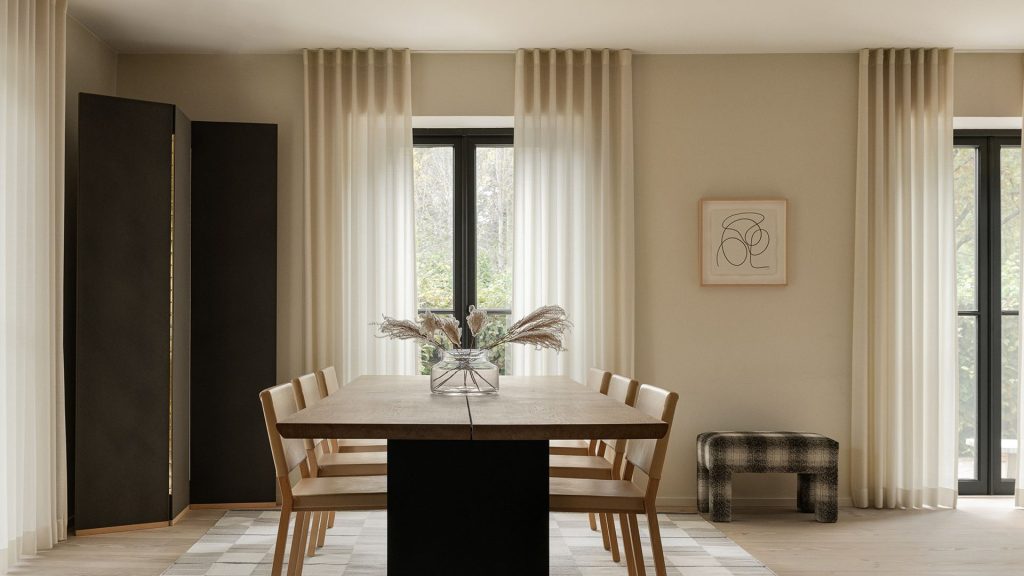
Choosing the perfect curtains for your dining room can feel overwhelming. You want something that matches your style, controls light just right, and creates a cozy atmosphere for every meal.
But how do you pick the best option without second-guessing yourself? This guide will help you make confident choices that transform your dining space into a warm and inviting place. Keep reading to discover simple tips that will make your curtains a stunning part of your room.
Curtain Fabrics
Curtain fabrics play a key role in setting the room’s mood and style. They affect light, privacy, and overall comfort. Choosing the right fabric means balancing look and function. Think about how much sunlight the room gets and your cleaning preferences.
Lightweight Vs Heavy Fabrics
Lightweight fabrics like cotton and linen let in natural light. They create a soft, airy feel. These fabrics work well in small or dark rooms. Heavy fabrics such as velvet and brocade block more light. They provide better insulation and privacy. Choose heavy fabrics for larger rooms or colder climates.
Durability And Maintenance
Durable fabrics last longer and handle daily wear well. Polyester and microfiber are strong and resist stains. Natural fabrics may wrinkle or fade faster. Check care labels for washing instructions. Some fabrics need dry cleaning, others can be machine washed. Pick fabrics that fit your lifestyle and cleaning habits.
Texture And Feel
Texture adds depth and interest to your curtains. Smooth fabrics offer a sleek, modern look. Rough or woven textures give a cozy, rustic vibe. Feel the fabric before buying. Soft textures create warmth, while stiff ones keep shape. Match texture with your room’s furniture and decor style.

Credit: threegirls.com
Color And Patterns
Choosing the right color and pattern for dining room curtains can transform the space. Curtains set the room’s mood and style. They can brighten the room or create a cozy feel. Consider how colors and patterns work with your existing decor.
Matching With Wall And Furniture
Select curtain colors that blend well with walls and furniture. Soft tones work best with bold furniture colors. Light walls pair nicely with darker curtains. Match curtain shades with furniture for a unified look. Avoid colors that clash or compete with room elements.
Using Bold Vs Neutral Colors
Bold colors add energy and make curtains a focal point. Choose reds, blues, or greens for a lively dining area. Neutral colors like beige, gray, or white create calm and balance. Neutrals fit most styles and are easy to update. Think about your room’s vibe before picking bright or soft tones.
Incorporating Patterns
Patterns add texture and interest to plain rooms. Stripes, florals, or geometric shapes work well on curtains. Use patterns to complement solid furniture and walls. Keep patterns simple if the room already has many designs. Balance busy patterns with neutral colors to avoid overwhelming the space.
Curtain Length And Width
Choosing the right curtain length and width impacts your dining room’s look and feel. Curtains that are too short or narrow can seem unfinished. Curtains that are too long or wide might overwhelm the space.
Understanding curtain length options and the proper width helps create a balanced, polished appearance. These details affect light control, privacy, and room style.
Floor-length Vs Sill-length
Floor-length curtains run from the curtain rod to the floor. They offer a formal, elegant look. These curtains work well in rooms with high ceilings or large windows.
Sill-length curtains end at the window sill. They create a casual, neat appearance. Ideal for smaller windows or rooms with radiators below the sill.
Choose floor-length curtains for drama and height. Pick sill-length for simplicity and practicality.
Proper Width For Full Coverage
Curtains should cover the entire window when closed. To ensure fullness, the curtain width should be 1.5 to 3 times the window width.
This extra fabric allows the curtains to gather nicely. Full coverage blocks light and provides privacy.
Measure your window width carefully. Multiply by 2 for a fuller, luxurious look or by 1.5 for a lighter drape.
Creating Visual Balance
Balance between curtain length and width creates harmony in the room. Long curtains with too little width look sparse. Wide curtains that are too short may appear heavy.
Consider the room size, furniture, and window style. Match curtain length and width with these elements for a balanced effect.
Properly sized curtains enhance your dining space’s comfort and style.
Curtain Styles
Curtain styles shape the look and feel of your dining room. They set the mood and reflect your taste. Choosing the right style helps create a cozy and inviting space. Different styles suit different decor themes and personal preferences. Understanding popular curtain styles helps you pick the perfect match for your dining area.
Classic And Traditional
Classic curtains bring timeless charm to your dining room. Rich fabrics like velvet or silk add elegance. Patterns such as damask or floral create a warm atmosphere. Pleated or rod-pocket designs offer a neat, structured look. These curtains often pair well with wood furniture and antique decor.
Modern And Minimalist
Modern curtains focus on simplicity and clean lines. Solid colors or subtle textures work best here. Materials like linen or cotton keep the look light and fresh. Floor-to-ceiling panels enhance room height and openness. These curtains suit sleek furniture and neutral color schemes.
Bohemian And Eclectic
Bohemian curtains add color and personality to dining rooms. Bold prints, patchwork, or tassels create a lively vibe. Lightweight fabrics like cotton voile or sheer blends flow beautifully. Mixing patterns and textures fits well with eclectic decor. These curtains express creativity and a relaxed style.
Functionality
Choosing the right dining room curtains means thinking about how they work, not just how they look. Functionality matters a lot. Curtains must fit your daily needs and improve your dining experience. Consider factors like light control, privacy, warmth, and cleaning ease. These features help make the room more comfortable and practical.
Light Control And Privacy
Curtains should help manage sunlight in the dining room. Too much light can cause glare or fade furniture. Too little light makes the room dull. Choose fabrics that let in the right amount of natural light. Thick curtains block bright sun and provide privacy from neighbors or street views. Sheer curtains allow light but keep some privacy. Layering curtains can offer flexible light control and privacy options.
Thermal Insulation
Thermal insulation keeps your dining room cozy and saves energy. Heavy or lined curtains block cold air in winter and heat in summer. This reduces heating and cooling costs. Look for curtains made of thick materials or with thermal lining. They also reduce noise from outside. Good insulation makes meals more enjoyable by keeping the room at a steady temperature.
Ease Of Cleaning
Dining rooms can get messy. Choose curtains that are easy to clean. Machine-washable fabrics save time and effort. Avoid materials that stain easily or need dry cleaning only. Light colors may show dirt faster but brighten the room. Darker fabrics hide stains better but can make the space feel smaller. Consider curtains that resist dust and spills for a practical choice.
Hardware And Accessories
Choosing the right hardware and accessories can transform your dining room curtains from simple window coverings into a statement piece. These elements not only support your curtains but also add to the room’s overall style and functionality.
Choosing Curtain Rods
Your curtain rods need to be strong enough to hold your curtains, but they also set the tone for the whole window treatment. Metal rods with a sleek finish can give a modern vibe, while wooden rods add warmth and a classic touch.
Think about the width of your window. Rods that extend 6 to 12 inches beyond the frame allow curtains to fully open, letting in more light and making the room feel larger.
Have you considered the rod’s finials? These decorative ends add personality—choose from simple spheres to intricate designs that match your dining room theme.
Tiebacks And Holdbacks
Tiebacks and holdbacks keep your curtains neatly pulled aside, letting natural light brighten the space during meals. They can be practical or decorative, depending on your style.
Look for tiebacks in materials that complement your curtain fabric—rope for a casual look or metal for a polished finish. Holdbacks mounted on the wall offer an elegant way to frame your window.
Ask yourself: do you want the option to easily change your curtain’s position? Magnetic tiebacks offer quick release, ideal if you like flexibility.
Layering With Sheers
Adding sheer curtains behind your main drapes can soften harsh sunlight and add depth to your window design. Sheers provide privacy without sacrificing light, perfect for a dining room.
Choose lightweight fabrics like voile or linen blends for a gentle flow. Layering also allows you to adjust the mood—draw the heavier curtains for intimacy or leave sheers closed for a bright, airy feel.
Have you tried mixing textures? Pairing smooth sheers with textured drapes creates visual interest and invites guests to linger longer at your table.
Budget Considerations
Budget plays a big role in choosing dining room curtains. It helps narrow down choices and avoid overspending. Balancing cost with style and quality is key. Understanding different price points guides better decisions.
Affordable Options
Many stores offer curtains at low prices without losing style. Look for synthetic fabrics like polyester. They are budget-friendly and easy to clean. Simple patterns or solid colors usually cost less. Buying ready-made curtains saves money and time.
- Check clearance sales or discounts.
- Choose lighter fabrics for a fresh look.
- Pick standard sizes to avoid extra costs.
Investing In Quality
Quality curtains last longer and look better over time. Natural fabrics like cotton or linen offer durability and elegance. These materials improve room atmosphere with texture and weight. Higher price means better stitching and finishing. Investing more reduces need for frequent replacements.
- Consider curtains as long-term decor pieces.
- Look for features like UV protection or thermal lining.
- Quality often means richer colors and patterns.
Diy Vs Custom Curtains
DIY curtains cut costs by using simple sewing skills. Choose fabric and sew at home for a personal touch. This option suits those who enjoy crafts and have time. Custom curtains fit perfectly and match room style exactly. Professionals offer tailored fabrics and designs but cost more.
| DIY Curtains | Custom Curtains |
|---|---|
| Lower cost | Higher cost |
| Requires time and skill | Professional finish |
| Limited fabric choices | Wide fabric and design options |
| Great for simple designs | Best for perfect fit and style |
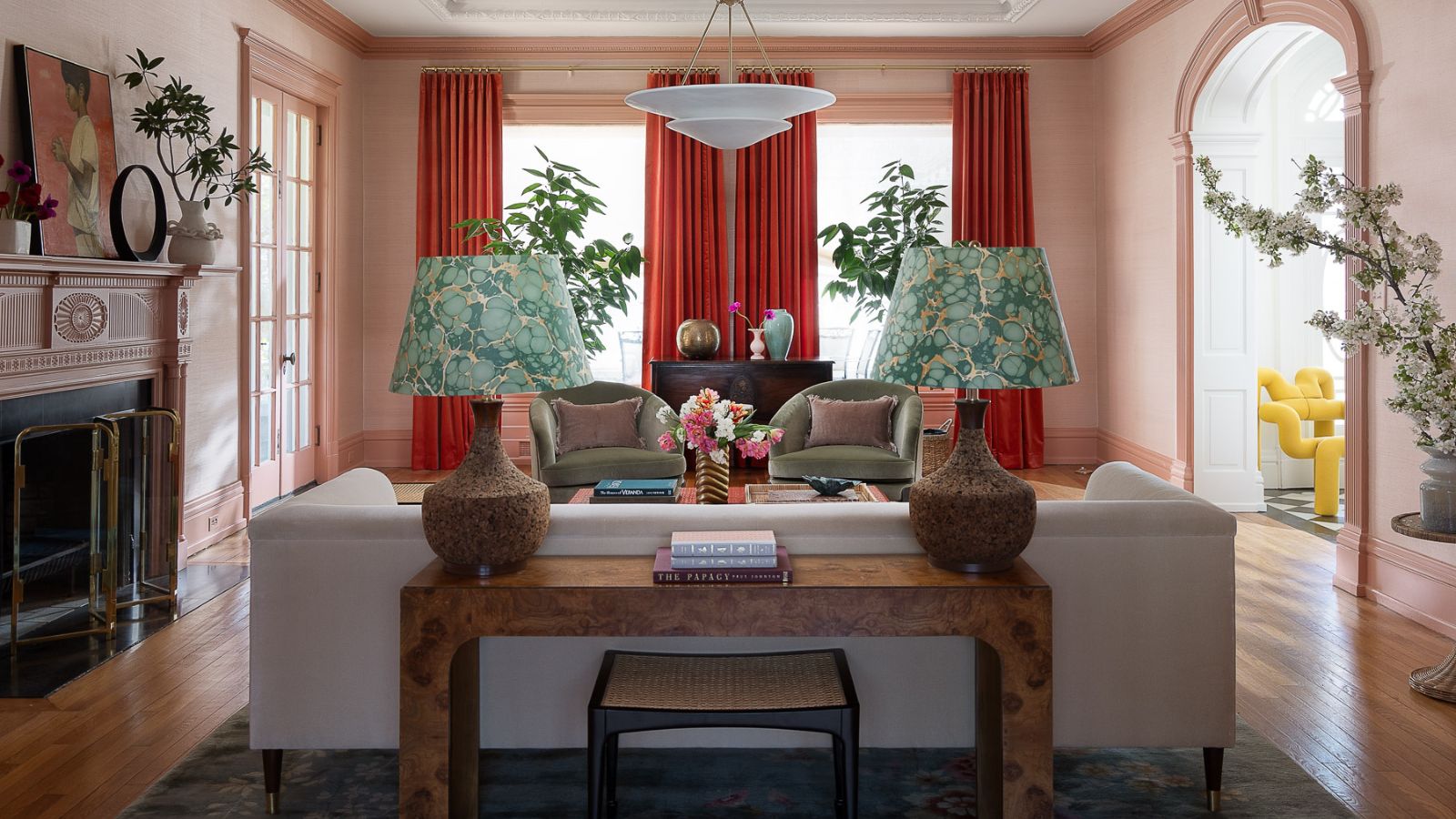
Credit: www.homesandgardens.com
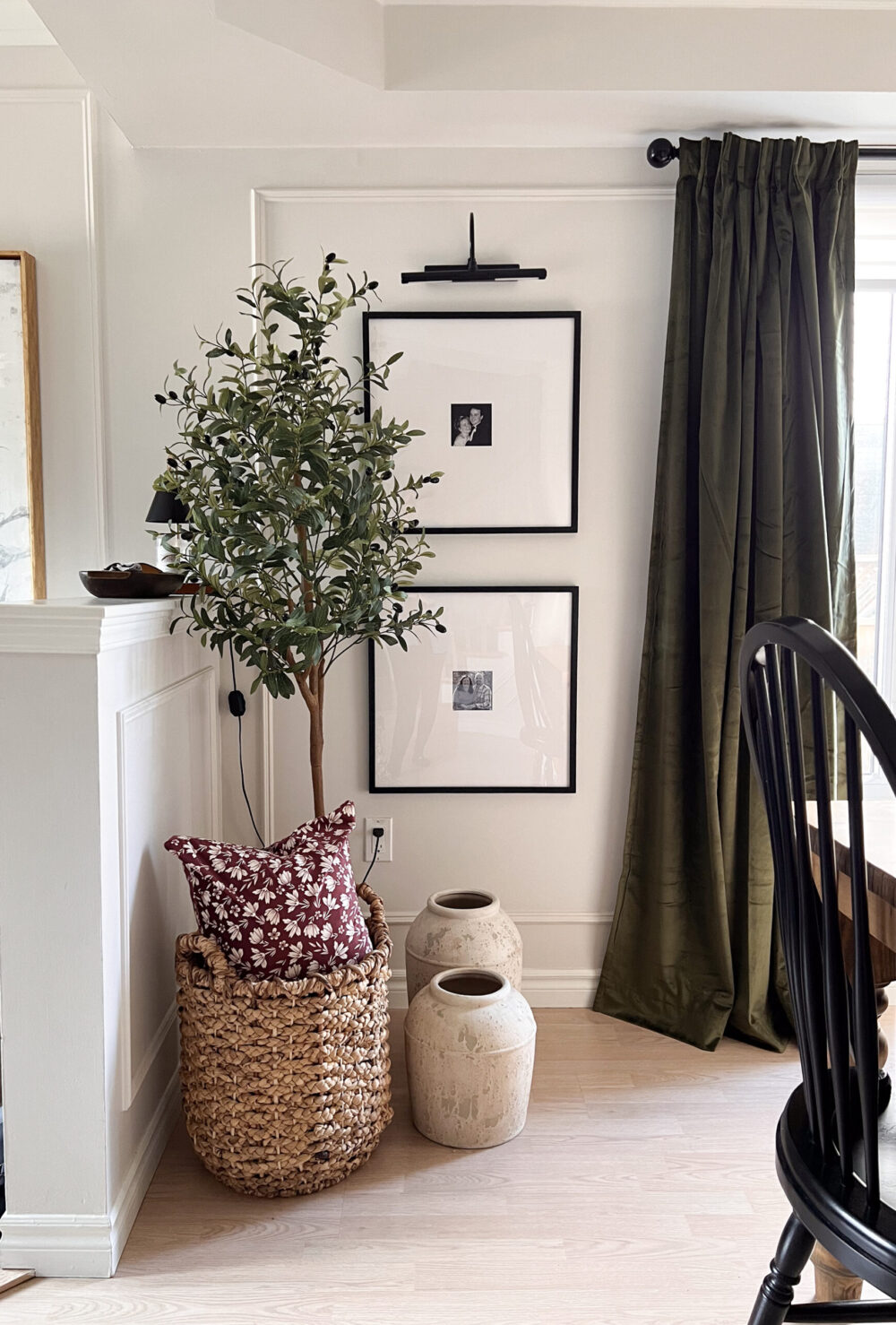
Credit: homemadelovely.com
Frequently Asked Questions
What Fabric Is Best For Dining Room Curtains?
Cotton and linen are ideal for dining room curtains. They offer a crisp, clean look and are easy to maintain. For a more luxurious feel, consider velvet or silk, which add warmth and elegance. Choose fabrics that balance aesthetics with practicality, ensuring they complement your dining room’s style.
How To Measure For Dining Room Curtains?
Start by measuring the window width and height. Add extra width for fullness, typically 1. 5 to 3 times the window width. Measure from the rod to the desired curtain length, either sill, apron, or floor length. Accurate measurements ensure a perfect fit and enhance the room’s overall appearance.
Are Blackout Curtains Suitable For Dining Rooms?
Blackout curtains can be suitable for dining rooms if privacy and light control are priorities. They block out external light, creating an intimate dining atmosphere. However, consider lighter fabrics or sheer curtains if you prefer a brighter, more open space.
Balance functionality with the aesthetic appeal of your dining area.
How To Choose Curtain Color For Dining Room?
Consider your dining room’s existing color scheme. Choose curtains that complement or contrast with walls and furniture. Neutral tones provide versatility, while bold colors create a focal point. Ensure the curtain color enhances the room’s mood and harmonizes with your overall interior design.
Conclusion
Choosing the right dining room curtains adds warmth and style. Think about the room’s light, color, and size. Pick fabrics that match your daily needs and taste. Simple designs often work best for any decor. Curtains can change the whole look with little effort.
Enjoy creating a cozy and inviting dining space. Your perfect curtains are just a few steps away. Take your time and trust your own style.