
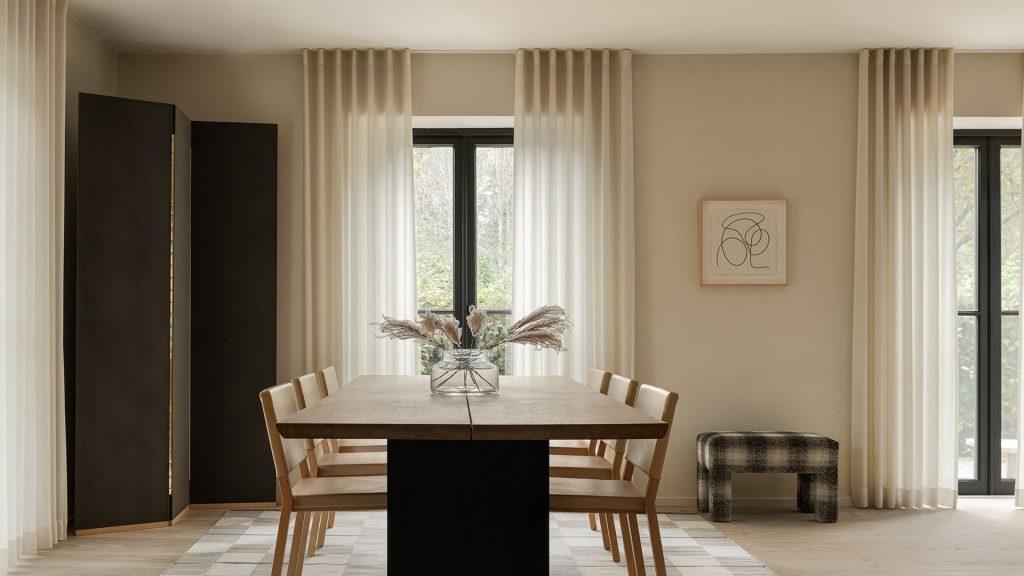
Choosing the perfect curtain length for your dining room can completely change the look and feel of the space. You might wonder, “How long should curtains be in my dining room to make it cozy and stylish?” Getting this right isn’t just about measurements—it’s about creating the mood you want every time you sit down to eat or entertain guests.
You’ll discover simple tips and expert advice that will help you pick the ideal curtain length, so your dining room looks inviting and balanced. Keep reading to transform your space with the perfect curtains!

Credit: tailorvibe.com
Choosing Curtain Length
Choosing the right curtain length can change the entire look of your dining room. The length affects the room’s style, feel, and how light enters the space. It also influences the ease of use, especially if you open and close the curtains often. Selecting the correct length depends on your window size, room décor, and personal preference. Here are three popular curtain lengths to consider for your dining room.
Floor-length Curtains
Floor-length curtains reach all the way to the floor. They create a formal and elegant atmosphere. These curtains work well in dining rooms with high ceilings. They also make the room appear taller and more spacious. Keep the curtains just touching the floor for a clean look. Avoid puddling unless you want a dramatic, luxurious style.
Sill-length Curtains
Sill-length curtains end at the window sill. They offer a neat and casual look. This length is ideal for dining rooms with radiators or furniture below the window. Sill-length curtains let in more light while adding privacy. They are easy to open and close, perfect for practical use. This style suits small windows and informal dining areas.
Apron-length Curtains
Apron-length curtains hang just below the window frame. They cover the window trim or apron but do not reach the sill. This length works well if you want more coverage without the heaviness of floor-length curtains. Apron-length curtains balance style and function. They offer a tailored appearance and keep the room feeling light and airy.
Factors Influencing Curtain Length
Choosing the right curtain length for your dining room depends on several key factors. These elements affect both the look and function of your curtains. Considering these aspects helps create a balanced and inviting space.
Window Size And Placement
The size of your window plays a big role in curtain length. Small windows often suit shorter curtains that stop just below the sill. Large windows or sliding doors usually need longer curtains that reach the floor. The window’s height from the floor also matters. Higher windows may call for longer curtains to fill the space properly.
Dining Room Style
Your dining room’s style influences curtain choices. A modern room with clean lines pairs well with straight, floor-length curtains. Traditional or classic rooms might look better with curtains that puddle slightly on the floor. Casual dining areas can handle shorter curtains or café-style curtains for a relaxed feel.
Furniture Arrangement
Where you place your furniture affects curtain length too. Curtains should not interfere with chairs or tables near the window. If the dining table sits close to the window, avoid curtains that drag on the floor. For rooms with fewer pieces near the window, longer curtains add elegance and softness.
Material And Curtain Length
The material of your dining room curtains plays a crucial role in deciding the perfect length. Different fabrics behave differently when they hang, which affects both the look and functionality of your curtains. Understanding how heavy and lightweight fabrics impact curtain length can help you make the best choice for your space.
Heavy Fabrics
Heavy fabrics like velvet, brocade, or thick cotton tend to hang straighter and hold their shape well. Because they are dense, these curtains often look best when they just touch the floor or have a slight break of about an inch. If you let them puddle on the floor, the weight may cause them to stretch or become damaged over time.
Think about the dining room where I used velvet curtains that ended just at the floor. The neat finish kept the room elegant without overwhelming the space. Would you want your dining room to feel too heavy or weighed down? Choosing a slightly shorter length with heavy fabrics maintains a clean and polished appearance.
Lightweight Fabrics
Lightweight materials such as linen, sheer cotton, or voile flow more freely and often look great when they pool slightly on the floor. These fabrics create a relaxed, airy vibe that can soften the dining room’s atmosphere. You can add 2 to 4 inches extra length beyond the floor to let the curtains gather gently.
In a home where sheer curtains were used, the slight puddling added a cozy touch without feeling cluttered. Have you noticed how light fabrics catch the breeze or natural light? That movement enhances the dining experience, making the room feel inviting and dynamic.

Credit: threegirls.com
Practical Tips For Measuring
Measuring curtains for your dining room is more than just grabbing a tape measure. Precision in measurement ensures your curtains look tailored and complement your space perfectly. Let’s dive into practical tips that help you measure accurately, avoiding common pitfalls that can leave your curtains too short or dragging awkwardly.
Measuring From Curtain Rod
Start by measuring from the top of your curtain rod down to where you want the curtain to end. This could be right at the windowsill, just below it, or all the way to the floor. Think about how you want the curtains to interact with your dining room furniture and flooring.
For a polished look, many prefer curtains to just brush the floor. This often means measuring an extra 1-2 inches below the floor line. If you want a more dramatic, puddled effect, add 4-6 inches to your measurement.
Always measure both sides of the window and in the middle. Windows can be uneven, and your curtain length should reflect the longest measurement to avoid awkward gaps. Keep your tape taut to get the most accurate reading.
Considering Curtain Rod Placement
Where you place your curtain rod affects the length of your curtains and the overall room feel. If you mount the rod higher above the window frame, your curtains will look taller and the room will appear larger. This is an easy trick to add height visually.
Make sure to measure from the rod’s position, not the window frame, especially if the rod extends beyond the window edges. The rod should extend at least 3-6 inches beyond the window on each side to allow curtains to fully open and let in maximum light.
Ask yourself: Do you want your curtains to frame the window or cover more wall space? Your curtain rod placement will dictate that. Adjust your rod height and width accordingly before measuring curtain length to avoid redoing your work.
Common Mistakes To Avoid
Choosing the right curtain length for your dining room can transform the entire space, but there are some common mistakes that can easily ruin the look. Avoiding these pitfalls will help you create a polished and inviting atmosphere without wasting time or money. Let’s look at the most frequent errors people make and how you can steer clear of them.
Choosing Curtains That Are Too Short
Many people pick curtains that end just below the window sill, thinking it’s easier or more casual. However, in a dining room, this often looks unfinished and cheap. Curtains that are too short fail to create a sense of height and elegance, making the room feel smaller.
Instead, aim for curtains that either just touch the floor or hover slightly above it. This gives your dining room a more tailored and intentional feel.
Letting Curtains Drag Excessively On The Floor
While floor-length curtains look elegant, letting them puddle heavily on the floor can seem messy unless you’re going for a very dramatic style. Excess fabric can collect dust and become a tripping hazard, especially in a busy dining area.
If you love a bit of softness on the floor, keep the puddle minimal—about one to two inches. This subtle touch adds luxury without causing clutter.
Ignoring The Curtain Rod Placement
Placing your curtain rod too low is a classic mistake that shortens the window’s perceived height. It can make the dining room feel cramped and less open.
Try mounting the rod several inches above the window frame, closer to the ceiling. This simple trick instantly stretches the room upward and maximizes natural light.
Overlooking The Curtain Fabric Weight
Heavy fabrics may seem like a solid choice, but they can overwhelm a small dining room and block too much light. Conversely, very sheer curtains might not provide enough privacy or warmth.
Balance is key. Pick a medium-weight fabric that complements your room’s style and lets you control light without sacrificing comfort.
Not Measuring Properly Before Buying
One mistake I made was guessing the curtain length instead of measuring. The result? Curtains that looked awkward and forced me to reorder. It’s tempting to skip measuring, but it’s the most crucial step.
Take your tape measure and note both the curtain rod height and the distance to the floor. Double-check your numbers before making a purchase to avoid frustration later.
Styling Ideas With Different Lengths
Choosing the right curtain length can completely change the mood of your dining room. Different lengths bring different vibes and functionality. Let’s look at how you can style your dining space with various curtain lengths to suit your taste and setting.
Formal Dining Rooms
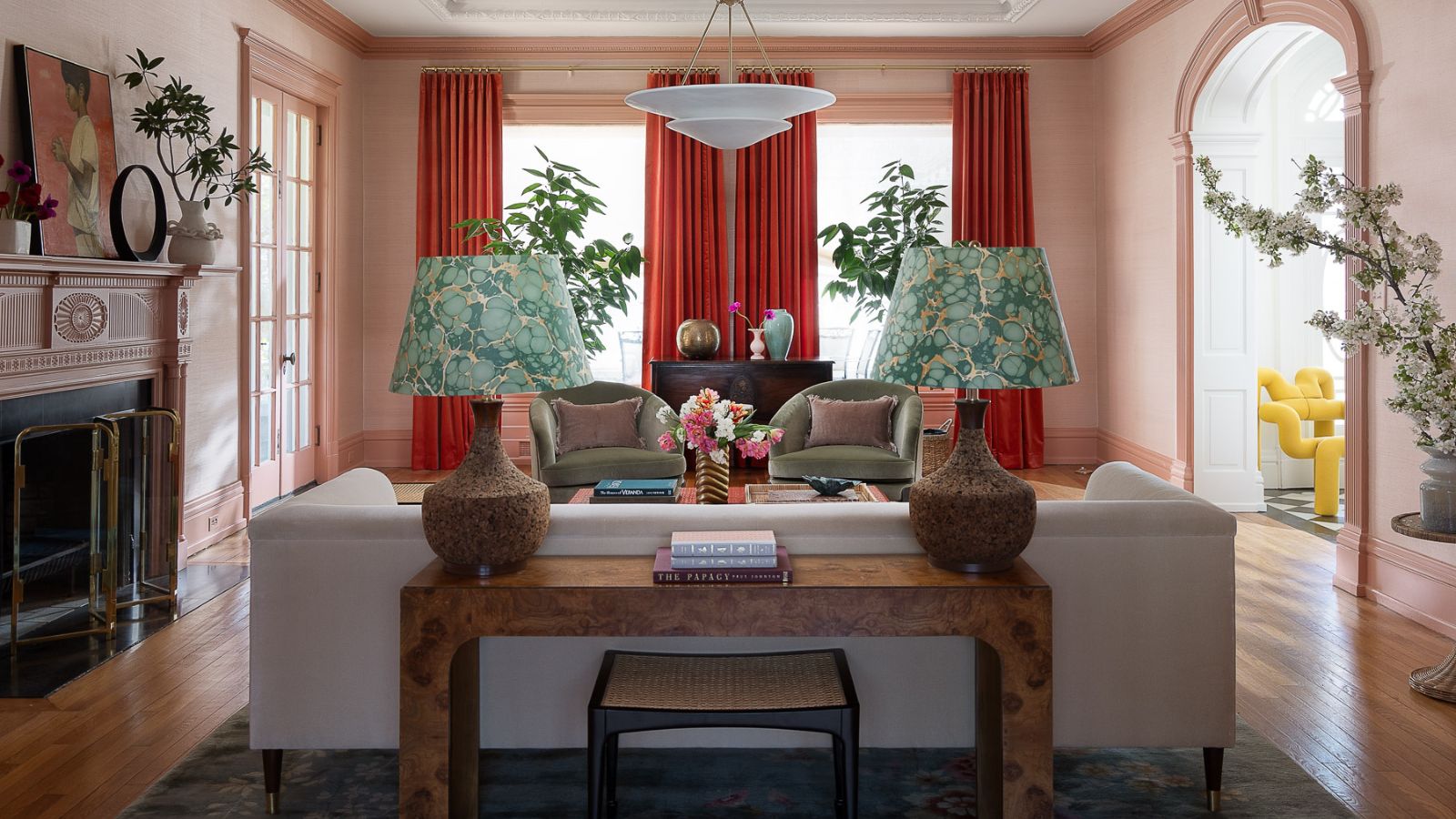
Floor-length curtains work wonders in formal dining rooms. They add a sense of elegance and grandeur that matches the room’s sophisticated atmosphere. You might want to pick rich fabrics like velvet or silk to enhance this look.
Make sure the curtains just skim the floor or puddle slightly for a dramatic effect. Avoid curtains that stop mid-calf or at the window sill—they can look unfinished in a formal setting. If you have a large dining table and chandelier, long curtains balance the height and size of the room beautifully.
Consider deep, classic colors or subtle patterns. This gives a timeless appeal and complements formal dining furniture. Would you be comfortable with a bold curtain color that contrasts the walls, or do you prefer something that blends smoothly?
Casual Dining Areas
Shorter curtains suit casual dining areas better. Curtains that end just below the window sill or at the windowsill keep the space light and airy. This length is practical if you use your dining area frequently and want easy access to windows.
Choose lighter fabrics like cotton or linen for a relaxed feel. Patterns like stripes, florals, or simple prints can add personality without overwhelming the space. This is a great spot to try playful colors or seasonal themes.
Think about how much natural light you want to keep in the room. Short curtains let in more light and make the room feel cheerful and welcoming. Do you want your dining area to feel cozy and intimate, or bright and lively?
Credit: www.homesandgardens.com
Frequently Asked Questions
How Long Should Dining Room Curtains Be?
Dining room curtains typically should just skim the floor. This length creates an elegant look without dragging. Ensure they are long enough to cover the window but not so long that they become a tripping hazard or collect dust.
Are Floor-length Curtains Suitable For Dining Rooms?
Yes, floor-length curtains are suitable and popular for dining rooms. They add a touch of sophistication and elegance. Ensure the curtains are not too long, so they lightly touch the floor. This helps in maintaining a neat and polished appearance.
What Is The Ideal Curtain Drop For Dining Rooms?
The ideal curtain drop for dining rooms is just above the floor. This prevents dust accumulation and maintains a tidy look. Measure from the curtain rod to the floor to get the correct drop. This ensures a perfect fit for your dining room curtains.
Should Dining Room Curtains Touch The Floor?
Dining room curtains should ideally touch or hover slightly above the floor. This style adds elegance and prevents dust gathering. Make sure the curtains are not excessively long. This keeps them from dragging and ensures a neat appearance.
Conclusion
Choosing the right curtain length changes your dining room’s look. Curtains should hang just above the floor or touch it lightly. This style feels neat and stylish. Avoid curtains that drag on the floor. They can collect dust and look messy.
Measure your window and space carefully before buying. Remember, curtains add warmth and comfort to your dining area. A good length makes the room feel cozy and complete. Think about your room’s style and size when deciding. Simple choices make a big difference in how your space feels.