
How Many People Can My Dining Room Table Fit? Have you ever wondered how many people your dining room table can comfortably fit? Whether you’re planning a family dinner, a holiday gathering, or a casual get-together with friends, knowing the right number of seats for your table can make all the difference.
You want everyone to feel cozy without being cramped, and you want your space to look inviting and well-organized. You’ll discover simple tips and easy-to-follow guidelines that help you figure out exactly how many guests your dining table can handle.
Keep reading to make your next meal a perfect experience for everyone around your table!

Credit: transformertable.com
Table Size And Shape
Choosing the right table size and shape is key to figuring out how many people your dining room table can fit comfortably. The table’s dimensions and layout directly influence seating capacity and the overall dining experience. Let’s look at common sizes and shapes to help you visualize what works best for your space.
Common Table Dimensions
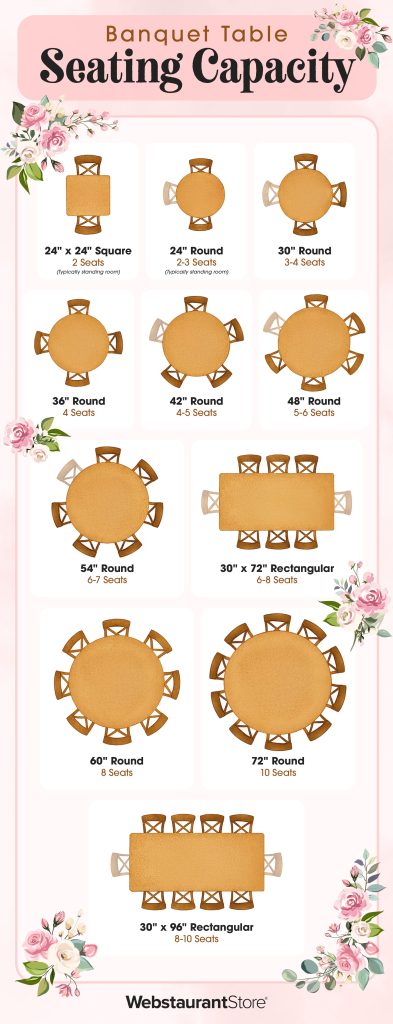
Dining tables come in standard sizes that affect how many guests you can invite. For example, a typical rectangular table is about 72 inches long and 36 inches wide, which usually seats six people comfortably.
| Table Shape | Length | Width | Seating Capacity |
|---|---|---|---|
| Rectangular | 60-96 inches | 36-42 inches | 4-8 people |
| Square | 36-60 inches | 36-60 inches | 4-8 people |
| Round | 36-60 inches (diameter) | – | 4-8 people |
| Oval | 60-96 inches | 36-42 inches | 6-8 people |
Keep in mind the width of the table. A wider table gives more elbow room but reduces the number of seats along the sides.
Square Vs Rectangular Tables
Square tables create a cozy, equal seating arrangement, making conversations easy for everyone. They work best in smaller rooms or square-shaped dining areas.
Rectangular tables are more versatile, fitting well in narrow rooms or larger dining spaces. You can add more chairs along the longer sides if you need to accommodate extra guests.
Think about your typical gatherings. Do you often host small, intimate dinners or larger groups? This can help you decide which shape suits your lifestyle better.
Round And Oval Options
Round tables encourage inclusivity since everyone faces each other equally, removing “head of the table” dynamics. They can fit in smaller spaces but seating is usually limited to fewer people.
Oval tables combine the benefits of rectangular and round shapes. They offer more length without sharp corners, making it easier to seat more guests while saving space.
Have you noticed how round tables make conversations flow naturally? This shape is ideal if you want to create a warm and welcoming atmosphere at your dining room.
Seating Capacity Basics
Understanding how many people your dining room table can fit starts with the basics of seating capacity. It’s not just about squeezing in as many chairs as possible but ensuring everyone has enough space to sit comfortably and enjoy the meal. Let’s break down the key factors that determine seating capacity so you can make the most of your dining space.
Standard Seat Width
The typical width allotted for each person at a dining table is about 24 inches. This measurement allows enough elbow room without feeling cramped. If your table is 72 inches long, for example, it comfortably fits three people on each side.
Think about your last dinner party—did anyone seem squeezed in? If yes, it might be because the seat width was less than the standard. Keeping this in mind helps you avoid awkward shoulder bumps and ensures a pleasant dining experience.
Allowing Space For Comfort
Space between chairs matters as much as seat width. Ideally, leave about 6 inches between chairs so guests can easily move and avoid bumping into each other. This also helps when people get up and sit down without disturbing their neighbors.
Remember, comfort affects how long people enjoy the meal. Crowding guests might cut the evening short. You want your table to invite lingering conversations, not rushed exits.
Impact Of Table Legs And Base
The design of your table legs or base can make a surprising difference in seating capacity. Wide pedestal bases or thick legs can limit where you place chairs, reducing usable space. On the other hand, slim legs or trestle-style bases give you more flexibility.
Have you noticed how some tables feel tight even with fewer chairs? The base might be the culprit. Choosing a table with a leg design that maximizes legroom can add extra seats without making the table larger.
Seating By Table Length
Understanding seating capacity by table length helps plan your dining space. Each table size fits a different number of people comfortably. Knowing this makes hosting easier and more pleasant.
4-foot Tables
Four-foot tables suit small spaces and cozy meals. They fit about four people comfortably. Two on each side or one on each side works well. Perfect for couples or small families.
6-foot Tables
Six-foot tables offer more room for guests. They typically seat six people, three on each side. This size fits most dining rooms nicely. Ideal for family dinners and small gatherings.
8-foot Tables And Larger
Eight-foot tables and bigger host larger groups easily. They can seat eight or more people. Four on each side is common for eight-foot tables. Larger tables may have seats at the ends too. Great for parties and celebrations.

Credit: swyfthome.com
Maximizing Seats With Benches
Maximizing seats at your dining table doesn’t have to mean squeezing in uncomfortable chairs or overcrowding the space. Benches offer a smart, flexible way to increase seating while keeping the area stylish and inviting. They adapt easily to different numbers of guests and can make your dining experience more communal.
Benefits Of Bench Seating
Benches can often seat more people than individual chairs because they don’t have armrests or bulky sides. This means you can fit more guests along one side of the table without feeling cramped.
They also create a casual and cozy vibe that encourages conversation and connection. Plus, benches can be tucked completely under the table when not in use, saving space in smaller rooms.
Bench Placement Tips
Place benches along the longer sides of your table to maximize seating capacity. If your table is rectangular, two benches on either side can double the number of seats compared to chairs alone.
Make sure to leave at least 12 inches of space between the bench and the table edge for comfortable legroom. Also, consider the height of the bench—ideally, it should be about 12 to 14 inches lower than your table to allow easy seating and movement.
Combining Chairs And Benches
Mixing benches with chairs at the ends of the table offers a balanced look and extra seating options. Chairs with backs provide individual comfort, while benches accommodate groups and can be more kid-friendly.
This combination also makes it easier for guests to slide in and out without disturbing others. Think about your typical guest count and how you use your space to decide the best mix for your dining room.
Adjusting For Different Chair Sizes
Adjusting the number of people your dining table can fit depends heavily on chair sizes. Different chairs take up different amounts of space. This affects how many chairs you can place around your table comfortably.
Choosing the right chair size helps maximize seating without crowding. Small differences in width and style change the seating capacity. Consider the chair type carefully to make the most of your dining area.
Standard Chairs
Standard dining chairs usually measure between 16 and 20 inches wide. These fit most tables well and allow easy movement. Placing chairs with about 24 inches of space between each seat creates comfort.
Tables designed for standard chairs often seat six to eight people. Keep at least 30 inches of table length per chair for a good fit. This spacing prevents elbows from bumping and keeps guests comfortable.
Armchairs And Larger Seats
Armchairs and chairs with bigger seats take up more room. They often measure over 22 inches wide. These chairs need more space between seats, usually around 28 inches.
Using larger chairs reduces the total number of seats around the table. But they add comfort and style. Consider this trade-off if you want a cozy dining experience.
Stackable And Folding Options
Stackable and folding chairs save space when not in use. They tend to be narrower, around 15 to 18 inches wide. This allows more chairs around the table during gatherings.
These chairs work well for flexible seating arrangements. Use them to increase capacity without sacrificing room when the table is empty. A smart choice for occasional extra guests.
Space Around The Table
Space around the dining table is key for comfort and ease. It affects how many people can sit and move freely. Proper spacing makes meals more enjoyable and prevents crowding. Consider how much room you need for chairs and walking paths.
Ideal Clearance For Movement
Allow at least 36 inches (3 feet) around the table for chairs and walking space. This clearance lets people pull out chairs and walk behind seated guests. For tighter spaces, a minimum of 24 inches may work but feels crowded. Keep pathways clear to avoid bumping into furniture.
Accommodating Wheelchairs
Wheelchair users need more space to move comfortably. Plan for at least 48 inches of clearance on one side of the table. This space allows easy access and turning room. Choose tables with enough legroom underneath for wheelchair users to sit close.
Balancing Room Size And Seating
Fit the table size to the room to avoid overcrowding. Large tables in small rooms make movement hard. Small tables in big rooms feel empty and limit guests. Measure your dining space before buying to balance seating and comfort.
Special Considerations
Special considerations can affect how many people your dining room table fits. These factors help you adjust seating for comfort and space.
Choosing the right options lets you host more guests without crowding. Think about flexibility and the setting.
Extending Tables
Extending tables offer extra space when needed. You can pull out leaves or panels to make the table longer.
This is perfect for occasional large gatherings. It keeps your dining room versatile and ready for guests.
Using Table Leaves
Table leaves add length by fitting into the table center. They slide in to increase seating capacity.
Leaves come in various sizes and shapes. Using them can turn a small table into a larger one quickly.
Store leaves carefully to avoid damage. They keep your table adaptable and practical for many occasions.
Outdoor Dining Seating
Outdoor dining needs special seating choices. Weather-resistant chairs and tables work best outside.
Consider space around the table for easy movement. Outdoor seating often allows more flexible arrangements.
Use benches or stackable chairs to save space. These options can increase seating without crowding the area.
Credit: www.kathykuohome.com
Frequently Asked Questions
How Do I Determine Table Seating Capacity?
To determine seating capacity, consider the table’s shape and size. A standard rectangular table can seat four to six people. For round tables, a 48-inch diameter typically fits four people comfortably. Always account for chair size and ensure enough elbow room for each person.
What Is The Best Table Shape For My Space?
The best table shape depends on your dining room’s size and layout. Rectangular tables fit well in long, narrow rooms. Round tables work best in smaller, square spaces. Consider an extendable table for flexibility. Evaluate your space and choose accordingly for optimal fit and comfort.
Can I Fit More People With A Bench?
Yes, benches can increase seating capacity by accommodating more people. They are ideal for rectangular tables and allow for flexible seating arrangements. Benches are space-efficient and create a casual dining atmosphere. Ensure enough room for easy access and comfortable seating.
How Much Space Per Person At The Table?
Each person requires about 24 inches of space for comfortable seating. This space ensures enough elbow room and easy access to the table. For formal dining, consider increasing to 30 inches per person. Proper spacing enhances comfort and dining experience.
Conclusion
Choosing the right dining table size helps everyone feel comfortable. Count the chairs you need and match them to your table. Remember, space around the table matters for easy movement. A well-sized table makes meals more enjoyable for all. Think about your room size and guest numbers before buying.
This way, every meal turns into a pleasant gathering. Simple planning leads to better seating for friends and family. Your dining room will feel welcoming and perfect for sharing meals.