
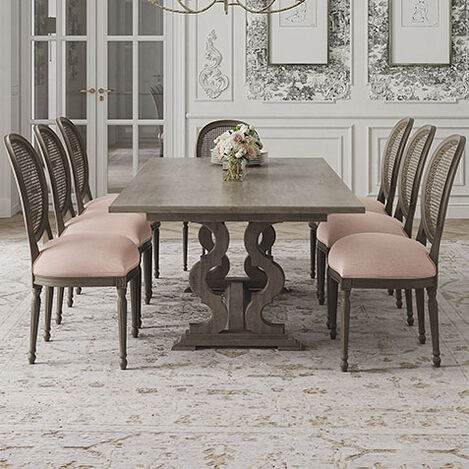
How Much is My Dining Room Table Worth. Are you wondering, “How much is my dining room table worth?” Whether you’re thinking about selling it, insuring it, or just curious, knowing its value can make a big difference.
Your dining table might be more valuable than you think, or maybe it’s time for a new appraisal. You’ll discover simple ways to find out the true worth of your table without any confusion. Keep reading, and by the end, you’ll feel confident about your dining room table’s value and what to do next.
Factors Influencing Table Value
Determining how much your dining room table is worth involves more than just glancing at its appearance. Several key factors come into play that affect its value. Understanding these can help you price your table accurately or decide if it’s worth holding onto.
Material Quality
The type of material your table is made from has a major impact on its value. Solid hardwoods like oak, walnut, or cherry tend to be more valuable than particleboard or laminate. You might have a table that looks good but is made from cheap materials, which lowers its worth.
Think about the wood grain, durability, and how the material has aged. Has it maintained its finish well, or is it showing signs of wear? Even rare wood types can add to the table’s value if they are properly preserved.
Craftsmanship And Design
Tables that show fine craftsmanship often hold higher value. Look closely at how the joints are made—dovetail joints or mortise and tenon indicate skilled work. Mass-produced tables usually don’t have these features, which can lessen their value.
Design also matters. Classic, timeless styles tend to be more sought-after than trendy pieces that may go out of fashion quickly. If your table has unique or intricate carvings, that could increase its worth significantly.
Age And Condition
Age can either add or reduce value depending on the table’s style and condition. Antique tables over 100 years old can be valuable if well-maintained. However, a worn-out table with scratches, water damage, or loose legs will decrease in value.
Ask yourself: Is the table still sturdy and functional? Are the original parts intact, or have they been replaced? These details can either boost or hurt your table’s market price.
Brand And Maker
Some brands or makers are more collectible than others. If your table comes from a well-known furniture maker or designer, it could be worth more. Look for labels, stamps, or signatures that identify the maker.
Even lesser-known local craftsmen can add value if their work is recognized for quality. Do a quick search on the maker’s reputation to see if collectors are interested. Sometimes, a brand name alone can increase the table’s price by hundreds or even thousands of dollars.
Identifying Table Style And Era
Knowing the style and era of your dining room table is key to understanding its worth. Each period and design tells a story that can add value or reveal hidden gems. Recognizing these details helps you place your table in the right market and attract the right buyers.
Common Styles And Their Appeal
Tables come in many styles, each with its own charm and collector base. You might spot a sleek Mid-Century Modern table with clean lines and tapered legs that appeals to fans of minimalist design. Or perhaps a rustic farmhouse table, known for its sturdy construction and cozy, lived-in feel.
Other popular styles include:
- Victorian:Ornate carvings and dark woods, perfect for those who love elegance.
- Art Deco:Bold geometric shapes and glossy finishes that catch the eye.
- Shaker:Simple, functional designs with minimal decoration, favored for timeless appeal.
Knowing these styles can help you spot features that increase your table’s value. Have you noticed any unique details on your table that might hint at its style?
Recognizing Antique And Vintage Pieces
Determining if your table is antique or vintage can dramatically affect its worth. Antiques are usually over 100 years old, while vintage pieces are typically between 20 and 100 years old. Small clues like joinery techniques, wood type, and hardware can help you identify the era.
Look for signs such as:
- Hand-cut dovetails:Indicate craftsmanship before machine-made joints became common.
- Wear and patina:Natural aging that shows the table’s history and authenticity.
- Labels or stamps:Maker’s marks can link your table to a specific time and place.
Have you checked underneath your table or inside drawers for these marks? Even a small detail can unlock big insights into your table’s past and value.
Assessing Market Demand
Assessing the market demand plays a key role in finding out how much your dining room table is worth. The value depends on what buyers want right now and where they are located. Market demand changes over time and varies by area. Understanding these factors helps set a fair price for your table.
Current Trends In Dining Furniture
Trends affect the value of dining tables a lot. Simple designs and natural wood finishes are popular now. Many buyers prefer tables that fit small spaces or have extendable features. Vintage and handcrafted pieces also attract attention. Tables made from sustainable materials often get higher prices.
Colors matter too. Neutral tones like white, gray, and beige remain in demand. Dark wood and bold colors appeal to certain buyers. Knowing these trends helps you understand what styles sell best today.
Regional Preferences And Impact
Location changes what buyers want in a dining table. Urban buyers may prefer modern, compact tables. Rural areas often favor larger, traditional styles. Coastal regions might look for casual, light-colored furniture.
Climate affects material choices. Humid areas may avoid wood that swells. Colder climates might favor sturdy, heavy tables. Local culture and lifestyle also guide preferences.
Prices reflect these differences. A table that sells well in one city may not in another. Checking local listings helps estimate your table’s value accurately.

Credit: ahdfurniture.com
Methods To Appraise Your Table
Figuring out the value of your dining room table can feel tricky. You want a method that fits your needs—whether you’re aiming to sell, insure, or simply satisfy your curiosity. Let’s look at practical ways you can find out what your table is worth.
Professional Appraisal Services
Hiring an expert appraiser can give you a clear and reliable estimate. Professionals know how to spot details that affect value, like the table’s material, craftsmanship, age, and condition.
Keep in mind, a professional appraisal often comes with a fee, but it’s usually worth it if you have a valuable or antique piece. Asking questions during the appraisal can also help you understand your table better.
Online Valuation Tools
Websites and apps now offer quick estimates based on the details you provide. These tools analyze current market trends and auction results to give you a rough value.
While online tools are convenient and free, their accuracy varies. They work best for standard or mass-produced tables rather than unique antiques.
Comparing Similar Listings
Check out online marketplaces and local listings to see what similar dining tables are selling for. Look closely at the size, material, brand, and condition to find good comparisons.
This approach helps you understand the going rate in your area and spot patterns. Have you noticed how prices shift with small differences like finish quality or hardware style?
Tips To Increase Table Value
Increasing the value of your dining room table doesn’t always mean expensive upgrades. Small but thoughtful actions can significantly boost its appeal and worth. Focus on simple, effective ways to bring out the best in your table before selling or appraising it.
Cleaning And Maintenance
Start with a thorough cleaning to remove dirt, grime, and old polish. Use a gentle wood cleaner or a mix of mild soap and water to avoid damage. Avoid soaking the wood; instead, use a soft cloth and dry immediately to prevent warping.
Regular maintenance keeps your table looking fresh and sturdy. Apply a quality furniture polish or wax to protect the surface and enhance its shine. This simple step can make your table look almost new, encouraging buyers to pay more.
Repairs And Restoration
Check for scratches, dents, or loose joints that lower your table’s value. Minor scratches can often be fixed with wood markers or fillers that match the table’s color. Tighten wobbly legs or joints with screws or wood glue to restore stability.
If your table has serious damage, consider professional restoration. Sometimes, investing in repairing veneer or refinishing can increase the resale price more than the cost of the work. Ask yourself: does fixing this issue make the table more attractive to buyers?
Enhancing Presentation For Sale
The way you present your table influences how much it’s worth. Set it in a clean, well-lit space for photos or viewings. Add simple accents like a vase or placemats to help buyers visualize the table in their home.
Take clear, detailed photos from multiple angles. Highlight unique features or craftsmanship to catch attention. A well-presented table shows you care about its quality, encouraging higher offers.

Credit: www.tasteofhome.com
Selling Strategies For Maximum Return
Selling a dining room table for the highest price takes planning and smart choices. Knowing where and when to sell can make a big difference. Skilled negotiation also helps get the best deal. This section covers key tips for selling your table with maximum profit.
Choosing The Right Selling Platform
Select platforms that suit your table’s style and price range. Local marketplaces work well for quick sales. Online auction sites may bring higher offers. Furniture consignment stores can attract serious buyers. Consider these points:
- Check fees and commissions before listing.
- Use clear photos to show condition.
- Write detailed descriptions to build trust.
Timing Your Sale
Season affects furniture sales. Demand rises during holidays and spring cleaning months. Avoid selling in winter when buyers slow down. Post your table during peak buying times to get more interest. Also, plan extra time for price negotiations.
Negotiation Techniques
Start with a fair but slightly higher price. Be ready to answer questions about the table’s age and quality. Listen carefully to buyers’ offers. Hold firm on your lowest acceptable price. Use polite language and stay patient to close the deal smoothly.

Credit: www.wakefit.co
Frequently Asked Questions
How Do I Assess My Dining Table’s Value?
Start by evaluating its condition, age, and brand. Research similar tables online for pricing. Consider materials, craftsmanship, and any unique features. If in doubt, consult an appraiser for a professional valuation.
What Factors Affect A Dining Table’s Worth?
The table’s age, material, brand, and condition influence its worth. Unique designs or historical significance can increase value. Market demand and trends also play a role in determining its price.
How Does The Material Impact Table Value?
High-quality materials like solid wood or marble increase value. Cheaper materials might lower it. Durability and aesthetic appeal of materials also influence a table’s worth significantly.
Are Antique Dining Tables Worth More?
Yes, antiques often have higher value due to rarity and craftsmanship. However, condition and provenance are crucial. Genuine antique tables usually attract collectors willing to pay premium prices.
Conclusion
Knowing your dining room table’s worth helps in making smart decisions. Factors like age, condition, and style affect its value. Checking similar tables online gives a good price idea. Professional appraisals add more accuracy to your estimate. Selling or keeping the table depends on its worth and your needs.
Take your time to research and compare prices. This way, you get the best value for your table. Simple steps lead to confident choices about your furniture’s price.