
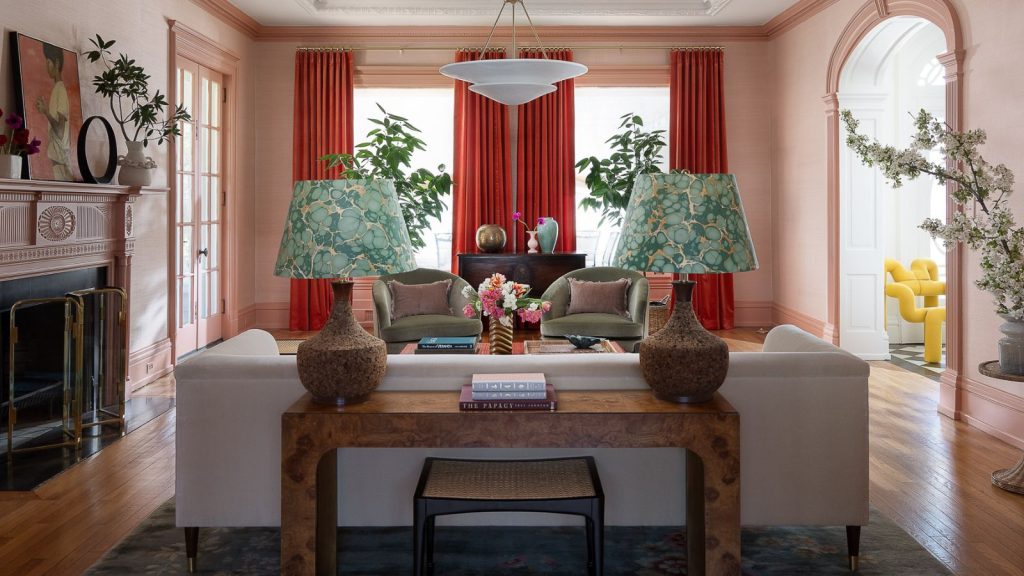
What Kind of Curtains Go in a Dining Room. Are you wondering what kind of curtains go in a dining room? Choosing the right curtains can completely change the feel of your space.
Whether you want a cozy, elegant, or modern look, the curtains you pick will set the mood for every meal and gathering. You’ll discover simple tips and ideas to help you find the perfect curtains that match your style and needs.
Keep reading, and you’ll soon know exactly how to make your dining room look inviting and beautiful.

Credit: twopagescurtains.com
Choosing Curtain Fabrics
Choosing the right fabric for your dining room curtains can change the entire mood of the space. The fabric affects not only the look but also how much light filters in and how easy the curtains are to clean. Think about your daily routine here—do you need curtains that block light during dinner or ones that brighten the room with soft sunlight?
Lightweight Vs Heavy Fabrics
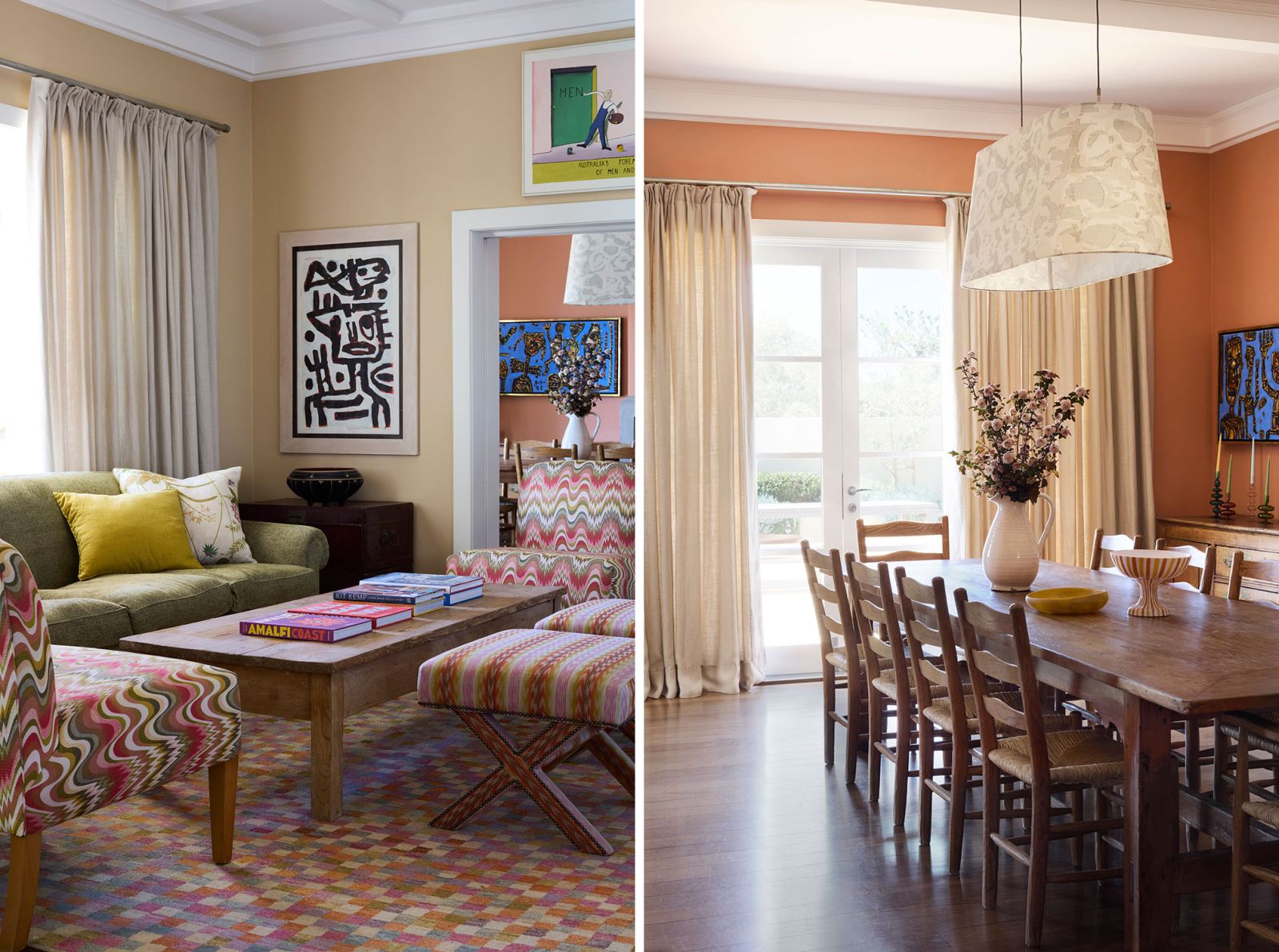
Lightweight fabrics like linen or sheer cotton create an airy feel, letting in natural light while offering some privacy. They work well if you want a casual, relaxed dining atmosphere or if your room faces north and needs more brightness.
Heavy fabrics such as velvet or thick polyester block light more effectively and add a cozy, formal vibe. These are great if your dining room gets a lot of sun or if you want to keep noise levels down during gatherings.
Natural Fibers
Natural fibers like cotton, linen, and silk bring a timeless elegance to your dining room. They breathe well, preventing your curtains from feeling stuffy, but they might require more care to keep them looking fresh.
If you love a natural look and don’t mind occasional maintenance, these fabrics add texture and warmth that synthetic ones often lack. Have you tried linen curtains that soften the light just enough to make every meal feel special?
Synthetic Options
Synthetics like polyester or microfiber offer durability and stain resistance, perfect for a dining room prone to spills. They’re usually easier to clean and hold their shape better over time.
These fabrics can mimic the look of natural fibers but come with less upkeep. If you have kids or host dinner parties often, synthetic curtains might save you time and stress without sacrificing style.

Credit: twopagescurtains.com
Colors And Patterns
Choosing the right colors and patterns for dining room curtains shapes the whole room’s mood. These elements can brighten the space or create a calm, cozy feel. Curtains set the tone and complement other decor in the dining area.
Think about the room’s style and lighting. Soft colors make rooms feel open and airy. Dark or bold shades add warmth and depth. Patterns bring personality and style without extra furniture.
Neutral Tones
Neutral tones like beige, gray, and cream fit almost any dining room style. They create a calm background that lets other decor shine. These colors make small rooms look bigger and bright rooms softer.
Neutral curtains are easy to match with table settings and wall colors. They work well with wood or metal furniture. Choose fabrics with texture to add interest without bold colors.
Bold And Vibrant Shades
Bold colors like deep red, navy blue, or emerald green add energy to dining spaces. These shades draw attention and make a strong style statement. Use them in rooms with simple walls and furniture.
Vibrant curtains create a cozy, inviting atmosphere for meals. They can highlight a color already in the room. Balance bold curtains with neutral table linens to avoid clashing.
Classic Patterns
Patterns like stripes, checks, or florals add charm to dining room curtains. They bring life and texture without overwhelming the space. Classic patterns fit both traditional and modern styles.
Small patterns keep the look subtle, while large prints make curtains a focal point. Mix patterns carefully with other textiles in the room. Patterns in soft colors keep the space elegant and fresh.
Curtain Styles For Dining Rooms
Choosing the right curtains for a dining room shapes the room’s mood and style. Curtains control light, add color, and create a cozy atmosphere. Different curtain styles suit various dining room designs and needs. Here are popular curtain styles that work well in dining spaces.
Sheer Curtains
Sheer curtains bring soft light into the dining room. They offer privacy without blocking the view. These curtains create an airy, light feeling that suits casual or modern dining areas. Sheers pair well with heavier drapes for layered looks.
Roman Shades
Roman shades provide a clean, tailored look. They fold neatly when raised and cover windows completely when lowered. These shades fit well in formal or contemporary dining rooms. They come in many fabrics and patterns, adding texture and style.
Floor-length Drapes
Floor-length drapes add elegance and drama to dining rooms. They make windows look taller and the room grander. Choose thick fabrics for a rich look or light fabrics for a softer feel. Drapes also help with sound absorption, making meals more pleasant.
Measuring And Installing Curtains
Measuring and installing curtains in your dining room can transform the space from ordinary to stunning. Getting the right measurements and mounting your curtains properly not only enhances the room’s look but also ensures functionality. Here’s how to make sure your curtains fit perfectly and hang beautifully.
Proper Curtain Length
Start by deciding how long your curtains should be. Curtains that just touch the floor create a clean, tailored look, while those that puddle slightly add a touch of drama and elegance.
Measure from the curtain rod down to your preferred length. Don’t forget to account for the curtain header and any rings or hooks you’ll be using. This way, your curtains won’t hang too short or drag excessively, which could look sloppy or cause wear.
Choosing Curtain Rods
Selecting the right curtain rod is as important as the curtains themselves. A sturdy rod that can hold the weight of your fabric prevents sagging and keeps the curtains looking crisp.
Think about the style too—sleek metal rods suit modern dining rooms, while wooden or decorative rods complement more traditional or rustic settings. Also, consider extending the rod beyond the window frame by 4 to 6 inches on each side to allow your curtains to fully open and let in maximum light.
Mounting Tips
Mount your curtain rod higher than the window frame to create an illusion of taller ceilings. Placing the rod about 4 to 6 inches above the window top often works well.
Use a level to ensure the rod is perfectly straight. Uneven curtains can distract from the overall look and feel of your dining room.
Lastly, secure the brackets firmly into wall studs or use proper anchors if you’re mounting on drywall. This prevents the rod from loosening over time, especially if your curtains are heavy.
Enhancing Ambiance With Curtains
Curtains do more than just frame your dining room windows—they set the entire mood of the space. Choosing the right curtains can transform your dining experience by balancing light, privacy, and texture. Let’s dive into how you can enhance your dining room’s ambiance with curtains that suit your style and needs.
Light Control
The amount of natural light in your dining room shapes the atmosphere during meals. Sheer curtains allow soft light to filter through, creating a bright and airy feel perfect for daytime gatherings. If you prefer cozy dinners without glare, consider layered curtains—sheers for daylight and heavier drapes for evenings.
Think about your dining schedule. Do you want to enjoy sunlight during breakfast or block it out for a romantic dinner? Adjusting your curtains lets you control the mood effortlessly.
Privacy Considerations
Your dining room often faces outdoor spaces or neighbors. Curtains can provide the privacy you need without sacrificing style. Lightweight fabrics offer a subtle shield, while thicker materials ensure total privacy during intimate dinners.
Ask yourself how visible your dining room is from outside. If privacy is a concern, curtains with blackout lining or thermal backing not only protect your space but also help with temperature control.
Adding Texture And Warmth
Texture in curtains can add depth and warmth to your dining room, making it feel inviting. Velvet or linen curtains bring tactile richness that complements wooden furniture and soft lighting. Even simple cotton curtains with subtle patterns can add a cozy touch.
I once switched from plain white curtains to a warm, textured fabric and noticed how much more comfortable and inviting the room felt. What texture could best match your dining room’s vibe?
Maintaining Dining Room Curtains
Maintaining dining room curtains is essential to keep them looking fresh and stylish over time. Regular care not only preserves their appearance but also extends their lifespan. Paying attention to cleaning, protecting from sunlight, and timely repairs will ensure your curtains remain a beautiful part of your dining space.
Cleaning Tips
Start by checking the care label on your curtains to know the recommended cleaning method. Most fabric curtains can be vacuumed gently using a brush attachment to remove dust and crumbs. For deeper cleaning, machine wash delicate fabrics on a gentle cycle or opt for professional dry cleaning if the material is heavy or lined.
Spot cleaning is a handy trick for small stains—dab with a mild detergent and water solution instead of scrubbing. Avoid harsh chemicals that can damage the fabric’s texture or color. Remember, frequent light cleaning prevents the buildup of dirt and keeps your curtains looking vibrant.
Preventing Fading
Sunlight can quickly fade curtains, especially in a bright dining room. Consider lining your curtains with UV-protective fabric to shield them from harsh rays. Another option is to use sheer curtains underneath heavier drapes to filter sunlight gently without blocking it out completely.
You might want to rotate your curtains occasionally if possible, so the same side isn’t always exposed to sunlight. Think about adding blinds or shades as a secondary barrier during peak sun hours. These small adjustments help retain your curtains’ original colors and patterns longer.
Repair And Replacement
Keep an eye out for loose threads, torn hems, or damaged hooks. Small repairs like sewing a ripped seam or replacing hooks can save you money and keep your curtains hanging properly. If the fabric becomes too worn or stained, it’s better to replace the curtains to maintain the room’s overall look.
Sometimes, updating your dining room curtains with a fresh style can breathe new life into the space. Don’t hesitate to mix patterns or textures when replacing old curtains to match changing decor preferences. How often do you check your curtains for damage? A quick inspection every few months can prevent bigger issues down the road.
Credit: www.nochintz.com
Frequently Asked Questions
What Type Of Curtains Suit A Dining Room?
For dining rooms, opt for elegant fabrics like silk or velvet. These materials add a touch of luxury. Sheer curtains can also be a great choice. They allow natural light while maintaining privacy. Choose colors that complement your dining room’s decor for a cohesive look.
Are Blackout Curtains Good For Dining Rooms?
Blackout curtains are ideal if you want to control light. They help create an intimate dining atmosphere. These curtains also block external noise, enhancing the dining experience. Choose them if your dining room faces a busy street or if you prefer cozy settings.
How Can I Make My Dining Room Look Bigger With Curtains?
To make your dining room appear larger, use light-colored curtains. Hang them close to the ceiling. This creates an illusion of height. Ensure the curtains slightly puddle on the floor. This adds elegance and expands the visual space, making your room appear more spacious.
What Curtain Styles Are Popular For Dining Rooms?
Popular curtain styles for dining rooms include pleated, grommet, and rod pocket. Pleated curtains offer a formal look, while grommets are more modern. Rod pocket curtains provide a casual vibe. Choose a style that complements your dining room’s design and personal taste.
Conclusion
Choosing the right curtains can change your dining room’s mood. Light fabrics make the space feel bright and open. Darker curtains add warmth and a cozy touch. Patterns can bring life but keep them simple. Think about privacy and how much light you want.
Curtains should match your style and furniture. The perfect curtains make meals and gatherings more special. Take time to pick what fits your room best. Your dining room deserves curtains that make it feel like home.