
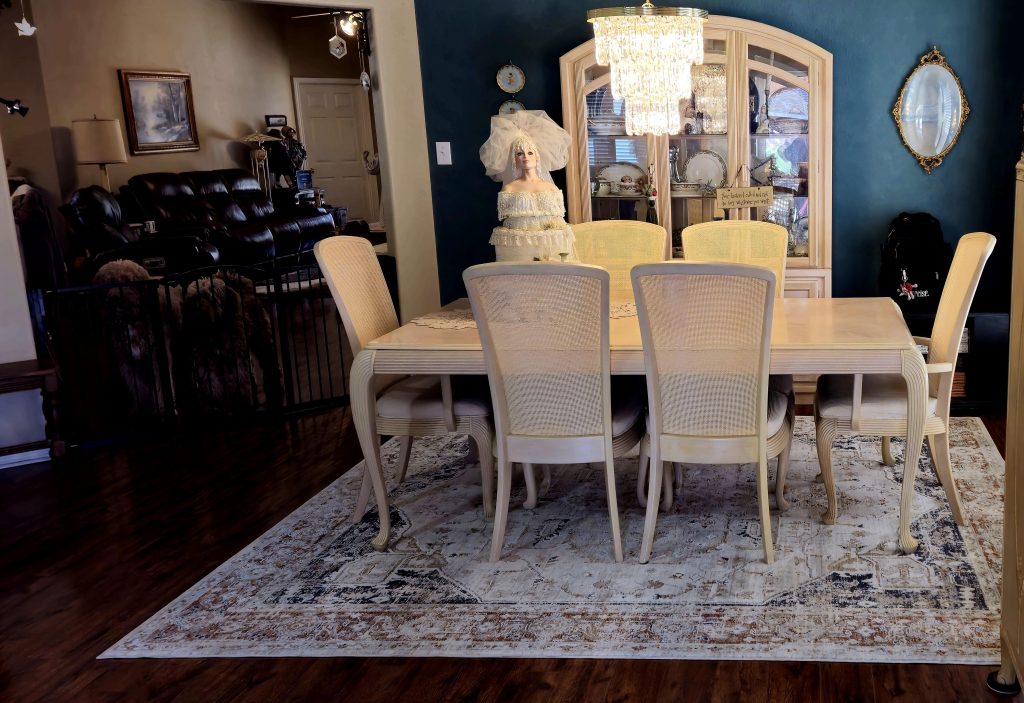
Do People Put Rugs under Dining Room Tables? Have you ever wondered if placing a rug under your dining room table is a good idea? You might think it’s just about looks, but there’s more to it than that.
Choosing the right rug can change the whole feel of your dining space. It can add warmth, protect your floors, and even make cleaning easier. But is it practical? Will it fit your style? Keep reading to find out why many people choose rugs under their dining tables—and how you can decide if it’s the right choice for your home.
Benefits Of Rugs In Dining Rooms
Adding a rug under your dining room table does more than just fill space. It brings a range of benefits that can transform your dining area into a more inviting and functional space. Let’s look at how rugs can enhance your room, protect your floors, and clearly define your dining zone.
Enhancing Room Aesthetics
A rug can instantly boost the look of your dining room by adding texture, color, and pattern. It creates a cozy atmosphere that makes meals feel more special and inviting.
Think about a neutral room—placing a vibrant rug beneath the table can become a stunning focal point that ties the entire space together. Have you ever noticed how a well-chosen rug can brighten a room without overwhelming it?
Protecting Flooring
Dining areas are prone to spills, dropped utensils, and heavy chair movement. A rug acts as a protective barrier, preventing scratches and stains on your hardwood or tile floors.
From personal experience, a durable rug saved my floor from countless scratches caused by chair legs. Choosing a stain-resistant rug can make cleanup easier and extend the life of your flooring.
Defining The Dining Space
A rug helps to clearly mark the dining area, especially in open-plan homes. It visually separates the dining zone from the living or kitchen spaces, giving your room a more organized feel.
This is particularly useful if you want to create a sense of intimacy during meals. Have you tried moving your dining table onto a rug and noticed how it changes the dynamics of the space?

Credit: www.reddit.com
Choosing The Right Rug Size
Choosing the right rug size for your dining room is more important than you might think. The wrong size can make your space feel cramped or unbalanced. A well-sized rug not only enhances the look of your dining area but also protects your floor and adds comfort.
Measuring Your Dining Area
Start by measuring the entire dining area, not just the table. Take note of the space around the table where chairs will be pulled out. This gives you a clear idea of the minimum rug dimensions you should consider.
Don’t guess—use a tape measure to get exact numbers. This simple step saves you from buying a rug that’s too small or too large for your space.
Allowing Chair Movement
Think about how much room your chairs need when pushed back. Your rug should extend beyond the table edges by at least 24 inches on all sides. This allows chairs to move freely without slipping off the rug or scratching your floor.
Have you ever had a chair catch on the edge of a rug? Avoid that hassle by giving your chairs enough rug space to move comfortably.
Common Size Recommendations
| Table Size | Recommended Rug Size |
|---|---|
| 4-Seater (36″ x 48″) | 6′ x 9′ or 8′ x 10′ |
| 6-Seater (36″ x 72″) | 8′ x 10′ |
| 8-Seater (48″ x 96″) | 9′ x 12′ |
These sizes are good starting points, but always adjust based on your room layout. If your dining room is narrow, a runner rug might work better than a large rectangular one.
Are you ready to measure and choose a rug that fits your dining space perfectly? A well-chosen rug can change the whole vibe of your meals and gatherings.
Best Rug Materials For Dining Areas
Choosing the right rug material for your dining area can make a big difference in both style and functionality. The best rug materials balance durability, ease of cleaning, and comfort to create a welcoming space where meals and memories happen. Let’s look at what materials work best for dining rooms and why.
Durability And Stain Resistance
Your dining rug needs to handle spills, dropped utensils, and heavy foot traffic without losing its charm. Materials like wool and synthetic fibers such as nylon or polypropylene stand out here. Wool is naturally tough and hides stains well, while synthetics resist moisture and stains even better.
Have you noticed how some rugs look tired after just a few months? Picking a durable, stain-resistant material saves you from that frustration. It means your rug will keep looking fresh, no matter how lively your dining gatherings get.
Easy-to-clean Options
Cleaning spills quickly is crucial in a dining area. Rugs made from synthetic fibers often offer machine-washable or spot-clean-friendly options. Materials like polypropylene resist water and stains, making them a practical choice if you want to avoid constant professional cleaning.
Consider rugs with low pile or flatweave designs. They don’t trap crumbs and dirt as much, which means less sweeping and vacuuming. Wouldn’t it be great if your rug made cleanup after dinner a breeze?
Comfort Underfoot
Dining time can last longer than you expect, so comfort matters. Wool rugs provide a soft, warm feel that invites you to linger at the table. Even some synthetic rugs mimic that plushness while being easier to maintain.
Think about how it feels to stand or sit on your rug during meals. A comfortable rug encourages family and friends to stay longer, turning an ordinary dinner into a cozy gathering. What kind of comfort do you want underfoot when sharing your next meal?
Styling Tips For Rugs Under Dining Tables
Choosing the right rug for under your dining table can change the whole vibe of your space. It’s not just about protection from scratches or spills; a well-styled rug adds warmth and personality to your dining area. Let’s look at some practical ways to pick and style rugs that make your dining room inviting and stylish.
Color And Pattern Choices
Think about the colors already in your dining room before picking a rug. Do you want the rug to blend in or stand out as a statement piece? If your furniture is neutral, a rug with bold patterns or bright colors can add life. If your room already has many colors, a solid or subtle patterned rug can balance the look.
Don’t shy away from patterns that hide stains—this is especially useful in dining areas. Geometric shapes, floral designs, or traditional motifs work well. Have you ever noticed how a patterned rug can hide crumbs better than a plain one?
Matching With Furniture
Your rug should complement your dining table and chairs, not compete with them. Match the style of the rug with the furniture style. For example, a sleek modern table pairs nicely with a simple, low-pile rug, while a rustic wooden table looks great on a textured, woven rug.
Size matters too. Make sure your rug is large enough so chairs stay on the rug even when pulled out. This keeps the look tidy and prevents tripping. What’s the size of your dining table? Add at least 24 inches to each side for rug length and width.
Layering Rugs For Texture
Layering rugs can add depth and texture to your dining room. You can place a neutral jute or sisal rug underneath a more colorful or patterned rug to create a stylish base. This combo adds interest without overwhelming the space.
Try mixing materials like a soft wool rug on top of a natural fiber rug. This technique also protects your floor while giving your room a cozy feel. Have you ever felt how layering rugs changes the whole atmosphere of a room? It’s a simple trick that works wonders.
Maintenance And Cleaning Tips
Keeping a rug under your dining table clean is essential for a fresh and inviting space. Regular care protects the rug’s fibers and maintains its appearance. Simple steps can prevent dirt build-up and stains.
Regular Vacuuming
Vacuum the rug often to remove crumbs and dust. Use a vacuum cleaner with a brush attachment for gentle cleaning. Move the vacuum slowly to catch all debris. Avoid vacuuming the fringe to prevent damage. This routine helps maintain the rug’s color and texture.
Spot Cleaning Techniques
Act quickly on spills to avoid permanent stains. Blot the spill with a clean cloth or paper towel. Use mild soap mixed with water for cleaning spots. Test the solution on a small rug area first. Avoid rubbing the stain as it spreads dirt. Repeat blotting until the stain fades.
Professional Cleaning Advice
Hire professionals for deep cleaning once or twice a year. They use safe methods to clean without harming the rug. Professional cleaning removes deep dirt and allergens. It also refreshes the rug’s fibers and colors. Discuss the rug material with the cleaner for the best care.

Credit: rugs.ie
Common Mistakes To Avoid
Choosing the right rug for under your dining table can transform your space, but many people make mistakes that take away from both style and function. Avoiding these common pitfalls will help you enjoy a beautiful, comfortable dining area without unnecessary hassle or damage.
Choosing Rugs That Are Too Small
A rug that’s too small can look awkward and cause chairs to catch on the edges when pulled out. You want your rug to extend at least 24 inches beyond each side of the table. This allows chairs to move freely without slipping off the rug, preventing wear and tear on your flooring.
Think about the size of your dining set and how much space people need when sitting. Don’t guess—measure carefully before buying. A well-sized rug creates balance and keeps your dining room feeling open and inviting.
Ignoring Rug Pads
Skipping a rug pad is a common mistake that can lead to slipping, bunching, and quicker rug wear. A good rug pad adds cushioning, keeps the rug in place, and protects your floor from scratches. It also extends the life of your rug by absorbing the impact of chairs moving back and forth.
If you’ve ever tripped over a sliding rug or struggled to keep it flat, a pad is your solution. Investing in a quality rug pad is a small step that makes a big difference in safety and comfort.
Overlooking Rug Placement
Where you place your rug matters just as much as the size. Center your rug carefully under the dining table, making sure it’s aligned with both the table and the room. Misplaced rugs can make the room feel off-balance and disrupt the flow of traffic.
Consider the shape of your room and furniture layout before deciding on rug placement. Ask yourself: Does this position allow easy movement around the table? Does it highlight the dining area as a focal point? Proper placement enhances both look and function.
Alternatives To Rugs Under Dining Tables
Rugs under dining tables are common, but not the only choice. Some prefer alternatives that offer style and practicality. These options can protect floors and add charm without using full rugs. Explore different ideas that work well for dining areas.
Using Runners
Runners are long, narrow rugs placed under the table. They cover only the center strip of the floor. This option allows chairs to move freely without catching on edges. Runners add color and texture without overwhelming the room. They are easier to clean and can be swapped often for variety.
Hard Surface Options
Hard surfaces like wood, tile, or stone floors offer a sleek look. These floors are simple to maintain and do not trap crumbs. Protect floors with clear mats or floor protectors under chair legs. This keeps surfaces scratch-free and extends floor life. Hard surfaces suit modern and minimalist dining spaces.
No Rug Choices
Some choose not to use rugs at all. This creates an open, airy feel in the dining room. Easy cleaning and less fuss appeal to busy households. Focus on other decor elements like lighting, wall art, or table settings. Stylish chairs and a beautiful table can stand alone without a rug.

Credit: the-rugs.com
Frequently Asked Questions
Why Use A Rug Under A Dining Table?
Using a rug under a dining table can enhance the room’s aesthetics. It adds texture, color, and warmth. Rugs also help define the dining area, making it feel more intimate. Additionally, they protect your floor from scratches and stains, ensuring your dining space remains pristine and inviting.
What Size Rug Fits Under A Dining Table?
Choose a rug that extends at least 24 inches beyond the table’s edges. This allows chairs to remain on the rug when pulled out. For a standard dining table, an 8×10 or 9×12 rug is ideal. Always measure your space and table to ensure the perfect fit.
Are There Benefits To Placing Rugs Under Tables?
Yes, placing rugs under tables offers numerous benefits. Rugs protect flooring from damage, reduce noise, and add warmth. They also enhance the room’s aesthetic appeal by introducing color and texture. Furthermore, rugs define spaces, creating a cohesive and inviting dining area.
How To Maintain A Dining Room Rug?
Maintaining a dining room rug involves regular vacuuming to remove dirt and debris. Promptly clean spills to prevent stains. Rotate the rug every few months to ensure even wear. Consider professional cleaning annually to maintain its appearance and prolong its lifespan.
Conclusion
Rugs under dining tables add comfort and style. They protect floors from scratches and spills. Rugs also help reduce noise during meals. Choosing the right size keeps chairs on the rug. Colors and patterns can brighten the dining space. Many people enjoy the cozy feeling rugs bring.
A rug can make your dining room feel complete. Consider your needs and room size before deciding. Rugs can be both practical and beautiful additions. Think about how a rug fits your lifestyle.