
How Far Should Lights Be from the Dining Room Table. Have you ever wondered why your dining room lighting feels either too harsh or too dim? The distance between your lights and dining table can make all the difference in creating the perfect atmosphere.
Getting this right not only brightens your meals but also sets the mood for every gathering. You’ll discover exactly how far your lights should hang to make your dining space both functional and inviting. Keep reading to transform your dining experience with the perfect lighting setup.
Credit: skapetze.com
Ideal Height For Dining Room Lights
Finding the ideal height for your dining room lights can completely change the atmosphere and functionality of your space. The right placement ensures your table is well-lit without causing glare or blocking views. Let’s look at practical ways to get that perfect balance.
Standard Measurements
Most designers recommend hanging pendant or chandelier lights about 30 to 36 inches above the dining table. This range provides enough light coverage while keeping the fixture from feeling too low or overwhelming the space. If you have a standard 8-foot ceiling, this height usually works well.
Think about your last dining experience where the light was either too bright or too dim. Adjusting the height within this standard range can fix those issues quickly.
Adjusting For Ceiling Height
If your ceilings are higher than average, you’ll want to raise the light fixture accordingly. A simple rule is to add about 3 inches of hanging height for every extra foot of ceiling height above 8 feet.
For example, if your ceiling is 10 feet tall, aim for a light height around 36 to 42 inches above the table. This prevents the fixture from getting lost in the space and keeps the room feeling cozy.
Considering Table Size
The size of your dining table also matters when deciding light height. Larger tables may benefit from multiple smaller fixtures or a bigger chandelier hung slightly higher to distribute light evenly.
For smaller tables, keep the fixture lower to create intimacy and focus light where you need it most. You can even adjust the height a few inches up or down until you find the sweet spot for your specific setting.
Types Of Dining Room Lighting
Choosing the right type of lighting for your dining room affects both style and function. Different lights create different moods and serve various purposes. Understanding the common types helps you pick the best fit for your space. Each lighting option has unique features and ideal placements above the dining table.
Pendant Lights
Pendant lights hang from the ceiling and focus light downwards. They come in many shapes and sizes, perfect for task lighting. Pendants create a cozy, intimate atmosphere. They work well alone or in groups above long tables.
Chandeliers
Chandeliers offer a classic, elegant look. They spread light widely and add a decorative touch. Chandeliers suit formal dining rooms and larger tables. Choose a size that balances the table and room size.
Recessed Lighting
Recessed lights fit flush with the ceiling for a clean look. They provide even, ambient lighting without drawing attention. Use multiple recessed lights to cover the whole dining area. Combine with other lighting types for layered effects.
Track Lighting
Track lighting features adjustable heads on a single track. It allows you to direct light exactly where needed. Track lights offer flexibility for changing dining room setups. They fit modern and minimalist room designs well.
Lighting Placement Tips
Proper lighting placement can completely change how your dining room feels and functions. It’s not just about brightness but also about how the light interacts with your space and the people around the table. Getting the distance and position right ensures comfort, style, and the perfect atmosphere for every meal.
Centering Over The Table
Place your light fixture directly above the center of your dining table to ensure even illumination. This avoids awkward shadows and keeps the focus right where it belongs—on your dining experience. You can easily find the center by measuring the table’s length and width, then marking the midpoint for the fixture.
Think about how you use your table. If it’s a spot for family dinners, center the light to cover everyone equally. If you often have a centerpiece or decorative items, centering the light enhances their visual appeal.
Spacing For Multiple Fixtures
If your table is long or you prefer several smaller lights instead of one big fixture, spacing becomes crucial. Aim for about 12 to 18 inches between each light to maintain balance and avoid dark spots. Too close and your lights might feel cluttered; too far apart and parts of the table could stay dim.
Adjust spacing based on fixture size and style. Slim, pendant-style lights can be spaced closer than larger, more ornate chandeliers. Don’t forget to consider ceiling height—lower ceilings might require tighter spacing to avoid overwhelming the room.
Balancing Light And Ambiance
Too bright can feel harsh; too dim can make it hard to see your food or guests. Use dimmer switches to give yourself control over the room’s mood. This flexibility lets you brighten the table for meals and soften the glow for relaxed conversations afterward.
Layer your lighting by adding wall sconces or candles to complement the main fixture. This creates depth and warmth, making your dining area inviting without relying on a single light source. What’s your ideal dining atmosphere—bright and lively or soft and cozy?

Credit: www.youtube.com
Effects Of Light Distance On Atmosphere
The distance between your dining room light and the table plays a crucial role in shaping the room’s atmosphere. It affects comfort, mood, and even how your meals look. Getting this distance right can turn a simple dinner into a memorable experience.
Creating Cozy Settings
Lower hanging lights bring warmth and intimacy to your dining space. When the light is close enough to the table, it creates a soft glow that invites conversation and relaxation.
Too high, and the room feels cold and impersonal. Think about your last dinner party—did you feel drawn together by the lighting or scattered by harsh brightness?
Avoiding Glare
Glare can ruin the dining experience quickly, making it uncomfortable to look around or even see your food clearly. Keeping the light at the right distance helps you avoid harsh reflections on plates or glasses.
Try adjusting the height so the light bulb or fixture doesn’t shine directly into your eyes. This simple change reduces eye strain and keeps the focus on the meal and company.
Enhancing Visual Appeal
The perfect light distance enhances colors and textures on your table, making food look more appetizing. Shadows and highlights add depth, making the whole scene more inviting.
Experiment with different distances to see how your favorite dishes appear under various lighting conditions. Have you noticed how a slight change in height can transform the look of a salad or dessert?
Adjusting Lights For Different Table Shapes
Lighting plays a key role in enhancing the dining experience. The shape of your dining table affects how light spreads. Adjusting the height and type of lighting creates a balanced and inviting space. Each table shape needs a unique lighting approach to look its best.
Rectangular Tables
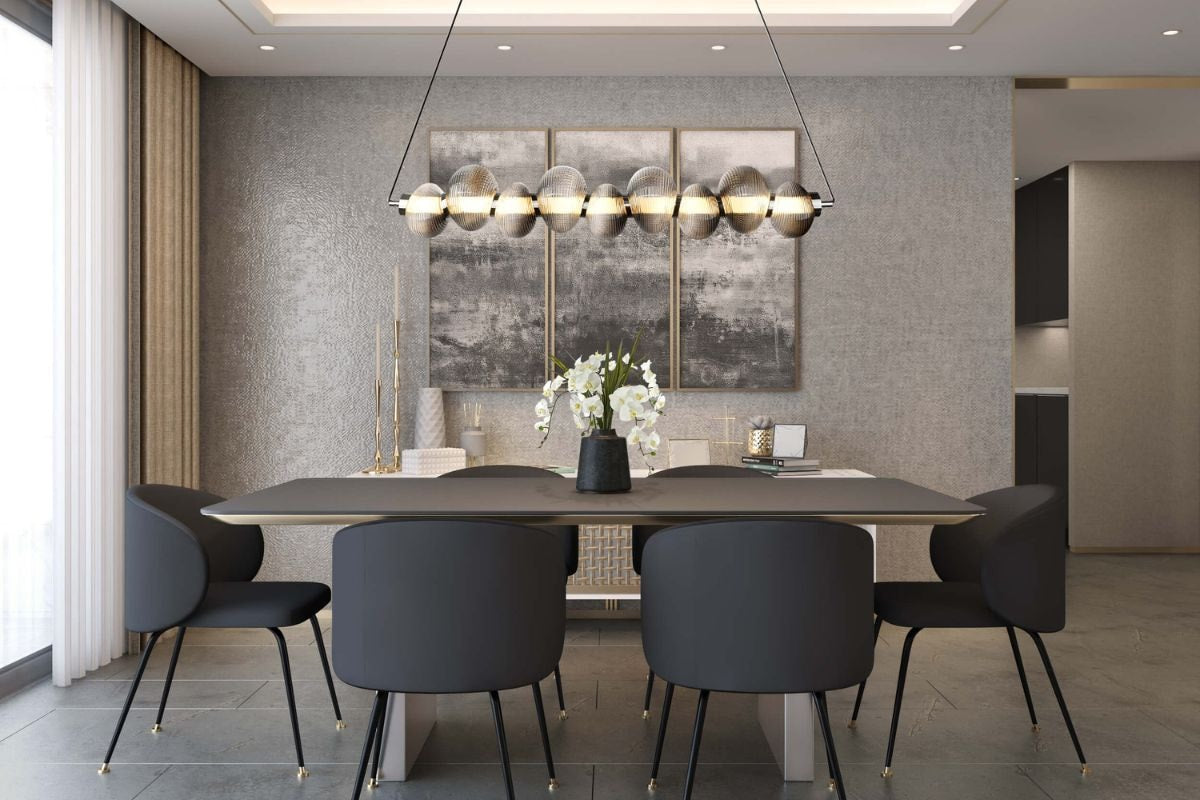
Rectangular tables benefit from linear lighting fixtures. A long, narrow chandelier works well. Position the light fixture centered above the table. Keep the light about 30 to 36 inches above the table surface. This height prevents glare and lights the entire table evenly. For larger tables, consider two smaller fixtures spaced evenly.
Round Tables
Round tables look great with a single, round pendant light. Center the fixture over the table’s middle. Hang it 28 to 34 inches above the surface. This creates a cozy and focused light. Choose a fixture size that matches the table diameter. Smaller tables need smaller fixtures to avoid overpowering the space.
Oval And Square Tables
Oval tables combine features of rectangular and round shapes. Use an elongated light fixture but softer edges. Center it carefully for even light spread. Keep the light height between 30 and 36 inches. Square tables suit square or geometric fixtures. Center the light and maintain the same height range. This approach balances the shapes and provides good illumination.
Energy Efficiency And Bulb Choices
Choosing the right lighting for your dining room is not just about style and placement; it significantly affects your energy bills and the ambiance you create. Selecting energy-efficient bulbs can reduce electricity costs and extend the life of your fixtures. Understanding the differences between bulb types, dimmable features, and color temperature helps you make smarter decisions that enhance both comfort and savings.
Led Vs. Incandescent
LED bulbs use up to 80% less energy than incandescent bulbs, making them a much better choice for your dining room lighting. They last significantly longer—often 15,000 to 25,000 hours—so you replace them less frequently. Although LEDs may have a higher upfront cost, their efficiency and durability save you money over time.
Incandescent bulbs, while cheaper initially, waste a lot of energy as heat and burn out quickly. If you want bright, warm light without constant replacements, LEDs are the clear winner. Have you ever noticed how quickly your incandescent bulbs burn out during dinner parties? That’s energy and money slipping away.
Dimmable Options
Dimmable LED bulbs allow you to adjust the lighting intensity to match the mood or occasion. This flexibility is perfect for dining rooms where you might want bright light for a family meal but softer lighting for romantic dinners. Using dimmers can also extend bulb life and further reduce energy consumption.
Not all LEDs are dimmable, so check the packaging before buying. Pairing dimmable LEDs with a compatible dimmer switch gives you control over brightness and energy use. Have you tried dimming your dining lights to see how it transforms the room’s atmosphere?
Color Temperature Impact
Color temperature affects how the light feels in your dining space. Warm white light (2700K-3000K) creates a cozy and inviting atmosphere, while cooler light (3500K-4100K) offers a brighter, more energizing environment. Choosing the right color temperature can enhance the dining experience and even influence appetite and conversation.
Think about the mood you want to set. Are you aiming for a casual family dinner or a formal gathering? Warmer tones usually work best for dining rooms, but cooler light might suit modern, minimalist designs. Have you noticed how different light colors change the look of your food and surroundings?
Safety Considerations
Safety should be your top priority when deciding how far lights should hang from your dining room table. Beyond aesthetics, proper distance and installation can prevent accidents and protect your home from damage. Let’s look at key safety factors you need to consider to keep your dining space both beautiful and secure.
Clearance From Heat Sources
Lights, especially those with incandescent or halogen bulbs, can get hot. Placing them too close to flammable materials or heat-sensitive surfaces near your dining table can be risky. Maintain at least 12-18 inches of clearance from heat sources like candles, decorative flames, or even certain kitchen appliances nearby.
Think about how the heat might affect your table’s finish or your decorative items. Have you noticed discoloration or warping on wood surfaces near lights? That’s a sign your lighting might be too close and needs adjustment.
Preventing Accidental Contact
How often do you find yourself reaching across the table or standing up quickly? Hanging lights too low can lead to bumping heads or knocking fixtures. Aim for a height that’s out of the way but still provides ample light, usually 28-34 inches above the table surface.
Consider the size and shape of your light fixture. Large or wide fixtures may need to be higher to avoid accidental contact. You want your guests to focus on the meal, not on dodging a low-hanging lamp.
Proper Installation
Secure installation is crucial for safety and durability. Lights should be anchored firmly to ceiling joists or use appropriate mounting hardware rated for the fixture’s weight. Loose or improperly installed lights can fall and cause injury or damage.
Don’t overlook electrical safety. Make sure wiring is done by a professional or follows local codes to prevent fire hazards. Have you checked your dining room light’s stability recently? A quick inspection can save you from future problems.
Credit: lightscanada.ca
Frequently Asked Questions
How High Should Dining Room Lights Hang?
Dining room lights should typically hang 30 to 36 inches above the table. This height provides optimal illumination and avoids glare. It also allows for clear visibility and maintains the room’s aesthetic appeal. Adjustments may be necessary based on ceiling height or specific lighting needs.
What Type Of Lighting Is Best For Dining Tables?
Pendant lights or chandeliers are ideal for dining tables. These fixtures provide focused illumination and create an elegant ambiance. They can be dimmed for versatility, enhancing dining experiences. Choose fixtures that complement the table’s style and room decor for a cohesive look.
Can I Use Multiple Lights Over The Dining Table?
Yes, multiple lights can enhance dining room aesthetics and illumination. Use fixtures that complement each other for a balanced look. Position them evenly for uniform light distribution. This approach is ideal for long tables, ensuring all areas are well-lit and inviting.
How Do I Choose The Right Light Fixture Size?
Choose a fixture that is one-third to two-thirds the table’s width. This ensures proper proportion and balance in the dining room. Consider the room’s dimensions and ceiling height for the best fit. A well-sized fixture enhances the room’s design and functionality.
Conclusion
Choosing the right distance for lights above your dining table matters a lot. Too high, and the light feels weak; too low, it can be harsh. Aim for about 28 to 34 inches from the table surface. This height gives good light without glare or shadows.
Also, consider the size and style of your light fixture. Proper lighting creates a warm and inviting dining space. Bright enough to see, soft enough to enjoy. Simple adjustments can make your meals feel cozy and special.