
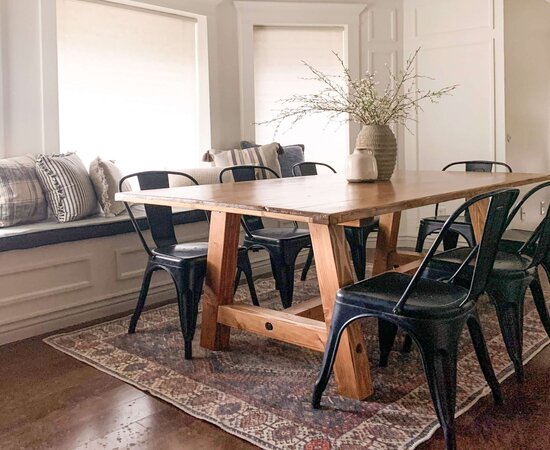
How to Build a Nice Dining Room Table. Are you ready to create a dining room table that becomes the heart of your home? Building your own table lets you add a personal touch that store-bought furniture just can’t match.
Imagine gathering around a beautiful, sturdy table that you made with your own hands—perfect for family dinners, celebrations, and everyday moments. In this guide, you’ll discover simple steps and expert tips to help you build a nice dining room table, even if you’re new to woodworking.
Keep reading, and soon you’ll have a unique piece that brings warmth and style to your space.
Choosing The Right Wood
Choosing the right wood is key to building a durable and beautiful dining room table. Wood type affects the table’s strength, look, and how it ages over time. Select wood that fits your style and budget. Good wood improves the table’s lifespan and feel.
Popular Wood Types
- Oak:Strong and heavy. Has a classic grain pattern and resists wear.
- Maple:Hard and smooth. Light color and great for modern styles.
- Cherry:Rich red tone. Darkens with age and adds warmth.
- Walnut:Dark and elegant. Fine grain and very durable.
- Pine:Soft and light. Affordable and easy to work with.
Wood Quality Tips
- Check for straight grain and few knots. This ensures strength.
- Avoid wood with cracks or splits. They weaken the table.
- Look for dry wood to reduce warping later.
- Choose boards with even color and texture for a consistent look.
- Inspect the edges for smoothness and no damage.
Sourcing Materials
Buy wood from trusted lumber yards or specialty stores. They offer better quality and advice.
Consider reclaimed wood for a unique, eco-friendly table. It may require extra prep work.
Online suppliers provide wide choices but check reviews carefully. Shipping can affect wood condition.
Local sawmills often have fresh cuts and good prices. Visit and pick wood yourself if possible.
Gathering Tools And Supplies
Before you start building your dining room table, gathering the right tools and supplies is crucial. Having everything organized saves time and prevents frustration during the project. It also ensures you maintain quality and safety throughout your work.
Essential Tools List
Start with the basics. You’ll need a good circular saw or table saw to cut your wood precisely. A drill with a variety of bits will help you assemble the pieces securely.
Other must-haves include a tape measure for accuracy, clamps to hold parts steady, and a sander or sandpaper for a smooth finish. Don’t forget a carpenter’s square to keep your angles perfect. These tools form the foundation of your project.
Safety Gear
Protecting yourself is just as important as the tools you use. Safety goggles shield your eyes from sawdust and debris. Ear protection helps prevent hearing damage from loud power tools.
Consider wearing gloves to avoid splinters, but make sure they don’t interfere with your grip on the tools. A dust mask is also necessary when sanding to keep your lungs safe. Would you rather stop midway because of an injury or complete your project smoothly?
Additional Materials
Beyond tools, gather your materials carefully. Choose quality hardwood like oak or maple for durability. Wood glue, screws, and wood filler help hold everything together and cover imperfections.
Finish your table with stain or paint to match your dining room style. Don’t overlook the importance of good quality sandpaper in various grits to achieve that perfect surface. Have you thought about how your choice of finish will affect the table’s lifespan?
Designing Your Table
Designing your dining room table sets the stage for the entire project. It shapes how the table will fit in your space and suit your needs. Thoughtful design ensures your table is both practical and beautiful. Focus on size, style, and clear plans before building. This approach saves time and materials.
Selecting Dimensions
Start by measuring your dining area. Consider the number of people who will use the table. Leave enough space for chairs and movement around the table. A good rule is to allow at least 24 inches width per person. Also, plan the table height around 30 inches for comfort.
Style Inspirations
Think about the room’s current look. Choose a style that matches or complements it. Popular styles include modern, rustic, farmhouse, and traditional. Each style uses different shapes and finishes. Look at photos online or in magazines for ideas. Pick a style that you enjoy and can build easily.
Sketching Plans
Draw your table design on paper or use a digital tool. Include the top shape, legs, and any extra features like drawers. Note all measurements clearly. A simple sketch helps avoid mistakes during building. It also guides you in buying the right materials. Keep the design simple for easier construction.
Preparing The Wood
Preparing the wood is a key part of building a nice dining room table. It ensures the wood is smooth, strong, and ready for assembly. Careful preparation helps the table last longer and look beautiful.
Cutting To Size
Start by measuring the wood pieces precisely. Use a saw to cut each piece to the correct length and width. Ensure straight, clean cuts to avoid gaps later. Keep safety gear on while cutting.
Sanding Techniques
Sanding smooths the wood surface and removes rough spots. Begin with coarse sandpaper to shape the wood. Move to finer grits for a smooth finish. Sand along the wood grain to prevent scratches.
Treating The Wood
Apply a wood conditioner or sealant to protect the wood. Choose a treatment that matches the wood type. Let it dry fully before building. This step prevents damage from moisture and stains.
Assembling The Table
Assembling your dining room table is where your project truly takes shape. This phase combines all the parts into a functional piece of furniture you’ll be proud of. Paying attention to how each component fits together ensures stability and longevity.
Joining Methods
Choosing the right joining method sets the foundation for a sturdy table. Common techniques include dowel joints, mortise and tenon, and pocket screws.
Dowel joints are simple and effective if you have a doweling jig. Mortise and tenon offer strong connections but require precise cuts. Pocket screws are quick and easy, perfect if you’re short on time but still want a reliable joint.
Think about your skill level and tools available. What joining method feels doable without sacrificing strength?
Securing The Frame
The frame holds the legs and supports the tabletop, so it must be solid. Start by assembling the legs and apron using your chosen joining method.
Use clamps to hold pieces tight while the glue dries—this prevents shifting. Check for square corners with a carpenter’s square to avoid a wobbly table.
Adding corner brackets or braces can improve stability, especially if you expect heavy use or have kids around. Have you considered how much weight your table frame needs to support?
Attaching The Tabletop
Securing the tabletop completes the assembly. Before attaching, make sure the tabletop and frame surfaces are clean and flat.
Use figure-eight fasteners or Z-clips to allow wood movement, preventing cracks over time. Screwing directly through the tabletop can cause damage as wood expands and contracts.
Apply even pressure when fastening to avoid warping. How will you handle seasonal changes in humidity that affect your wood?

Credit: www.theinspiredhive.com
Finishing Touches
The finishing touches make your dining room table truly stand out. These final steps protect your work and enhance its beauty. Careful attention here ensures your table lasts for years. Focus on how the surface looks and feels. Small details can add charm and personality.
Applying Stain Or Paint
Choose a stain or paint that fits your room’s style. Stain highlights wood grain and adds warmth. Paint offers color and a smooth finish. Use a brush or cloth for even application. Apply thin coats and let each dry fully. Light sanding between coats improves smoothness. Test on a scrap piece to check color.
Sealing For Protection
Seal the table to protect against spills and scratches. Use polyurethane or varnish for durability. Water-based sealers dry quickly and have low odor. Oil-based sealers give a rich finish but take longer. Apply with a clean brush in thin layers. Let each coat dry well before adding another. Light sanding between coats helps adhesion.
Adding Decorative Elements
Decorative touches add character to your table. Consider:
- Carved details on edges or legs
- Inlaid patterns or designs on the surface
- Metal accents like brackets or corner protectors
- Unique hardware for table extensions or drawers
Choose elements that match your room’s theme. Keep decorations simple for a classic look. Too many details can make the table look busy.
Maintaining Your Table
Maintaining your dining room table is key to keeping it looking beautiful and functional for years. Regular care not only preserves the wood but also enhances the table’s character over time. You might be surprised how small habits can extend the life of your handmade piece.
Cleaning Tips
Clean your table regularly using a soft, damp cloth to remove dust and spills. Avoid harsh chemicals that can strip the finish or damage the wood. Instead, use a mild soap solution or specialized wood cleaner to keep the surface fresh without harm.
Wipe spills immediately to prevent stains or watermarks. Have you noticed how water rings can quickly ruin a great finish? Using coasters and placemats can save you a lot of trouble. Also, dusting frequently prevents buildup that could scratch the surface over time.
Repairing Scratches
Scratches happen, even on the best tables. To fix light surface scratches, try rubbing a walnut or almond over the scratch—natural oils can blend the mark into the wood. For deeper scratches, use wood filler or a matching stain pen designed for your table’s finish.
If you’re unsure about the repair, test the product on a hidden spot first. What’s your experience with DIY fixes? Sometimes, a little patience and the right product can make scratches almost disappear without professional help.
Long-term Care
Place your table away from direct sunlight and heat sources to prevent warping and fading. Wood expands and contracts with humidity, so keeping your dining room climate stable is crucial. A humidifier or dehumidifier can help maintain the perfect environment.
Consider applying a fresh coat of finish or wax every year or two to protect the surface and keep it shining. This small effort keeps your table looking like new and ready for countless meals and memories. Are you ready to make your dining table a lasting centerpiece?

Credit: www.1905farmhouse.com

Credit: www.youtube.com
Frequently Asked Questions
What Materials Are Best For A Dining Table?
Wood is a popular choice for dining tables due to its durability and timeless appeal. Hardwoods like oak and walnut are ideal. Reclaimed wood offers a rustic look. Other materials like metal and glass can add modern touches. Choose based on style, durability, and maintenance needs.
How Long Does It Take To Build A Dining Table?
Building a dining table can take anywhere from a weekend to a few weeks. The time depends on your skills, design complexity, and materials. Simple designs take less time. Detailed, intricate designs require more effort and precision. Planning and preparation can significantly reduce the building time.
What Tools Are Needed For Table Construction?
Basic tools include a saw, drill, sander, and measuring tape. A miter saw and a table saw are useful for precision cuts. Clamps are essential for holding pieces together during assembly. A planer can help achieve smooth surfaces. Safety gear like gloves and goggles are also important.
How Do I Choose The Right Table Size?
Measure your dining area to determine the appropriate table size. Consider space for chairs and movement around the table. A comfortable table width is about 36 to 42 inches. Allow at least 24 inches of space per person. Ensure the table complements the room’s scale and layout.
Conclusion
Building a nice dining room table takes time and care. Choose good wood and measure carefully. Cut and join pieces step by step. Sand the surface smooth for a clean look. Finish with paint or stain to protect it. This table will bring warmth to your home.
Enjoy meals and memories around your new creation. Simple tools and patience make a big difference. Start small, and you will see great results. Keep practicing, and your skills will grow. A handmade table adds charm and value to any space.