
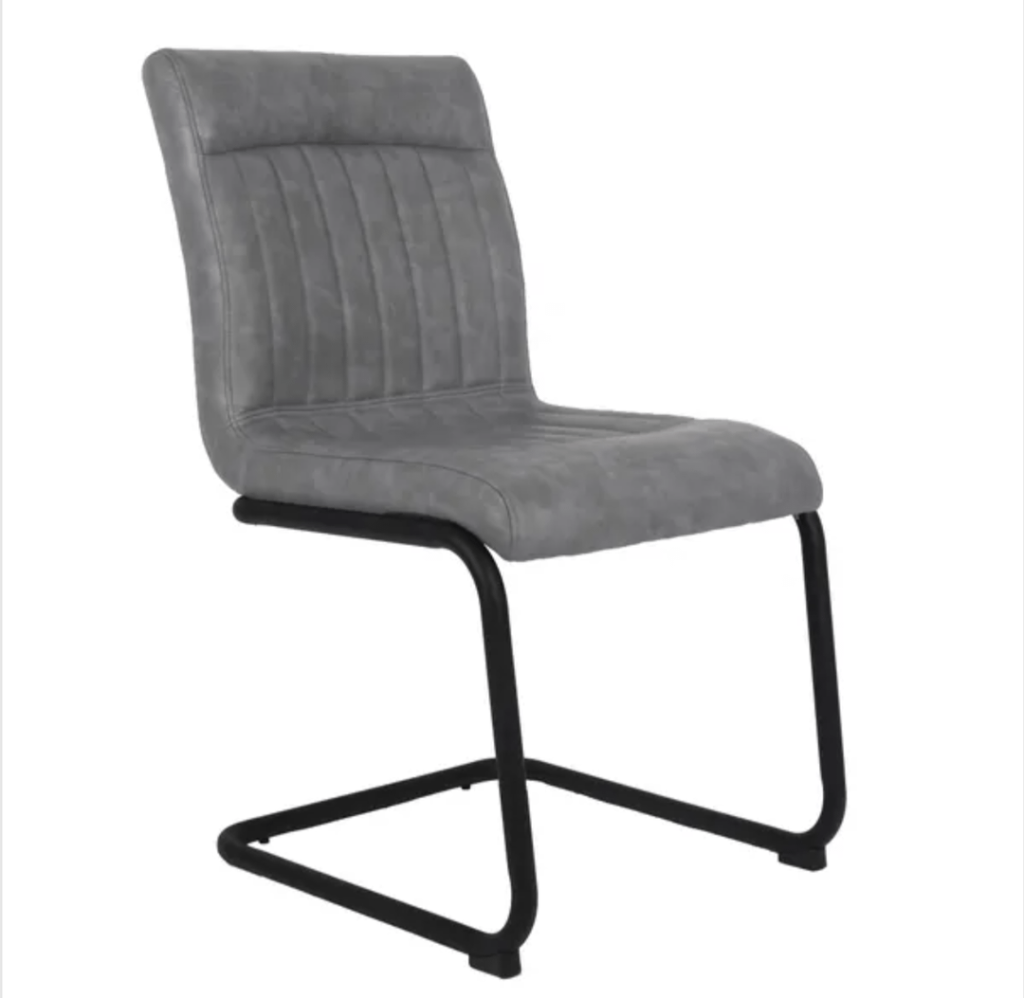
How Do You Raise Dining Room Chair Legs. Are your dining room chairs feeling a bit too low? Maybe you want a more comfortable seating height or to match a new table setup.
Raising your dining room chair legs can make a big difference in how you enjoy your meals and gatherings. But how do you do it without damaging your furniture or spending a lot? You’ll discover simple, effective ways to raise your chair legs that anyone can try.
Keep reading, and you’ll find easy solutions that fit your style and budget perfectly.

Credit: www.reddit.com
Reasons To Raise Chair Legs
Raising dining room chair legs can make a big difference in your dining experience. It helps create a better fit between chairs and tables. It also protects your floors from damage. Small adjustments can improve comfort and style in your dining area.
Improve Comfort
Raising chair legs can change the seat height. This helps you sit at a better level. It reduces strain on your back and legs. Sitting too low or too high causes discomfort. Adjusting the height creates a more relaxed posture.
Match Table Height
Chairs that match the table height look neat and balanced. When chair legs are too short, sitting becomes awkward. Raising the legs brings the seat closer to the table. This allows easier reaching for food and drinks. It creates a pleasant dining atmosphere.
Protect Flooring
Chair legs can scratch or dent floors. Raising the legs can reduce this damage. It helps avoid constant dragging on the floor. You can also add protective pads for extra care. This keeps your floors looking new longer.
Types Of Chair Leg Risers
Raising your dining room chair legs can make a big difference in comfort and style. Choosing the right type of chair leg riser is key to achieving the perfect height without damaging your floors or the chair itself. Let’s look at some common types of chair leg risers that you can use to adjust your dining chairs easily.
Rubber Caps
Rubber caps slip over the ends of chair legs and add a small lift while protecting your floors from scratches. They are affordable and easy to install, making them a favorite for quick fixes.
These caps come in different sizes and thicknesses, so you can pick the height that works best for your chairs. Plus, their non-slip surface keeps the chair steady, which is great if your floor is slippery.
Have you ever noticed how a simple rubber cap can reduce noise when moving chairs? This small change can make your dining experience more pleasant, especially in busy households.
Wooden Blocks
Wooden blocks provide a sturdy and customizable option for raising chair legs. You can find them in various shapes and heights, or even cut your own to get the exact lift you need.
They add a rustic look and blend well if you match the wood color with your chair legs. Wooden blocks also distribute weight evenly, which helps maintain chair stability over time.
If you want a DIY project, sanding and painting wooden blocks to complement your dining room can be a fun way to personalize your space while solving your height problem.
Adjustable Risers
Adjustable risers offer flexibility because you can change the height whenever you want without replacing the entire riser. They usually feature a screw or telescoping mechanism for precise adjustments.
This type is perfect if you have different users or want to experiment with various heights for comfort. They are a bit more expensive but worth the investment if you value versatility.
Consider how often you rearrange or change your furniture setup; adjustable risers can save you time and effort in the long run by adapting to your needs easily.
Measuring Chair And Table Heights
Measuring chair and table heights is key to comfort and style in your dining space. Correct measurements ensure your chairs and table work well together. This helps avoid awkward sitting positions and makes the room look balanced. Taking precise measurements is the first step in raising dining room chair legs properly.
Ideal Seat Height
Ideal seat height is important for comfort. It is the distance from the floor to the top of the chair seat. Most dining chairs have a seat height between 17 and 19 inches. This range fits most standard dining tables. Measure your chair seat from the floor to the top surface. Compare this to the height of your table to check for comfort.
Table Clearance Needs
Table clearance is the space between the chair seat and the underside of the table. This space allows your legs to move freely. The recommended clearance is 10 to 12 inches. Measure from the floor to the bottom of your table. Subtract the chair seat height from this number. The result shows how much legroom you have. Adjusting chair legs helps achieve the right clearance for comfort.

Credit: www.workshop.bunnings.com.au
Diy Methods To Raise Chair Legs
Raising dining room chair legs can improve comfort and protect your floors. Many DIY methods make this easy and affordable. These options suit different needs and tools you may have at home. Choose the one that fits your chair type and style.
Using Furniture Pads
Furniture pads are soft cushions you place under chair legs. They add small height while protecting floors from scratches. Pads come in different thicknesses and materials like rubber or felt.
- Clean chair legs before applying pads.
- Pick pads that match your desired height increase.
- Stick pads firmly under each leg for balance.
- Check stability after placing all pads.
This method is quick and doesn’t change the chair’s look much.
Attaching Leg Extensions
Leg extensions are small pieces you screw or glue onto chair legs. They raise the chair height by several inches. You can find extensions made from wood, plastic, or metal.
- Measure chair legs to buy correct extension size.
- Use screws or strong glue to attach extensions.
- Ensure all extensions are the same height.
- Test chair for stability before regular use.
Extensions work well for permanent height increase and come in different styles.
Adding Wooden Blocks
Wooden blocks provide a sturdy base to raise chair legs. You cut blocks to size and attach them under each leg. This method allows customizing height easily.
- Choose hardwood blocks for strength and durability.
- Cut blocks to match desired chair height.
- Secure blocks with screws or strong adhesive.
- Sand edges to avoid splinters or damage.
- Check balance and stability carefully.
Wood blocks offer a solid, long-lasting solution that you can paint or stain.
Tools And Materials Needed
Raising the legs of your dining room chairs can transform your seating experience, making them more comfortable and better suited to your table height. Before you start, gathering the right tools and materials is crucial for a smooth and successful project. Knowing what you need helps avoid unnecessary trips to the store and ensures your chair modifications are safe and sturdy.
Common Tools
Having the right tools on hand will make the process easier and more precise. Here are the essentials you should have ready:
- Measuring tape– To check the current height and plan how much to raise the legs.
- Screwdriver or drill– For removing and reattaching legs or hardware.
- Sandpaper– To smooth any rough edges after cutting or attaching extensions.
- Wood glue– Adds extra strength when attaching leg extenders.
- Clamps– Hold parts in place while glue dries, ensuring a solid bond.
- Handsaw or power saw– Needed if you plan to cut new leg extensions to size.
- Level– To confirm that all legs are even after adjustment.
Have you checked if your chair legs are already detachable? This can save you some effort and reduce the risk of damage.
Material Choices
The material you pick for raising your chair legs impacts both the look and durability of your chairs. Here are popular options to consider:
- Wood blocks or dowels– Easy to cut and finish, wood blends well with most chairs and can be stained or painted to match.
- Metal leg extenders– Provide a sleek, modern touch and are extremely sturdy, though they may require special tools to install.
- Furniture risers– Simple plastic or rubber risers can lift chairs without any installation, but they might not look as polished.
- Cork pads or rubber caps– Best for small height adjustments and protecting floors, though not ideal for major lifts.
Think about how much height you really need and how the material will fit with your room’s style. Will the solution be temporary or permanent? This question can guide your material choice effectively.
Step-by-step Installation Guide
Raising dining room chair legs can improve comfort and style. The process involves a few simple steps. This guide helps you install leg risers safely and correctly. Follow each part carefully to get the best results.
Preparing Chair Legs
Start by cleaning the chair legs well. Remove dirt and dust to ensure good grip. Check the legs for damage or uneven surfaces. Sand rough spots gently to smooth them out. Measure the leg height to choose the right risers. Gather all tools and materials before you begin.
Attaching Risers Securely
Place the riser under each chair leg carefully. Align the riser so it fits perfectly. Use strong adhesive or screws based on riser type. Press down firmly to ensure the riser sticks well. For screws, drill pilot holes first to avoid cracks. Tighten screws without overdoing it to protect the legs.
Testing Stability
After attaching all risers, test the chair stability. Sit on the chair and check for wobbling. Push gently on all sides to feel any movement. Adjust or tighten risers if needed. Make sure the chair stands steady and safe. Proper testing prevents accidents and improves comfort.
Maintaining Raised Chairs
Raising your dining room chair legs can give your space a fresh look and improve comfort. But keeping those raised chairs in good shape is just as important as the initial lift. Without regular care, the risers can wear down or cause instability, which defeats the purpose of adjusting the chair height.
Regular Checks
Checking your raised chairs often helps catch problems early. Look for any wobbling or unevenness every few weeks. A quick shake or gentle push will reveal if the risers are loose or shifting under weight.
Also, inspect the risers for cracks or signs of wear. Even small damage can affect stability and safety. Don’t wait until you feel discomfort or notice damage—catching issues early saves time and money.
Replacing Worn Risers
Worn-out risers lose their grip and strength, making your chairs unsafe. If you see visible cracks, deformation, or the chair feels unstable, it’s time to replace them. Using new risers restores the chair’s support and keeps your dining area looking neat.
Keep a few extra risers handy, especially if you have multiple chairs raised. This way, you can swap them out quickly without interrupting your dining setup. Have you ever had a chair suddenly shift during a meal? Replacing risers prevents those awkward moments.
When To Seek Professional Help
Raising dining room chair legs might seem simple but can get tricky quickly. Sometimes, the task requires more skill and tools than most people have. Knowing when to call a professional saves time and prevents damage to your furniture.
Complex Adjustments
Some chairs have unique designs that make leg adjustments difficult. The legs might be part of the frame or have hidden fasteners. Professionals understand these complex structures and know how to handle them safely. They use special tools to ensure the chair stays stable and secure after raising the legs.
Custom Solutions
Standard leg extenders may not fit all chair styles or heights. Custom solutions are needed for uneven floors or specific height requirements. Experts can create or install tailored leg extensions that match your chair’s look. Their work ensures comfort and durability without harming the chair’s appearance.

Credit: www.reddit.com
Frequently Asked Questions
How Can I Raise Dining Room Chair Legs Easily?
You can raise chair legs by adding leg extenders or caps. These are simple, affordable, and adjustable solutions. Measure leg height before choosing extenders. Secure them properly to avoid wobbling. This method improves chair height without major modifications.
What Materials Work Best For Chair Leg Risers?
Wood, rubber, and plastic are common materials for leg risers. Wood offers durability and a classic look. Rubber prevents slipping and protects floors. Plastic risers are lightweight and budget-friendly. Choose material based on chair style and floor type.
Are Chair Leg Risers Safe For Hardwood Floors?
Yes, when using rubber or felt-tipped risers, they protect hardwood floors. Avoid hard plastic or metal risers that may scratch. Ensure risers fit tightly to prevent movement. Regularly check for wear to maintain floor safety.
Can I Diy Raise Dining Chair Legs Without Tools?
Yes, self-adhesive leg pads or rubber caps can raise legs slightly. These require no tools and offer quick fixes. For significant height, simple DIY wooden blocks can be attached with glue and screws. Always ensure stability after modification.
Conclusion
Raising dining room chair legs can change your seating comfort. Small changes make a big difference. Use easy tools like blocks or risers. Measure carefully to keep chairs steady and safe. Try different heights to find what feels best. Your dining space will look neat and balanced.
Simple steps can improve your daily meals. Experiment with options until you are happy. Enjoy a cozier, more comfortable dining area every day.