
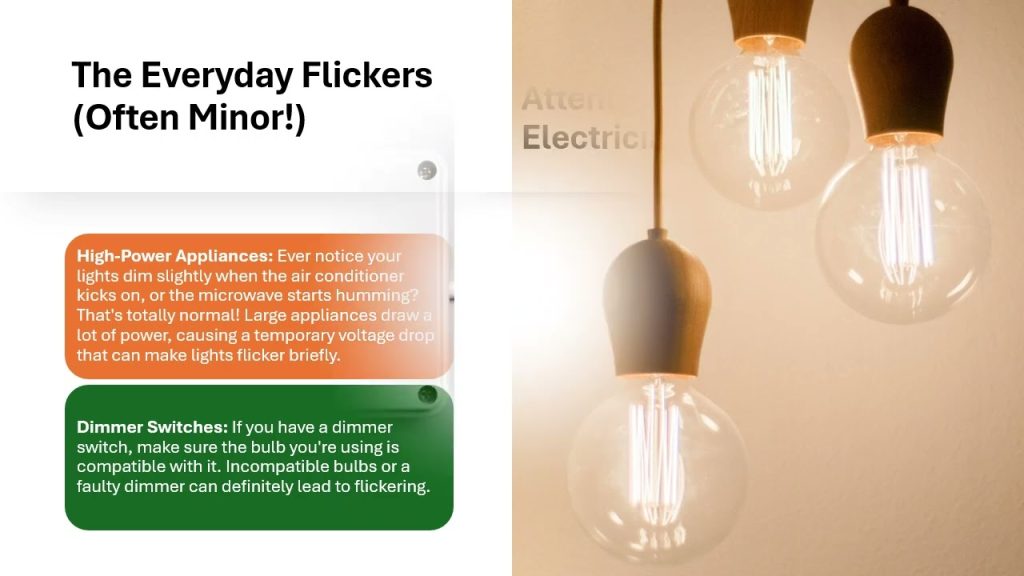
What Causes House Lights to Flicker. Have you ever noticed your house lights flickering and wondered why it happens? Flickering lights can be more than just annoying—they might signal a problem with your electrical system.
Understanding what causes your lights to flicker can help you spot potential dangers early and save you from costly repairs. You’ll discover the most common reasons behind those annoying light flashes and learn how to fix them quickly. Keep reading to find out what’s really going on inside your walls and how to keep your home safe and bright.
Common Electrical Issues
Flickering house lights often point to common electrical problems. These issues can affect your home’s safety and comfort. Understanding these problems helps you know when to call an electrician. Many flickering lights come from simple wiring or switch faults.
Loose Wiring Connections
Loose wires cause lights to flicker or dim randomly. Wires can loosen over time due to vibration or poor installation. This creates an unstable connection, leading to flickering lights. Loose wiring is a fire hazard and needs quick attention. Checking wire nuts and connections in outlets can reveal problems. An electrician can fix loose wiring safely and properly.
Faulty Light Switches
Old or broken switches may cause flickering lights. Worn-out contacts inside the switch create inconsistent power flow. Flickering often happens when you toggle the switch. Replacing faulty switches can stop the flicker and improve safety. Use switches rated for your light fixtures to avoid issues. Regular switch maintenance helps keep your lighting steady.
Credit: www.premium-electric.ca
Power Supply Problems
Power supply problems are a common cause of flickering house lights. These issues affect the electricity flow to your home. When power supply is unstable, lights may flicker or dim unexpectedly. Understanding these problems can help you know when to seek professional help.
Voltage Fluctuations
Voltage fluctuations happen when the electrical supply changes rapidly. This can cause lights to flicker or blink. Common causes include:
- Large appliances turning on or off
- Problems at the utility company
- Faulty wiring or connections
These changes in voltage make bulbs flicker because they do not get steady power. Voltage drops or spikes can also damage electronics over time.
Overloaded Circuits
An overloaded circuit occurs when too many devices run on one circuit. This overload causes the circuit breaker to trip or lights to flicker. Signs of circuit overload include:
- Frequent flickering in certain rooms
- Warm or buzzing outlets
- Breaker trips during heavy use
Reducing the number of appliances on one circuit can help. Proper wiring and circuit design prevent overload and flickering.
Lighting Fixture Faults
Lighting fixture faults are a common cause of flickering house lights. These faults often come from issues within the fixture itself rather than the electrical system. Understanding these problems can help you identify and fix flickering quickly, saving you from unnecessary repairs or replacements.
Bulb Compatibility Issues
Have you ever replaced a bulb only to find it flickers soon after? This often happens because the bulb isn’t compatible with the fixture or the dimmer switch. Using LED bulbs in older fixtures designed for incandescent bulbs can cause flickering due to differences in voltage and power requirements.
Check the packaging or manufacturer’s instructions to ensure your bulb matches the fixture type. Sometimes, switching to a bulb specifically designed for your dimmer or fixture can stop the flicker immediately. If you’re unsure, testing bulbs from the same brand or with the same specifications can help you find the right fit.
Aging Or Damaged Fixtures
Older lighting fixtures can wear out over time, leading to loose connections or corroded parts. These issues create unstable electrical contacts that cause flickering lights. If you notice your fixture feels hot, makes buzzing sounds, or flickers frequently, it could be time for an inspection or replacement.
Even if the bulb is new and compatible, a damaged fixture won’t perform well. Regularly check your fixtures for signs of wear, such as discoloration or cracks. Fixing or replacing aging fixtures often restores stable lighting and reduces safety risks in your home.

Credit: newlondonelectric.com
External Factors
House lights flicker for many reasons beyond your home’s wiring. External factors often disrupt the power supply. These interruptions cause brief changes in voltage, leading to flickering lights. Understanding these outside influences helps in diagnosing the problem quickly.
Weather-related Disturbances
Storms, strong winds, and heavy rain can affect power lines. Branches may hit cables, or moisture may cause shorts. Lightning strikes nearby can also disrupt electricity flow. These weather events make lights blink or dim unexpectedly. Power companies may take time to restore stable voltage after such events.
Utility Company Maintenance
Regular work on power lines or transformers can cause flickering. Maintenance crews may switch power sources or reset equipment. This process can lead to brief power fluctuations in your home. Scheduled maintenance usually lasts a short time but may cause temporary light issues.
Identifying The Source
Flickering house lights can be more than just a minor annoyance; they might hint at underlying electrical problems. To fix the issue effectively, you first need to pinpoint exactly where the flicker starts. Identifying the source is crucial for safe and lasting solutions.
Isolating The Flickering Issue
Start by checking if the flicker happens with just one light or multiple lights. If it’s only one bulb, try replacing it to see if the problem persists. Sometimes, a loose bulb or socket causes flickering.
If multiple lights flicker, note whether they are on the same circuit or spread across different rooms. Flickering across various circuits could indicate a bigger electrical problem. Also, pay attention to when the flickering occurs—does it happen during high power use, like when the air conditioner kicks on?
Turn off appliances one by one to see if any cause the flicker. This process helps isolate if a particular device is drawing too much power or causing interference. Keep a checklist to track your observations—it makes explaining the problem easier later.
Consulting A Professional Electrician
If your troubleshooting doesn’t find an obvious cause, it’s time to call a professional. Electricians have tools to test your wiring and circuits safely and accurately. They can spot issues like loose connections or voltage drops that aren’t visible to the untrained eye.
Don’t ignore flickering lights, especially if they come with buzzing sounds or sparks. These signs could point to dangerous electrical faults that increase fire risk. A professional electrician will advise you on the best fixes and ensure everything meets safety standards.
Have you ever tried to fix a flickering light yourself? What did you discover? Sharing your experience can help others avoid common mistakes and find better solutions faster.
Preventive Measures
Preventing house lights from flickering protects your home and saves money. Small issues can turn into big problems without care. Taking steps early keeps your electrical system safe and stable.
Regular Electrical Inspections
Schedule electrical checks at least once a year. Professionals spot worn wires and loose connections fast. They can fix minor faults before they cause flickering or hazards. Inspections also ensure your system meets safety rules. Keep records of all inspections for future reference.
Upgrading Electrical Systems
Older homes often have outdated wiring causing flicker. Upgrading circuits and panels improves power flow and safety. New systems handle modern energy needs better. Replace old fuses with circuit breakers to avoid overloads. Consult an electrician to choose the right upgrades. This step reduces flicker and prevents electrical fires.
Credit: blog.1000bulbs.com
Frequently Asked Questions
Why Do House Lights Flicker Intermittently?
House lights flicker due to loose wiring, faulty bulbs, or voltage fluctuations. Electrical issues or overloaded circuits can cause inconsistent power flow, leading to flickering lights. Identifying the exact cause helps prevent hazards and ensures stable lighting.
Can Faulty Wiring Cause Lights To Flicker?
Yes, faulty wiring often causes light flickering. Loose connections or damaged wires disrupt electrical flow, making lights flicker. It’s important to inspect wiring promptly to avoid fire risks and maintain safe, reliable lighting.
Does Flickering Indicate An Electrical Problem?
Flickering lights often signal an electrical problem like voltage drops or circuit issues. Ignoring flickering may lead to equipment damage or fire hazards. Timely diagnosis and repair ensure safety and consistent lighting performance.
How Do Voltage Fluctuations Affect House Lights?
Voltage fluctuations cause lights to flicker or dim unexpectedly. They result from power surges, heavy appliance use, or grid instability. Stabilizing voltage prevents flicker and protects electrical devices from damage.
Conclusion
Flickering house lights can signal different issues. Loose bulbs, faulty wiring, or power surges often cause this problem. Ignoring flickering lights may lead to bigger electrical troubles. Always check your bulbs and connections first. If flickering continues, call a professional electrician.
Fixing the issue keeps your home safe and comfortable. Don’t wait until the problem grows worse. Simple steps can stop flickering quickly. Stay aware and act fast to protect your household.