
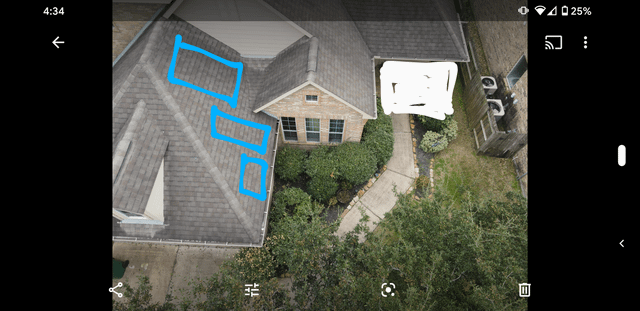
Have you ever wondered what happens to your solar-powered home when the electricity goes out? You might think your solar panels keep the lights on no matter what.
But is that really true? Understanding how power outages affect homes with solar panels can save you from unexpected surprises. You’ll discover the key facts about solar energy and outages, and how to make sure your home stays safe and powered when the grid goes down.
Keep reading to find out what you need to know right now.
How Solar Panels Work During Power Outages
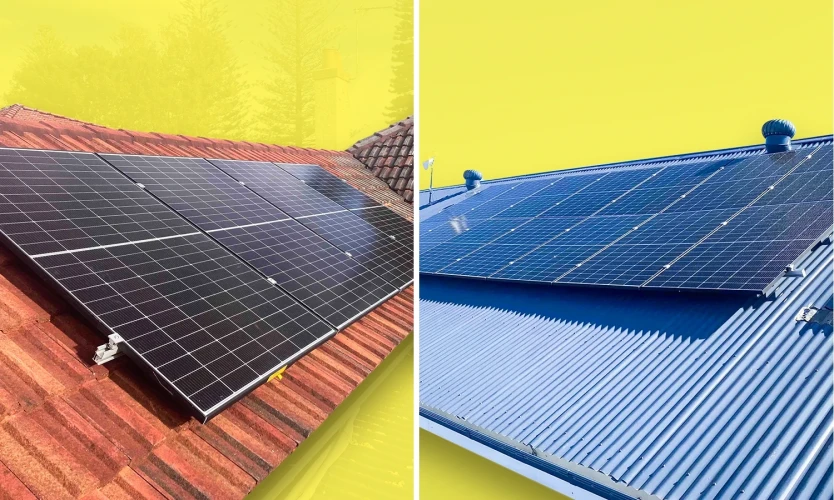
Solar panels generate electricity by capturing sunlight and turning it into power. This power usually flows into the home or the electrical grid. During a power outage, the behavior of solar panels depends on the system setup and safety features. Understanding how solar panels work during outages helps homeowners know what to expect.
Grid-tied Solar Systems
Most homes with solar panels use grid-tied systems. These systems connect directly to the local power grid. When the grid goes down, grid-tied solar systems automatically shut off. This safety feature prevents electricity from flowing back into the grid. It protects utility workers repairing the lines. Solar panels stop sending power to the home during outages without a backup.
Role Of Inverters
Inverters convert the solar panels’ direct current (DC) into usable alternating current (AC). During a power outage, the inverter detects the grid failure. It immediately stops converting power. This prevents solar energy from feeding into the dead grid. Without power from the grid, the inverter cannot operate normally. Some advanced inverters can work with batteries to provide power during outages.
Safety Mechanisms
- Anti-islanding: This feature stops solar panels from sending electricity to the grid during outages.
- Automatic shutdown: The system powers down to prevent backfeed, keeping repair crews safe.
- Battery backups: Systems with batteries can provide power even when the grid is off.
Safety mechanisms are critical for protecting people and equipment. They ensure solar panels do not cause hazards during blackouts.
Credit: www.elitepowergroup.com.au
Impact Of Outages On Solar Energy Production
Power outages can disrupt more than just your usual electricity supply—they also affect homes with solar panels in unique ways. Understanding how these outages impact solar energy production helps you prepare better and avoid unexpected downtime. Let’s look closely at what happens when your solar system faces a loss of power from the grid.
Loss Of Grid Connection
Solar panels rely heavily on the electrical grid to function smoothly. When the grid goes down, your solar system automatically shuts off to prevent sending electricity back into the grid, which could endanger utility workers repairing the lines.
This safety feature, called “anti-islanding,” means your solar panels stop producing usable power during an outage. So even if the sun is shining brightly, your home won’t benefit from solar energy until the grid connection is restored.
Effect On Energy Flow
Without a connection to the grid, the flow of energy in your home changes dramatically. Solar panels generate direct current (DC), which is converted to alternating current (AC) for home use and grid feed-in.
During an outage, your inverter stops converting DC to AC, cutting off the energy flow to your home’s electrical system. This means your solar energy production is essentially paused, and your home must rely on other power sources.
Limitations Without Storage
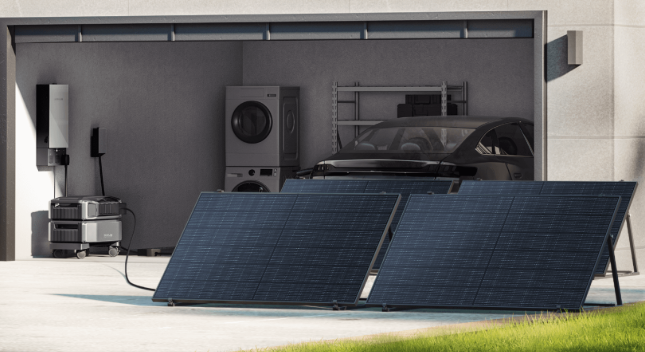
If your solar setup doesn’t include a battery storage system, an outage leaves you without power despite having solar panels. Batteries store excess energy generated during the day, which can be used when the grid is down.
Without storage, your solar panels can’t provide electricity during outages, since the system shuts down for safety reasons. Adding a battery changes this dynamic, allowing you to use stored solar energy and maintain power when the grid fails.
Backup Solutions For Solar Homes
Power outages can leave your solar-powered home in the dark if you don’t have the right backup system. It’s important to plan how your home will stay powered when the grid goes down. Backup solutions give you control and peace of mind during unexpected blackouts.
Solar Batteries
Solar batteries store excess energy your panels produce during sunny hours. This stored energy powers your home when the sun isn’t shining or during outages. Many homeowners find batteries convenient because they automatically kick in without noise or fuel.
Imagine waking up during a blackout with all your lights on and your fridge running smoothly. That’s the power of a well-sized battery system. Have you checked if your solar setup includes battery storage?
Generators
Generators provide an alternative power source by running on fuel like gasoline or propane. They can supply electricity during extended outages when batteries run low. However, generators require manual starting and produce noise and emissions.
If you live in an area with frequent long outages, a generator might be a practical backup. But are you ready to handle fuel storage and maintenance? It’s worth weighing these factors against your lifestyle.
Hybrid Systems
Hybrid systems combine solar panels, batteries, and generators to create a flexible backup setup. This approach maximizes reliability by switching between stored solar energy and generator power as needed. It’s ideal if you want uninterrupted power without compromise.
For example, your solar battery can handle short outages, while the generator steps in for longer ones. Do you want a backup system that adapts automatically to different outage scenarios? Hybrid systems offer that versatility.
Benefits Of Battery Storage During Outages
Battery storage adds significant value to solar panel systems during power outages. It stores excess energy generated by solar panels for later use. This stored energy keeps your home powered even when the grid goes down. Battery storage enhances the reliability and convenience of solar power.
Continuous Power Supply
Batteries provide electricity without interruption during outages. They automatically switch on when the grid fails. Essential appliances keep running, such as lights, refrigerators, and medical devices. This ensures comfort and safety throughout the outage. No need to rely on noisy generators or candles.
Energy Independence
Battery storage allows homes to use their own power anytime. It reduces dependence on the public grid. Solar energy stored in batteries can be used day or night. This independence helps during emergencies and high demand periods. It promotes a cleaner, self-sufficient energy lifestyle.
Cost Considerations
Investing in battery storage involves upfront costs. Prices have been decreasing, making it more affordable. Savings come from avoiding high utility rates during peak times. Batteries may also increase home value and reduce outage-related expenses. Proper sizing and maintenance maximize cost benefits.
How To Prepare Solar Systems For Power Failures
Power failures can disrupt solar energy supply at home. Preparing your solar system helps maintain energy during outages. Simple upgrades and regular checks boost system reliability. Knowing how to prepare keeps your home powered safely and efficiently.
System Upgrades
Install a battery storage system to store extra energy. Batteries provide power when the grid goes down. Use an inverter with backup capabilities for seamless switching. Consider smart controllers to manage energy use during outages. Upgrade to components designed for off-grid operation.
Regular Maintenance
Clean solar panels to maximize sunlight absorption. Check wiring and connections for damage or corrosion. Inspect batteries for proper charge and health. Replace worn or faulty parts promptly to avoid failures. Schedule routine system tests to confirm functionality.
Professional Assessments
Hire a solar technician for a thorough system check. Professionals identify hidden issues before they cause problems. Request an evaluation of backup systems and safety features. Get advice on improving system resilience during outages. Keep records of all assessments and repairs for reference.
Credit: www.ecoflow.com
Common Misconceptions About Solar And Outages
Many people have wrong ideas about solar panels and power outages. These myths can confuse homeowners about how solar energy works during blackouts. Understanding the facts helps make better choices about solar power and safety.
Clear information on solar and outages is important for trust and smart decisions.
Solar Panels Provide Unlimited Power
Solar panels do not give unlimited power. They produce energy only when the sun shines. At night or on cloudy days, they make little or no electricity. Solar systems depend on sunlight, so power is limited to daylight hours.
Outages Damage Solar Equipment
Power outages do not harm solar panels or their parts. Solar systems have safety features that protect them during blackouts. They shut down automatically to avoid sending power to the grid. This prevents damage to equipment and keeps workers safe.
All Solar Systems Work During Blackouts
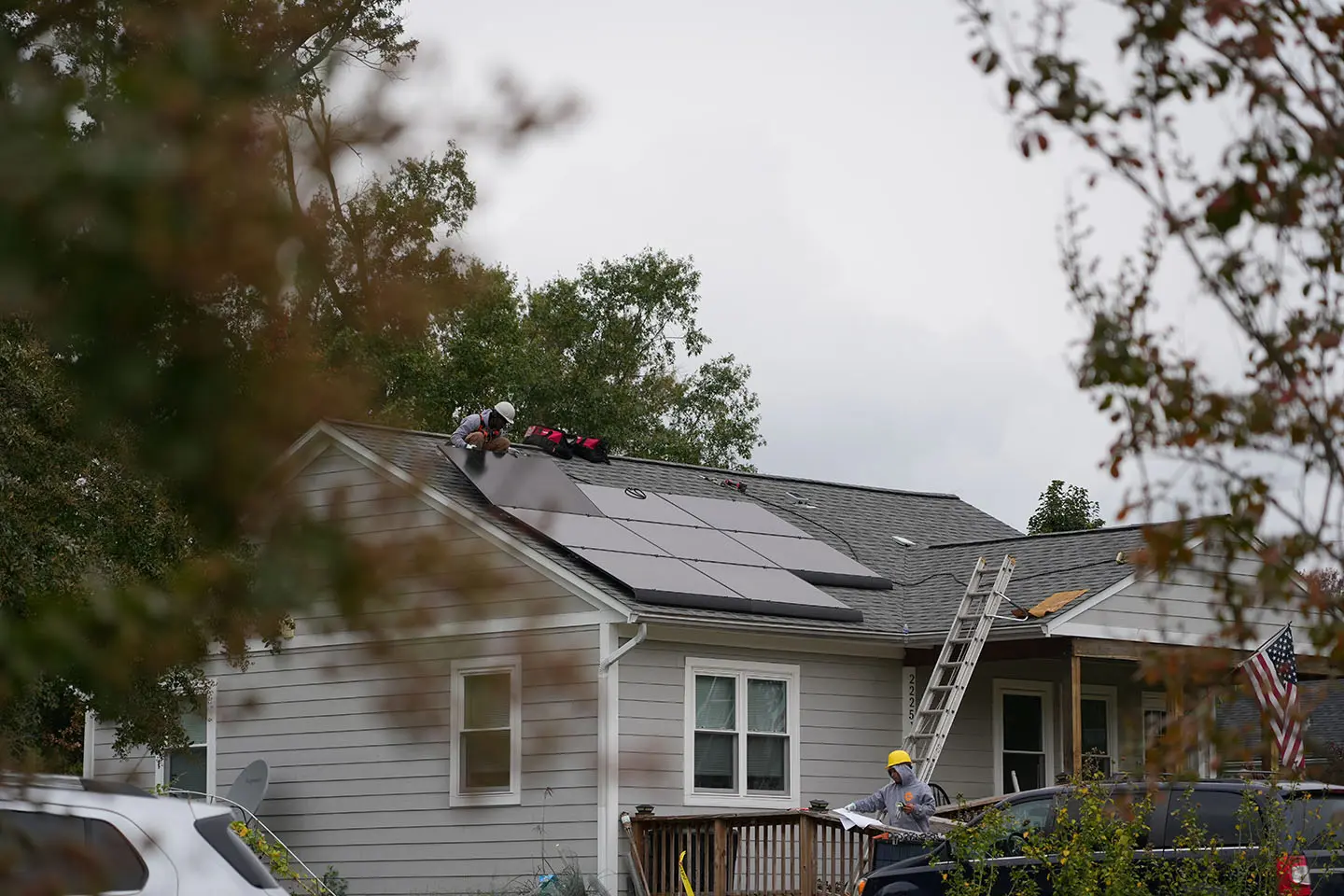
Not all solar systems work in a blackout. Most systems stop producing electricity when the grid goes down. Only systems with battery storage or special equipment can power homes during outages. These setups store energy for use when the sun is not shining or the grid is off.
Credit: www.solarenergyworld.com
Frequently Asked Questions
Do Solar Panels Work During Power Outages?
Solar panels typically shut off during outages for safety reasons. Most systems have anti-islanding protection to prevent backfeeding electricity to the grid. Without a battery or backup system, solar panels won’t power your home during an outage.
Can Solar Batteries Keep Homes Powered In Outages?
Yes, solar batteries store excess energy for use during outages. They provide backup power when the grid is down. Battery systems increase energy independence and ensure critical appliances keep running during blackouts.
Why Do Solar Systems Shut Off In A Blackout?
Solar inverters detect grid failures and automatically shut down. This prevents electricity from flowing back to power lines, protecting utility workers. It’s a safety feature required by electrical codes and grid operators.
How To Keep Solar Homes Powered During Outages?
Install a solar battery or backup generator for continuous power. Hybrid inverters with battery storage allow solar energy use when the grid is down. Proper system design ensures resilience during power interruptions.
Conclusion
Power outages can impact homes with solar panels in different ways. Most solar systems stop working during outages for safety reasons. Battery storage can keep power running in some cases. Knowing your solar setup helps you prepare better. Regular checks and maintenance keep your system reliable.
Solar panels still save energy and reduce bills overall. Understanding these facts helps you use solar power wisely. Stay informed and plan for any power disruptions ahead.