
How to Decorate a Dining Table. Your dining table is more than just a place to eat—it’s where memories are made, conversations flow, and special moments happen. But how do you turn your dining table from ordinary to stunning?
You might think decorating a dining table is tricky or time-consuming, but it doesn’t have to be. With a few simple ideas and easy steps, you can create a beautiful, inviting space that reflects your style and makes every meal feel special.
Ready to transform your dining table into the centerpiece of your home? Keep reading, because you’ll discover practical tips that anyone can use to decorate like a pro.
Choosing A Style
Choosing a style for your dining table sets the tone for your entire dining experience. It reflects your personality and the mood you want to create during meals. Think about what feels natural to you—do you prefer sleek simplicity or a cozy, lived-in look?
Modern Minimalist
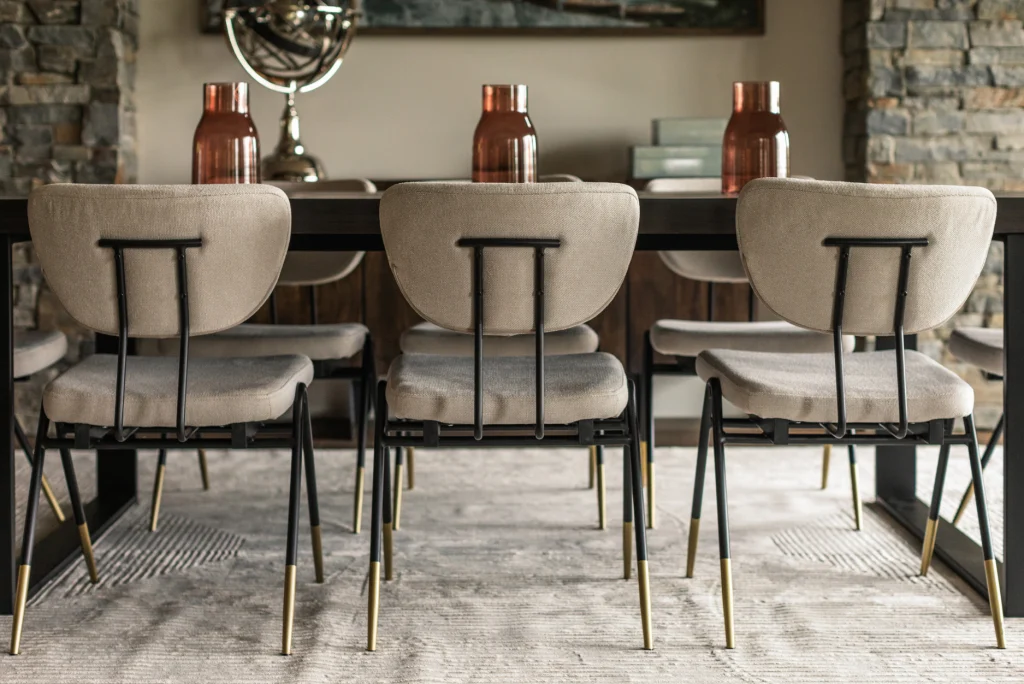
The modern minimalist style focuses on clean lines and uncluttered surfaces. You can use neutral colors like white, black, or gray to keep the space calm and organized.
Try adding a simple centerpiece, such as a single vase with fresh flowers or a geometric bowl. This approach helps keep your dining area feeling open and airy, making it easier to focus on the food and company.
Rustic Charm
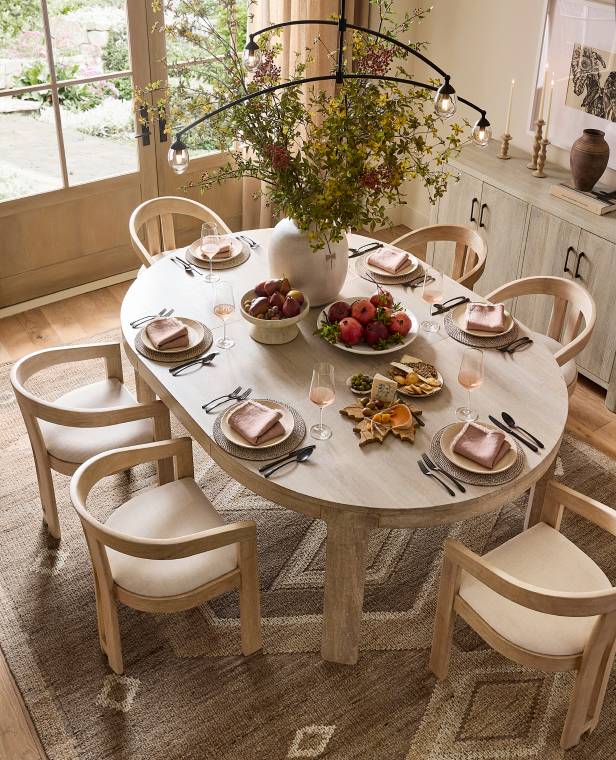
Rustic charm brings warmth and a natural touch to your dining table. Use wooden elements, like a reclaimed wood table or woven placemats, to add texture and character.
Don’t shy away from mixing metals and ceramics for a cozy, homemade feel. Imagine sharing a meal surrounded by the comforting look of vintage pottery and soft candlelight.
Elegant Classic
Elegant classic style emphasizes timeless beauty and grace. Choose fine china, polished silverware, and crystal glassware to create a sophisticated setting.
A crisp white tablecloth and cloth napkins instantly elevate the table’s appearance. Have you ever noticed how a well-set table can make even a simple dinner feel special?
Bohemian Vibes
Bohemian style invites you to mix colors, patterns, and textures freely. Layering colorful textiles and unique, eclectic pieces gives your table a relaxed and artistic feel.
Think about using mismatched plates, vibrant runners, and handmade candles. This style encourages you to express your creativity and make your dining space truly one-of-a-kind.
Credit: www.potterybarn.com
Selecting The Right Tableware
Choosing the right tableware is key to creating a dining table that feels inviting and well put together. The pieces you select set the tone for your meal and can enhance the entire dining experience. Think about how each item will complement the others while fitting your style and the occasion.
Plates And Bowls
Start with plates and bowls that match your dining vibe. Are you aiming for a casual brunch or a formal dinner? Neutral tones and simple shapes work well for everyday meals, while bold colors or patterns can add excitement for special occasions.
Mixing and matching can add personality, but keep the scale and colors balanced. For example, pairing a solid-colored plate with a patterned bowl can create visual interest without overwhelming the table.
Cutlery Choices
Your choice of cutlery impacts both function and style. Sleek stainless steel offers a modern look and lasts through countless meals, while gold or black finishes bring a contemporary flair.
Consider the weight and comfort of your cutlery—heavy pieces feel substantial, but too heavy can be tiring to use. Think about whether you want a uniform set or a mix of styles to add character.
Glassware Options
Glassware should suit the drinks you plan to serve and the atmosphere you want to create. Tall, slender glasses are perfect for water or sparkling drinks, while shorter, wider glasses work well for wine or cocktails.
Don’t forget about durability if you expect lots of guests or casual use. Crystal or cut-glass styles add elegance, but simple clear glasses can look just as chic with the right table setting.
Napkins And Rings
Napkins are more than just functional—they add texture and color to your table. Cloth napkins bring a touch of luxury, while paper napkins keep things easy and casual.
Napkin rings let you show off your style and keep things tidy. Choose simple metal rings for a minimal look or go for natural materials like wood or woven fibers to add warmth.
Creating A Centerpiece
Creating a centerpiece sets the tone for your dining table. It draws attention and adds charm. A well-chosen centerpiece balances style and function. It should not block views or crowd the table. The goal is to create a focal point that welcomes guests and complements your decor.
Floral Arrangements
Fresh flowers bring life and color to the table. Choose blooms that match your room’s color scheme. Use a vase that fits the table size and shape. Keep arrangements low to avoid blocking sightlines. Mix greenery and flowers for texture and depth. Artificial flowers work well for long-term use.
Candles And Lanterns
Candles add warmth and a cozy glow. Use varying heights to create visual interest. Place candles in holders that suit your style. Lanterns offer a rustic or modern look. Use flameless candles for safety and convenience. Group candles together for a soft, inviting light.
Seasonal Decorations
Seasonal items bring freshness and relevance to your table. Use pumpkins, pinecones, or leaves for autumn. Add shells or bright flowers for summer. Small ornaments and evergreen branches work well for winter. Spring suits pastel colors and fresh blooms. Change decorations to reflect holidays or nature’s cycles.
Unique Objects
Unique objects make your centerpiece personal and memorable. Use vintage bowls, sculptures, or books as a base. Collect items from travels or family heirlooms. Keep the display simple to avoid clutter. Combine objects with natural elements for balance. Let your centerpiece tell a story.
Credit: www.potterybarn.com
Layering With Linens
Layering with linens is a simple way to add texture, color, and personality to your dining table. It creates a cozy and inviting atmosphere without overwhelming the space. By mixing different types of linens, you can customize the look to suit any occasion, whether casual or formal.
Tablecloths
A tablecloth sets the foundation for your table decor. Choose a fabric that fits your style—cotton for everyday ease, linen for a natural look, or velvet for something luxurious.
Don’t be afraid to play with colors and patterns. A bold print can energize the room, while a neutral tone gives you a calm, elegant base. Remember, the tablecloth should complement the rest of your decor, not compete with it.
Runners
Table runners add a vertical element that breaks up the flat surface of the tablecloth. They can be narrow or wide, depending on how much of the table you want to highlight.
Try layering a runner over a plain tablecloth to create depth. For example, a rustic burlap runner over a white linen cloth adds a charming contrast. This layering invites you to mix textures without making the table look busy.
Placemats
Placemats provide personal space for each guest and protect your linens from spills. They are an easy way to introduce an extra layer of color or texture.
Think about mixing materials—woven, leather, or even metallic placemats can add a surprising touch. Consider how the placemats will work with your dishes and glassware to create a balanced look.
Incorporating Lighting
Lighting plays a crucial role in setting the mood and enhancing the look of your dining table. It can highlight your table settings and create an inviting atmosphere that makes every meal feel special. Let’s explore how different types of lighting can transform your dining area.
Natural Light
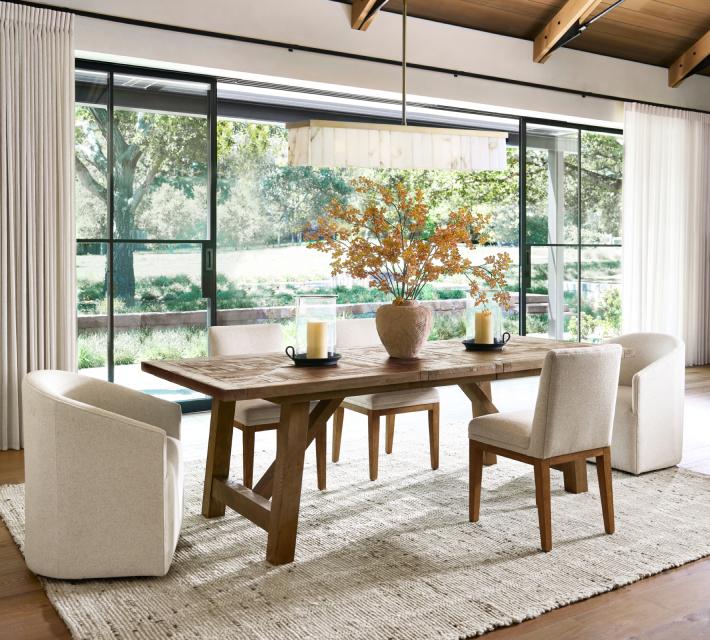
Natural light brings warmth and freshness to your dining space. Position your table near windows to take advantage of sunlight during the day.
Sheer curtains can soften harsh rays while still allowing plenty of light. Have you noticed how daylight changes the colors and textures on your table? It’s a simple way to make your dining experience more vibrant without extra effort.
Overhead Fixtures
Overhead lighting is the centerpiece for dining table illumination. Choose fixtures that match your room’s style, like a sleek chandelier or minimalist pendant lights.
Make sure your overhead light is dimmable so you can adjust the brightness based on the occasion. Hanging it about 30-36 inches above the table balances functionality with comfort, preventing glare while providing enough light to see your meal.
Accent Lighting
Accent lighting adds depth and interest to your dining setup. Use candles, string lights, or small table lamps to create a cozy and intimate vibe.
Try placing candles in decorative holders or using LED tealights for safety. Accent lighting can highlight centerpieces or add subtle glows that encourage relaxed conversation. What kind of lighting helps you feel most comfortable at the dinner table?
Adding Personal Touches
Adding personal touches to your dining table makes every meal feel special. It reflects your style and welcomes your guests warmly. Small details create a cozy and inviting atmosphere that everyone enjoys.
Place Cards
Place cards help guests find their seats easily. They add a thoughtful and elegant touch to the table setting. Use simple cards with names or get creative with handmade designs. Choose colors and fonts that match your theme for a unified look.
Themed Decor
Themed decor brings personality to your dining table. Choose items that match the occasion or season. For example, use autumn leaves for a fall dinner or seashells for a beach theme. Keep the decorations balanced to avoid clutter and maintain comfort.
Artwork And Accessories
Artwork and small accessories add charm and interest. Place a small sculpture, vase, or framed photo on the table. These items highlight your taste and spark conversations. Select pieces that complement your tableware and room style.
Maintaining Balance And Harmony
Maintaining balance and harmony is key to decorating a dining table beautifully. It creates a pleasing look that feels comfortable and inviting. Balance means that no part of the table feels too heavy or too empty. Harmony means that all elements work well together, making the space feel unified.
Color Coordination
Choose colors that complement each other on the dining table. Use a main color and add two or three shades that match it well. Soft, neutral colors often work best for a calm and elegant look. Bright colors can add energy but use them sparingly to avoid overwhelm.
Try to keep the color scheme consistent with the room’s overall design. Matching colors between tableware, linens, and centerpieces helps create harmony. Avoid mixing too many colors that clash or compete for attention.
Size And Scale
Pick decorations that fit the size of your table. Large tables can hold big centerpieces or several small items grouped together. Small tables need fewer, smaller items to avoid clutter.
Consider the height of items on the table. Tall pieces can block views and make conversation hard. Medium or low-height decorations keep the space open and welcoming.
Balance different sizes by grouping items of varying heights and widths. This stops the table from looking too flat or too busy.
Texture Mixing
Mix different textures to add interest and depth. Combine smooth surfaces like glass or ceramic with rougher materials like wood or woven fabrics.
Soft textures in linens or napkins can contrast nicely with hard textures of plates or candle holders. This contrast makes the table feel rich and layered.
Keep textures natural and simple to maintain harmony. Too many different textures can create confusion and disrupt balance.

Credit: arterahome.com
Frequently Asked Questions
How Do I Choose The Right Centerpiece For My Dining Table?
Select a centerpiece that matches your table size and room decor. Use flowers, candles, or decorative bowls for a balanced look. Avoid overcrowding to keep space for dining essentials. The centerpiece should complement your style without overwhelming the table.
What Are Easy Ways To Decorate A Dining Table?
Use a stylish table runner or placemats to add texture. Incorporate fresh flowers or greenery for natural beauty. Add candles for warmth and ambiance. Mix and match dishes and glassware to create visual interest while keeping it simple.
How Can I Decorate A Dining Table For Special Occasions?
Choose themed decorations that match the event, such as seasonal colors or holiday motifs. Use elegant table linens and coordinated dinnerware. Add personalized touches like name cards or unique centerpieces. Keep the arrangement neat and functional for guests.
What Colors Work Best For Dining Table Decor?
Neutral tones create a calming and versatile backdrop. Bold colors add energy and personality but use them sparingly. Metallic accents like gold or silver bring sophistication. Choose colors that complement your room’s palette and the occasion’s mood.
Conclusion
Decorating your dining table can be simple and fun. Choose colors and items that make you happy. Mix textures and shapes for a nice look. Keep the space neat and inviting. Small details often make the biggest difference. Enjoy creating a table that fits your style.
A well-decorated table welcomes good food and good times. Try different ideas until you find what feels right. Your dining table can be a place of beauty and comfort.