
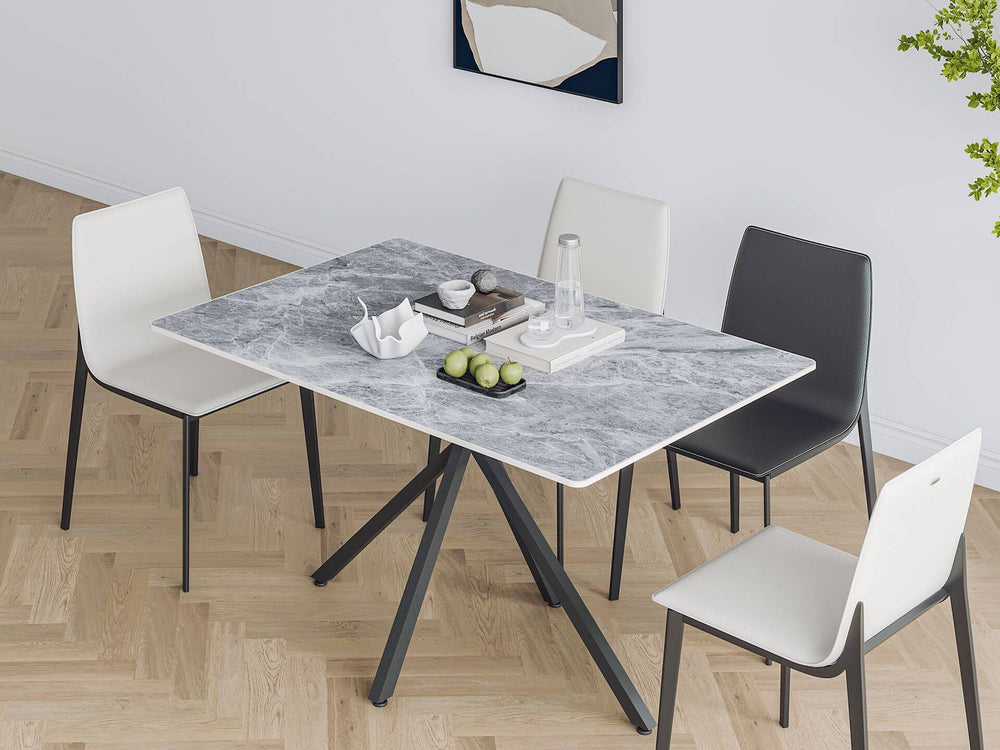
How Big Dining Table: Imagine hosting a dinner party where everyone feels comfortable, the food is the star, and your dining room exudes a warm, inviting ambiance. The secret?
Choosing the right size dining table can transform your space and elevate your hosting game. Whether you’re upgrading your dining area or starting from scratch, understanding how big your dining table should be is crucial. But how do you determine the perfect size for your needs?
Dive into this guide to discover the key factors that will help you make an informed decision. By the end, you’ll have all the insights you need to pick a dining table that perfectly complements your space and lifestyle. Ready to unlock the potential of your dining area? Let’s get started.
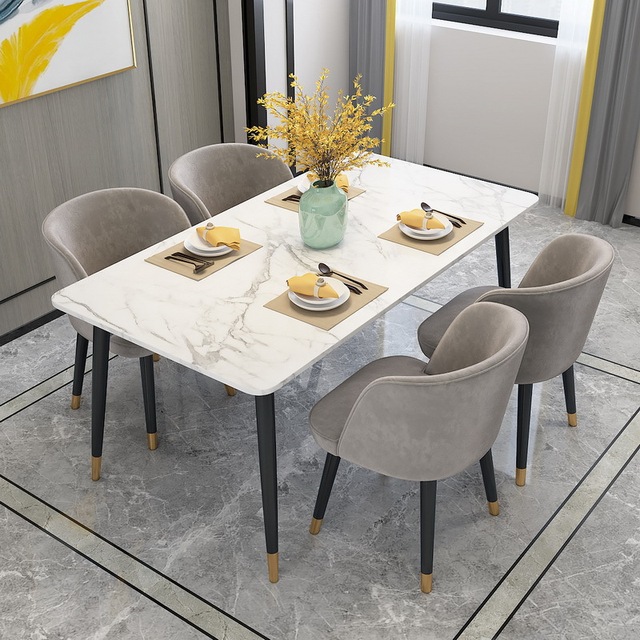
Credit: www.accio.com
Choosing The Right Table Size
Choosing the right dining table size is key to creating a comfortable and stylish eating area. The table should fit well within the room without crowding the space. It needs to allow enough room for people to sit and move freely. Careful planning helps avoid buying a table that is too big or too small.
Measuring Your Space
Start by measuring the length and width of your dining area. Use a tape measure to get exact numbers. Note any obstacles like doors, windows, or furniture that could affect placement. Draw a simple floor plan if it helps visualize the space.
Leave enough room around the table for chairs and walking paths. A good rule is to allow at least 36 inches between the table edge and walls or other furniture. This space keeps the area easy to navigate.
Considering Room Layout
Think about the shape of your room and how people move through it. A rectangular room suits a long, narrow table. Square or round tables work well in square rooms. Avoid blocking doorways or windows with a large table.
Consider where you want to place the table—near a window for natural light or centered for balance. Plan space for additional furniture like sideboards or cabinets. The layout should feel open and inviting, not cramped.
Matching Table To Room Size
The table size should match the room’s proportions. A large room can handle a big table for many guests. A small room needs a compact table to avoid overcrowding. Choose a table that fits the scale of your space.
Round tables often work well in smaller rooms because they take up less space and offer more seating flexibility. Rectangular tables suit bigger rooms and formal dining styles. Pick a table size that feels right for your daily needs and special occasions.
Table Shapes And Sizes
Choosing the right shape and size for your dining table can transform your entire dining experience. The shape affects how people interact around the table, while the size determines comfort and space efficiency. Understanding the pros and cons of each shape helps you pick a table that fits your lifestyle and space perfectly.
Rectangular Tables
Rectangular tables are the classic choice for big dining spaces. They offer plenty of seating, making them ideal for family gatherings or dinner parties.
One of the biggest benefits is their versatility. You can place them against a wall or in the center of a room, and they usually fit well in narrow spaces.
Have you noticed how a rectangular table naturally creates head and foot positions? This can help organize seating when hosting formal dinners.
Square Tables
Square tables work best in square rooms, providing a balanced look and feel. They encourage conversation since everyone sits at an equal distance.
However, they might not be the best for very large groups because they can feel cramped if too many people squeeze in.
If your space is limited but you still want a communal vibe, a square table might be your best bet. You get a cozy setting without sacrificing style.
Round And Oval Tables
Round and oval tables promote a warm, inclusive atmosphere where every seat feels equally important. Without sharp corners, they are safer for homes with kids and make moving around easier.
These shapes work well in rooms where you want to encourage more intimate conversations. They also fit nicely into smaller or oddly shaped spaces.
Think about how a round table changes the flow of your room. Could this shape help your dining area feel more inviting and open?
Seating Capacity And Comfort
Seating capacity and comfort are key factors when choosing a big dining table. You want enough space for everyone without feeling cramped. Comfort ensures your guests enjoy long, relaxed meals without shifting uncomfortably.
Standard Seat Spacing
Each person needs about 24 inches of space at the table to sit comfortably. This spacing allows enough elbow room and makes it easy to reach shared dishes. If your table is too small, guests might feel squeezed or have trouble passing food.
Think about your last dinner party. Did someone keep bumping elbows or struggling to fit their plate? That’s a sign your table might need more surface area or wider spacing between seats.
Accommodating Guests
Big dining tables give you the flexibility to host more people, but you should plan seating carefully. Consider how many guests you usually entertain and whether you might need extra chairs or even a leaf extension.
Having a few extra seats on hand can save stress when unexpected friends arrive. Do you have a spot for everyone to sit without feeling like a tight squeeze? Planning ahead can make your gatherings smoother and more enjoyable.
Bench Vs Chair Seating
Benches can fit more people along one side of the table compared to individual chairs. They are great for casual settings and allow you to squeeze in an extra guest when needed.
Chairs, on the other hand, offer defined personal space and often provide better back support. If comfort is a priority, especially for longer meals, chairs might be the better choice.
Think about how you like to sit. Do you prefer moving chairs around or cozying up on a bench? Your choice will affect both the look and feel of your dining experience.
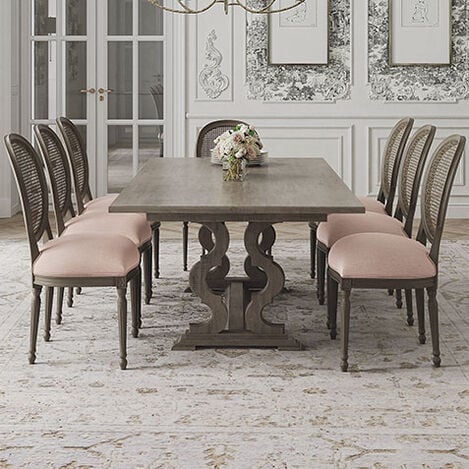
Credit: www.ethanallen.com
Material And Design Impact
Material and design play a big role in how a dining table looks and feels. They affect the table’s size, style, and how long it lasts. Choosing the right material and design can make a big table fit well in your space.
How Material Affects Size Perception
Light-colored wood or glass can make a big table feel less heavy. Dark woods often make tables look larger and more solid. Transparent materials like glass create an open, airy feel. Metal frames add a modern touch but can make a table look bulkier. The finish also matters. Smooth, shiny surfaces reflect light and reduce visual weight. Rough or matte finishes absorb light and make the table appear bigger.
Design Styles For Big Tables
Simple designs help big tables blend into a room easily. Clean lines and minimal details keep the look balanced. Rustic styles with thick wood and carved legs make a table the room’s focus. Round or oval shapes soften the space and encourage conversation. Rectangular tables suit formal dining rooms and large families. Mix and match chairs and decor to match the table’s style and size.
Durability And Maintenance
Hardwoods like oak and maple last long and resist scratches. Glass needs careful cleaning to avoid smudges and cracks. Metal frames resist dents but can rust if not treated. Laminates offer easy cleaning but may chip over time. Consider your daily use. Durable materials save money and effort. Regular cleaning keeps the table looking fresh and new.
Functional Considerations
Choosing a big dining table goes beyond just size. Functional considerations play a crucial role in making sure your table fits your lifestyle. Think about how you’ll use the space daily and whether the table can adapt to different needs.
Multi-purpose Uses
A large dining table can serve more than just meal times. It can double as a workspace, a craft station, or a place for family game nights. Have you ever found yourself struggling for a spot to spread out your laptop or kids’ school projects? A big table solves that by giving you ample room to do it all without clutter.
Consider your daily activities and how often you need extra space. If you work from home or entertain often, this versatility can be a game-changer. It can save you from setting up and tearing down different work or play areas.
Expandable Tables
Expandable tables offer flexibility without committing to a permanent large footprint. You get the best of both worlds—compact when you need it and spacious when you host guests. These tables often come with leaves or fold-out sections that are easy to add or remove.
Think about your typical number of diners versus occasional guests. Would you rather have a big table taking up your whole room every day or one that grows with your needs? An expandable table can adapt seamlessly, making it a smart choice for many homes.
Storage Options
Big dining tables with built-in storage can help keep your dining area tidy and organized. Drawers or shelves underneath the table provide convenient spots for utensils, napkins, or even board games. This keeps essentials close at hand without cluttering your countertops.
Ask yourself what items you frequently use around your dining space and how you currently store them. Adding storage to your table can reduce trips to other rooms and keep your dining area ready for anything from casual dinners to holiday feasts.
Budgeting For A Large Table
Budgeting for a large dining table requires planning and understanding key costs. A big table can be a valuable addition to your home. It offers space for family meals and gatherings. Setting a clear budget helps you avoid overspending. It also guides your choices for size and material.
Cost Factors
Several factors affect the price of a large dining table. The type of wood or material plays a big role. Solid hardwoods like oak or walnut cost more than engineered wood. Design details, such as carving or inlays, add to the price. The table’s size directly impacts the cost. Larger tables need more materials and labor. Brand reputation and craftsmanship also influence the final cost.
Balancing Size And Price
Finding a balance between size and price is important. A very large table might exceed your budget. Consider the space you have at home first. Measure the dining area carefully. Choose a size that fits comfortably with chairs and walking space. Think about future needs, like family growth or guests. Sometimes, a slightly smaller table offers better value.
Investment Tips
- Set a clear maximum budget before shopping.
- Compare prices from multiple sellers or stores.
- Look for sales or discounts on quality tables.
- Check for sturdy materials that last long.
- Consider buying a table that can extend when needed.
- Read reviews about durability and customer satisfaction.
Placement And Accessibility
Placing a big dining table requires careful thought about both space and ease of access. You want your guests and family to move freely without bumping into chairs or other furniture. The right placement balances room flow with the table’s presence, making the dining area inviting and practical.
Ensuring Comfortable Movement
Leave at least 36 inches (about 3 feet) of space around the dining table. This gap lets people pull out chairs and walk around comfortably. If your room is tight, consider a round table to improve traffic flow and avoid sharp corners.
Think about how your family uses the space. Do kids run around? Do guests often enter from one side? Position the table so it doesn’t block doorways or pathways. This small change can make your dining experience much more relaxed and enjoyable.
Lighting And Ambiance
Big tables need balanced lighting to highlight their size without creating shadows. Hanging a chandelier or pendant light directly above the center works well. Keep the lighting dimmable to adjust the mood for family dinners or festive gatherings.
Natural light can enhance your dining space too. Place the table near windows if possible, but avoid glare during mealtime. You can add curtains or blinds to control brightness and keep the ambiance cozy.
Complementing Other Furniture
Match the table’s style and size with nearby furniture like buffets, sideboards, or chairs. If you have a big table, avoid oversized sofas or bulky cabinets nearby that crowd the space. Instead, choose streamlined pieces that offer storage without overwhelming the room.
Consider the table’s height and color when selecting chairs and rugs. Coordinating these elements creates a cohesive look and keeps your dining area inviting. Have you noticed how small mismatches can make a room feel off? Paying attention to these details makes a big difference.
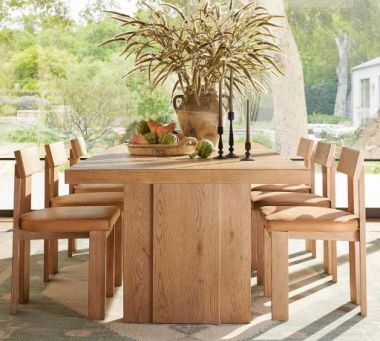
Credit: www.potterybarn.ca
Frequently Asked Questions
What Size Is Considered A Big Dining Table?
A big dining table typically measures 72 inches or more in length. It comfortably seats 8 to 12 people. The width usually ranges from 36 to 48 inches. This size suits large dining rooms or open spaces for family gatherings and entertaining guests.
How Many People Can A Big Dining Table Seat?
A big dining table can seat 8 to 12 people comfortably. The exact number depends on the table’s shape and size. Rectangular tables usually accommodate more guests, while round tables offer a cozy seating arrangement for fewer people.
What Materials Are Best For Big Dining Tables?
Solid wood, metal, and glass are popular materials for big dining tables. Solid wood offers durability and a classic look. Metal provides modern style and strength. Glass tables create an airy feel and visually enlarge the space.
How Much Space Is Needed Around A Big Dining Table?
Allow at least 36 inches of clearance around a big dining table. This space ensures comfortable movement and chair pulling. More room may be needed in high-traffic areas or for additional furniture like buffets or sideboards.
Conclusion
Big dining tables bring people together for meals and talks. They offer plenty of space for food and guests. Choosing the right size fits your room and needs well. A large table makes dinners feel warm and inviting. It also adds style to your dining area.
Think about how many people you host often. Measure your space before buying a big table. Comfort and function should guide your choice. Enjoy meals and memories around a big dining table. It becomes a place for sharing and joy.