
Which Dining Table Shape is Best for a Small Space: Finding the perfect dining table for your small space can feel like a tough puzzle. You want something that fits just right, looks great, and makes your room feel cozy—not cramped.
But with so many shapes to choose from, how do you know which one will work best for your home? You’ll discover the dining table shape that not only saves space but also adds style and comfort to your room.
Keep reading, and you’ll soon find the ideal match that makes every meal feel special without overcrowding your space.
Square Tables
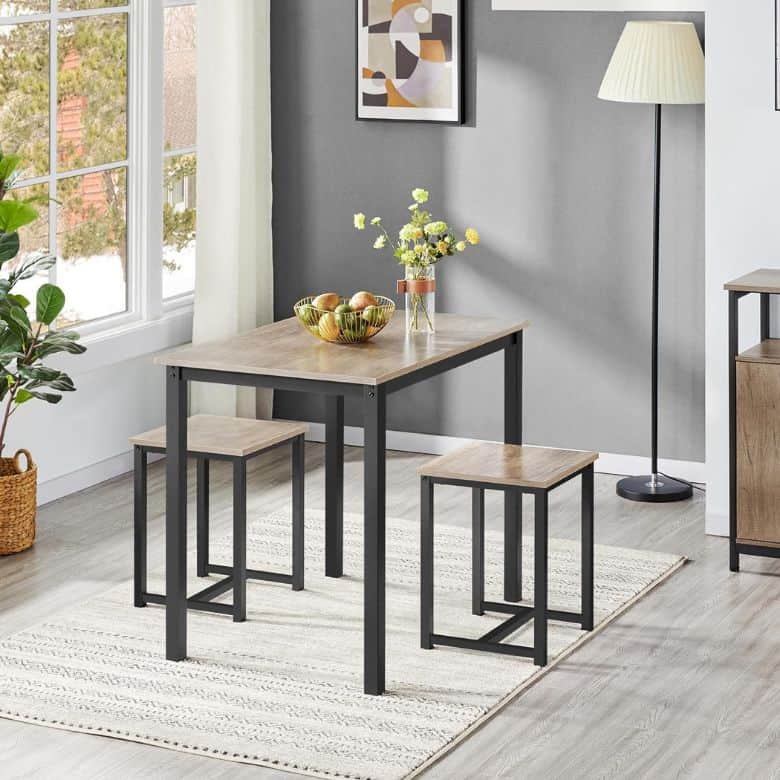
Square tables offer a unique solution for small dining areas. Their equal sides create a balanced look that fits neatly into corners or central spaces. If you’re wondering whether a square table suits your compact room, consider these key points.
Space Efficiency
Square tables use space wisely by fitting snugly against walls or in corners. They don’t require extra clearance on one side, unlike rectangular tables. This makes moving around easier, especially in tight kitchens or studios.
I once swapped my round table for a small square one and immediately noticed more floor space. It allowed me to add a small bookshelf nearby without crowding the area. Could a square table give your room a similar breathing space?
Seating Capacity
Typically, square tables seat four people comfortably. This is perfect for small families or casual gatherings. Some designs even include extendable leaves, letting you add extra seats when needed.
If you often host friends, a square table with a drop leaf might be your best bet. It provides flexibility without permanently taking up space. How often do you need to adjust your seating arrangements?
Design Styles
Square tables come in many styles, from sleek modern glass tops to rustic wooden finishes. Their shape suits both minimalist and cozy decor themes. Choose one with clean lines to keep the space feeling open.
- Metal and glass for a contemporary look
- Distressed wood for a warm, farmhouse vibe
- Bold colors to add personality in small rooms
Think about your room’s current style before picking a square table. Does it complement your furniture, or will it stand out as a centerpiece? Your choice can either blend in quietly or become a talking point.
Credit: www.drewandjonathan.com
Round Tables
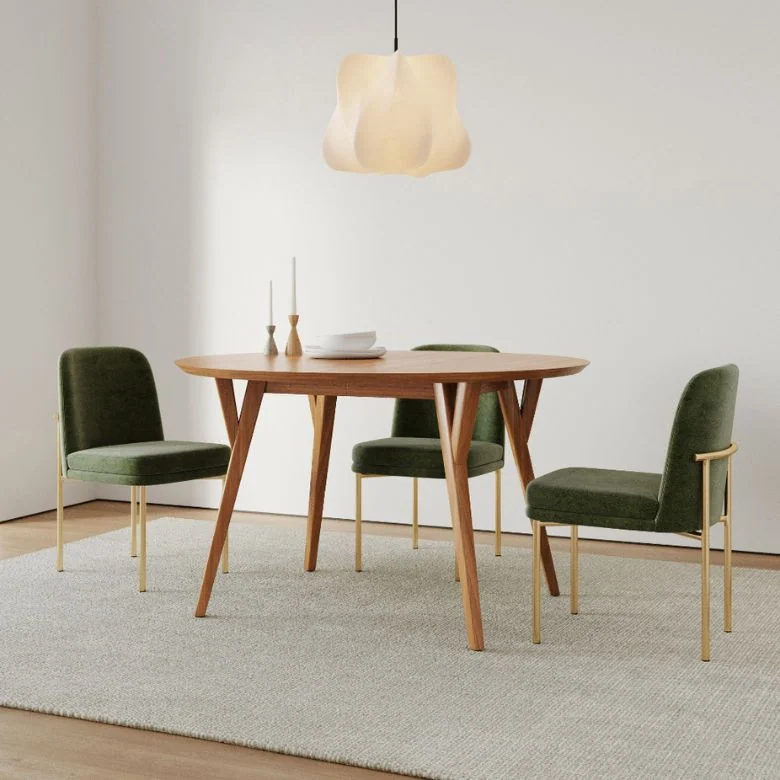
Round tables are a smart choice for small spaces. Their shape allows for a balanced and cozy dining area. They fit well in tight spots and create a welcoming atmosphere. These tables help avoid sharp corners, making the space safer and easier to navigate.
Maximizing Movement
Round tables let people move around freely. Without corners, chairs slide in easily. This design opens more floor space for walking. Small rooms feel less crowded with round tables. They help avoid bumping into edges while moving.
Social Interaction
Everyone sits at an equal distance around the table. This encourages eye contact and better conversations. No one feels left out or too far from others. Round tables promote a warm and friendly dining experience. Sharing meals becomes more enjoyable and connected.
Material Choices
Choose materials that suit your style and space size. Glass tops create a light and airy look. Wood adds warmth and a natural feel. Metal frames offer durability and a modern touch. Light colors help open up the room visually. Consider easy-to-clean surfaces for busy areas.
Rectangular Tables
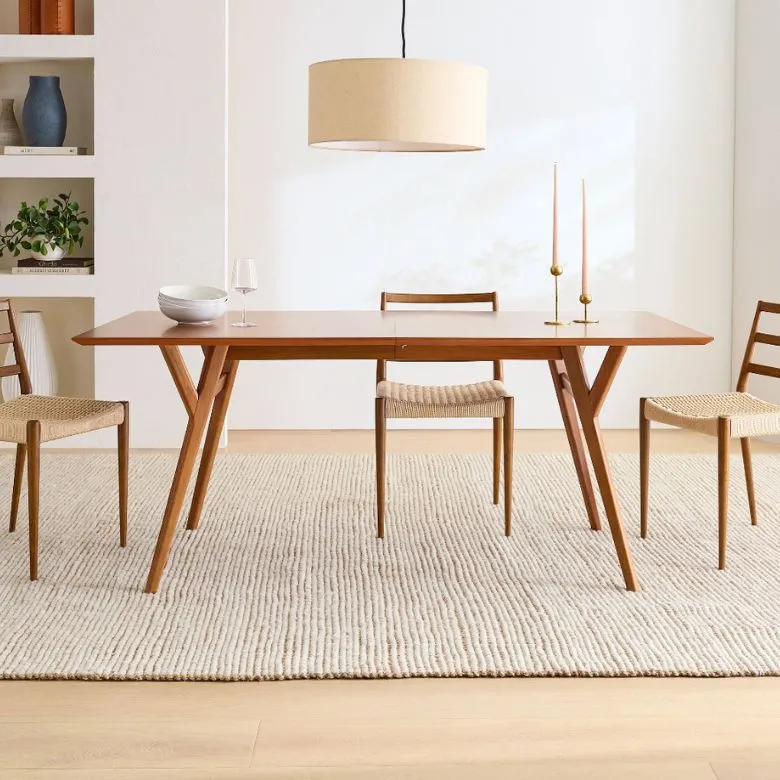
Rectangular tables fit well in small spaces due to their simple shape. Their straight edges allow easy placement against walls or in corners. This shape maximizes seating without crowding the room. They suit narrow or long rooms perfectly. Rectangular tables offer a classic look that blends with many décor styles.
Slim Profiles
Slim rectangular tables save floor space without losing function. Thin tabletops and narrow legs keep the area open. This design helps avoid a bulky feel in tight rooms. Slim profiles make moving around the table easy. They fit well in hallways or small kitchens.
Flexibility In Layout
Rectangular tables adapt well to different room layouts. They can stand against a wall or float in the center. This shape supports placing chairs on either long side. It allows for more guests in a limited area. The straight sides make alignment with other furniture simple.
Expandable Options
Many rectangular tables come with leaves or fold-out sections. These features let you adjust the table size easily. Expand the table for guests or shrink it for daily use. This flexibility suits small homes with occasional extra visitors. Expandable tables add convenience without permanent space demands.
Oval Tables
Oval tables are a smart choice for small spaces. Their shape blends curves with length, fitting well in cozy rooms. They offer a balance between round and rectangular tables, making them versatile and stylish. Oval tables can help maximize seating without overcrowding the area.
Soft Edges
Oval tables have smooth, rounded edges. These soft edges reduce sharp corners, making the space safer. They also create a gentle look that feels welcoming. This design helps avoid bumps in tight spaces, which is perfect for small rooms.
Room Flow
The curved shape of oval tables improves room flow. They allow easy movement around the table. No sharp corners block pathways or cause awkward navigation. This makes the small area feel more open and less cramped.
Aesthetic Appeal
Oval tables add elegance to any room. Their unique shape stands out without overwhelming the space. They fit well with many decor styles, from modern to traditional. The shape also softens the room’s overall look, creating a cozy and inviting vibe.
Drop-leaf And Folding Tables
Drop-leaf and folding tables offer smart solutions for small spaces. These tables can change size quickly, fitting rooms of many sizes. Their design helps keep rooms open and less crowded. Perfect for apartments, studios, or tiny dining areas, they bring flexibility without losing style.
Space-saving Benefits
Drop-leaf and folding tables save space by folding parts down. They shrink to small sizes when not in use. This frees up room for walking or other furniture. Some fold completely flat for easy storage. This makes them ideal for tight corners or narrow rooms.
Versatility
These tables adapt to different needs and occasions. Folded down, they work as side tables or desks. Opened up, they provide enough space for meals or work. Their lightweight design allows easy moving around. Choose from various materials and styles to match your decor.
Best Use Cases
- Small kitchens needing extra dining space.
- Living rooms that double as dining areas.
- Rooms used for work and meals.
- Homes with limited storage options.
- Temporary setups for guests or parties.
Credit: www.drewandjonathan.com
Material And Color Impact
The material and color of a dining table greatly affect the feel of a small space. Choosing the right finish and tone can make the room appear larger and more open. Some materials reflect light better, creating an airy atmosphere. Others add warmth and coziness without crowding the space.
Light colors tend to open up small rooms, while dark finishes can make them feel tighter. The texture and transparency of the material also play a key role in how much space the table visually occupies. Thoughtful choices here balance style and function for compact dining areas.
Light Vs Dark Finishes
Light finishes brighten small spaces by reflecting natural and artificial light. Whites, creams, and pale grays create a clean, fresh look. These tones help the table blend with the room, making the area feel less crowded.
Dark finishes like deep browns or blacks add contrast and depth. They work well in rooms with plenty of light and simple decor. Too much dark color can shrink the perceived space, so use them carefully.
Glass And Acrylic Options
Glass and acrylic tables offer a modern, lightweight look. Their transparency reduces visual bulk, making the room feel open. These materials reflect light and show the floor beneath, adding to the sense of space.
Clear surfaces are easy to pair with other colors and styles. They also create a floating effect, helping small rooms avoid a cluttered feel.
Wood Tones For Small Spaces
Wood tones bring warmth and natural beauty to small dining areas. Light woods like oak, maple, and pine brighten the room without overpowering it. They add texture and softness that light finishes alone can’t provide.
Darker woods can feel heavy in small spaces but work well in balanced designs. Mixing wood tones with light colors helps maintain openness while adding character.
Choosing Based On Room Layout
Choosing the right dining table shape depends greatly on your room layout. The table should fit the space without crowding it. Understanding how to place the table can make your small room feel open and functional.
Corner Placement
Placing a dining table in a corner saves floor space. A round or square table fits well in corners. This setup keeps the center area open for movement. Corner placement works well for small kitchens or dining nooks. It creates a cozy dining spot without blocking pathways.
Central Positioning
Putting the table in the center creates a balanced look. Oval or round tables work best here. They allow easy access from all sides. Central placement suits rooms with a square or rectangular shape. It makes the dining area the focal point of the room.
Multi-functional Spaces
Small spaces often serve more than one purpose. Choose tables that can fold or expand. Rectangular and drop-leaf tables adapt easily to different needs. Use the table for dining, work, or hobbies. This flexibility keeps your space organized and practical.
Tips For Small Dining Areas
Maximizing a small dining area takes more than just choosing the right table shape. Your choices in chairs, lighting, and decor can greatly influence how spacious and welcoming your dining space feels. Let’s look at some practical tips that can help you make the most out of your small dining area.
Chair Selection
Pick chairs that are slim and lightweight to keep the space open and easy to move around. Avoid bulky designs that crowd the table and limit movement.
Stackable or foldable chairs can be lifesavers when you need extra seating but don’t want clutter all the time. Choosing chairs with open backs or transparent materials, like acrylic, can also help maintain a sense of openness.
Lighting Effects
Good lighting can transform a small dining area by making it feel larger and more inviting. Use pendant lights or wall sconces to free up table and floor space.
Consider adjustable lighting that lets you change the mood from bright and lively during meals to soft and cozy for intimate dinners. Natural light works wonders too—keep windows uncovered or use sheer curtains to maximize daylight.
Decor And Accessories
Keep decorations minimal to avoid clutter, but don’t skip them entirely. A single statement piece, like a bold centerpiece or an interesting wall art, can add personality without overwhelming the space.
Mirrors are a smart addition—they reflect light and create an illusion of depth. Also, consider slim shelves or narrow storage solutions to keep essentials handy without eating into your dining area.

Credit: dutchcraftfurniture.com
Frequently Asked Questions
What Dining Table Shape Suits Small Spaces Best?
Round tables suit small spaces best. They save room and offer smooth flow around edges. Round shapes encourage easy movement and maximize seating.
Are Rectangular Tables Good For Compact Dining Areas?
Rectangular tables work well for narrow spaces. They fit against walls and accommodate more people lengthwise. Ideal for long, tight rooms.
How Do Oval Dining Tables Fit In Small Rooms?
Oval tables blend benefits of round and rectangular shapes. They provide smooth edges and ample seating without sharp corners. Perfect for cozy, stylish spaces.
Can Square Tables Optimize Small Dining Rooms?
Square tables are compact and fit neatly in corners. They provide balanced seating but might limit flexibility. Great for very small, square-shaped spaces.
Conclusion
Choosing the right dining table shape can save space and add style. Round and oval tables fit small rooms well. They allow easy movement and create a cozy feel. Square and rectangular tables work if placed carefully. Remember to measure your space before buying.
Think about how many people will sit at the table. Small spaces need smart, simple furniture choices. Pick a shape that matches your room and daily needs. This way, your dining area stays functional and inviting.