
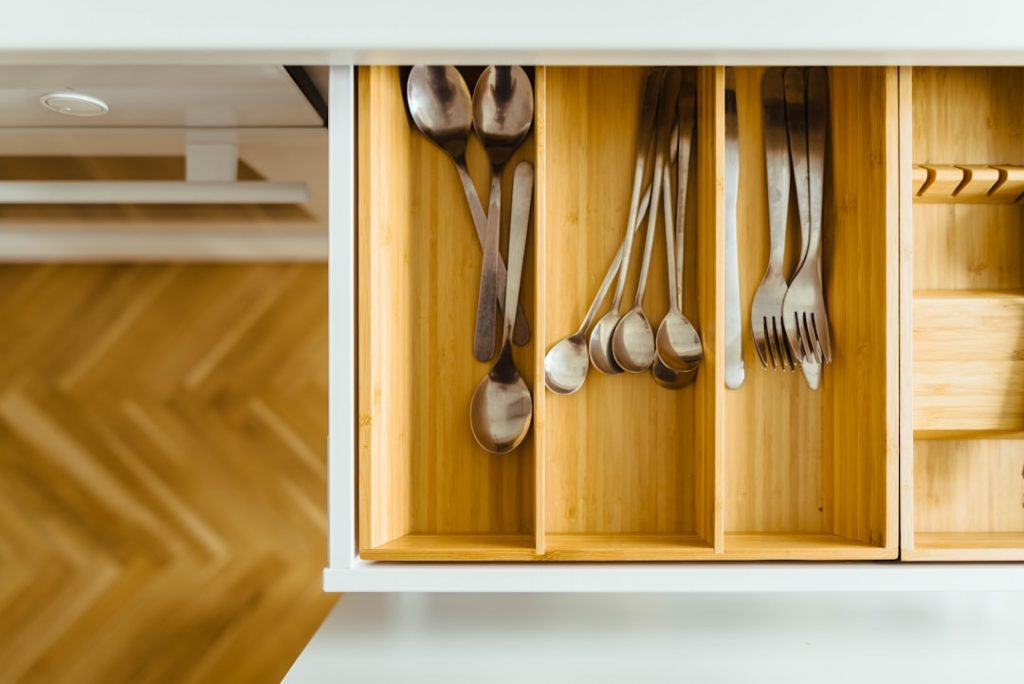
How to Arrange Things in Kitchen Cabinet. Is your kitchen cabinet a cluttered mess that makes cooking stressful? You’re not alone, and the good news is, organizing it doesn’t have to be overwhelming.
Imagine opening your cabinet and instantly finding what you need without digging through piles of stuff. Sounds great, right? You’ll discover simple, effective ways to arrange things in your kitchen cabinet that save you time, reduce stress, and make your kitchen feel more welcoming.
Keep reading, and you’ll transform your cabinet into a neat, easy-to-use space you’ll love.

Credit: www.detroitnews.com
Assess Your Kitchen Space
Assessing your kitchen space is the first key to smart cabinet organization. Understanding your cabinet layout helps in planning where each item should go. A clear picture of available space avoids clutter and maximizes storage efficiency.
Start by knowing the size and shape of your cabinets. This knowledge guides decisions on how many items fit and what storage solutions to use. Also, recognizing which items you use the most helps in placing them for easy access.
Grouping your kitchen essentials by type or use makes the cabinet neat and functional. This step reduces time spent searching for items and keeps your cooking area tidy.
Measure Cabinet Dimensions
Measure the height, width, and depth of each cabinet. Note any shelves inside and their adjustable heights. Use a tape measure for accuracy. Record these numbers on paper or a digital note. This measurement helps decide what can fit inside.
Identify Frequently Used Items
List all kitchen items you use daily or weekly. Items like plates, cups, and cooking tools belong here. Keep these items in the easiest-to-reach cabinets. Store rarely used items in higher or lower cabinets.
Categorize Kitchen Essentials
Sort your items into groups such as cookware, utensils, food storage, and cleaning supplies. Use separate baskets or bins for each category. Label containers for quick identification. This system keeps your kitchen organized and saves time.
Maximize Vertical Space
Maximizing vertical space in your kitchen cabinet can transform clutter into order without expanding your storage footprint. Often, the unused height inside cabinets is wasted, but with a few smart adjustments, you can fit more items neatly and access them easily. Think beyond just stacking items—enhance every inch of your cabinet’s height to keep your kitchen functional and tidy.
Use Stackable Shelves
Stackable shelves create multiple layers inside your cabinet, doubling or even tripling the space for plates, bowls, or pantry items. They are easy to install and adjustable, letting you customize the height for different items. I once added stackable shelves to a cramped cabinet and suddenly had extra room for my favorite mugs without removing anything.
Install Hooks And Racks
Hooks and racks are perfect for hanging mugs, utensils, or small pots, freeing up shelf space below. You can attach them to the inside of cabinet doors or under shelves to use vertical space creatively. Have you checked if your cabinet doors could hold extra storage? Installing hooks there turned an empty door into a handy spot for measuring spoons in my kitchen.
Add Pull-out Drawers
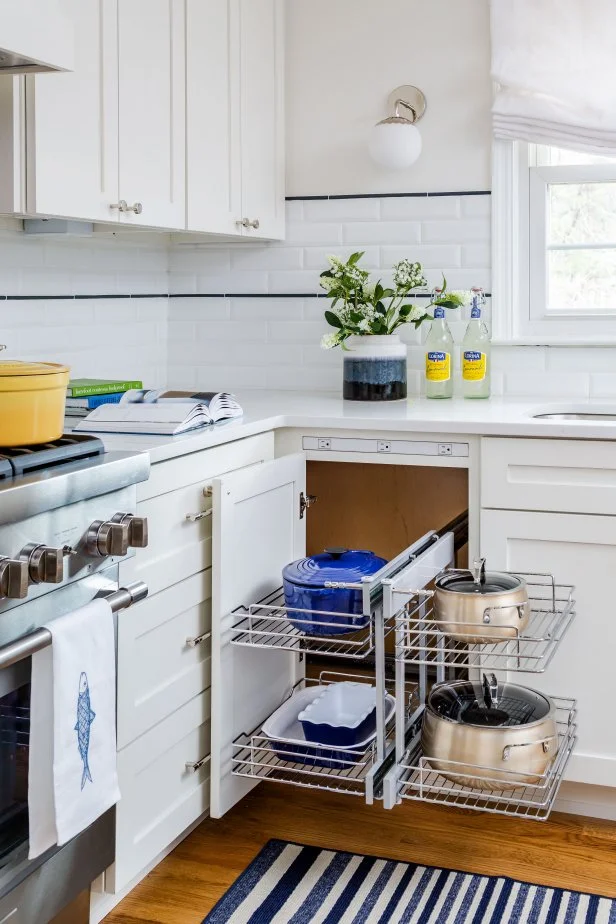
Pull-out drawers bring the back of your cabinet into reach, making use of vertical depth that often goes ignored. They help you organize spices, canned goods, or baking supplies in layers you can easily slide out. After adding pull-out drawers, I stopped losing items in the back and started using every inch of my cabinet efficiently.
Organize By Zones
Organizing your kitchen cabinet by zones can make daily cooking and cleaning tasks smoother and faster. Grouping items based on their function helps you find what you need without rummaging through every shelf. It also keeps your kitchen tidy and efficient.
Create Cooking Zone
Reserve a cabinet near your stove or cooktop for all your cooking essentials. Store pots, pans, spatulas, and frequently used spices here. This way, everything you need while cooking is within arm’s reach.
Keep heavier items like cast iron skillets on lower shelves for easy access. Use drawer organizers for utensils to prevent clutter. Have a small shelf or rack for oils and frequently used seasonings to speed up your cooking process.
Set Up Baking Zone
Find a separate cabinet or section for baking supplies like mixing bowls, measuring cups, baking sheets, and ingredients. Organize dry ingredients such as flour, sugar, and baking powder in airtight containers to keep them fresh.
Stack bakeware neatly and consider using vertical dividers for cutting boards and trays. This zone helps you focus on baking without having to hunt through your cooking tools. Have you noticed how much easier baking feels when everything is right there?
Designate Cleaning Zone
Keep all cleaning products, sponges, dish soap, and garbage bags in a cabinet under the sink. Use small bins or pull-out trays to keep everything organized and easy to reach.
Separate hazardous items like bleach or strong cleaners from everyday dishwashing supplies. This zone should be practical and safe, minimizing the hassle during kitchen cleanups. Do you find yourself avoiding cleaning chores because your supplies are hard to find?
Use Clear Containers
Using clear containers in kitchen cabinets makes everything visible and easy to find. They keep your items neat and help you track supplies quickly. Clear containers also create a uniform look and save space by stacking well.
Choose Airtight Jars
Airtight jars keep food fresh longer. They stop moisture and pests from spoiling your ingredients. Pick jars with secure lids for cereals, grains, and spices. Clear airtight jars show what’s inside without opening.
Label Containers
Labels help identify contents at a glance. Use simple, easy-to-read labels for every container. Write the item name and expiration date. This keeps your kitchen organized and avoids confusion while cooking.
Standardize Container Sizes
Using containers of similar size saves space and looks tidy. Standard sizes fit better on shelves and stack neatly. This makes arranging your kitchen cabinet easier and improves accessibility.
Utilize Cabinet Doors
Utilizing the inside of your kitchen cabinet doors can free up shelf space and keep frequently used items within easy reach. These often overlooked surfaces are perfect for organizing small kitchen tools and supplies. Adding storage solutions to your cabinet doors can make your kitchen more functional without cluttering your countertops.
Mount Spice Racks
Mounting spice racks on the inside of cabinet doors keeps your spices visible and accessible. Instead of digging through a drawer, you can quickly grab what you need while cooking. Slim racks or magnetic strips work well and don’t take up much space.
Think about how often you reach for spices during meal prep. Would having them right on the door speed up your process? It’s a simple change that makes a big difference in kitchen flow.
Attach Small Baskets
Small baskets attached to cabinet doors are great for holding items like snack bags, packets, or even kitchen towels. These baskets keep small items from cluttering your shelves or drawers. Choose baskets with sturdy hooks or adhesive backs to avoid damage to your cabinets.
You can customize baskets by size and shape to fit what you use most. Have you ever lost track of those little seasoning packets? A basket on the door can solve that problem.
Hang Measuring Tools
Measuring spoons and cups can get tangled in drawers or lost in clutter. Hanging them on cabinet doors keeps them organized and easy to find. Use small hooks or adhesive hangers to keep sets together and ready for use.
Imagine grabbing your measuring tools instantly instead of searching every time you bake or cook. This simple setup saves time and reduces frustration during busy kitchen moments.
Maintain Easy Accessibility
Ensuring that your kitchen cabinets are organized with easy accessibility in mind can transform your cooking experience from chaotic to seamless. Imagine reaching effortlessly for that pot or spice without rummaging through piles. A well-organized cabinet saves time and reduces stress, making cooking a joy rather than a chore.
Store Daily Use Items Front
Keep the items you use every day at the front of your cabinets. This not only saves time but also prevents unnecessary clutter. Whether it’s your favorite mug or the go-to spices, having them within easy reach can make your kitchen routine smoother.
Ask yourself: Which items do I reach for most often? Placing these at the forefront ensures efficiency and ease. This simple change can make a big difference in your daily kitchen tasks.
Group Similar Items Together
Organize your cabinets by grouping similar items together. This creates a logical flow and helps you find things quickly. Consider using baskets or dividers to keep like items in one place.
For instance, store all your baking supplies in one area and your cooking oils in another. This not only makes items easy to find but also helps keep your cabinets tidy. You’ll spend less time searching and more time enjoying your culinary creations.
Keep Heavy Items Low
Place heavy items like pots and pans on lower shelves to prevent accidents. This ensures safety and makes these items easier to lift and put away. No one wants to struggle with a heavy casserole dish on a high shelf.
Think about the last time you had to stretch awkwardly to reach something heavy. By storing these items at a lower level, you protect yourself and your cabinets from potential damage. Plus, it just makes sense for practicality and ease of use.
Incorporate Space-saving Tools
Space-saving tools like stackable shelves and pull-out baskets maximize cabinet space efficiently. These tools keep items organized and easy to reach. Use them to fit more in smaller areas without clutter.
Incorporating space-saving tools in your kitchen cabinet can transform your storage. They help maximize the available space, keeping everything organized and easy to access. Small kitchens especially benefit from these clever tools. They make finding and reaching items a breeze. Let’s explore some effective tools that can enhance your kitchen cabinet organization.
Use Lazy Susans
A Lazy Susan is a rotating tray that offers easy access. Place one in your cabinet to store spices or condiments. It allows you to see and reach items at the back without hassle. Available in various sizes, they fit in most cabinets. This tool helps maintain order and saves time during meal prep.
Add Tension Rods
Tension rods are versatile and easy to install. Use them to create dividers for cutting boards or baking sheets. They can also hold cleaning supplies upright. Adjust them to fit your cabinet’s size. This simple addition keeps items organized and accessible.
Employ Tiered Organizers
Tiered organizers add levels to your cabinet storage. They are perfect for canned goods or small containers. The different levels allow you to see each item clearly. This reduces clutter and makes everything easy to reach. Choose from various sizes to fit your needs. Their stackable design maximizes vertical space efficiently.
Credit: www.hgtv.com
Regularly Declutter Cabinets
Regularly decluttering your kitchen cabinets is a key habit that keeps your space functional and inviting. It prevents clutter from piling up and makes sure you only keep what you truly need. Clearing out unnecessary items also creates room for new essentials and helps you stay organized effortlessly.
Remove Expired Items
Expired food and spices not only waste space but can also affect the taste of your meals. Make it a habit to check expiration dates every few months. Toss anything past its prime—this frees up valuable shelf space and keeps your kitchen safe.
Have you ever opened a cabinet only to find old cans or forgotten packets? Clearing those out can be surprisingly satisfying and instantly declutters your shelves.
Donate Unused Tools
Look around for kitchen gadgets or utensils you never use. Maybe that smoothie maker or the extra set of measuring cups has been gathering dust. Donating these items helps someone else while reducing your clutter.
Think about it: if you haven’t touched a tool in six months, it probably doesn’t belong in your daily kitchen routine. Giving it away is a simple way to make your space more efficient.
Reassess Storage Needs
After clearing out expired foods and unused tools, take a moment to rethink how you store items. Does your current setup match your cooking habits? You might find that rearranging shelves or adding organizers can make a big difference.
Ask yourself: Are frequently used items easy to reach? Could you group similar things together better? Adjusting your storage to fit your lifestyle can transform your kitchen into a more enjoyable place to cook.

Credit: food52.com
Frequently Asked Questions
How To Organize Kitchen Cabinets Efficiently?
Organize kitchen cabinets by grouping similar items together. Use clear containers and labels for easy access. Prioritize frequently used items at eye level. Utilize vertical space with stackable shelves. Regularly declutter to maintain order and improve kitchen workflow.
What Are The Best Containers For Kitchen Cabinets?
Opt for airtight, clear containers to keep food fresh and visible. Choose stackable, uniform-sized containers to maximize space. Use labeled bins for spices, grains, and snacks. Durable materials like glass or BPA-free plastic work best for longevity.
How To Maximize Space In Small Kitchen Cabinets?
Use adjustable shelves and pull-out drawers to increase accessibility. Install hooks or racks on cabinet doors for hanging utensils. Utilize vertical dividers for cutting boards and baking sheets. Declutter regularly and store infrequently used items elsewhere.
Where Should Heavy Kitchen Items Be Stored?
Store heavy items like pots and pans in lower cabinets to avoid accidents. Place them near the stove or prep area for convenience. Use sturdy shelves or pull-out racks to support their weight and ensure easy access.
Conclusion
Organizing your kitchen cabinet saves time and reduces stress. Place items you use often within easy reach. Group similar things together to find them fast. Use containers and labels to keep order clear. Regularly check and tidy your cabinet to maintain space.
A neat kitchen cabinet makes cooking more enjoyable. Simple steps create a clean, efficient kitchen area. Start small and build your organization skills daily. Your kitchen will feel brighter and more welcoming.