

Imagine coming home after a long day, eager to sink into the cozy comfort of your sofa. But as you approach, you notice unsightly stains and a stale odor that makes you hesitate.
Your sofa is more than just a piece of furniture; it’s a central part of your home, where memories are made, guests are entertained, and relaxation is paramount. Keeping it clean not only ensures a welcoming space but also extends its life and maintains its beauty.
You might wonder, how can you effectively clean your sofa without the hassle of professional services? Rest assured, you’re not alone in this quest for a spotless and inviting living space. In this guide, you’ll discover simple, step-by-step techniques to clean your sofa at home, using items you likely already have. Let’s delve into the secrets of a pristine sofa that you’ll be proud to show off.
Sofa Material Identification
Identifying the material of your sofa is crucial for effective cleaning. Check for tags or labels with fabric details. Knowing whether it’s leather, microfiber, or fabric helps in choosing the right cleaning method.
Identifying the material of your sofa is crucial to ensure effective cleaning without causing damage. Each material demands a unique approach, and knowing what you’re working with can save you from costly mistakes. Imagine accidentally using a water-based cleaner on leather—disaster! Let’s dive into how you can confidently identify your sofa material and tackle cleaning like a pro.
Fabric Types
Fabric sofas are popular for their comfort and style. You might have a cotton, linen, or even a wool blend. Each type reacts differently to cleaning agents. Check for tags or labels tucked underneath cushions or along the seams. These often provide insights into the fabric type and care instructions. If the tags are missing, a simple test can help: lightly apply a small amount of water to a hidden area. If it absorbs quickly, it’s likely a natural fiber. If it beads up, you might be dealing with a synthetic blend.
Leather Characteristics
Leather sofas exude luxury but require specific care to maintain their sheen. Identifying the leather type is vital—are you working with full-grain, top-grain, or faux leather? Genuine leather often feels warm and supple, with natural imperfections. Faux leather, on the other hand, tends to have a more uniform appearance and feels cooler. A quick tip: gently scratch a hidden area with your fingernail. Real leather will show a minor mark that can be buffed out, while faux leather won’t show any change.
Synthetic Materials
Synthetic sofas are versatile and often less expensive than their natural counterparts. These can include polyester, nylon, or acrylic blends. To identify synthetic material, look for a sheen or shine that is not present in natural fibers. A synthetic blend often feels smoother and cooler to the touch. Consider this: do you have pets or kids? Synthetic materials might be your best friend due to their durability and stain resistance. This could influence your cleaning strategy significantly. Understanding your sofa material is like decoding a secret language. Once you know what you’re dealing with, you can approach cleaning with confidence. Have you ever discovered something surprising about your sofa’s material? Share your experiences and learnings!
Gathering Cleaning Supplies
Gather essential cleaning supplies like a vacuum, mild detergent, and soft cloths. These tools help remove dirt and stains effectively. Always check your sofa’s material before starting the cleaning process.
Cleaning your sofa at home can be a satisfying task, especially when you see the results of your effort. Before diving into the actual cleaning process, it’s crucial to gather the right supplies. Having everything you need at your fingertips not only makes the task quicker but also ensures you achieve the best results without damaging your beloved sofa.
Essential Tools
Start with a vacuum cleaner, preferably one with a brush attachment, to remove dust and debris from your sofa’s fabric. A good handheld vacuum can also work wonders for those hard-to-reach crevices. You’ll also need a set of microfiber cloths. These are gentle on fabric yet effective at picking up dirt and moisture without leaving lint behind. A bucket and a soft-bristled brush will help you tackle stains and spills. A small bowl or measuring cup can assist in mixing cleaning solutions accurately.
Recommended Cleaning Products
Look for a fabric cleaner that’s specifically designed for upholstery. These cleaners are formulated to be gentle on fabric but tough on stains. If your sofa is made of leather, invest in a high-quality leather cleaner and conditioner. This will not only clean but also nourish and protect your leather sofa from cracking. For fabric sofas, an enzyme-based cleaner can be a game-changer for removing organic stains like food and drink spills.
Natural Alternatives
If you prefer a chemical-free approach, consider using baking soda. It’s excellent for absorbing odors and loosening dirt particles. Vinegar, mixed with water in a 1:1 ratio, is another great natural cleaner. It’s effective against stains and helps disinfect your sofa without harsh chemicals. Essential oils can add a fresh scent to your cleaning routine. A few drops mixed with baking soda or vinegar can make your sofa smell delightful. Have you ever considered combining these natural ingredients? Mixing them can create an eco-friendly solution that’s both effective and safe for your family.
Spot Treatment Techniques
Spot treatment techniques can effectively clean your sofa at home. Gently blot stains with a mild detergent solution. Use a soft cloth to dab, not rub, to avoid fabric damage.
Cleaning your sofa at home doesn’t have to be a daunting task, especially when you focus on spot treatment techniques. Addressing stains promptly can prevent them from becoming permanent eyesores. Whether you’re dealing with a splash of red wine, a smudge of chocolate, or a child’s artistic marker masterpiece, having the right approach can save you from costly professional cleaning. Let’s explore some effective techniques to handle those pesky spots.
Handling Stains
The key to tackling stains is speed. As soon as you notice a spill, blot—not rub—the area with a clean cloth to absorb as much liquid as possible. Rubbing can spread the stain and damage fabric fibers. You might be surprised at how much you can remove just by blotting. After blotting, assess the type of stain you’re dealing with. Different stains require different approaches. For instance, greasy spots might need a sprinkle of baking soda to absorb the oil before vacuuming it up.
Using Homemade Solutions
You don’t always need expensive cleaners to remove stains effectively. Common household items can work wonders. A simple mixture of white vinegar and water can tackle a wide range of stains. For a more stubborn stain, consider mixing a teaspoon of mild dish soap with two cups of warm water. Lightly dab the solution onto the stain with a clean cloth, then blot with another cloth to lift the stain. Always test any solution on a hidden part of your sofa to ensure it doesn’t discolor the fabric.
Avoiding Common Mistakes
It’s easy to make mistakes when you’re in a hurry to clean up a spill. One common error is using too much water or cleaning solution, which can leave residues and even mold growth if not dried properly. Always use solutions sparingly. Another mistake is scrubbing vigorously. This can fray the fabric and worsen the stain. Instead, use gentle dabbing motions. Have you ever tried to clean a stain only to find it spreads or becomes more pronounced? This often happens when using the wrong cleaning product. Always check your sofa’s care label and choose products accordingly. By being mindful of these techniques, you can maintain a clean and inviting sofa, enhancing the comfort of your living space.
Credit: www.woodenstreet.com
Deep Cleaning Methods
Vacuum the sofa to remove dust and crumbs. Mix mild detergent with warm water. Gently scrub with a soft cloth. Rinse with clean water and blot with a dry towel. Allow the sofa to air dry completely.
Deep cleaning your sofa at home can be a rewarding task. It not only enhances the appearance but also prolongs the life of your furniture. You might wonder what the best techniques are for achieving a spotless sofa. Let’s explore some practical methods that can make a significant difference.
Vacuuming Tips
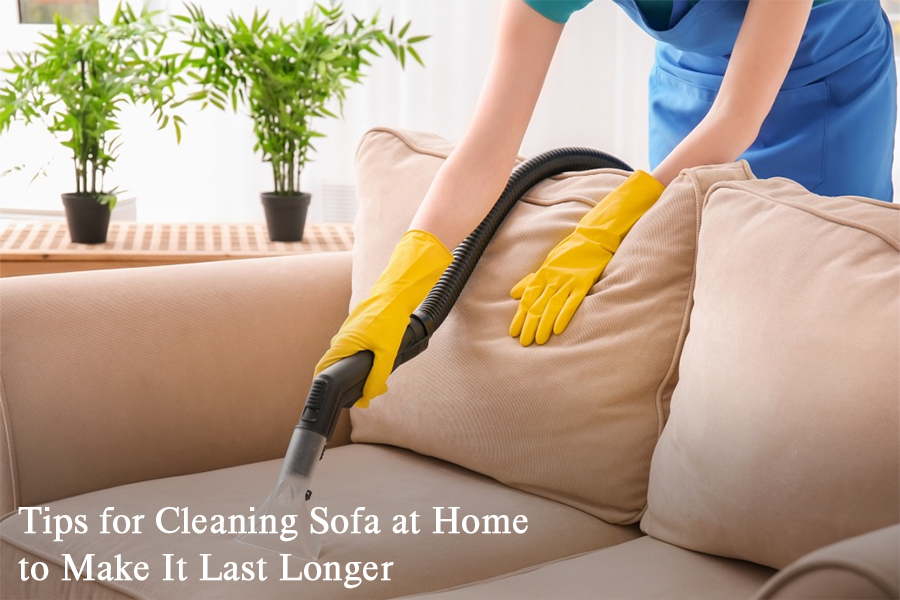
Regular vacuuming is key to maintaining a clean sofa. Use a vacuum cleaner with a brush attachment to gently remove dust and debris. Focus on seams and corners where dirt tends to accumulate. Have you ever considered vacuuming your sofa like you do your carpets? It’s surprisingly effective!
Steam Cleaning Process
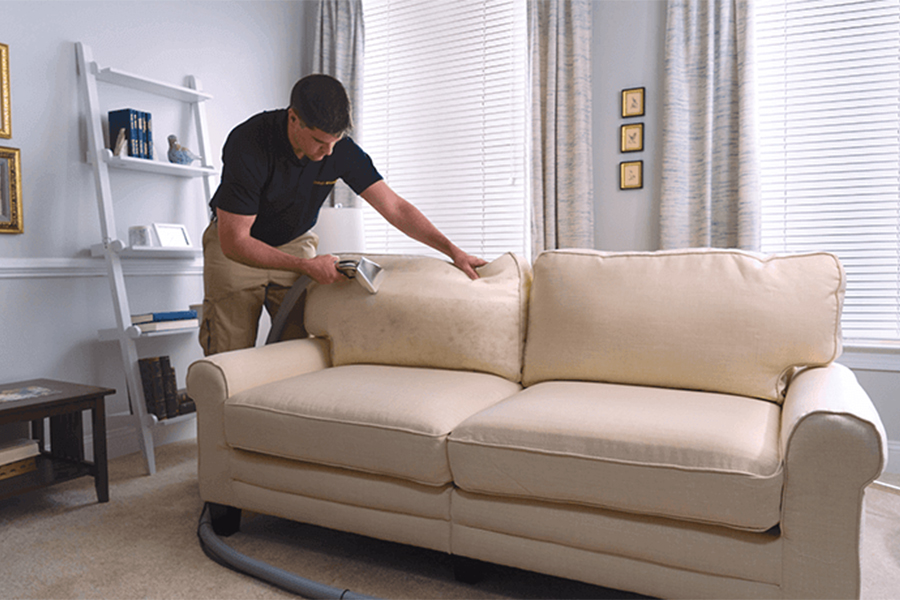
Steam cleaning can be a game changer for deep cleaning your sofa. Start by checking the fabric’s care label to ensure it’s safe for steam cleaning. Fill your steam cleaner with water, and test it on a small, inconspicuous area first. The warmth of the steam can dissolve stubborn dirt and grime, leaving your sofa refreshed.
Using Baking Soda
Baking soda is a wonderful natural deodorizer. Sprinkle a generous amount over your sofa and let it sit for at least 15 minutes. This time allows baking soda to absorb odors and loosen dirt. Afterward, vacuum up the powder. Have you noticed how baking soda brightens and freshens your cushions effortlessly?
Leather Sofa Care
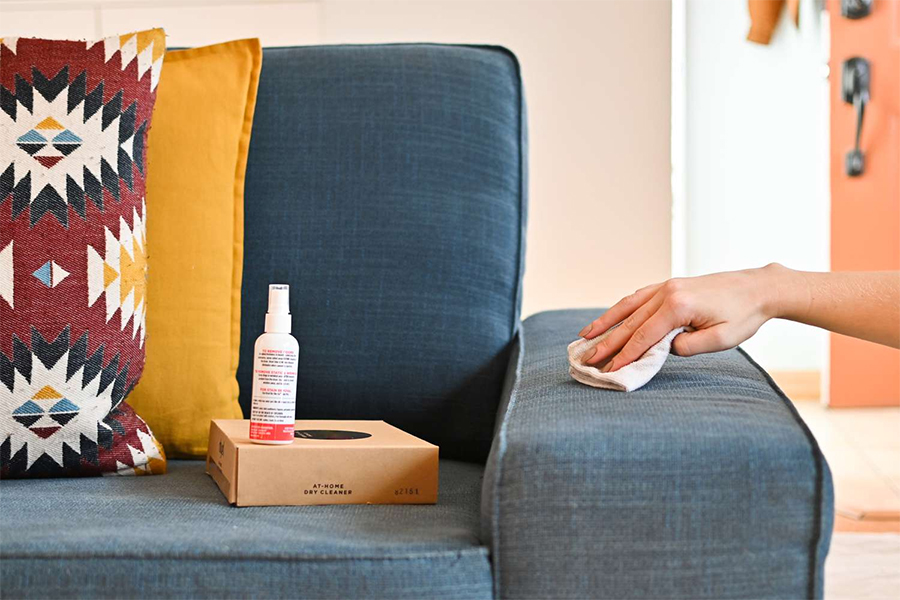
Maintain your leather sofa’s elegance by using gentle cleaning methods. Start with a damp cloth to remove dust and spots. Apply a mild soap solution for deeper stains, then dry with a clean towel.
Leather sofas add elegance to any room. They require special care to stay beautiful. Regular maintenance ensures your leather sofa remains durable and appealing. Let’s explore the best practices for leather sofa care.
Conditioning Leather
Leather needs conditioning to prevent drying and cracking. Use a high-quality leather conditioner. Apply it every six months. First, clean the sofa with a damp cloth. Make sure it’s free of dust and dirt. Then, apply a small amount of conditioner. Use a soft cloth to massage it into the leather. This keeps the leather soft and supple.
Removing Scratches
Scratches can happen, but they’re easy to fix. Start by cleaning the area with a damp cloth. Let it dry completely. Use a leather repair kit for deeper scratches. For minor scratches, use a small amount of olive oil. Gently rub it into the scratch. This helps to conceal minor imperfections.
Maintaining Shine
A shiny leather sofa looks stunning. Regular dusting helps maintain its shine. Use a soft, dry cloth to wipe the surface weekly. Avoid using water, as it can dull the finish. Consider using a leather polish. Apply it sparingly and buff gently. This enhances the natural sheen of the leather. Always test products on a small area first.
Credit: www.woodenstreet.com
Fabric Sofa Maintenance
Regular cleaning keeps your fabric sofa fresh and inviting. Vacuum the surface to remove dust and crumbs. For stains, gently blot with a damp cloth and mild soap.
Fabric Sofa Maintenance Maintaining the charm of your fabric sofa doesn’t have to be a daunting task. A few simple steps can keep it looking as good as new. Let’s explore some easy ways to maintain your fabric sofa at home.
Regular Dusting
Dust can accumulate on your sofa, making it look dull and tired. Use a vacuum with a brush attachment to gently remove loose dirt and dust from the fabric. Doing this weekly prevents buildup and keeps your sofa fresh.
Preventing Fabric Fading
Direct sunlight is the enemy of vibrant fabric. Consider rearranging your room to keep the sofa away from windows or use sheer curtains to diffuse sunlight. This simple change can make a big difference in preserving the color of your sofa.
Odor Elimination
A fabric sofa can sometimes trap unwanted smells. Sprinkle baking soda over the sofa and let it sit for about 15 minutes. Vacuum it off to eliminate odors and leave your sofa smelling clean and fresh. Remember that small, regular actions can prevent bigger issues down the line. How do you care for your sofa to keep it looking its best?
Safety Precautions
Before cleaning your sofa, test cleaning products on a hidden spot. Ensure proper ventilation to avoid inhaling fumes. Wear gloves to protect your skin during the cleaning process.
Cleaning your sofa at home can be straightforward with the right approach. Yet, it’s crucial to follow safety precautions. These steps ensure your sofa remains undamaged, and your health is not compromised. Proper care extends the life of your furniture and keeps it looking new.
Avoiding Damage
Before cleaning, identify the sofa’s material. Check the manufacturer’s label for guidance. Use recommended cleaning products only. Test a small, hidden area first. This helps avoid unwanted color changes or fabric damage. Use gentle brushes or cloths. Avoid harsh scrubbing to prevent wear and tear.
Handling Chemicals Safely
Read all labels on cleaning products carefully. Wear gloves to protect your skin. Ensure the room is well-ventilated to avoid inhaling fumes. Store chemicals out of reach of children and pets. Avoid mixing different cleaning agents. Some combinations can release harmful gases.
Protecting Surroundings
Cover the floor around your sofa with old sheets or towels. This prevents cleaning solutions from staining or damaging your flooring. Keep electrical items away from the cleaning area. Water and electricity are a dangerous mix. Ensure any nearby furniture is protected from splashes. Keep a mop or cloth handy for any spills.
Credit: www.woodenstreet.com
Frequently Asked Questions
What Is The Best Way To Clean A Fabric Sofa?
Vacuum the fabric sofa regularly to remove dust and debris. Use a fabric cleaner or mild soap solution for stains. Test on a small area first. Blot stains gently with a clean cloth. Let the fabric air dry completely before use.
How Do You Deep Clean A Couch By Yourself?
Vacuum the couch thoroughly to remove dust and debris. Mix mild detergent with warm water for cleaning. Use a soft brush to scrub stains gently. Wipe with a damp cloth to remove soap residue. Let the couch air dry completely before use.
Repeat as needed for stubborn stains.
How To Clean Your Dirty Sofa At Home?
Vacuum your sofa to remove dust and debris. Mix mild detergent with warm water. Gently scrub stains using a soft brush. Wipe with a damp cloth and let it air dry. Use a fabric-safe cleaner for tough stains. Regular cleaning maintains your sofa’s appearance and longevity.
Is It Better To Shampoo Or Steam Clean A Couch?
Steam cleaning is often better for couches. It effectively removes dirt and allergens without harsh chemicals. Shampooing might leave residue or cause fabric damage. Always check the couch label before cleaning. Steam cleaning is eco-friendly and quicker, making it a preferred choice for maintaining upholstery.
Conclusion
Your sofa can look new with simple cleaning steps. Always check the fabric type before cleaning. Use the right products for the best results. Regular cleaning keeps your sofa fresh. Vacuum it weekly to remove dust. Spot clean stains immediately to avoid permanent marks.
A clean sofa improves the look of your room. Enjoy a comfortable seating experience every time. Follow these tips for a cozy and inviting space. Cleaning a sofa at home is easy and rewarding. You’ll feel proud of your sparkling clean furniture.
Keep your sofa clean and enjoy a fresh living room atmosphere.