
Imagine sinking into the soft embrace of your leather sofa after a long day. It’s a piece of furniture that exudes luxury and comfort.
But what happens when life leaves its mark in the form of spills, stains, or everyday dirt? If you’ve been wondering how you can clean your leather sofa without damaging it, you’re in the right place. This guide will show you simple and effective methods to restore your sofa’s pristine condition, ensuring it remains the centerpiece of your living room.
You’ll discover easy-to-follow tips that make cleaning feel less like a chore and more like a rewarding experience. Keep reading to unlock the secrets of maintaining your leather sofa’s elegance for years to come.
Types Of Leather
Leather sofas come in various types like full-grain, top-grain, and bonded leather, each requiring specific cleaning methods. Gentle soaps and damp cloths work best for maintaining the beauty of your leather sofa. Regular care keeps the sofa looking new and prevents damage over time.
When deciding how to clean your leather sofa, understanding the type of leather is crucial. Each type requires different care methods. Mistakes can lead to damage or discoloration. Have you ever wondered why some cleaning products work wonders on one sofa but ruin another? It all comes down to the leather type.
Aniline Leather
Aniline leather is often described as the most natural form of leather. It absorbs moisture, so it’s prone to stains. You might find it softer and more luxurious, but it doesn’t have a protective coating. Cleaning it demands special attention. Use a damp cloth and mild soap, and be gentle. Over-saturating can damage it. Test any product on a hidden area first.
Pigmented Leather
Pigmented leather is more robust and has a protective coating. It’s less susceptible to stains and scratches, making it ideal for families with kids and pets. You might notice it’s a bit stiffer than aniline leather. Cleaning is simpler here. Use a soft cloth and a leather cleaner designed for pigmented leather. Avoid harsh chemicals—they can strip the coating.
Suede And Nubuck
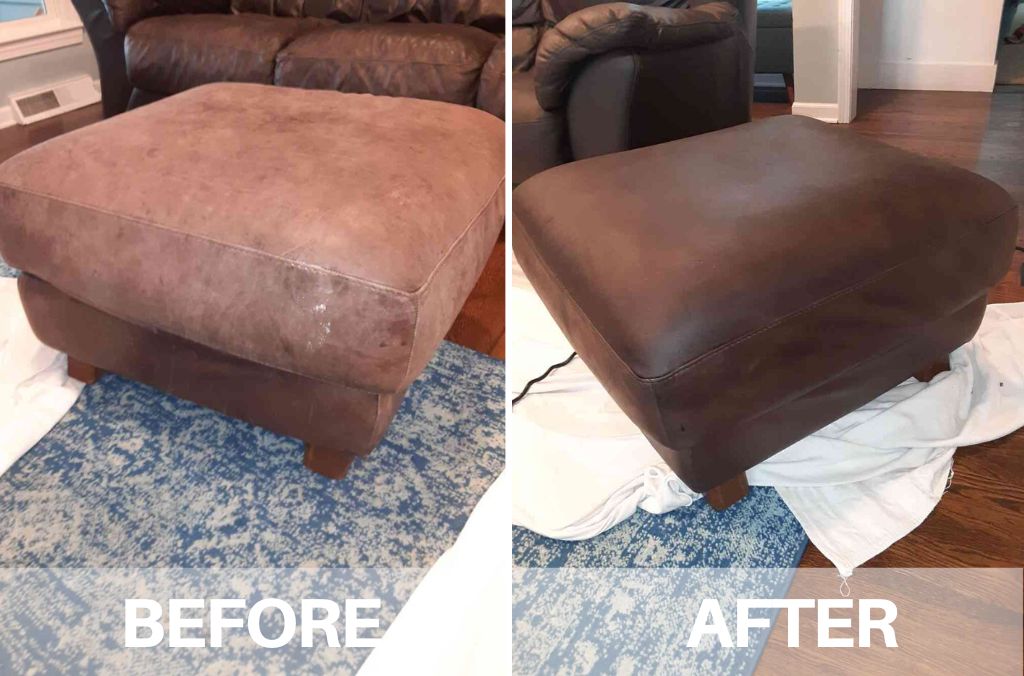
Suede and nubuck offer unique textures but are also delicate. Have you ever noticed how quickly they absorb spills? These types demand special care. Use a brush to remove dirt gently. For stains, a suede eraser can be effective. Be cautious with water; it can cause discoloration. Consider a protective spray to guard against future spills. Understanding your sofa’s leather type can save you time and stress. It helps you choose the right cleaning method and products. How do you care for your leather sofa? Share your experiences and tips.
Credit: chetscleaning.com
Tools And Supplies
Discover the essentials for cleaning a leather sofa. Use a soft cloth, mild soap, and water to gently wipe away dirt. Finish with a leather conditioner to maintain shine and prevent cracking.
Cleaning your leather sofa doesn’t have to be a daunting task. With the right tools and supplies, you can keep your furniture looking pristine and prolong its life. Have you ever wondered if you’re using the correct products? Let’s dive into some essentials you’ll need to effectively clean your leather sofa.
Cleaning Cloths
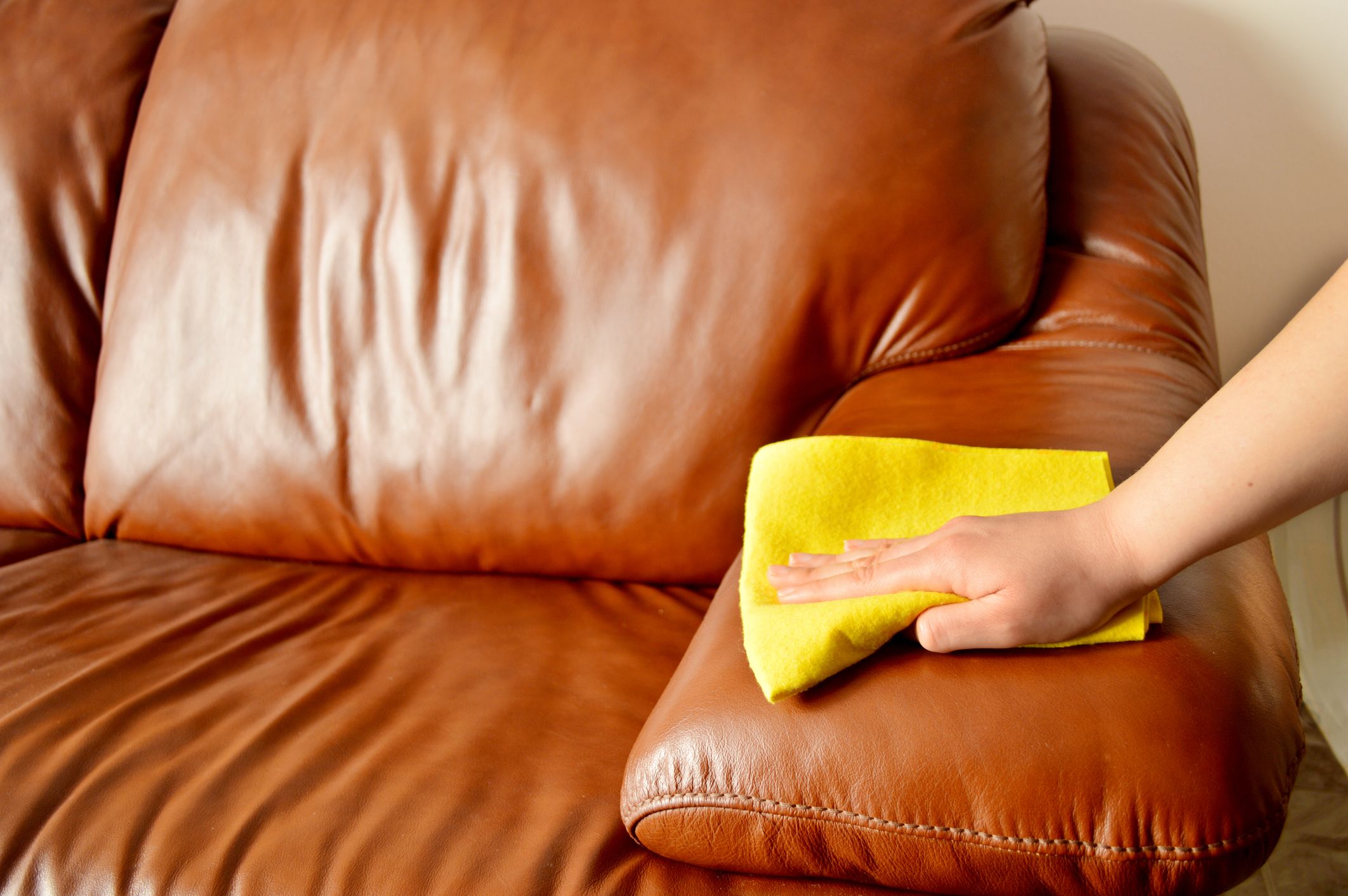
Using the right cloth can make a significant difference. Opt for soft, lint-free cloths to prevent scratching or damaging the leather surface. Microfiber cloths are a great choice. They’re gentle and absorbent, removing dirt without leaving residue. Think back to the last time you cleaned your sofa. Did you notice any streaks or fibers left behind? A quality cloth can eliminate these issues. Remember, your cloth should be clean and dry for best results.
Leather Cleaners
Choosing a leather cleaner can be overwhelming. The market is flooded with options. Look for a cleaner specifically designed for leather furniture. They usually have a balanced pH and don’t contain harsh chemicals. Test a small, hidden area first. This ensures the cleaner won’t discolor or damage your leather. A few drops on your cloth, and you’re ready to gently rub away dirt. Have you been relying on household cleaners? It might be time for an upgrade.
Conditioning Products
Conditioning is an essential step. It keeps your leather supple and prevents cracks. Leather conditioners replenish the natural oils, helping maintain the sofa’s texture and appearance. Consider this: how often do you condition your leather sofa? Experts suggest doing it every six months. A good conditioner can transform your leather from dry and dull to soft and vibrant. Look for a product that matches the finish of your leather. Ultimately, having the right tools and supplies can make cleaning your leather sofa an easy, enjoyable task. Whether it’s finding the perfect cloth or choosing a reliable cleaner, each choice impacts your sofa’s longevity. What steps will you take next to ensure your leather furniture stays as stunning as ever?
Routine Maintenance
Routine maintenance keeps your leather sofa looking fresh and inviting. Regular care prevents damage and extends its lifespan. A clean sofa enhances your living space and offers comfort. Follow these steps to maintain your leather sofa effortlessly.
Dusting And Vacuuming
Dust settles on leather surfaces over time. Use a soft cloth to wipe it away. This prevents dirt from embedding in the leather. Vacuum the sofa weekly to remove debris and crumbs. Use a brush attachment for gentle cleaning. This maintains the leather’s natural shine and texture.
Spot Cleaning
Accidental spills happen. Address them promptly to avoid stains. Use a damp cloth for immediate cleaning. Avoid soaking the leather. For tough spots, use a mild soap solution. Test it on a hidden area first. This ensures it won’t damage the leather. Dry the spot with a clean cloth to prevent moisture buildup.
Deep Cleaning Process
Deep cleaning your leather sofa can restore its original shine. This process removes stubborn stains and dirt. Regular cleaning is essential to maintain the leather’s condition. Follow these steps for a thorough clean.
Preparing The Sofa
Start by removing cushions and covers. Dust and vacuum the entire sofa. Use a soft brush attachment to avoid scratches. Check for any hidden debris in corners. Wipe the surface with a damp cloth. Ensure no moisture remains.
Applying Leather Cleaner
Select a cleaner suitable for your leather type. Test it on a hidden spot first. Apply the cleaner using a soft cloth. Rub gently in circular motions. Focus on stained areas. Avoid soaking the leather. Let the cleaner sit for a few minutes.
Drying Techniques
Use a dry, soft cloth to wipe the leather. Make sure all cleaner residue is gone. Allow the sofa to air dry naturally. Keep it away from direct sunlight. This prevents color fading. Avoid using hairdryers or heaters.
Conditioning Leather
Leather sofas are a luxurious addition to any home, offering both style and comfort. However, maintaining their pristine condition requires more than just regular dusting or wiping. Conditioning leather is an essential step in preserving its natural beauty and ensuring longevity. By choosing the right products and applying them correctly, you can keep your leather sofa looking and feeling amazing for years. But how do you go about it? Let’s dive into the essentials of leather conditioning.
Choosing The Right Conditioner
Not all leather conditioners are created equal. Some may enhance the leather’s shine, while others are designed to penetrate deeper and nourish the material. When selecting a conditioner, pay attention to the type of leather your sofa is made from. Is it full-grain, top-grain, or bonded leather?
Consider consulting with your sofa’s manufacturer or a leather expert. They can offer specific recommendations tailored to your leather type. Brands like Leather Honey or Chamberlain’s Leather Milk are often recommended for their quality and effectiveness.
Check the ingredient list. Avoid products with harsh chemicals that can strip the leather of its natural oils. Instead, opt for conditioners with natural ingredients like beeswax or lanolin.
Application Tips
Once you’ve selected the right conditioner, applying it correctly is crucial. Start by testing the conditioner on a small, inconspicuous area of the sofa. This ensures there are no adverse reactions or color changes.
Use a soft, clean cloth to apply the conditioner. You don’t need to drench the leather; a little goes a long way. Gently massage the conditioner into the leather in circular motions.
After applying, let the conditioner sit for a few minutes. This allows the leather to absorb the nourishing oils. Then, buff the surface with another clean cloth to remove any excess residue.
Have you ever noticed how some leather sofas develop an unsightly patina over time? Regular conditioning can prevent this. It’s a simple process that makes a significant difference. So, when was the last time you conditioned your sofa?
Stain Removal Tips
Leather sofas require gentle care for stain removal. Dab with a mixture of mild soap and water, then wipe with a soft cloth. Avoid harsh chemicals to keep your leather looking fresh and clean.
Cleaning a leather sofa can feel like a daunting task, especially when it comes to tackling those stubborn stains that seem to appear out of nowhere. Whether it’s an accidental ink mark, a splash of your favorite drink, or a greasy fingerprint, leather requires specific care to maintain its luxurious look. Let’s dive into some practical stain removal tips that can make your leather sofa look as good as new.
Removing Ink Stains
Ink stains are notorious for being difficult to remove. Yet, with the right approach, you can tackle this issue effectively. Begin by gently blotting the area with a dry cloth to absorb any excess ink. Avoid rubbing, as this can spread the stain. Use a cotton swab dipped in rubbing alcohol and lightly dab the stained area. This method often works wonders, but test it on a hidden part of your sofa first. Have you ever been surprised by the magic of simple household items?
Tackling Food And Drink Spills
Food and drink spills can turn your cozy movie night into a stressful clean-up session. Start by blotting the spill with a clean cloth. Prompt action prevents the stain from setting. Mix a mild soap with warm water, and use a soft cloth to gently clean the spill. Avoid soaking the leather, as too much water can damage it. Have you ever thought a simple soap solution could save your favorite sofa?
Dealing With Oil And Grease
Oil and grease stains are sneaky offenders that often go unnoticed until they set in. If you spot an oily mark, sprinkle cornstarch or baking soda on the stain. These powders are excellent at absorbing grease. Let it sit for a few hours, then brush it off gently. Follow up with a leather cleaner for best results. Have you considered how easily accessible kitchen items can be your leather sofa’s best friend? These tips offer a solid start to keeping your leather sofa pristine. What other household hacks have you discovered in your quest for a spotless home?
Preventive Measures
Preventive measures keep your leather sofa looking new for years. Simple steps can prevent damage and maintain its beauty. Start with protecting it from harmful elements.
Avoiding Sunlight Exposure
Sunlight can fade and crack leather over time. Position your sofa away from direct sunlight. Use blinds or curtains to block harsh rays. This helps in preserving the sofa’s color and texture. It also prevents the leather from drying out.
Using Protective Covers
Protective covers shield your sofa from spills and stains. Choose covers that fit snugly and match your decor. They provide a barrier against dirt and pets. Covers are easy to clean and prolong the sofa’s lifespan. Remove and wash them regularly for best results.
Credit: www.goodhousekeeping.com
Repair And Restoration
Your leather sofa is a cherished piece of furniture, offering elegance and comfort to your home. But over time, it may suffer from scratches and scuffs, and even lose its luster. Repairing and restoring your leather sofa can breathe new life into it, making it a centerpiece of your living space once again. Let’s explore how you can tackle these issues with effective solutions.
Fixing Scratches And Scuffs
Scratches and scuffs are common challenges for leather sofas. You might find them appearing after a weekend family gathering or a playful pet moment. Don’t worry, you can fix these blemishes without professional help.
To tackle minor scratches, grab a leather conditioner or cream. Apply it gently with a soft cloth, following the grain of the leather. This helps to blend the scratch with the surrounding area.
If the scratch is deeper, try using a leather repair kit. These kits often come with color-matching options to ensure a seamless finish. Carefully follow the instructions provided, and watch those scratches disappear.
Have you ever tried using olive oil for minor scuffs? Rub a small amount onto the scuff with a clean cloth, and buff it out. It works like magic, restoring the leather’s shine.
Professional Restoration Services
Sometimes, your sofa needs more than a DIY fix. If the leather is heavily worn or has extensive damage, consider reaching out to professional restoration services.
These experts offer tailored solutions, whether it’s re-dyeing faded leather or repairing torn sections. Their experience ensures that your sofa looks as good as new.
Wondering about the investment? Professional services may cost more upfront, but they extend the life of your sofa significantly. It’s a smart choice if your sofa holds sentimental value or if replacing it isn’t an option.
Have you ever pondered how a professional might transform your old sofa into a showpiece again? Their expertise might surprise you, bringing back memories of when you first bought it.
Would you prefer tackling the repairs yourself, or is professional help more appealing? Either way, the goal is to enjoy your leather sofa for years to come.
Common Mistakes
Avoid soaking leather with water to prevent damage. Use a soft cloth for cleaning. Choose mild soap solutions to preserve its texture.
Cleaning a leather sofa might seem straightforward, but mistakes happen. These errors can lead to damage or a dull appearance. Understanding common mistakes helps maintain your leather’s beauty and longevity. Here are some pitfalls to avoid.
Using Harsh Chemicals
Many think stronger chemicals clean better. This isn’t true for leather. Harsh chemicals strip natural oils. They leave the sofa dry and cracked. Always choose cleaners made for leather. These are gentle and preserve the leather’s quality.
Over-wetting The Leather
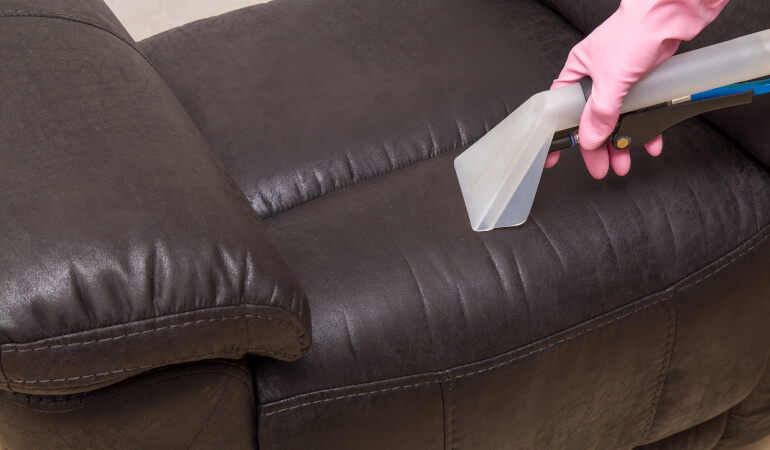
Leather doesn’t like excess moisture. Over-wetting can warp or stain the material. Use a damp, not wet, cloth for cleaning. Dry with a soft towel immediately. This keeps the leather safe from water damage. Avoid these common mistakes. Your leather sofa will thank you.
Credit: blog.fantasticcleaners.com
Frequently Asked Questions
How Do I Remove Stains From A Leather Sofa?
To remove stains, use a mixture of mild soap and water. Dampen a cloth with the solution and gently rub the stain. Avoid soaking the leather. Wipe with a clean, dry cloth afterward. For stubborn stains, consider using a commercial leather cleaner designed for your sofa type.
Can I Use Vinegar On My Leather Sofa?
Yes, vinegar can be used for cleaning leather sofas. Mix equal parts of vinegar and water. Dampen a cloth with the solution, then gently wipe the leather. Vinegar helps remove stains and odors. Always test on a small area first to ensure it doesn’t discolor the leather.
What’s The Best Way To Condition Leather Sofas?
Condition your leather sofa using a leather conditioner available in stores. Apply a small amount on a soft cloth. Gently rub it onto the sofa in circular motions. Conditioning helps keep the leather soft and prevents cracking. Do this every 6-12 months for best results.
Should I Avoid Sunlight On My Leather Sofa?
Yes, avoid placing your leather sofa in direct sunlight. Sunlight can cause the leather to fade and dry out. If unavoidable, use curtains or blinds to minimize exposure. Regular conditioning can also help protect the leather from sun damage.
Conclusion
Cleaning a leather sofa doesn’t have to be hard. With regular care, your sofa stays fresh and beautiful. Use gentle products for cleaning. Avoid harsh chemicals. They can damage leather. Soft cloths work best for wiping. Keep leather hydrated with conditioner.
It prevents cracks and fading. Always test products on a hidden spot first. This checks for reactions. Dust and dirt can dull leather. Clean it often to keep its shine. Your leather sofa can look new for years. Just take the time to care for it.
Enjoy a clean, cozy space every day.