

Are you tired of seeing your once-beautiful leather sofa looking worn and grimy? You’ve invested in this elegant piece of furniture, and it deserves the best care.
The good news is, you don’t need to be an expert or spend a fortune on professional cleaning services to restore its glory. Right from the comfort of your home, you can bring your leather sofa back to life. Imagine that satisfying feeling when you sink into your sofa, knowing it looks as impeccable as the day you bought it.
This guide will reveal simple, effective steps to clean your leather sofa, making it look fresh and inviting once again. Ready to discover the secrets to a spotless leather sofa? Let’s dive in!
Credit: cleanfanatics.com
Materials Needed
Gather a soft cloth, mild soap, and distilled water. A soft-bristled brush and leather conditioner are also essential.
Cleaning a leather sofa at home can feel like a daunting task, but with the right materials, it becomes manageable and effective. Imagine sitting comfortably on your gleaming sofa, knowing you’ve preserved its beauty with just a bit of effort. To achieve that, you need to gather a few essential items. The materials you choose will directly impact the success of your cleaning process. So, let’s delve into what you’ll need to get started.
Leather Cleaner
A specialized leather cleaner is a must-have. It’s formulated to gently cleanse without stripping the leather’s natural oils. Look for one that’s suitable for your specific leather type to avoid any damage.
Soft Cloths
Soft cloths are indispensable for wiping and buffing. Microfiber cloths work wonders as they are gentle yet effective at picking up dirt and grime without scratching the surface.
Vacuum Cleaner With Brush Attachment
A vacuum cleaner equipped with a brush attachment helps remove dust and debris from crevices and seams. This step is crucial before applying any cleaner to prevent dirt from embedding into the leather.
Distilled Water
Using distilled water prevents mineral deposits from tap water, which can stain or damage the leather. It’s perfect for diluting cleaners and wiping down the sofa.
White Vinegar
White vinegar is a natural cleaning agent. Mixed with water, it can help tackle tough stains and odors. Just ensure you patch test first to avoid discoloration.
Leather Conditioner
A leather conditioner replenishes the natural oils and keeps the leather supple. It’s the finishing touch that enhances the sofa’s appearance and longevity.
Soft Brush
A soft brush aids in gently loosening dirt from textured leather surfaces. Opt for a brush with soft bristles to avoid scratching or damaging the leather.
Spray Bottle
A spray bottle allows for even distribution of cleaning solutions. It’s especially useful for mixing diluted vinegar solutions and applying them uniformly.
Bucket
A bucket is handy for mixing solutions and holding water for rinsing cloths. Make sure it’s clean to avoid introducing contaminants during the cleaning process. By having these materials on hand, you’ll be ready to tackle any leather sofa cleaning challenge. Are there any items on this list you hadn’t considered?
Preparing The Sofa
Gather supplies like a soft cloth, mild soap, and distilled water. Remove dust and debris with a vacuum.
Cleaning a leather sofa requires careful preparation. Proper preparation ensures effective cleaning without damaging the leather. It’s the first and crucial step before applying any cleaning solution. Begin with a clean, clutter-free area. This makes the cleaning process smooth and efficient.
Clearing The Area
Start by removing nearby items. This prevents accidental spills or stains. Ensure the space around the sofa is clear.
Removing Cushions And Throws
Take off all cushions and throws. These items can trap dirt and dust. Removing them allows for thorough cleaning.
Vacuuming The Surface
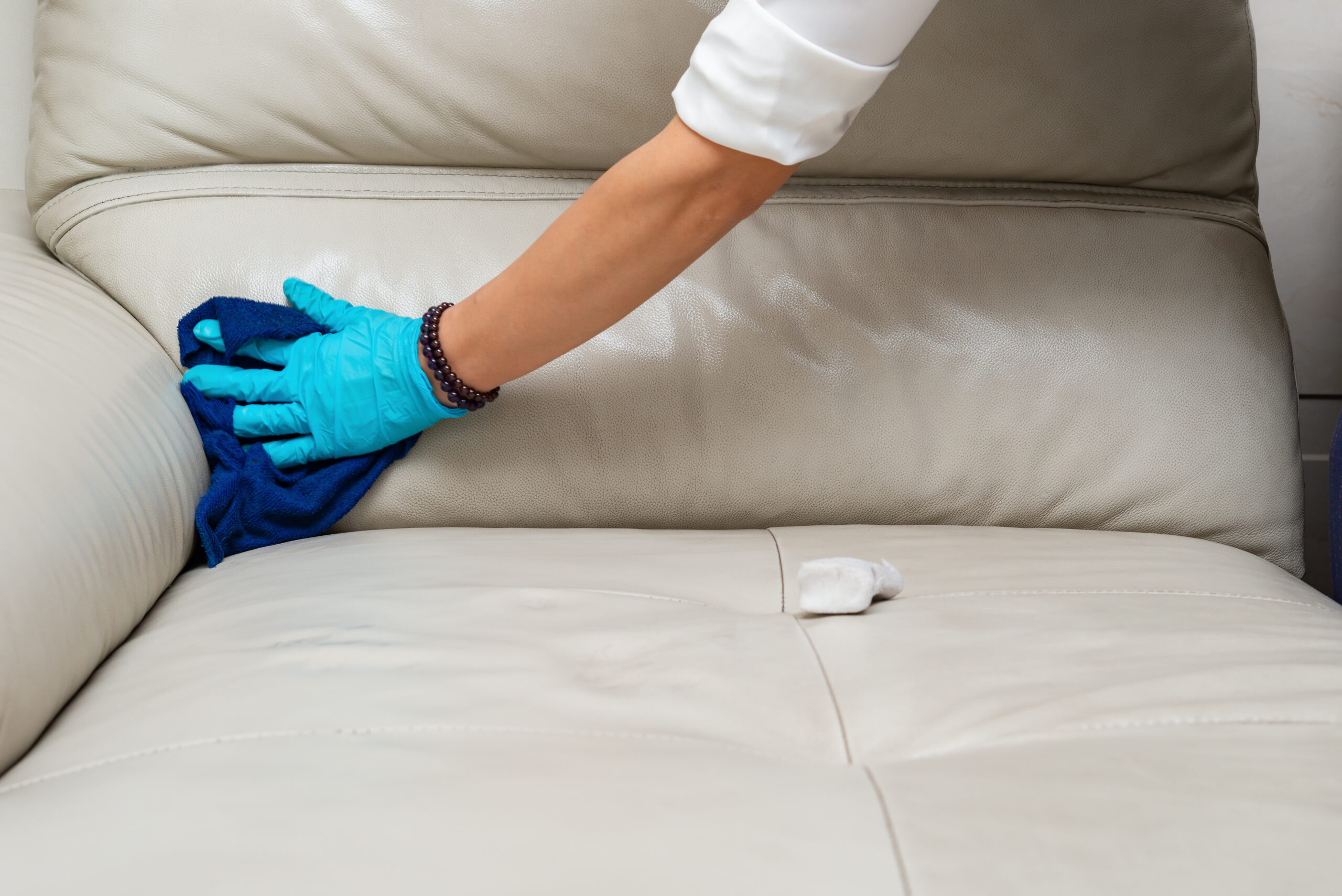
Use a vacuum cleaner with a soft brush attachment. Gently vacuum the sofa’s surface to remove dust and debris. Pay special attention to crevices and seams.
Inspecting For Stains And Damage
Examine the sofa for any stains or damage. Identifying these spots early helps in addressing them effectively. Note any areas that need special attention.
Gathering Cleaning Supplies
Collect all necessary cleaning supplies. You will need a soft cloth, mild soap, and distilled water. Having everything ready saves time and ensures a smooth process.
Vacuuming Dust And Debris
Start by vacuuming the leather sofa to remove dust and debris. Use a soft brush attachment to avoid scratches. This keeps the surface clean and ready for further cleaning steps.
Cleaning your leather sofa keeps it looking fresh and elegant. Vacuuming is the first step to remove dust and debris. This simple task can make a huge difference. It prevents dust from settling into the leather, which can cause damage over time. Regular vacuuming helps maintain the sofa’s appearance and prolongs its life.
Choose The Right Vacuum Attachment
Select a soft brush attachment for your vacuum. This prevents scratches on the leather surface. A crevice tool is also useful for reaching tight spaces.
Test The Vacuum On A Small Area
Before vacuuming the entire sofa, test on a hidden spot. This ensures the attachment is safe for your leather.
Begin With The Sofa’s Cushions
Remove the cushions if possible. Vacuum both sides thoroughly. Pay attention to seams where dust collects.
Vacuum The Sofa’s Surface
Gently run the vacuum across the sofa. Use a steady, even motion. Do not press down hard.
Focus On The Sofa’s Crevices
Use the crevice tool for corners and folds. Dust often hides in these areas.
Finish With The Sofa’s Base
Vacuum the base and legs of the sofa. Dust can settle here unnoticed.
Check For Missed Spots
Inspect the sofa for any missed areas. Re-vacuum if necessary. Regular vacuuming keeps your leather sofa clean and inviting.
Credit: krasivocleaning.com
Spot Treatment Techniques
Cleaning a leather sofa at home involves careful spot treatment techniques. These techniques help maintain the sofa’s appearance and extend its life. Start by identifying stains and choosing the right cleaner. Both are crucial for effective cleaning.
Identifying Stains
Not all stains on leather are the same. Grease stains differ from ink stains. Each requires a unique approach. First, examine the stain closely. Determine its type. This helps in selecting an appropriate treatment method. Remember, immediate action can prevent permanent damage.
Choosing The Right Cleaner
Using the wrong cleaner can harm leather. Always opt for cleaners designed for leather. Test any product on a hidden area first. This ensures it won’t discolor or damage the leather. For homemade solutions, mild soap and water often work well. Avoid harsh chemicals or abrasive cleaners. They can strip the leather’s natural oils.
Deep Cleaning Process
Your leather sofa is more than just a piece of furniture; it’s a stylish centerpiece that adds elegance to your living space. But maintaining its pristine look requires a bit of effort. Deep cleaning your leather sofa at home can revive its shine and prolong its life. It’s not as daunting as it might sound, and you don’t need to be a professional to achieve great results. With the right tools and techniques, your sofa can look as good as new. Let’s dive into the process.
Using Leather Cleaner
Choose a high-quality leather cleaner designed specifically for furniture. It’s essential to avoid harsh chemicals that might damage the leather.
- Test the cleaner on a small, hidden area first to ensure it’s safe for your sofa.
- Apply the cleaner using a soft cloth, gently wiping the entire surface in a circular motion.
- Focus on areas with stains or dirt buildup for a thorough cleanse.
Have you noticed how a good cleaner can make a visible difference? It’s almost magical to watch the dirt lift away, revealing the original color and texture.
Applying Conditioner
Once your sofa is clean, conditioning is the next crucial step. Leather can dry out, leading to cracks and fading.
- Choose a conditioner that suits your leather type—aniline, semi-aniline, or pigmented.
- Apply a small amount using a clean cloth, massaging it into the leather with gentle strokes.
- Allow the conditioner to absorb for a few hours, letting it nourish the leather deeply.
Have you ever wondered why some leather sofas look great even after years of use? Regular conditioning keeps the leather supple and vibrant. It’s the secret to longevity.
Deep cleaning your leather sofa is not just about aesthetics; it’s about preserving a valuable investment. Are you ready to give your sofa the care it deserves?
Drying The Sofa
Dry the sofa with a clean, absorbent cloth. Make sure to remove any excess moisture. Ensure proper ventilation in the room to speed up drying.
Drying your leather sofa correctly is crucial. It maintains its elegance and prevents damage. After cleaning, ensure the sofa dries properly. This step preserves the leather’s texture and color.
Avoiding Direct Sunlight
Direct sunlight can harm leather. It causes fading and may lead to cracking. Place your sofa away from windows. Use curtains or blinds to block sunlight. This helps in maintaining its original color and texture.
Using Soft Cloths
Use soft cloths to dry the leather gently. This avoids scratches on the surface. Pat the leather lightly rather than rubbing. Ensure the cloth is clean and dry. This prevents residue and keeps the leather smooth.
Maintaining Leather Quality
Cleaning a leather sofa at home requires gentle methods. Use a soft cloth with mild soap to wipe the surface. Avoid harsh chemicals to maintain the leather’s quality and prevent damage.
Maintaining the quality of your leather sofa ensures it stays beautiful and durable. Proper care keeps it from cracking and fading. Regular upkeep can extend its life and preserve its elegance. Let’s explore how to maintain your leather sofa at home.
Regular Cleaning Routine
Establish a weekly cleaning schedule. Use a soft, damp cloth to wipe the surface. Avoid using too much water, as leather absorbs moisture. Dry the sofa with a clean towel. Dust and dirt can cause scratches, so remove them gently. Vacuum the crevices with a brush attachment. This prevents debris from accumulating in seams.
Preventing Future Damage
Keep your sofa out of direct sunlight. Sunlight can cause leather to fade and dry out. Use blinds or curtains to shield your furniture. Position your sofa away from heat sources. Heat can make leather brittle over time. Apply a leather conditioner every few months. Conditioners keep leather supple and hydrated. Avoid using harsh chemicals for cleaning. They can strip the natural oils from leather. Opt for products designed for leather care. If spills occur, blot them immediately with a soft cloth. Prompt action prevents stains from setting in.
Common Mistakes To Avoid
Avoid using harsh chemicals or abrasive tools on leather sofas. Test cleaning products on a hidden spot first. Regularly vacuum and wipe with a damp cloth for maintenance.
Cleaning a leather sofa requires care and attention. Avoid common mistakes to keep your sofa looking new and fresh. Many people unknowingly damage their leather furniture by using wrong techniques or products. This section highlights common pitfalls to steer clear of.
Using Harsh Chemicals
Many think strong chemicals clean better. These can strip the leather’s natural oils, causing it to dry and crack. Use mild soap or specialized leather cleaner.
Ignoring Regular Dusting
Dust accumulates and can scratch the leather surface. Regularly dust with a soft cloth to maintain its appearance.
Applying Too Much Water
Water can seep into the leather, causing stains or damage. Always use a damp cloth, not a wet one.
Not Testing Products First
Some cleaning products may stain or damage leather. Test any new cleaner on a hidden area first.
Scrubbing Vigorously
Scrubbing can damage the leather surface. Gently wipe with a soft cloth to clean dirt and stains.
Skipping Conditioning
Leather needs conditioning to stay supple. Regular conditioning prevents drying and cracking.
Exposing To Direct Sunlight
Sunlight can fade leather and cause it to dry out. Keep your sofa away from direct sun exposure.
Using Colored Cloths
Colored cloths may transfer dye to your leather. Always use a white or neutral-colored cloth.
Frequently Asked Questions
What Is The Best Thing To Clean A Leather Couch With?
Use a microfiber cloth with a mixture of equal parts water and white vinegar. Gently wipe the leather surface. Test first on a small, hidden area. Regular maintenance keeps your leather couch looking great.
Can I Use Dawn Dish Soap To Clean Leather Couches?
Dawn dish soap can clean leather couches. Use a small amount mixed with water. Test on a hidden spot first. Avoid excessive use to prevent drying. Always finish with a leather conditioner to maintain softness and shine. Regular care ensures longevity and appearance of your leather furniture.
What Should You Not Use On Leather?
Avoid using harsh chemicals, bleach, and alcohol-based products on leather. These can damage and dry out the material. Opt for mild, leather-specific cleaners and conditioners to maintain its quality and appearance.
Can I Use Soap And Water On My Leather Couch?
Yes, you can use soap and water on your leather couch. Use a mild soap and damp cloth. Gently wipe the surface and avoid soaking it. Dry with a soft towel immediately to prevent damage. Always test on a hidden area first to ensure no discoloration or damage occurs.
Conclusion
Cleaning a leather sofa at home is easy with the right steps. Regular care keeps it looking fresh and new. Wipe spills quickly to avoid stains. Use gentle cleaning solutions and soft cloths. Vacuum often to remove dust and debris.
Avoid harsh chemicals to protect the leather. Test any cleaner on a small area first. Keep the sofa out of direct sunlight to prevent fading. With these simple tips, your leather sofa stays beautiful and lasts longer. Enjoy a clean and comfortable living space!