
How to Cut a Steel Pipe at Home. Cutting a steel pipe at home might seem tough, but with the right tools and simple steps, you can do it yourself quickly and safely. Whether you’re fixing a leak, building a project, or just need the perfect pipe length, knowing how to cut steel pipes can save you time and money.
In this guide, you’ll discover easy methods that anyone can follow, even if you’ve never worked with metal before. Keep reading, and by the end, you’ll feel confident handling steel pipes like a pro.

Credit: www.familyhandyman.com
Choosing The Right Tools
Choosing the right tools is key for cutting a steel pipe at home. The right tools make the job easier and safer. The choice depends on your skills and the tools you have available. Understanding the differences between manual and power tools helps you pick the best option. Safety gear is also essential to protect yourself during the cutting process.
Manual Vs Power Tools
Manual tools work well for small jobs and thin pipes. They are affordable and easy to handle. A pipe cutter or hacksaw can cut steel pipes without electricity. Manual tools need more effort and time. They give more control over the cut.
Power tools, like an angle grinder or reciprocating saw, cut faster. They work better for thick or large pipes. Power tools need electricity or batteries. They require careful handling to avoid accidents. Power tools can produce sparks and loud noise.
Choosing between manual and power tools depends on your project size and comfort level. Small cuts can be done manually. Bigger or tougher jobs call for power tools.
Essential Safety Gear
Safety gear protects you from injuries while cutting steel pipes. Wear safety glasses or goggles to shield your eyes from sparks and metal shards. Use heavy-duty gloves to protect your hands from sharp edges and heat. A dust mask helps prevent breathing in metal dust.
Wear long sleeves and pants to protect your skin. Hearing protection reduces noise damage from power tools. Non-slip shoes keep you steady while working. Always check your gear before starting to ensure it fits well and is in good condition.

Credit: www.youtube.com
Preparing The Steel Pipe
Preparing your steel pipe correctly is the key to a clean, precise cut. Skipping this step can lead to uneven edges or even dangerous slips during cutting. Taking a little extra time now ensures your project moves smoothly and safely.
Measuring And Marking
Start by measuring the exact length you need to cut. Use a tape measure for accuracy and double-check your numbers—once cut, you can’t undo it.
Mark the cutting line clearly with a permanent marker or a scribe. A visible line helps you follow the cut precisely, reducing mistakes.
Consider using a square or a pipe marking tool to keep your line straight around the circumference. A crooked line can ruin your work and waste material.
Securing The Pipe
Before cutting, make sure the pipe is firmly held in place. Use a sturdy bench vise or pipe clamps to prevent movement.
Check that the pipe is positioned so you can easily follow your marked line without obstruction. Comfort and control are important here.
Think about safety—securing the pipe reduces the risk of it spinning or slipping, which could lead to injury. Have you ever had a tool slip unexpectedly? Proper securing avoids that.
Cutting Techniques
Cutting steel pipes at home can feel intimidating, but understanding your cutting options can make the job manageable and even satisfying. The right technique depends on your tools, the pipe size, and the precision you need. Let’s break down some common cutting techniques you can try, highlighting the strengths of each.
Using A Hacksaw
A hacksaw is the most accessible tool for cutting steel pipes. It’s affordable and easy to handle, making it perfect for small jobs or occasional use.
To get a clean cut, clamp the pipe securely and use smooth, steady strokes. Applying too much pressure can bend the pipe or dull the blade faster, so let the saw do the work.
Have you noticed how a fresh blade speeds up your work? Changing blades regularly can save you frustration and improve your results.
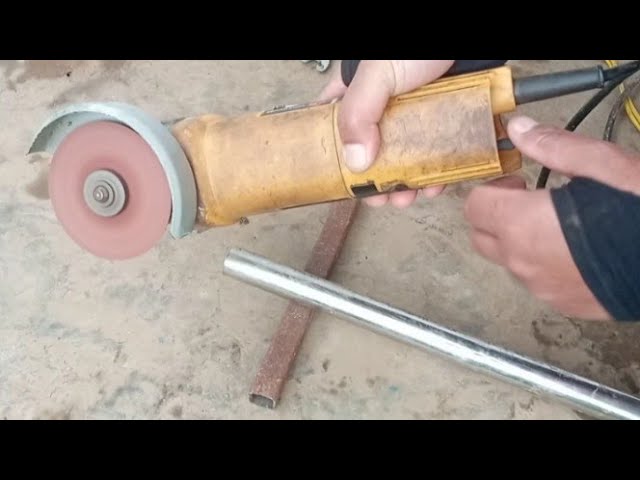
Using An Angle Grinder
An angle grinder cuts through steel pipe quickly and with less effort. It’s ideal for thicker pipes or when you need to cut multiple sections.
Wear protective gear and keep a firm grip to control sparks and avoid uneven cuts. Cutting slowly and steadily helps prevent the grinder from wandering off your mark.
Think about the cleanup, though—an angle grinder leaves sharp edges. You’ll want to file or sand the pipe ends afterward to make them safe to handle.
Using A Pipe Cutter
Pipe cutters are designed specifically for this task and can deliver precise, clean cuts. They work by gradually tightening around the pipe and rotating until the pipe is sliced through.
This tool is best for copper or thin steel pipes and requires less effort than a hacksaw. It’s especially useful when working in tight spaces or when you need a smooth edge.
If you’re aiming for a professional finish without buying expensive power tools, a pipe cutter might be your best bet. Have you tried one before, and how did it change your cutting experience?

Credit: www.angi.com
Finishing The Cut
Finishing the cut on a steel pipe is essential for safety and usability. After cutting, the pipe edges can be rough and sharp. Taking time to smooth and clean these edges makes the pipe easier to handle and connect. It also helps prevent injuries and ensures a better fit for any project. The final steps focus on removing burrs and cleaning the pipe ends properly.
Removing Burrs And Sharp Edges
Burrs are small, rough bits of metal left after cutting. They can cause cuts or block fittings. Use a file or sandpaper to smooth these edges. A metal deburring tool works well for inside and outside edges. Move the tool along the cut edge evenly. Keep checking the surface to remove all sharp points. Wear gloves to protect your hands during this process.
Cleaning The Pipe Ends
Cleaning the pipe ends removes dust, oil, and metal shavings. Use a clean cloth to wipe the surface. For stubborn dirt, a mild solvent or soapy water helps. Dry the pipe ends completely to prevent rust. Clean ends ensure a strong connection with fittings or welding. Proper cleaning also improves the pipe’s appearance.
Safety Tips And Precautions
Cutting steel pipes at home requires careful attention to safety. Steel is tough and tools can be sharp or hot. Taking the right precautions prevents injuries and damage. This section covers essential safety tips to keep you safe while working.
Handling Tools Safely
Always wear protective gear such as gloves and safety glasses. Gloves protect your hands from sharp edges. Glasses shield your eyes from flying metal shards. Use tools designed for cutting steel pipes. Check tools for damage before use. Keep a firm grip on tools to avoid slips. Never force a tool; let it work at its pace. Turn off power tools when not in use. Store tools safely after finishing your work.
Work Area Setup
Choose a well-lit and ventilated place to cut pipes. Clear the area of any clutter or tripping hazards. Use a sturdy workbench or surface to hold the pipe steady. Secure the pipe with clamps to prevent movement. Keep a fire extinguisher nearby in case sparks ignite flammable materials. Maintain a safe distance from others while cutting. Dispose of metal scraps and sharp edges properly. Keep water or a damp cloth handy to cool the pipe if it heats up.
Frequently Asked Questions
What Tools Do I Need To Cut A Steel Pipe At Home?
You need a hacksaw, pipe cutter, or angle grinder. Safety gloves and goggles are essential. A measuring tape and marker help mark cuts precisely.
How Can I Safely Cut A Steel Pipe At Home?
Wear safety gear like gloves and goggles. Secure the pipe firmly with a clamp. Cut slowly to avoid slips and sharp edges.
What Is The Best Method To Cut Steel Pipes At Home?
Using an angle grinder is fast and efficient. For thin pipes, a pipe cutter or hacksaw works well. Choose based on pipe thickness and your tool availability.
How Do I Prepare A Steel Pipe Before Cutting?
Measure and mark the cutting line accurately. Clean the pipe surface to remove rust or dirt. Secure the pipe firmly to prevent movement during cutting.
Conclusion
Cutting a steel pipe at home is simple with the right tools. Safety is key. Always wear protective gear. Measure the pipe carefully. Choose the right cutting tool for precision. A hacksaw is handy for manual cutting. An angle grinder works faster for bigger tasks.
Clean the edges after cutting to avoid injuries. Practice makes perfect. Each cut improves your skill. Now, you’re ready to tackle DIY projects involving steel pipes. Enjoy your newfound skills and keep exploring more home improvement tasks.