

Have you ever been in your home when the lights suddenly start flickering? It can be confusing and even a little unsettling.
You might wonder if it’s just a minor annoyance or a sign of a bigger problem. Understanding why the lights flicker in your house is important for your safety and peace of mind. You’ll discover the common reasons behind those annoying flickers and what you can do to fix them quickly.
Keep reading to find out how to protect your home and avoid costly electrical issues.
Credit: blog.1000bulbs.com
Common Causes Of Flickering Lights
Flickering lights in your home can be more than just a minor annoyance—they might signal underlying issues that need your attention. Understanding what causes these flickers can help you decide whether it’s a simple fix or a call for professional help. Let’s break down the common reasons why your lights might be flickering and what you can do about them.
Loose Bulbs Or Fixtures
Sometimes, the simplest cause is the most overlooked. A loose bulb or fixture can interrupt the electrical connection, causing your lights to flicker unexpectedly.
Try tightening the bulb or checking if the fixture is securely attached. If the flickering stops, you’ve found an easy fix that doesn’t require an electrician.
Faulty Light Switches
Have you noticed flickering only when you use a particular switch? Faulty or worn-out switches can cause intermittent contact, leading to flickering lights.
Replacing a switch is usually straightforward and inexpensive. Consider this if flickering happens only in one room or with one light.
Voltage Fluctuations
Voltage changes in your home’s electrical system can cause lights to dim or flicker. These fluctuations might happen if large appliances turn on or off, pulling a lot of power suddenly.
Ask yourself: do your lights flicker when the refrigerator or air conditioner kicks in? If yes, it could be voltage fluctuation that may need a professional assessment.
Overloaded Circuits
Overloading a circuit by plugging in too many devices can cause your lights to flicker or dim. This happens because the circuit can’t provide enough power to meet the demand.
Check if the flickering happens when multiple appliances run at once. Unplug some devices or redistribute them across circuits to see if the problem improves.
Wiring Issues
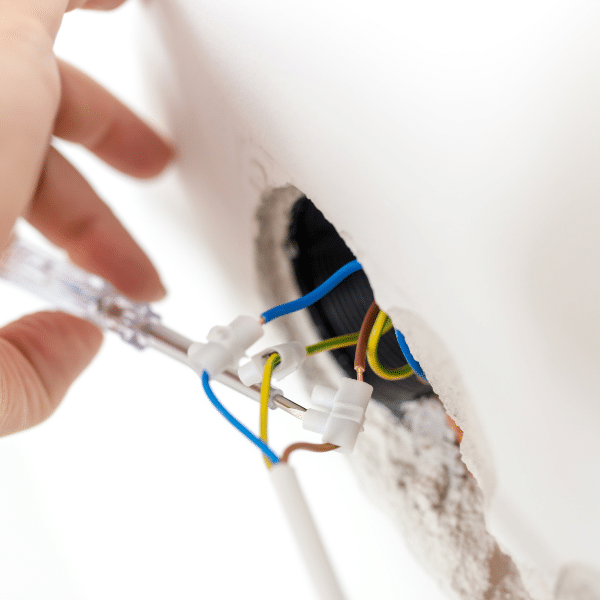
Old, damaged, or improperly installed wiring can cause flickering lights and pose a serious safety hazard. Loose connections inside walls or ceilings are often the culprit.
If your flickering is frequent and none of the simpler fixes help, it’s important to have a qualified electrician inspect your wiring. Don’t ignore this issue as it can lead to electrical fires.

Credit: www.theelectriciansco.com
Specific Situations Leading To Flickering
Flickering lights can be caused by several specific situations in your home. Understanding these can help pinpoint the problem quickly. Certain events or conditions often trigger this annoying issue. Recognizing when and where flickering occurs guides you to the right solution.
Flickering During Weather Changes
Strong winds and storms can shake power lines and cause voltage fluctuations. Lightning strikes nearby may also affect your electrical system. These changes often lead to brief flickers in the lights. Rain and snow can cause moisture to enter connections, creating instability.
Issues After Installing New Appliances
New appliances draw extra power when they start up. High-power devices like refrigerators or air conditioners can cause voltage drops. This drop results in lights flickering around the house. Improper installation or faulty wiring of new devices can also trigger flickering.
Flickering In Only One Room
If flickering happens in just one room, the problem is likely local. Loose wiring or a faulty light switch can cause this. Overloaded circuits or bad connections in outlets may also be to blame. Focus on inspecting that room’s electrical setup for signs of trouble.
Quick Fixes For Flickering Lights
Flickering lights can be more than just annoying; they might signal an underlying issue that needs your attention. Fortunately, some quick fixes can help you tackle this problem without calling an electrician right away. These solutions often save time and money while improving the safety and comfort of your home.
Tightening Bulbs And Fixtures
One of the simplest causes of flickering lights is a loose bulb or fixture. Check if your light bulbs are securely screwed in. Sometimes, gently tightening the bulb can stop the flicker immediately.
Also, inspect the fixture itself. Loose connections within the fixture can cause intermittent contact, leading to flickering. Have you ever noticed how a quick twist can bring your lights back to steady glow?
Replacing Faulty Switches
Faulty or worn-out light switches often cause flickering. If your switch feels loose or you hear a buzzing sound when you flip it, it might be time to replace it. Swapping out a bad switch is a straightforward fix that can solve flickering and improve your control over the light.
Remember to turn off the power before working on any switch. Safety first, always.
Balancing Electrical Loads
Too many devices running on the same circuit can cause voltage drops, making your lights flicker. Have you noticed the flicker happens mostly when high-power appliances turn on? That’s a sign your electrical load is unbalanced.
Try redistributing appliances across different circuits or unplugging some devices to see if the flickering stops. This simple step can reduce strain on your electrical system and keep your lights stable.
Inspecting And Securing Wiring
Loose or damaged wiring can create flickering and pose a fire risk. If tightening bulbs and switching out switches don’t work, inspect your wiring for visible signs of wear or loose connections. Securing loose wires and replacing damaged ones often solves flickering issues.
If you’re not comfortable with electrical work, consider hiring a professional. Your safety and your home’s electrical health depend on it.
When To Call A Professional
Knowing when to call a professional electrician can save you from bigger headaches and potential dangers. Flickering lights might seem minor, but they can signal serious electrical problems. Understanding the warning signs and when to seek expert help is key to keeping your home safe and your mind at ease.
Persistent Flickering Issues
If your lights flicker occasionally, it might just be a loose bulb or switch. But when the flickering happens regularly, especially across multiple rooms, it’s time to pay attention.
Persistent flickering can indicate wiring problems or overloaded circuits. You might notice dimming lights when you turn on large appliances. These are not issues to ignore—calling a professional can pinpoint the cause before it worsens.
Signs Of Electrical Hazards
Flickering lights accompanied by burning smells, sparks, or warm outlets are clear danger signals. These signs suggest electrical hazards that could lead to fires or shocks.
If you ever see scorch marks on switches or outlets, or if breakers trip often, stop using the affected areas and call an electrician immediately. Your safety depends on quick action in these situations.
Upgrading Home Electrical Systems
Older homes often struggle with modern electrical demands, causing frequent flickering or outages. If your home has outdated wiring or fuse boxes, flickering lights might be a symptom of an overloaded system.
Upgrading your electrical system is a smart move to prevent future issues and improve safety. Professionals can assess your current setup and recommend improvements that match your home’s needs and your lifestyle.
Preventive Measures
Flickering lights can be more than just a minor annoyance—they might signal underlying electrical issues that could lead to bigger problems. Taking preventive measures helps you avoid sudden outages or costly repairs. By staying proactive, you ensure your home’s electrical system runs smoothly and safely.
Regular Maintenance Checks
Have you ever noticed how small problems often start unnoticed? Regularly inspecting your wiring, outlets, and circuit breakers can catch loose connections or worn components early. Scheduling a professional electrician to check your system once a year is a smart move that can save you headaches.
Don’t wait for a light to flicker repeatedly before acting. Simple maintenance can reveal hidden issues like frayed wires or overloaded circuits that cause flickering. Staying on top of these checks keeps your home safe and your lights steady.
Using Surge Protectors
Power surges are a common cause of flickering lights, especially during storms or when large appliances switch on. Surge protectors act like a shield, absorbing excess voltage before it reaches your devices. Plugging sensitive electronics and lighting systems into quality surge protectors reduces the risk of flicker and damage.
Think about the last time a thunderstorm caused your lights to blink. Could a surge protector have prevented that? Investing in surge protectors is a small step that offers big peace of mind for your home’s electrical health.
Upgrading To Led Bulbs
LED bulbs are not only energy-efficient but also more stable than traditional incandescent or fluorescent bulbs. If your lights flicker frequently, swapping old bulbs for LEDs can make a noticeable difference. LEDs handle voltage changes better, resulting in fewer flickers.
I once replaced all the bulbs in my home with LEDs and instantly noticed the difference—no more annoying flickers and lower electricity bills. If you want steady lighting and long-lasting bulbs, upgrading to LEDs is a practical choice.
Credit: dkelectricalsolutions.com
Frequently Asked Questions
Why Do Lights Flicker Only In One Room?
Lights flickering in one room usually indicate a loose wiring or faulty switch. Check the connections and replace damaged switches promptly. This localized issue is often easier to fix than whole-house flickering and helps prevent electrical hazards.
Can Flickering Lights Cause Electrical Fires?
Yes, flickering lights can signal dangerous electrical problems like loose wiring, which may cause fires. Always address persistent flickering promptly by consulting a qualified electrician to ensure your home’s safety and prevent potential fire risks.
How Do Power Surges Affect Light Flickering?
Power surges can cause lights to flicker by overwhelming your electrical system. These sudden voltage spikes may damage bulbs or wiring. Installing surge protectors helps reduce flickering and protects your home’s electrical devices from damage.
Is Faulty Light Bulb Causing Flickering?
A faulty or loose light bulb often causes flickering. Try tightening or replacing the bulb first. If flickering persists, the problem may lie in wiring or fixtures, requiring professional inspection to avoid further issues.
Conclusion
Flickering lights can signal small or serious electrical problems. Check your bulbs and connections first. Sometimes, it’s a simple fix you can do yourself. Other times, it means calling a professional electrician. Don’t ignore flickering lights, as they may cause safety risks.
Keeping your home’s wiring safe is important. Regular inspections help prevent bigger issues later. Stay aware and act quickly to protect your home and family.