
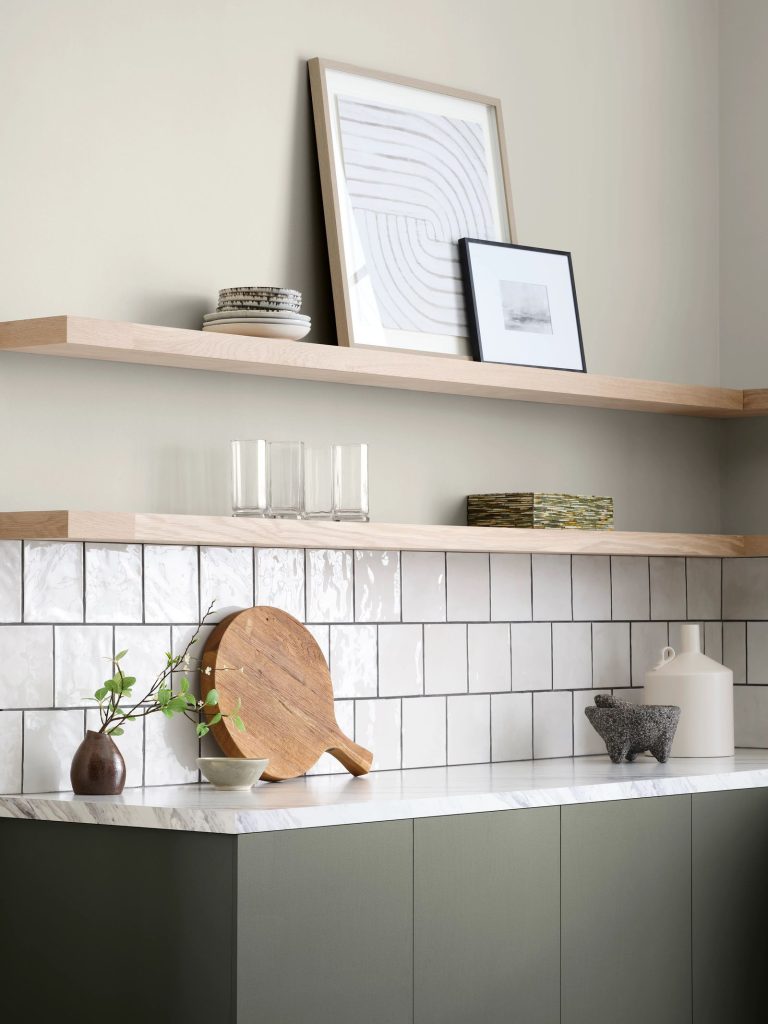
Choosing the right paint for your kitchen cabinets can make all the difference in transforming your space. You want a finish that looks great, lasts long, and stands up to everyday wear and tear.
But with so many options out there, how do you know which paint is best for your cabinets? This guide will help you find the perfect paint that matches your style and meets your kitchen’s needs. Keep reading to discover the secrets to a beautiful, durable cabinet makeover you’ll love every day.
Choosing The Right Paint Type
Choosing the right paint type for kitchen cabinets affects durability and appearance. Cabinets face heat, moisture, and frequent cleaning. The paint must resist stains, chips, and fading. Selecting the proper paint ensures long-lasting beauty and protection.
Oil-based Paints
Oil-based paints create a smooth, hard finish. They resist scratches and stains well. These paints take longer to dry and have a strong smell. Proper ventilation is needed during application. Oil-based paints work best for cabinets with heavy use.
Latex Paints
Latex paints dry quickly and have low odor. They clean up easily with water. These paints are flexible and resist cracking. Latex paints come in many colors and finishes. They suit cabinets in kitchens with moderate traffic.
Acrylic Paints
Acrylic paints are water-based and highly durable. They resist fading and yellowing over time. Acrylics offer excellent adhesion on wood surfaces. These paints dry fast and are easy to clean. Acrylic paints provide a fresh, smooth look for cabinets.
Chalk Paints
Chalk paints give a matte, vintage appearance. They require little surface prep before painting. Chalk paint needs a protective topcoat for durability. It works well for shabby chic or rustic kitchen styles. This paint is easy to distress for a worn look.
Finishes That Last
Choosing the right finish for kitchen cabinets affects both style and durability. Finishes protect cabinets from spills, stains, and daily wear. Some finishes hide imperfections better, while others highlight the wood’s natural beauty. Understanding the differences helps pick the best finish that lasts long and looks great.
Matte And Flat Finishes
Matte and flat finishes have no shine. They create a smooth, soft look on cabinets. These finishes hide scratches and fingerprints well. They work best in low-traffic kitchens. Cleaning is gentle with mild soap and water. Matte finishes give a modern, subtle feel but may show stains easier.
Satin And Eggshell Finishes
Satin and eggshell finishes offer a gentle shine. They balance style and practicality for kitchen cabinets. These finishes resist moisture and stains better than matte. They clean easily with a damp cloth. Satin and eggshell are popular for their smooth, elegant appearance. They bring warmth and depth to cabinet colors.
Semi-gloss And Gloss Finishes
Semi-gloss and gloss finishes shine bright and reflect light. They protect cabinets from heavy use and water damage. These finishes are easy to wipe clean and very durable. Glossy finishes highlight details and textures on cabinets. They suit busy kitchens and those wanting a bold, polished look.
Preparing Cabinets For Painting
Preparing kitchen cabinets for painting is a key step for a smooth, lasting finish. Proper prep work removes old grime, smooths surfaces, and helps paint stick well. Skipping this phase can cause peeling and uneven color. Follow these simple steps to get your cabinets ready.
Cleaning And Degreasing
Start by cleaning the cabinets to remove dirt and grease. Use a strong cleaner or degreaser for best results. A mixture of warm water and dish soap works well for light grease. For tougher spots, try a trisodium phosphate (TSP) solution. Rinse thoroughly and let dry completely before moving on. Clean surfaces allow paint to bond better.
Sanding Techniques
Sanding smooths rough spots and removes old finishes. Use medium-grit sandpaper (around 120-150 grit) for initial sanding. Focus on areas with peeling or glossy paint. After that, use fine-grit sandpaper (220 grit) to create a smooth surface. Sand in the direction of the wood grain. Wipe off dust with a damp cloth. Proper sanding ensures even paint coverage.
Priming Options
Priming seals the wood and improves paint adhesion. Choose a primer based on cabinet material and paint type. Oil-based primers work well on raw wood and stubborn stains. Water-based primers dry fast and clean up easily. For laminate or glossy surfaces, use a bonding primer. Apply a thin, even coat and let it dry fully before painting. Priming helps paint last longer and look better.
Credit: certapro.com
Durability Factors To Consider
Choosing the right paint for kitchen cabinets means focusing on durability. Kitchen cabinets face daily wear from moisture, heat, and frequent cleaning. Paint that lasts must handle these challenges without losing its look or protection.
Durability depends on several factors. These include how well the paint resists moisture and heat, how it stands up to scratches and chips, and how easy it is to clean. Each factor affects how long your cabinets stay fresh and appealing.
Resistance To Moisture And Heat
Kitchen cabinets often face steam and heat from cooking. Paint must resist moisture to prevent peeling or bubbling. Heat resistance stops the paint from softening or discoloring near stoves and ovens. Choose paints labeled for kitchens or bathrooms for better protection.
Scratch And Chip Resistance
Daily use can cause scratches or chips on cabinet surfaces. Durable paint forms a hard layer that guards against damage. Satin or semi-gloss finishes usually resist chips better than flat paints. This keeps cabinets looking new longer.
Ease Of Cleaning
Kitchen cabinets get dirty with grease and spills. Paint should allow easy cleaning without fading or peeling. Smooth, non-porous finishes wipe clean quickly. This saves time and keeps cabinets looking bright and fresh.
Tools And Application Methods
Choosing the right tools and application methods is key to painting kitchen cabinets well. The right tools help paint go on smoothly and last longer. Each tool offers different results and suits different skill levels. Understanding brushes, rollers, and spray painting helps you pick the best option for your project. Proper application also affects the final look and durability of your cabinets.
Brushes Vs Rollers
Brushes give great control and work well in tight spaces. They are perfect for cabinet edges and detailed areas. Use high-quality synthetic brushes for smooth finishes with minimal brush marks.
Rollers cover large flat surfaces quickly. Foam rollers are ideal for cabinets because they create a smooth, even coat without bubbles. Rollers save time and reduce streaks on flat panels.
- Brushes: detailed areas, edges, trim
- Rollers: flat surfaces, fast coverage
- Use both for best results
Spray Painting
Spray painting offers the smoothest finish. It reaches into corners and avoids brush or roller marks. A paint sprayer works best with thin, high-quality cabinet paint.
Spraying requires good ventilation and protective gear. Mask off areas carefully to prevent overspray. Spray in thin, even coats for a flawless look.
Number Of Coats
Applying multiple coats ensures durability and rich color. Start with a primer coat for better paint adhesion. Two to three topcoats provide the best coverage and protection.
Allow each coat to dry completely before adding the next. Lightly sanding between coats helps smooth the surface. More coats mean a longer-lasting finish and less wear over time.
Popular Paint Brands For Kitchen Cabinets
Choosing the right paint for kitchen cabinets ensures durability and a smooth finish. Popular brands like Benjamin Moore, Sherwin-Williams, and Behr offer quality options. These paints resist stains and moisture, perfect for busy kitchens.
Choosing the right paint brand for kitchen cabinets is important. It affects the look and durability of your cabinets. With so many options, it can be confusing. This section will highlight some popular paint brands. These brands are trusted and well-known for quality results.
Behr Premium Plus
Behr Premium Plus is a favorite for many homeowners. It offers excellent coverage and vibrant colors. The paint is durable and resists stains well. It’s a good choice for high-traffic kitchens. Behr also provides a wide range of color options. This makes it easy to find the perfect shade.
Benjamin Moore Advance
Benjamin Moore Advance is known for its smooth finish. It gives cabinets a professional look. This paint is water-based, but acts like an oil-based paint. It dries hard and resists chipping. The paint is available in many finishes and colors. It’s a top choice for a sleek, elegant finish.
Sherwin-williams Proclassic
Sherwin-Williams ProClassic offers a tough and durable finish. It’s ideal for kitchen cabinets that need frequent cleaning. The paint dries quickly and levels out nicely. This results in a smooth surface without brush marks. With a variety of finishes, it suits many design styles.
Valspar Cabinet Enamel
Valspar Cabinet Enamel is easy to apply and self-leveling. It creates a smooth, professional finish. This paint is resistant to scratches and stains. It’s suitable for kitchens with heavy use. Valspar offers a wide range of colors to match any decor.
Rust-oleum Cabinet Transformations
Rust-Oleum Cabinet Transformations is a unique option. It comes as a kit with everything needed for cabinet painting. This brand offers an easy way to update cabinets without stripping or sanding. The paint provides a durable finish that withstands wear. It’s a practical solution for a quick kitchen makeover.
Tips For Long-lasting Results
Choosing a durable paint like acrylic or enamel helps kitchen cabinets resist scratches and stains. Applying a clear topcoat improves protection and keeps the finish fresh longer. Proper surface prep and multiple thin coats also boost paint durability.
Transforming your kitchen cabinets with a fresh coat of paint can breathe new life into your entire space. Yet, the key to achieving a durable and beautiful finish lies in the details. Below are some practical tips to ensure your newly painted cabinets stand the test of time.
Curing Time
Allow your paint ample time to cure before using your cabinets. This isn’t the same as drying; curing means the paint fully hardens. Typically, this can take up to three weeks. During this period, try to minimize heavy usage. Gently open and close the doors and avoid placing heavy items inside. Your patience will pay off with a finish that resists chips and scratches.
Maintenance Tips
Regular maintenance is essential for longevity. Clean your cabinets with a mild soap solution and a soft cloth. Harsh chemicals and abrasive sponges can damage the paint. Consider using liners inside the cabinets to protect the paint from scratches. A bit of preventative care goes a long way in keeping your cabinets looking fresh.
Touch-up Techniques
Even with the best care, accidents happen. Keep a small amount of leftover paint for touch-ups. Store it in a labeled, airtight container. When a scratch or chip occurs, lightly sand the area before applying the paint. Use a small brush for precision. This way, your cabinets will maintain their cohesive look without noticeable patches. By considering these strategies, you ensure your kitchen cabinets remain a stunning feature of your home. Are there any tips you’ve found particularly effective in maintaining painted surfaces? Share your insights in the comments below!

Credit: www.kylieminteriors.ca
Credit: www.consumerreports.org
Frequently Asked Questions
What Type Of Paint Is Best For Kitchen Cabinets?
The best paint for kitchen cabinets is durable, smooth, and moisture-resistant. Acrylic latex and oil-based paints work well for a lasting finish. Satin or semi-gloss finishes are preferred for easy cleaning and durability in kitchen environments.
Can I Use Chalk Paint On Kitchen Cabinets?
Yes, chalk paint can be used on kitchen cabinets. It provides a matte, vintage look and requires sealing with wax or polyurethane. However, it’s less durable than latex or oil-based paints, so frequent touch-ups might be needed in high-traffic kitchens.
Should I Use Oil-based Or Latex Paint For Cabinets?
Latex paint is easier to clean and dries faster, making it ideal for kitchen cabinets. Oil-based paint offers a smoother finish and superior durability but takes longer to dry and has stronger fumes. Choose based on your preference for finish and ease of use.
How Many Coats Of Paint Are Needed On Cabinets?
Two to three coats of paint are usually needed for kitchen cabinets. The first coat provides coverage, the second ensures even color, and a third may be required for durability and smoothness. Always allow proper drying time between coats.
Conclusion
Choosing the right paint for kitchen cabinets matters a lot. It affects how long your cabinets last and how good they look. Satin and semi-gloss paints work well because they clean easily and resist stains. Oil-based paints give a smooth, strong finish but take longer to dry.
Water-based paints dry fast and have less smell. Remember, prepping cabinets before painting makes a big difference. A fresh coat of the right paint can brighten your kitchen and keep it looking nice for years. Simple choices lead to great results.