

You’ve just noticed a new stain on your beloved sofa. It’s frustrating, isn’t it?
Whether it’s from a spilled drink, a pet accident, or a mysterious mark that seems to have appeared out of nowhere, dealing with sofa stains can be a real headache. But don’t worry—you’re not alone in this, and there’s good news.
You don’t need expensive cleaning services or harsh chemicals to restore your sofa to its former glory. With a few simple steps, you can tackle those stubborn stains right at home. Imagine the satisfaction of seeing your sofa look as good as new, all thanks to your own efforts. Keep reading to discover effective, home-friendly solutions that will make stains a thing of the past. Your sofa will thank you, and so will your wallet!
Types Of Sofa Fabrics
Different sofa fabrics need specific stain removal methods. Cotton and linen can be cleaned with mild soap. For leather sofas, use a damp cloth and special leather cleaner.
Choosing the right cleaning method for your sofa largely depends on the type of fabric it is made from. Each material has its unique characteristics and requires specific care to maintain its appearance and longevity. Understanding these differences can make all the difference when it comes to effectively removing stains. Have you ever wondered why some cleaning solutions work wonders on one sofa, but not on another? The secret lies in the fabric.
Leather Sofas
Leather sofas exude elegance and are relatively easy to clean if you know the right approach. However, they can be sensitive to certain cleaning agents. – Use a gentle soap solution: Mix mild soap with warm water and use a soft cloth to gently wipe the surface. – Avoid excess water: Leather absorbs water, which can lead to damage. Ensure your cloth is damp, not soaked. – Spot test: Before applying any product, test it on an inconspicuous area to prevent discoloration. Remember that a regular leather conditioner keeps your sofa supple and prevents cracks.
Fabric Sofas
Fabric sofas are cozy and come in a range of patterns and textures, but they can be a magnet for stains and dirt. They require a bit more attention compared to leather. – Vacuum first: Use a vacuum with a brush attachment to remove loose dirt and dust before treating stains. – DIY stain remover: Mix one part vinegar with one part water for a natural cleaning solution. – Blot, don’t rub: Gently blot the stain with a cloth, as rubbing can spread the stain or damage the fibers. Have you considered checking the manufacturer’s label? It often contains useful cleaning codes that guide you on the best cleaning practices.
Microfiber Sofas
Microfiber sofas are popular for their durability and stain resistance. However, they can still get stained and require specific cleaning methods. – Use a gentle touch: A soft brush can help loosen debris before cleaning. – Rubbing alcohol trick: Spray a small amount on the stain and use a white sponge to blot it away. – Dry quickly: Microfiber can become stiff if allowed to air dry slowly. Use a hairdryer on a cool setting to speed up the drying process. Why is microfiber so forgiving when it comes to stains? Its tightly woven fibers repel liquids, giving you a fighting chance to tackle spills before they set. Understanding your sofa’s fabric type empowers you to choose the best cleaning method, ensuring your beloved piece of furniture remains a vibrant part of your home. Have you identified your sofa fabric yet?

Credit: www.woodenstreet.com
Common Stains
Removing stains from your sofa can seem daunting, but understanding the common types of stains makes it easier. Each stain has its unique challenges, yet with the right approach, your sofa can look as good as new. Let’s dive into some typical stains you might encounter and how to tackle them.
Food And Drink Spills
Food and drink spills are perhaps the most frequent culprits when it comes to sofa stains. Imagine enjoying a cozy movie night with popcorn and soda, only to have a clumsy moment. Don’t panic! Quickly blot the spill with a clean cloth to absorb as much as possible.
For stubborn stains, a mixture of mild dish soap and water can work wonders. Gently dab the stain with the solution and rinse with a clean, damp cloth. Always test any cleaning product on a hidden area first to ensure it won’t damage your fabric.
Pet Accidents
If you have pets, accidents are bound to happen. Whether it’s muddy paws or an unexpected accident, your sofa may suffer. Start by blotting up as much as you can with paper towels.
Enzymatic cleaners are ideal for removing pet stains as they break down the proteins in urine. They’re available at most pet stores and are safe for most fabrics. Do you have a pet-specific stain remover in your cleaning arsenal?
Ink Marks
Ink stains can be particularly tricky, especially if you have kids who love to doodle. Act quickly by blotting the stain gently to prevent it from spreading. Avoid rubbing, as this can make it worse.
Isopropyl alcohol is a great solution for ink marks. Apply a small amount to a cotton ball and dab the stain, then rinse with water. Remember to test on a hidden area first to ensure it won’t harm your sofa.
Oil And Grease
Oil and grease stains are common if you enjoy snacking on your sofa. These stains can be tough, but they’re not impossible to remove. Sprinkle a generous amount of baking soda on the stain and let it sit for about 15 minutes to absorb the oil.
After vacuuming the baking soda, use a small amount of dish soap and water to clean the remaining stain. A good question to ask yourself: Have you tried using corn starch or talcum powder for more stubborn grease stains?
Preparation Steps
Before tackling stubborn stains on your sofa, preparation is key. A little planning saves time and effort. Begin by organizing your approach. Follow these simple preparation steps to ensure effective cleaning.
Gathering Cleaning Supplies
First, collect all necessary cleaning supplies. A well-stocked kit makes the process smoother. Here’s a basic list to get you started:
- Soft cloths or sponges
- Vacuum cleaner with upholstery attachment
- Dish soap
- White vinegar
- Baking soda
- Water spray bottle
- Soft-bristled brush
Ensure these items are easily accessible. This avoids interruptions during the cleaning process.
Testing Cleaning Solutions
Before applying any solution, test it on a hidden spot. This checks for discoloration or damage. Use a small amount of the solution on the area.
Wait a few minutes and observe any changes. If the fabric remains unchanged, proceed to clean the visible areas.
Always follow the manufacturer’s instructions on cleaning products. This ensures the safety of your sofa’s fabric.
Natural Cleaning Solutions
Keeping your sofa stain-free can be a challenge. Natural cleaning solutions offer a safe, eco-friendly way to tackle stains. They use simple ingredients found in most kitchens. Let’s explore some effective methods to remove stains from your sofa.
Vinegar And Baking Soda
Vinegar and baking soda are powerful cleaning agents. They can remove tough stains effortlessly. Start by sprinkling baking soda on the stain. Let it sit for 15 minutes. This helps absorb the stain and odors.
Next, mix equal parts of vinegar and water in a spray bottle. Spray this mixture over the baking soda. The combination will fizz and lift the stain. Gently blot the area with a clean cloth. Repeat if necessary until the stain is gone.
Lemon Juice And Salt
Lemon juice and salt work wonders on stains. Lemon juice has natural bleaching properties. Salt acts as a gentle abrasive. Mix two tablespoons of lemon juice with a tablespoon of salt.
Apply the mixture to the stained area. Let it sit for about 10 minutes. Use a damp cloth to rub the stain gently. Rinse the cloth and wipe the area clean. This method is effective on light-colored fabrics.
Chemical Cleaners
Removing stains from a sofa at home is simple with chemical cleaners. Start by testing the cleaner on a hidden area. Gently blot the stain with a clean cloth, applying the cleaner as needed. Rinse with water and let it dry.
Repeat if necessary.
Chemical cleaners offer effective solutions for removing stubborn stains from sofas. These cleaners can swiftly tackle various stains, ensuring your sofa remains pristine. Using the right chemical cleaner can save time and effort while delivering impressive results.
Commercial Upholstery Cleaners
Commercial upholstery cleaners are readily available and easy to use. They are designed specifically to treat fabric stains without harming the material. Many brands offer specific formulas for different types of fabric, ensuring compatibility and safety. – Check the label for fabric type compatibility. – Follow instructions for best results. – Test a small area first to ensure no discoloration.
Homemade Detergent Mixes
Homemade detergent mixes can be a cost-effective and safe alternative. Creating a mix using common household items can effectively treat stains without harsh chemicals. – Mix mild dish soap with warm water for general stains. – Combine vinegar and baking soda for tougher stains. – Always test on a small area to prevent damage. Both commercial and homemade solutions can help maintain your sofa’s appearance, keeping it clean and stain-free.
Credit: www.woodenstreet.com
Stain Removal Techniques
Removing stains from a sofa at home involves simple techniques. Start by blotting the stain gently with a clean cloth. Use a mixture of mild detergent and water to dab the area, then rinse with a damp cloth.
Accidents happen, and your beloved sofa can often bear the brunt of spills and mishaps. But fear not! With the right stain removal techniques, you can restore your couch to its former glory without a professional cleaner. Here, we explore practical and effective methods to tackle those pesky stains and keep your sofa looking fresh and inviting.
Blotting Method
Blotting is your first line of defense against fresh stains. Grab a clean, white cloth and gently press it onto the stain to absorb as much liquid as possible. Avoid rubbing, as it can push the stain deeper into the fabric. Think of blotting as a gentle yet effective way to lift the stain without spreading it. Apply a small amount of mild detergent mixed with water to the cloth, and continue blotting. This helps break down the stain without damaging the upholstery.
Scrubbing Method
For more stubborn stains, the scrubbing method can work wonders. Use a soft-bristled brush to gently scrub the stained area with a mild detergent solution. Ensure you’re using a circular motion to prevent fabric damage and spread the cleaning solution evenly. This technique is especially useful for dried stains that need a little extra effort. After scrubbing, wipe the area with a damp cloth to remove any residue. It’s amazing how a bit of elbow grease can transform a stained sofa into a spotless one.
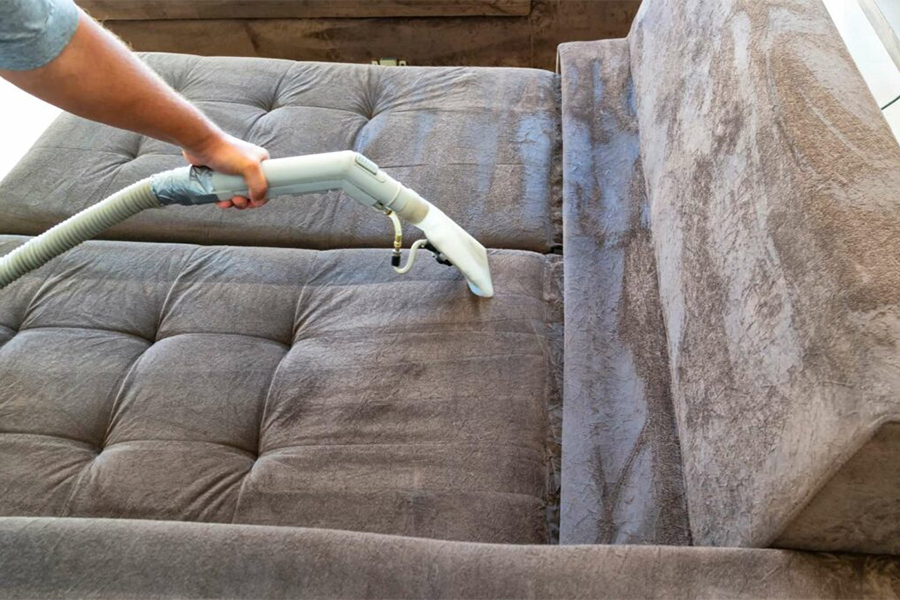
Steam Cleaning
Steam cleaning is a powerful method for deep-cleaning your sofa. If you have a steam cleaner, fill it with water and let the steam loosen the stain particles. This method not only removes stains but also sanitizes your sofa, making it a double win for cleanliness. Steam cleaning can be a game-changer, particularly for fabric sofas prone to absorbing odors and grime. However, always check the manufacturer’s instructions to ensure your sofa material is suitable for steam cleaning. Wouldn’t it be great to have a sofa that looks and feels brand new without leaving your home?
Handling Specific Stains
Stains on a sofa can be removed using common household items. A mix of vinegar and water works for most fabric. Dab gently on the stain, then blot with a clean cloth.
When your beloved sofa suffers a stain, immediate action can save its appearance and longevity. Handling specific stains requires tailored approaches, as not all stains are created equal. Understanding the nature of each stain is essential. Let’s dive into practical ways to tackle these common offenders.
Coffee And Tea
Sipping your favorite brew often leads to mishaps. Act fast by blotting the stain with a clean cloth. Mix a solution of mild detergent and warm water. Apply it gently using a sponge. Be patient as you blot repeatedly; this helps lift the stain without spreading it.
Red Wine
Spilled wine can be a nightmare. First, absorb excess liquid using paper towels. Sprinkle salt generously over the stained area; it helps draw out the wine. After a few minutes, gently vacuum the salt. Next, dab the area with a cloth soaked in a mixture of hydrogen peroxide and dish soap. Never rub, as this could worsen the stain.
Blood Stains
Blood stains demand careful attention. Use cold water immediately to prevent setting. Soak a cloth in cold water and blot the stain gently. Create a paste with baking soda and water for stubborn stains. Apply it, let it sit, then wipe with a damp cloth. Remember, cold water is your ally here. Have you ever felt that surge of panic when a stain appears? With these tips, you can confidently tackle those pesky marks and keep your sofa looking pristine. What’s your go-to stain removal trick?
Preventive Measures
Regular vacuuming can prevent stains on your sofa by removing dirt and debris. Using a fabric protector spray creates a barrier against potential spills, keeping your sofa stain-free.
Preventive measures are your first line of defense in keeping your sofa stain-free. By incorporating simple habits and tools, you can prolong the life of your beloved furniture. Why wait for a stain to happen when you can take steps to prevent it?
Regular Cleaning Routine
Establishing a regular cleaning routine is essential. Vacuum your sofa weekly to remove dust, dirt, and crumbs. This not only maintains its appearance but also prevents particles from settling deep into the fabric. Consider spot cleaning when you notice small spills or marks. Blot the area with a damp cloth and mild soap. Quick action can prevent stains from setting in and becoming more challenging to remove. Make it a habit to fluff and rotate cushions. This ensures even wear and prolongs the life of your sofa. Plus, it’s an excellent opportunity to check for any stains or spots that need attention.
Protective Covers
Investing in protective covers can be a game-changer for your sofa. They act as a barrier between potential stains and the upholstery. Choose covers that are machine washable for easy maintenance. Opt for materials like microfiber or cotton for durability and comfort. These fabrics are not only easy to clean but also complement most interior designs. Think about using slipcovers in high-traffic areas or homes with pets and children. They provide an extra layer of protection while allowing you to change the look of your sofa with ease. Isn’t it great when practicality meets style? By implementing these preventive measures, you reduce the risk of stains and keep your sofa looking its best for years. What small change will you make today to protect your sofa?
Professional Cleaning Services
Sofas are the heart of the living room, but stains can tarnish their beauty. While home remedies can tackle minor spots, stubborn stains may need professional cleaning services. These experts have specialized tools and knowledge to restore your sofa’s appearance. Choosing when to hire them depends on various factors that we will explore below.
When To Hire Experts
Consider hiring professionals if stains remain after multiple cleaning attempts. Deep-set dirt, ink, or wine can be challenging to remove. Experts can handle delicate fabrics without causing damage. They use advanced equipment that cleans thoroughly.
Time is another factor. Busy schedules may not allow for extended cleaning sessions. Professionals can save time and effort. Large or intricate sofas benefit from expert care too. Professionals know how to clean complex designs efficiently.
Cost Considerations
Professional cleaning costs vary based on sofa size and fabric type. Location affects pricing too. Urban areas may have higher rates. Some services charge per hour, while others have flat rates. Compare different providers to find the best deal.
Factor in the condition of the sofa. Extensive damage might require more intensive cleaning, increasing costs. Some companies offer discounts or packages. Check for any hidden fees before hiring. A clean sofa can enhance the home’s ambiance, making the investment worthwhile.

Credit: oxfordhomeware.co.uk
Frequently Asked Questions
How To Get Stains Out Of A Fabric Sofa?
Blot stains gently using a clean cloth with water. Use mild detergent and warm water to clean. Rinse with clean water and dry with a fan. For tough stains, use fabric-safe stain remover. Regularly vacuum to prevent dirt buildup.
Can Old Stains Be Removed From A Sofa?
Yes, old stains can often be removed from a sofa. Use appropriate cleaning solutions and techniques for best results. Test the cleaner on a hidden area first. For stubborn stains, consider professional cleaning services. Regular maintenance helps prevent future stains and keeps your sofa looking fresh.
What Is The Best Stain Remover For A Sofa?
Use a mixture of white vinegar, mild dish soap, and water for effective sofa stain removal. Apply gently with a clean cloth. Test the solution on a hidden area first to ensure fabric safety. This homemade solution is budget-friendly and eco-friendly, ideal for various fabric types.
What Is The Best Way To Clean My Fabric Couch?
Vacuum the couch to remove dust and debris. Use a fabric-safe cleaner and test on a hidden spot. Gently scrub with a soft brush, then blot with a clean cloth. Let it air dry completely. Regular cleaning maintains the fabric’s appearance and longevity.
Conclusion
Removing stains from a sofa doesn’t have to be hard. With the right techniques, your sofa can look fresh again. Start by identifying the stain type. This helps in choosing the best cleaning method. Use simple household items like vinegar or baking soda.
They are effective and safe for most fabrics. Always test cleaners on a hidden area first. This prevents damage and discoloration. Regular maintenance keeps your sofa clean and inviting. A clean sofa enhances the look of your living space. Enjoy a cozy, stain-free seating area every day.
Happy cleaning!