
Your sofa is more than just a piece of furniture; it’s the heart of your living space, where you unwind after a long day, share laughter with friends, and enjoy family time. But over time, spills, dust, and everyday wear can leave your sofa looking less than its best.
The good news? You don’t need to hire expensive cleaning services or buy fancy products to restore its charm. With a few simple steps, you can clean your sofa fabric right at home. Intrigued? Keep reading to discover how you can transform your sofa from drab to fab, using techniques that are not only effective but also budget-friendly.
Your living room’s centerpiece will thank you!
Types Of Sofa Fabrics
Understanding the types of sofa fabrics is key to effective cleaning. Different fabrics need different care to stay fresh and clean. Knowing your sofa’s fabric type helps choose the right cleaning method. Let’s explore the common types of sofa fabrics.
Natural Fabrics
Natural fabrics include cotton, linen, and wool. Cotton is soft and breathable, ideal for comfort. Linen offers a cool feel and is strong, but it wrinkles easily. Wool is warm and durable, great for colder climates. These fabrics are often more delicate. They may require gentle care and specific cleaning products.
Synthetic Fabrics
Synthetic fabrics are made from man-made fibers like polyester, nylon, and acrylic. Polyester is durable and stain-resistant, making it a popular choice. Nylon is strong and resistant to wear and tear. Acrylic mimics wool and is lightweight, offering warmth without bulk. These fabrics are generally easier to clean. They resist stains better than natural fabrics.
Blended Fabrics
Blended fabrics combine natural and synthetic fibers. This mix offers the benefits of both types. Cotton-polyester blends are common, combining softness with durability. These fabrics often have enhanced properties like stain resistance. They might require careful cleaning to maintain their mixed attributes. Blends offer versatility and are often cost-effective.
Credit: www.woodenstreet.com
Preparing For Cleaning
Gather cleaning supplies like a soft brush, vacuum, and mild detergent. Test a small fabric area for colorfastness. Follow instructions to ensure safe cleaning without damage.
Preparing your sofa for cleaning is crucial. It ensures effective results and prevents damage. Proper preparation can make the cleaning process smooth and efficient. Begin by understanding what your specific fabric needs. This helps in choosing the right cleaning method.
Gathering Supplies
Before starting, gather all the necessary supplies. This includes a vacuum cleaner, soft brush, and fabric cleaner. Also have a few clean cloths ready. These are essential for blotting and wiping. A spray bottle can be helpful too. Use it for applying water or cleaning solutions. Check if you need any special cleaners. Some fabrics require specific products.
Checking Fabric Labels
Fabric labels hold important information. They guide you on how to clean the sofa. Look for cleaning codes like W, S, WS, or X. Each code tells you what cleaning method is safe. “W” means water-based cleaners are okay. “S” suggests using a solvent-based cleaner. “WS” indicates either method is suitable. “X” means vacuum only; no liquids. Following these codes helps avoid damage. Always test cleaning products on a hidden area. This ensures the fabric won’t react badly.
Spot Cleaning Techniques
Effective spot cleaning involves blotting stains with a damp cloth and mild detergent. Use circular motions gently to lift dirt. Always test a hidden area first to ensure colorfastness.
Keeping your sofa looking pristine can be a challenge, especially when life’s little accidents occur. Spot cleaning is an effective way to tackle those pesky stains without having to clean the entire sofa. By focusing on the affected area, you can maintain your sofa’s appearance and prolong its lifespan. Let’s explore some practical spot cleaning techniques that will have your sofa looking as good as new.
Identifying Stains
Understanding the type of stain on your sofa is crucial. Is it a wine spill, a coffee mark, or perhaps a pet accident? Each requires a slightly different approach. Identifying the stain helps you decide the best cleaning method and avoid making it worse. Take a moment to examine the texture and color of the stain. This will guide your cleaning process. If you’re uncertain, start with a gentler method and work your way up.
Using Homemade Solutions
Homemade cleaning solutions can be both effective and economical. A simple mixture of water, white vinegar, and a few drops of dish soap can work wonders on many stains. Gently dab the solution onto the stain using a clean cloth. Remember to blot, not rub, to avoid spreading the stain. After applying the solution, rinse the area with clean water and blot dry with a towel. Are you concerned about using harsh chemicals? Homemade solutions are a great alternative for eco-conscious individuals.
Commercial Cleaning Products
Sometimes, homemade solutions might not be enough. That’s when commercial cleaning products come into play. Choose a product specifically designed for fabric upholstery. Test it on a small, inconspicuous area first to ensure it doesn’t damage or discolor your sofa. Follow the instructions on the label carefully for the best results. Some products may require a certain amount of time to sit before being wiped off. Do you have a go-to cleaning product? Share your experience in the comments below! By using these spot cleaning techniques, you can maintain the beauty and comfort of your sofa with minimal effort.
Deep Cleaning Methods
Vacuum the sofa to remove loose dirt and dust. Mix mild detergent with water, then gently scrub stains with a soft cloth. Rinse with a clean, damp cloth, and let it air dry.
Deep cleaning your sofa fabric at home can breathe new life into your living space. It’s a way to refresh not only the look of your furniture but also the feel of your entire room. Deep cleaning isn’t just about removing visible dirt; it’s about tackling hidden grime and allergens that might be lurking beneath the surface. Wondering how to achieve a truly clean sofa? Let’s dive into some effective methods.
Steam Cleaning
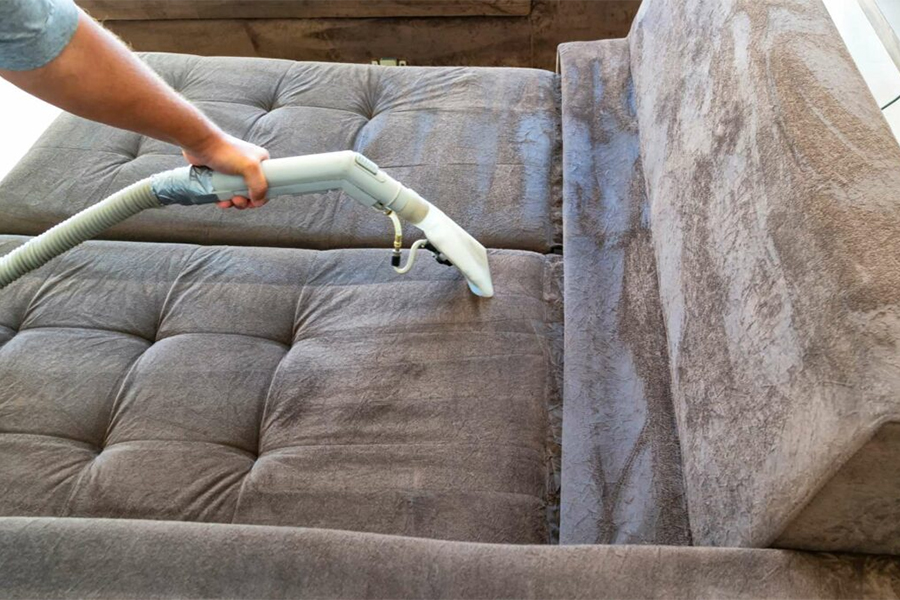
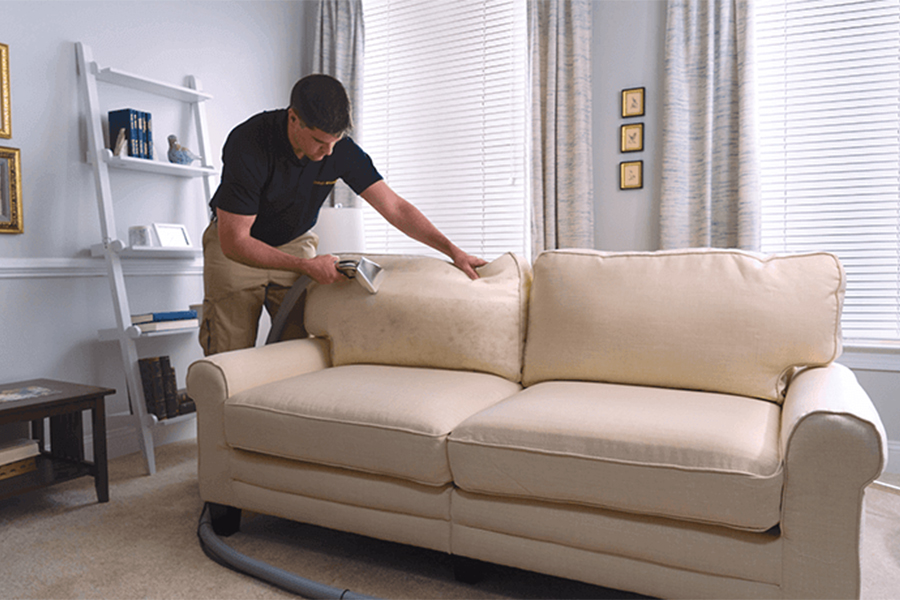
Steam cleaning is a powerful technique that uses high-temperature steam to sanitize and remove stains from your sofa. This method works well for most fabric types and offers the added benefit of killing bacteria and dust mites. To steam clean your sofa, you need a steam cleaner—easily rentable from local stores. Begin by vacuuming the sofa to remove loose debris. Then, fill the steam cleaner with water and follow the manufacturer’s instructions for use. Remember to test a small, hidden area of the fabric before cleaning the entire sofa. This ensures that the steam won’t damage the material. Are you ready to see your sofa transform with minimal effort?
Dry Cleaning
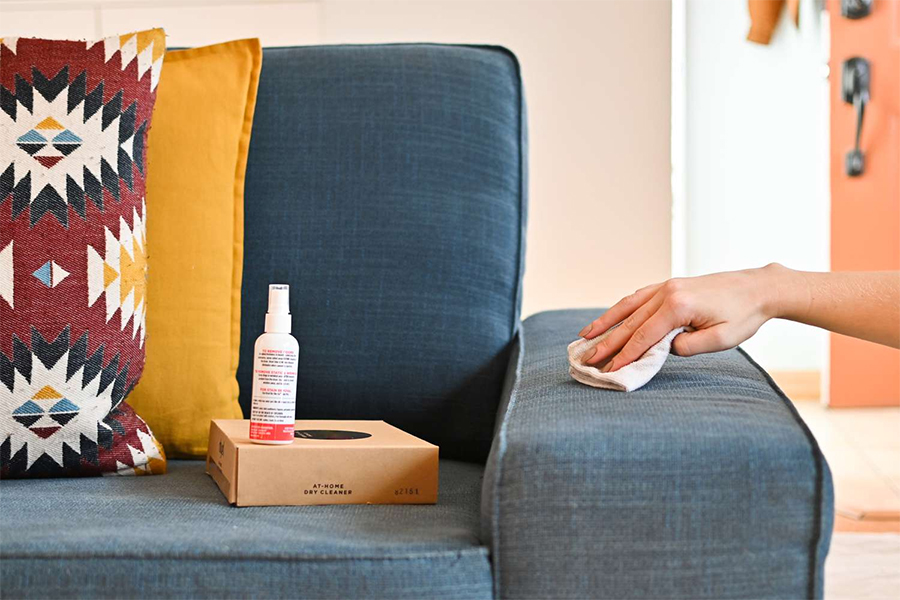
Dry cleaning is ideal for delicate fabrics that might not withstand moisture. This method involves using a specialized cleaning powder or foam that absorbs dirt and stains without the need for water. First, check your sofa’s care label to ensure it’s safe for dry cleaning. Then, apply the cleaning powder to the fabric and let it sit for the recommended time. Gently brush the powder away, taking the dirt with it. You can use a vacuum to remove any remaining residue. Isn’t it fascinating how dry cleaning can make your sofa look brand new without a drop of water? Both steam and dry cleaning methods offer effective ways to maintain your sofa’s appearance. Which method suits your sofa best?
Maintaining Cleanliness
Cleaning sofa fabric at home involves gentle vacuuming to remove dust and debris. Use a mild detergent mixed with water for spot cleaning stains. Always test on a hidden area first to ensure the fabric’s color and texture remain intact.
Maintaining cleanliness for your sofa fabric is essential. It ensures a fresh, inviting look in your living room. Regular care reduces wear and tear. It also extends the fabric’s life. Let’s explore simple methods to keep your sofa looking its best.
Regular Vacuuming
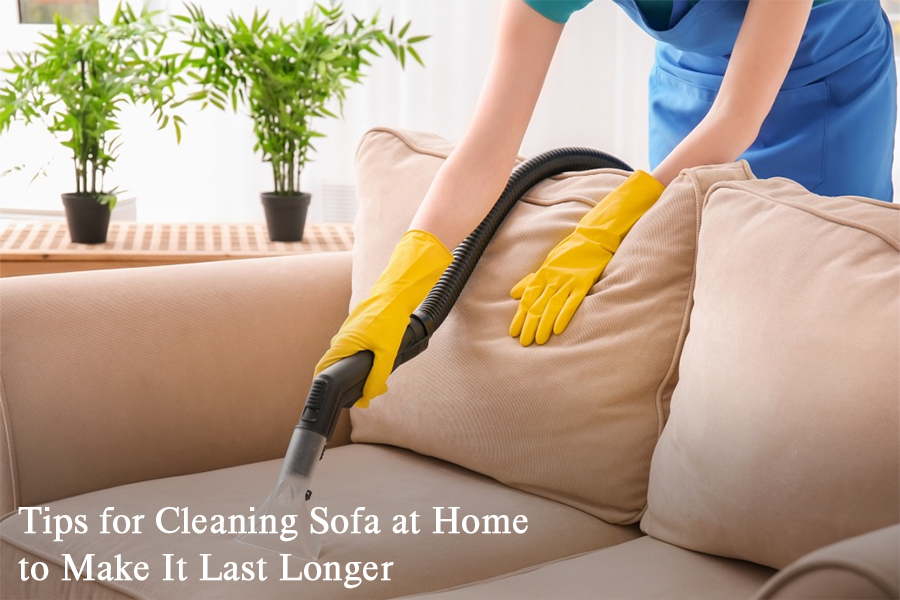
Vacuum your sofa weekly. Dust and dirt accumulate quickly. Use a soft brush attachment. This prevents scratches on the fabric. Pay attention to crevices and seams. These areas trap debris. A clean sofa is less likely to harbor allergens. Regular vacuuming keeps it looking fresh.
Preventive Measures
Use slipcovers or throws. They protect against spills and stains. Choose washable covers for easy cleaning. Avoid eating on the sofa. Food particles attract pests. Train pets to stay off furniture. Their claws can damage the fabric. Rotate cushions often. It prevents uneven wear. These simple steps maintain sofa cleanliness.
Credit: www.woodenstreet.com
Handling Common Issues
Gently vacuum the sofa to remove loose dirt. Mix mild detergent with water and test on a hidden spot. Use a soft cloth to wipe the fabric, ensuring it’s not too wet. Air dry the sofa to prevent moisture damage.
Handling Common Issues with sofa fabrics can often seem daunting, especially if you’re not sure where to start. However, tackling these common problems at home is easier than you might think. By understanding the specific issues your sofa may face and learning practical solutions, you can keep your furniture looking fresh and inviting.
Dealing With Odors
Unwanted smells on your sofa can be a real nuisance. To combat this, sprinkle baking soda generously over the fabric and let it sit for at least 15 minutes. Baking soda is excellent at neutralizing odors. Afterward, vacuum the sofa thoroughly to remove the baking soda. If the smell persists, consider using a fabric-safe odor eliminator spray. Always test any product on a hidden area first to ensure it doesn’t discolor your fabric.
Managing Fabric Wear
Fabric wear can make your sofa look old before its time. Rotate the cushions regularly to ensure even wear and to keep your sofa looking balanced. This simple act can extend the life of your sofa significantly. If you notice pilling, gently use a fabric shaver or a pumice stone to remove the pills. Be cautious to avoid damaging the fabric. For those tiny snags, use a needle to tuck them back into the weave. Regular maintenance can make a huge difference. Are you giving your sofa the attention it needs to stay in top shape?
Tips From Cleaning Experts
Cleaning experts suggest vacuuming your sofa weekly to remove dust and crumbs. For stains, gently blot with a damp cloth mixed with mild soap. Always test cleaning solutions on a hidden area to avoid damage.
Cleaning your sofa fabric at home can be a daunting task, but with the right guidance, it’s entirely manageable. Drawing from the wisdom of cleaning experts, this guide provides essential insights to keep your sofa looking its best. These tips not only help you achieve a cleaner sofa but also prevent common pitfalls that could lead to damage.
Avoiding Common Mistakes
Many people mistakenly start by using too much water. Excessive moisture can seep into the cushions and lead to mold growth. Always opt for a damp cloth rather than soaking wet materials. Another frequent error is scrubbing too hard. This can ruin the fabric’s texture and lead to fading. Gently blot stains instead, allowing the cleaner to work its magic without abrasive force. Ignoring the manufacturer’s cleaning instructions is a costly mistake. These guidelines are tailored to your specific fabric type, ensuring you use methods that won’t cause harm.
Choosing The Right Products
Selecting the correct cleaning products is crucial. Avoid generic all-purpose cleaners that might contain harsh chemicals. Choose a fabric-specific cleaner that matches your sofa material. Consider environmentally-friendly options. These products are often gentler on fabrics and safer for your household. Look for labels that emphasize being non-toxic and biodegradable. Test any new cleaner on an inconspicuous area first. This small step can prevent a disastrous reaction that ruins the fabric. A quick patch test ensures compatibility and peace of mind. Taking these expert tips into account, how much more confident do you feel about tackling your sofa cleaning? Implementing these strategies not only enhances your cleaning routine but also prolongs the life of your furniture. Your sofa, and its longevity, will thank you.
Credit: www.woodenstreet.com
Frequently Asked Questions
What Is The Best Way To Clean A Fabric Sofa?
Vacuum the sofa to remove dust and debris. Spot clean stains with a fabric-safe cleaner. Test cleaner on a hidden area first. Use a soft brush or cloth to gently scrub. Allow the sofa to air dry completely. Repeat if necessary for tough stains.
Regular maintenance keeps the fabric fresh.
Is It Better To Shampoo Or Steam Clean A Couch?
Steam cleaning is often better for couches. It effectively removes dirt, stains, and allergens without harsh chemicals. Shampooing may leave residue and requires longer drying time. Steam cleaning is eco-friendly and quick. Always check fabric care instructions before cleaning.
How Do You Deep Clean A Couch By Yourself?
Vacuum the couch to remove debris. Apply upholstery cleaner and gently scrub stains with a soft brush. Wipe away residue using a damp cloth. Let the couch air dry completely. Finish by fluffing cushions.
Can I Use Dawn Dish Soap To Clean My Fabric Couch?
Yes, you can use Dawn dish soap to clean your fabric couch. Mix a small amount with water, apply gently, and blot with a clean cloth. Always test on a hidden area first to ensure no discoloration.
Conclusion
A clean sofa brightens any room. Follow simple steps to refresh your fabric. Regular maintenance keeps dirt at bay. Use gentle cleaning solutions. Test cleaners first to avoid damage. Vacuum often to remove dust. Spot clean spills quickly. Professional cleaning isn’t always needed.
Save money by cleaning at home. Your sofa deserves care. Enjoy a fresh, comfortable space. Simple routines make a big difference. Clean, cozy, and inviting. That’s your sofa! Keep it looking great with these easy tips. Your home feels better too.
Remember, a clean sofa improves your living area.