

Thinking about giving your home a fresh coat of paint? Wondering how much it might cost to paint the interior of your home?
You’re not alone. Many homeowners face the same question as they plan to transform their living spaces. Painting your home’s interior can breathe new life into your rooms, making them feel brighter and more welcoming. But, before you dive in, it’s crucial to understand the costs involved.
This knowledge will help you budget effectively and avoid any unexpected surprises. You’ll discover the factors that influence painting costs and how to make the most of your investment. Keep reading to unlock the secrets of achieving that perfect finish without breaking the bank.
Factors Affecting Interior Painting Costs
Color choice, room size, and paint quality influence interior painting costs. Labor charges and surface conditions also affect pricing.
Painting the interior of your home can be a transformative project, adding fresh energy and an updated look to your living space. However, understanding the factors that influence the cost of interior painting is crucial. By knowing what affects the price, you can better plan your budget and ensure you get the best value. From the size of your home to the type of paint used, each element plays a significant role in determining the overall expense.
Size Of The Home
The size of your home is a primary factor in determining painting costs. A larger space requires more paint and labor, naturally driving up the price. If you’re painting a sprawling estate, expect to pay more than someone refreshing a cozy apartment.
Number Of Rooms
The number of rooms to be painted also impacts costs. Each room presents its own unique challenges and requires attention to detail. More rooms mean more time and effort for painters, which can increase labor costs significantly.
Type Of Paint Used
The type of paint you choose can greatly affect your budget. Premium paints are pricier but offer better durability and finish. On the other hand, opting for budget-friendly paint may save you money initially but could require frequent touch-ups.
Labor Costs
Labor costs vary depending on your location and the complexity of the job. Hiring experienced painters may cost more, but their expertise can lead to a smoother process and higher-quality results. It’s crucial to weigh the benefits against the cost.
Preparation And Repair
Before painting, walls often need preparation and repair. This might involve patching holes, sanding surfaces, or priming walls, all of which add to the overall cost. Proper preparation ensures a lasting finish, so it’s an investment worth considering. Thinking about these factors, how do you plan to balance cost and quality in your home painting project?
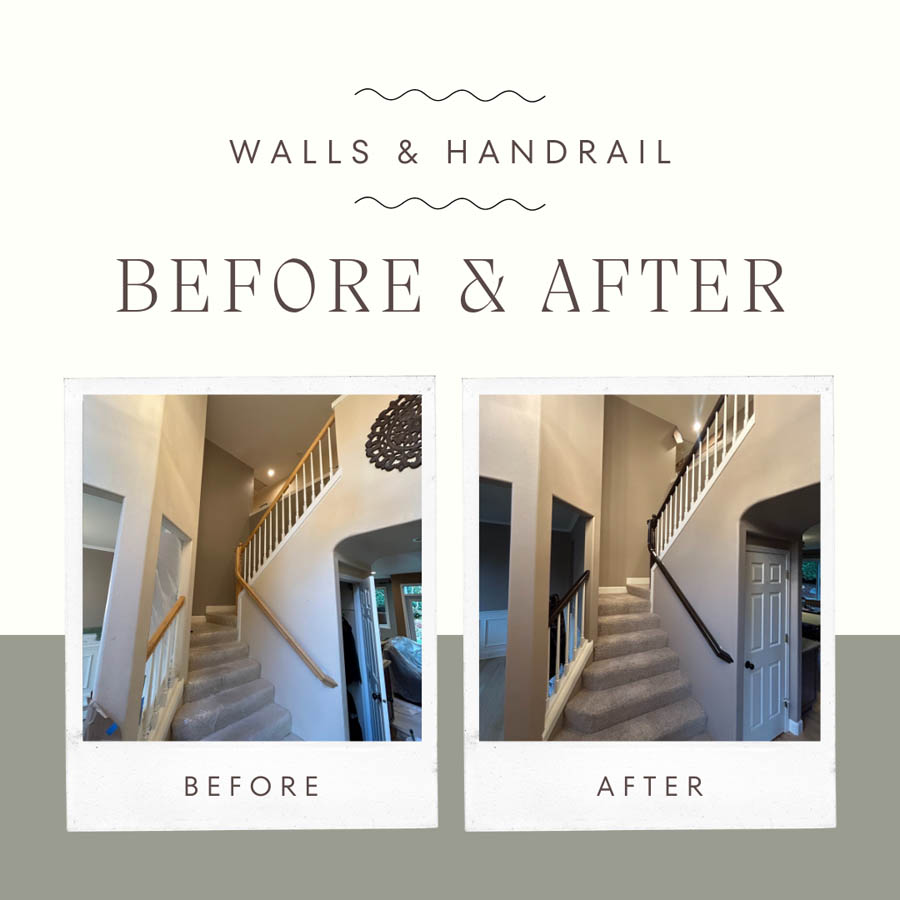
Credit: pearlpainters.com
Average Cost Estimates
Painting the interior of your home can refresh its look. Understanding the costs involved is essential for budgeting. The cost to paint a home’s interior varies. It depends on factors like size, paint type, and labor. Let’s explore the average cost estimates.
Cost Per Square Foot
The cost per square foot is a common way to estimate painting costs. On average, painting costs range from $1 to $3 per square foot. This price includes both labor and materials. A 1,000-square-foot area might cost $1,000 to $3,000. Factors like wall condition and paint quality can affect prices. Always ask for detailed estimates from painters.
Cost Per Room
Another approach is to calculate the cost per room. A small bedroom might cost $300 to $800. Larger rooms, like a living room, might range from $800 to $1,500. This depends on room size and paint choice. Accent walls or special finishes may increase costs. Discuss these details with your painter for accurate pricing.
Cost For Entire Home
Estimating the cost for an entire home gives a broader view. For a typical home, costs might range from $2,500 to $7,500. This estimate includes all rooms and hallways. Homes with more square footage will cost more. High ceilings or intricate designs can add to the expense. Always consider these factors in your budget.
Diy Vs. Professional Painting
Deciding between DIY and hiring professionals for painting impacts cost. DIY saves money but needs skill and time. Professionals may charge more but offer expertise and efficiency.
Painting the interior of your home is a significant decision. It can transform your living space and enhance its value. But how do you choose between DIY and professional painting? Each option has its own set of advantages and challenges. Understanding these can help you make an informed choice.
Pros And Cons Of Diy
Doing it yourself can be rewarding. You have full control over the process. Choose your own colors and apply them at your own pace. It’s a great way to save money on labor costs. But DIY painting requires time, patience, and skill. Mistakes can lead to uneven coats or drips. You might need to invest in quality brushes, rollers, and other tools. Without experience, the finish may not be as smooth as expected.
Benefits Of Hiring Professionals
Professional painters bring expertise and efficiency. They ensure a high-quality finish with minimal hassle. Professionals often have access to better tools and materials. They can complete the job faster and with fewer mistakes. Hiring experts means you don’t have to worry about prep work or cleanup. This option offers peace of mind and superior results.
Cost Comparison
DIY painting is generally cheaper upfront. You only pay for paint and tools. But consider the time and effort required. Mistakes can also increase costs if you need to redo work. Professional painting is more expensive initially. Labor fees add to the cost. But the quality and durability might save money long term. The choice depends on your budget and priorities.

Credit: icanpaintthat.com
Ways To Save On Painting Costs
Painting your home’s interior can be costly. But there are smart ways to cut costs. A few strategic choices can help you save money while still achieving great results. Here are some effective methods to reduce your painting expenses.
Choosing Affordable Paints
Selecting budget-friendly paints doesn’t mean compromising on quality. Many brands offer affordable options that provide good coverage and durability. Look for sales or discounts at local hardware stores. Opt for paints that require fewer coats to achieve the desired finish. This reduces the quantity needed, saving you money in the long run.
Timing And Seasonal Discounts
Timing your painting project can lead to savings. Contractors often offer lower rates during off-peak seasons. Painting in late fall or early spring could mean fewer bookings for painters, leading to discounts. Look out for sales during major holidays when stores often reduce prices on paints and supplies.
Bundling Services
Combining multiple services can offer cost benefits. If you need more than just painting, consider hiring a contractor who offers bundled services. This might include wall repairs or prepping. Bundling can often lead to discounts, as professionals prefer securing larger projects. This strategy can lower overall costs and simplify your home improvement process.
Additional Considerations
Consider the condition of walls before painting. Repairing damage or priming can affect costs. Also, factor in paint quality and brand, as these can impact both price and final appearance.
When planning to paint the interior of your home, the price tag is often the first thing on your mind. However, there are important additional considerations that you shouldn’t overlook. These factors can have long-term implications on the quality, safety, and environmental impact of your painting project. Let’s dive into these aspects to make your decision more holistic and informed.
Environmental Impact
Choosing eco-friendly paints can make a significant difference in minimizing your carbon footprint. Many paints today come with low or zero VOCs (Volatile Organic Compounds), which are better for both your health and the environment. Imagine the satisfaction of knowing that your choice is contributing positively to the planet. Plus, these paints often have less odor, making them a pleasant option for your living space.
Safety Measures
Safety is paramount when painting your home’s interior. Ensure that the workspace is well-ventilated to avoid inhaling harmful fumes. If you’re planning a DIY project, wear protective gear such as masks and gloves. Hiring professionals? Confirm they follow safety protocols to safeguard both their team and your family.
Future Maintenance
Consider the ease of maintaining your newly painted walls. Some paints are more durable and resistant to stains, making them ideal for high-traffic areas like the kitchen or hallway. Think about the long-term. How often are you willing to repaint? Investing in a high-quality paint now could save you both time and money later.

Credit: www.homeyou.com
Frequently Asked Questions
How Much Should It Cost To Paint The Interior Of A 2000 Square Foot House?
Interior painting for a 2000 square foot house typically costs between $2,000 and $6,000. Factors like paint quality, labor, and complexity affect pricing. Contact local painters for accurate estimates.
How Much Does A Handyman Charge To Paint A Wall?
A handyman typically charges $20 to $50 per hour for painting a wall. Costs vary based on wall size, location, and materials. Additional fees might apply for prep work or complex designs. Always get a detailed quote before hiring to ensure accurate pricing.
How Much Is Labor To Paint A House Interior?
Labor costs to paint a house interior range from $1 to $3 per square foot. Pricing varies based on location, room size, and complexity. Always get multiple quotes from professional painters for accurate estimates.
How Much Does Home Depot Charge For Interior Painting?
Home Depot charges vary based on room size, paint type, and location. Generally, prices range from $300 to $1,000 per room. Specific estimates require contacting their services directly for a detailed quote.
Conclusion
Painting your home’s interior doesn’t have to be costly. Plan your budget wisely. Research local painters. Compare prices. Quality matters as much as cost. Consider different paint types. Choose colors that match your style. DIY can save money, but requires skill.
Hiring professionals ensures a flawless finish. Remember, preparation saves time and effort later. Take your time to make decisions. Your home’s atmosphere can change dramatically with fresh paint. Enjoy the process. Achieve a space that feels new and inviting. Make your home a reflection of your personality.
Happy painting!