
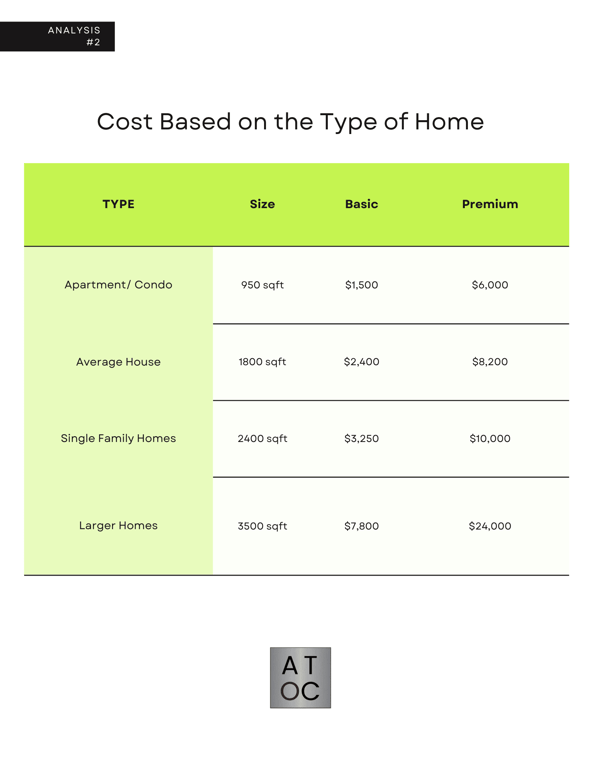
Are you considering giving your home’s interior a fresh coat of paint, but unsure about the costs involved? You’re not alone.
Many homeowners wonder about the financial commitment required to transform their living spaces with a new splash of color. Understanding the costs can empower you to make informed decisions, whether you’re aiming for a full makeover or just a subtle update.
In this guide, we’ll dive into the factors that influence the cost of painting your home’s interior, helping you budget effectively and avoid any unpleasant surprises. Stick around to discover the secrets to achieving a beautiful, cost-effective paint job that will breathe new life into your home.
Factors Influencing Painting Costs
Painting costs for a home’s interior depend on factors like room size, paint type, and labor rates. Larger rooms and premium paint increase expenses, while local labor costs vary by region.
Painting the interior of your home is a fantastic way to refresh your living space, but how much should you expect to spend? The cost can vary widely, influenced by several key factors. Understanding these can help you budget more effectively and make informed decisions.
Size Of The Area
The size of the area you plan to paint is a primary factor in determining costs. Larger rooms or multiple rooms will naturally require more paint and more time to complete. Consider whether you’re painting just one room or your entire home. A small bedroom will cost significantly less than a sprawling living area with high ceilings. Keep a tape measure handy to get accurate dimensions, helping contractors provide more precise estimates.
Type Of Paint
Not all paints are created equal. The type of paint you choose can dramatically impact your budget. Basic paint might be more affordable upfront, but investing in higher quality paint can save you money in the long run due to durability and better coverage. Think about what finish you want: matte, eggshell, or glossy? Each finish not only affects the look but also the price. Consider what best fits your lifestyle and home aesthetic.
Condition Of Walls
The condition of your walls is another critical factor. Walls in good shape can be painted more easily, reducing costs. However, if your walls have cracks, water damage, or require extensive prep work, expect to see higher estimates. Have you noticed any imperfections in your walls? Addressing these issues beforehand can streamline the painting process and potentially lower costs.
Labor Costs
Labor costs can vary depending on the region and the expertise of the painters. Hiring experienced professionals might cost more, but can ensure a higher quality finish. Are you considering DIY or professional help? Weigh the pros and cons of each. While DIY can be cost-effective, professional painters bring expertise and efficiency, ensuring a polished final result. By understanding these factors, you can make smarter choices and avoid unexpected expenses. What aspect do you think will have the biggest impact on your budget?
Credit: www.angi.com
Cost Breakdown
Calculating the cost to paint a home’s interior involves various factors. Consider room size, paint quality, and labor. Prices typically range from $1 to $3 per square foot.
The cost of painting your home’s interior involves various components. Understanding the breakdown helps you plan effectively. Each element contributes to the final price. Let’s explore these components in detail.
Materials And Supplies
Painting requires quality materials. Paint costs vary by brand and type. You may need primer if the walls have stains. Brushes, rollers, and trays are essential tools. Tape and drop cloths protect floors and edges. Buying in bulk can save money.
Labor And Professional Fees
Hiring a painter saves time but costs more. Professional painters charge by square footage. Rates differ based on experience and location. Some charge hourly, others by project. Labor costs may include surface preparation. Skilled painters ensure a smooth finish.
Additional Expenses
Unexpected costs may arise. Repairs for damaged walls add to the budget. Custom paint colors may cost extra. Moving furniture or covering fixtures might incur charges. Cleaning up after painting is another expense. Consider these factors in your budget.
Diy Vs. Hiring Professionals
Painting your home’s interior can cost between $1,000 to $3,000 when hiring professionals. DIY painting might reduce expenses, but requires time and effort. Consider your budget and skill level before deciding.
Choosing between DIY painting and hiring professionals for your home’s interior can be challenging. Both options offer unique advantages and potential downsides. Understanding these can help you make an informed decision. Let’s explore the pros and cons of DIY painting, the benefits of hiring professionals, and a cost comparison of both approaches.
Pros And Cons Of Diy
Taking on a DIY painting project can be rewarding. You’ll have full control over the process. You can choose colors and work at your own pace. DIY painting can save money on labor costs. However, it requires time, effort, and some skills. Mistakes can lead to additional expenses. Achieving a professional finish might be challenging.
Benefits Of Professional Painters
Professional painters bring expertise and efficiency to the job. They ensure a high-quality finish and use the right tools and techniques. Hiring professionals saves you time and reduces stress. Professionals can offer valuable advice on color and design. They handle preparation, painting, and cleanup efficiently.
Cost Comparisons
DIY painting usually involves buying supplies like paint, brushes, and ladders. Costs can vary based on the quality of materials chosen. Hiring professionals includes labor costs, but offers a polished result. While more expensive upfront, it may be cost-effective in the long run. Consider the value of your time and the quality of the outcome.

Credit: www.facebook.com
Budget-friendly Tips
Transforming the interior of your home with a fresh coat of paint can be both exciting and daunting, especially if you’re on a budget. However, achieving a beautiful new look doesn’t have to break the bank. With a few smart strategies, you can refresh your home’s interior affordably and effectively.
Choosing Affordable Paint
Start by exploring different brands and types of paint. Not all paints are created equal, and higher price does not always mean higher quality. Look for budget-friendly options that offer good coverage and durability.
Consider purchasing paint from outlet stores or during sales events. Many retailers offer significant discounts on discontinued colors or overstock items. If you’re flexible with your color choice, this can lead to substantial savings.
Timing And Seasonal Discounts
Timing can be everything when it comes to painting your home cost-effectively. Many home improvement stores offer discounts during certain times of the year, such as late fall or winter when demand is lower.
Plan your painting project around these sales. A little patience could mean getting the same paint for a fraction of the cost. Additionally, keep an eye out for holiday sales and bulk purchase discounts.
Efficient Use Of Materials
Make the most of the materials you purchase. Measure your walls accurately to avoid buying too much paint. Many people overestimate, which leads to unnecessary expenses.
Reuse tools when possible. Clean brushes and rollers properly after each use to extend their life. Borrow or rent equipment like ladders or sprayers if you don’t own them, rather than buying new ones.
Think about whether you need primer or if a combination paint-and-primer product might be more economical. Sometimes, a little extra spent upfront can save both time and money in the long run.
Have you ever painted a room and found you had gallons left over? With careful planning and smart shopping, you can avoid this common pitfall. By following these budget-friendly tips, you can achieve a stunning interior makeover without draining your wallet.
Estimating Your Painting Budget
Calculating the cost to paint your home’s interior involves considering factors like room size, paint type, and labor. Professionals charge per square foot, typically ranging from $1 to $4. Additional costs may include primer and wall repairs, impacting the final budget.
Estimating the cost of painting your home’s interior can be tricky. But with a clear plan, it becomes manageable. Setting a budget ensures you don’t overspend. It also helps you make informed choices. Let’s break down the steps to estimate your painting budget.
Calculating Area And Paint Needs
First, measure the area you want to paint. Use a measuring tape to find wall height and width. Multiply them to get the wall’s square footage. Do this for all walls. Add these numbers together for a total area. Remember to subtract windows and doors. They don’t need paint. Check paint labels to see coverage per gallon. Usually, one gallon covers about 350 square feet.
Using Online Calculators
Online calculators can simplify your task. Enter your room dimensions and other details. The calculator estimates paint needed. Some tools suggest paint types and brands. This can guide your purchase decision. Online tools save time and reduce errors. Use them for a quick, reliable estimate.
Setting A Realistic Budget
List all costs to set a realistic budget. Include paint, supplies, and labor. Supplies include brushes, tape, and drop cloths. Labor costs depend on hiring professionals or doing it yourself. Check local rates for painting services. Compare DIY costs with professional fees. Keep a buffer for unexpected expenses. A realistic budget prevents financial surprises.
Common Mistakes To Avoid
Painting the interior of your home can be a rewarding project, but it’s easy to stumble into common pitfalls that can inflate your budget and stress levels. Understanding these mistakes can save you time, money, and a lot of headaches. Let’s dive into some common missteps and how you can avoid them.
Ignoring Prep Work
Skipping prep work is a recipe for disaster. Proper preparation ensures your paint job looks professional and lasts longer. Neglecting to clean surfaces, fill holes, or tape off areas can lead to uneven paint and unsightly drips.
Imagine painting over dust or grease—your paint won’t adhere properly, leading to peeling and cracking. Take the time to prepare your walls thoroughly, and you’ll thank yourself later.
Underestimating Costs
Budgeting for a painting project can be tricky if you’re not aware of hidden expenses. It’s not just about the cost of paint; tools, supplies, and potential repairs can add up quickly.
Consider everything from brushes to primer, and don’t forget the cost of drop cloths or painters’ tape. You might think you can cut corners, but these additional expenses can sneak up on you, leaving you with a half-finished project and an empty wallet.
Skimping On Quality
Choosing cheap paint might seem like a money saver, but it often results in a subpar finish. Low-quality paint can require multiple coats, which increases both the time and cost of your project.
Investing in high-quality paint ensures better coverage and durability. It can actually save you money in the long run by reducing the need for touch-ups. Would you rather repaint in a year or enjoy a beautiful finish for years?
Avoid these mistakes, and painting your home can be a satisfying experience rather than a frustrating one. Take the time to prepare, budget wisely, and choose quality materials—your future self will appreciate it.
Maximizing Value
Understanding the cost of painting your home’s interior helps in making informed choices. Consider factors like paint quality, room size, and labor expenses to maximize value. Proper planning ensures efficient use of resources, balancing aesthetic appeal with budget considerations.
Maximizing the value of a home through interior painting is a wise choice. Fresh paint enhances the look and feel of every room. It offers more than just aesthetic appeal. Painting the interior can also boost the overall value of your property. By choosing the right colors and finishes, you ensure long-lasting results. This investment pays off in multiple ways.
Enhancing Home Aesthetics
A new coat of paint transforms any space. It breathes life into dull rooms. Bright colors add vibrancy. Soft tones create a calming effect. Choosing the right color can make rooms look bigger. You can also use paint to highlight architectural features. A well-painted home feels more welcoming. It reflects the owner’s taste and style.
Increasing Property Value
Painting increases your home’s market appeal. Buyers prefer homes that look fresh and modern. A well-painted interior can attract more buyers. It creates a positive first impression. This can lead to higher offers. Investing in quality paint and professional work pays off. It makes your property stand out in the market.
Ensuring Long-lasting Results
Quality paint and proper technique ensure durability. They protect walls from wear and tear. Good paint resists fading and stains. It maintains its look for years. Professional painters use techniques that extend paint life. This reduces the need for frequent touch-ups. Proper care and maintenance keep your home looking new.

Credit: www.homeyou.com
Frequently Asked Questions
How Much Should It Cost To Paint The Interior Of A 2000 Square Foot House?
Painting a 2000 square foot house interior typically costs between $3,000 and $6,000. Costs vary based on location, paint quality, and labor. Obtain multiple quotes for accurate pricing.
How Much Does It Cost To Have A 12×12 Room Professionally Painted?
The cost to professionally paint a 12×12 room ranges from $300 to $800. Prices vary based on location, paint quality, and labor. Additional factors include room condition and complexity of the job. Always request multiple quotes to find the best deal.
How Much Do Painters Charge In Minnesota?
Painters in Minnesota charge between $20 to $50 per hour. Rates vary based on experience and project complexity. Larger projects might have fixed pricing. Always request quotes from multiple painters to compare.
How Much Is Labor To Paint A House Interior?
Labor costs for painting a house interior vary between $2 to $6 per square foot. Factors influencing price include room size, complexity, and location. Hiring experienced painters may increase costs but ensure quality work. Always compare quotes from multiple professionals to find the best deal.
Conclusion
Painting the interior of a home varies in cost. Factors include room size, paint type, and labor rates. Planning helps you stay within budget. Comparing quotes saves money. Quality paint lasts longer and looks better. Professional painters ensure a smooth finish.
DIY projects might save cash but require time and effort. Consider your options carefully. Budget smartly for desired results. Remember, investing in good paint enhances your home’s appearance. Enjoy a fresh, new look with well-chosen colors. A little research goes a long way in achieving your perfect space.