
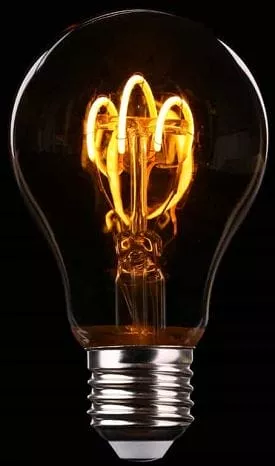
Why Does My Lights Flicker in My House. Have you ever noticed your lights flickering unexpectedly and wondered what’s causing it? Flickering lights can be more than just a minor annoyance—they might be signaling a problem that needs your attention.
Whether it’s a quick blink or a constant flicker, understanding why your lights behave this way can help you keep your home safe and comfortable. You’ll discover the common reasons behind flickering lights and what you can do to fix them before they become bigger issues.
Keep reading to find out what your flickering lights are trying to tell you.

Credit: www.theelectriciansco.com
Electrical Load Issues
Electrical load issues often cause lights to flicker in your home. This happens when the demand for electricity exceeds what your wiring or circuits can handle. Understanding these problems helps you spot potential hazards and keep your home’s electrical system running smoothly.
Overloaded Circuits
Have you ever noticed your lights flicker when you turn on several devices at once? Overloaded circuits occur when too many appliances or electronics draw power from the same circuit. This overload causes voltage drops, which make your lights flicker.
Think about a room where you plug in a space heater, a TV, and a vacuum cleaner all at once. The combined power usage can overload the circuit, especially if the wiring is old or not designed for heavy loads. You can reduce flickering by redistributing devices across different outlets or upgrading your electrical panel.
Appliance Startup Surge
Some appliances cause flickering lights when they start up due to a sudden spike in power use. Items like refrigerators, air conditioners, and power tools pull extra current during startup, briefly lowering the voltage in your home’s wiring.
This surge is often momentary but strong enough to cause noticeable flickering. Have you ever turned on your air conditioner and seen your lights dim or flicker? Installing dedicated circuits for high-power appliances or using surge protectors can help manage these startup surges and keep your lighting steady.
Credit: blog.1000bulbs.com
Wiring Problems
Wiring problems are a common reason for flickering lights in your home. Faulty wiring can cause unstable power flow. This instability often makes lights blink or dim unexpectedly. Identifying wiring issues early helps prevent bigger electrical hazards.
Loose Connections
Loose connections occur when wires are not secured tightly. This can happen at outlets, switches, or inside the electrical panel. Loose wires create gaps that disrupt electricity flow. This causes lights to flicker or go off briefly.
Vibrations from daily activities can loosen wires over time. Poor installation may also leave connections weak. Loose connections can cause sparks, risking fire hazards. It is important to have an electrician check and tighten these connections.
Aging Or Damaged Wires
Old wires wear out and lose their ability to carry current properly. Over time, insulation breaks down, exposing wires. Damaged wires can short circuit or cause intermittent power loss. This results in flickering lights and other electrical problems.
Wires can also get damaged by pests, moisture, or heat. Aging wiring systems may not handle modern electrical loads well. Replacing old or damaged wires improves safety and lighting stability. Professional inspection ensures wires meet current safety standards.
Faulty Light Fixtures
Flickering lights can be more than just an annoyance; they often point to issues with your light fixtures. Faulty light fixtures are a common cause of this problem and can range from outdated hardware to defective bulbs. Understanding these factors can help you pinpoint the issue and fix it before it gets worse.
Old Or Incompatible Fixtures
Have you noticed flickering in older parts of your home? Old fixtures may not handle modern bulbs well, leading to inconsistent lighting. Some older light fixtures weren’t designed for the wattage or type of bulbs you’re using now, especially if you’ve switched to LEDs or CFLs.
Using bulbs that don’t match the fixture’s specifications can cause flickering or buzzing sounds. Sometimes, the wiring inside old fixtures can degrade, creating a loose connection that causes the light to flicker. Checking the fixture’s age and compatibility with your bulbs is a good first step in troubleshooting.
Defective Bulbs
Have you ever swapped a bulb and suddenly the flickering stopped? Defective bulbs are a straightforward cause of flickering lights. Even new bulbs can be faulty or poorly manufactured, leading to inconsistent illumination.
Try replacing the bulb with a known good one to see if the flickering persists. Pay attention to how the bulb is seated—loose bulbs can create flickers as well. If the problem continues after changing bulbs, the issue likely lies elsewhere, but a faulty bulb is always worth checking first.
Voltage Fluctuations
Voltage fluctuations cause lights to flicker in many homes. These changes happen when the electrical power supply is unstable. Flickering lights may be a sign of problems in the utility service or within your home’s wiring system. Understanding voltage fluctuations helps identify the root cause and prevent damage to appliances.
Utility Service Interruptions
Utility service interruptions occur during power surges or outages. These interruptions cause sudden changes in voltage. Utility companies work to fix these issues quickly. Sometimes, high demand on the power grid causes temporary drops in voltage. This makes lights flicker or dim briefly. Severe weather can also disrupt the power supply and affect voltage levels.
Voltage Drop
Voltage drop happens when electricity travels through wires with resistance. Long or thin wires increase resistance and cause voltage to fall. Using many electrical devices at once can lower voltage in your home. This makes lights flicker or bulbs glow weakly. Poor wiring connections also lead to voltage drop. Checking wiring and reducing heavy load can reduce flickering caused by voltage drop.
Issues With Dimmer Switches
Dimmer switches can be a common cause of flickering lights in your home. These switches work by adjusting the voltage sent to the bulb, which can sometimes lead to instability if not matched properly with your lighting setup. Understanding the issues that arise with dimmer switches helps you pinpoint the root cause and fix the flickering without unnecessary hassle.
Incompatible Bulbs
Not all bulbs are designed to work with dimmer switches. Using regular incandescent bulbs with dimmers usually works fine, but LED or CFL bulbs often require specific dimmable versions.
If you use a non-dimmable LED bulb on a dimmer switch, it can cause flickering or even buzzing noises. I once replaced standard bulbs with cheap LEDs without checking compatibility, and the flickering started immediately. Switching to dimmable LEDs solved the issue instantly.
To avoid this, always check the packaging or product description for “dimmable” bulbs before buying. This small step can save you from ongoing frustration and energy waste.
Faulty Switches
Sometimes the problem lies not in the bulbs but the dimmer switch itself. Over time, switches can wear out or suffer from wiring issues, causing inconsistent voltage delivery.
If your lights flicker only when you adjust the dimmer level, a faulty switch might be the culprit. Testing the switch by replacing it with a standard on/off switch can help you determine if it’s the source of the problem.
Pay attention to signs like heat buildup or unusual sounds from the switch. These are red flags that it may need repair or replacement to keep your lights steady and your home safe.
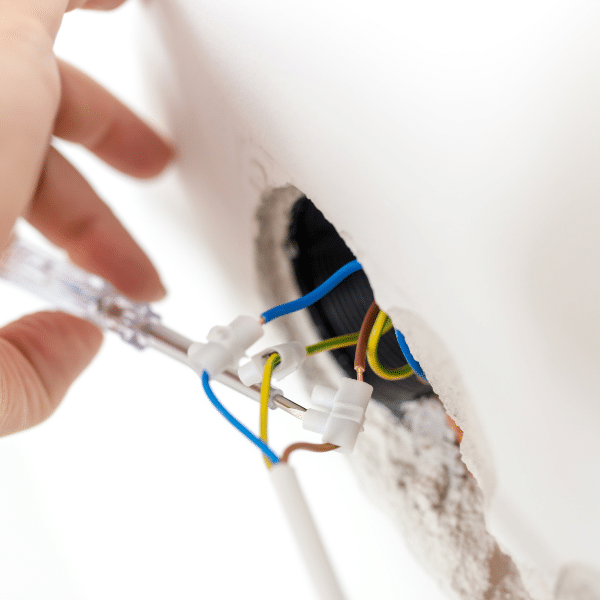
Credit: dkelectricalsolutions.com
External Factors
External factors often play a surprising role in causing your home lights to flicker. These influences come from outside your house but directly affect your electrical system. Understanding these can help you pinpoint the root cause and decide whether you need professional help or simple fixes.
Weather Conditions
Stormy weather can cause sudden flickering in your lights. Strong winds might shake power lines or cause brief interruptions in electricity supply. Rain and lightning strikes can also affect electrical equipment outside your home, leading to flickers indoors.
Have you noticed flickering only during heavy rain or wind? This is a strong hint that weather is to blame. In some cases, ice buildup on power lines in winter can create similar issues. Checking local weather reports alongside flickering times can help you identify this connection.
Nearby Construction
Construction work near your home can cause unexpected electrical disturbances. Heavy machinery and digging can temporarily disrupt underground cables or cause power surges. These surges often result in noticeable flickering inside your house.
Think about any recent construction projects close to your street or neighborhood. Even roadwork can impact the electrical grid feeding your house. If flickering started around the same time as construction, informing your utility company might speed up a resolution.
Professional Inspection
Professional inspection is key when you notice your lights flickering. Flickering lights can signal electrical issues that might not be obvious at first glance. A qualified electrician can identify hidden problems before they become dangerous or costly.
Ignoring flickering lights can lead to bigger headaches. I once delayed calling a professional and ended up with a major circuit failure. That experience taught me how crucial timely inspections are for safety and peace of mind.
When To Call An Electrician
You should call an electrician if your lights flicker frequently or in multiple rooms. Occasional flickering might be normal, but persistent issues often mean loose wiring, overloaded circuits, or faulty fixtures.
- If flickering happens when using high-power appliances, it might indicate a circuit overload.
- If you notice flickering alongside burning smells or sparks, call immediately.
- Flickering that follows a storm or power surge requires a professional checkup.
Waiting too long to get an inspection can risk fire hazards or damage to your electrical system. Don’t hesitate to reach out to a professional when you suspect a problem.
Regular Maintenance Tips
Regular maintenance can prevent flickering lights and other electrical issues. Schedule an inspection every couple of years to catch problems early.
- Ask your electrician to check wiring connections and circuit breakers during visits.
- Replace old or worn-out fixtures that may cause intermittent power supply.
- Keep an eye on your home’s electrical load—avoid plugging too many devices into one outlet.
Simple actions like these can extend the life of your electrical system and keep your lights steady. How often have you checked your home’s wiring lately?
Frequently Asked Questions
Why Do Lights Flicker Only In One Room?
Lights flickering in one room usually indicate a local wiring issue or a faulty fixture. It could be a loose connection or a problem with the switch. Checking the specific circuit or fixture can help identify and fix the issue safely.
Can Flickering Lights Signal Electrical Panel Problems?
Yes, flickering lights can point to electrical panel issues like loose breakers or overloaded circuits. These problems affect power distribution and require professional inspection to avoid hazards and ensure your home’s electrical system works properly.
Does Weather Cause House Lights To Flicker?
Weather conditions such as strong winds or storms can cause flickering by affecting outdoor wiring or power lines. Temporary power surges or brief outages often lead to flickering lights inside your home during such events.
How Can I Stop My Lights From Flickering?
To stop flickering lights, check for loose bulbs or faulty fixtures first. If the problem persists, inspect wiring and switches or consult an electrician. Timely maintenance prevents electrical hazards and ensures stable lighting in your home.
Conclusion
Flickering lights can signal many electrical issues in your home. Ignoring them may cause bigger problems or safety risks. Check your wiring, bulbs, and connections often. Call a professional if flickering continues or worsens. Staying alert helps protect your home and family.
Don’t wait—address flickering lights to keep your house safe and bright.