
Are portable air conditioners safe? If you’re considering one, this question might be on your mind.
With the summer heat on the rise, you want to cool your space without compromising your safety. Portable air conditioners offer convenience and flexibility, but it’s crucial to understand their safety aspects. You may wonder if these devices pose any risks to your home or health.
By the end of this article, you’ll have a clear answer, empowering you to make a confident choice. Let’s explore the ins and outs of portable air conditioners, ensuring your comfort and peace of mind.
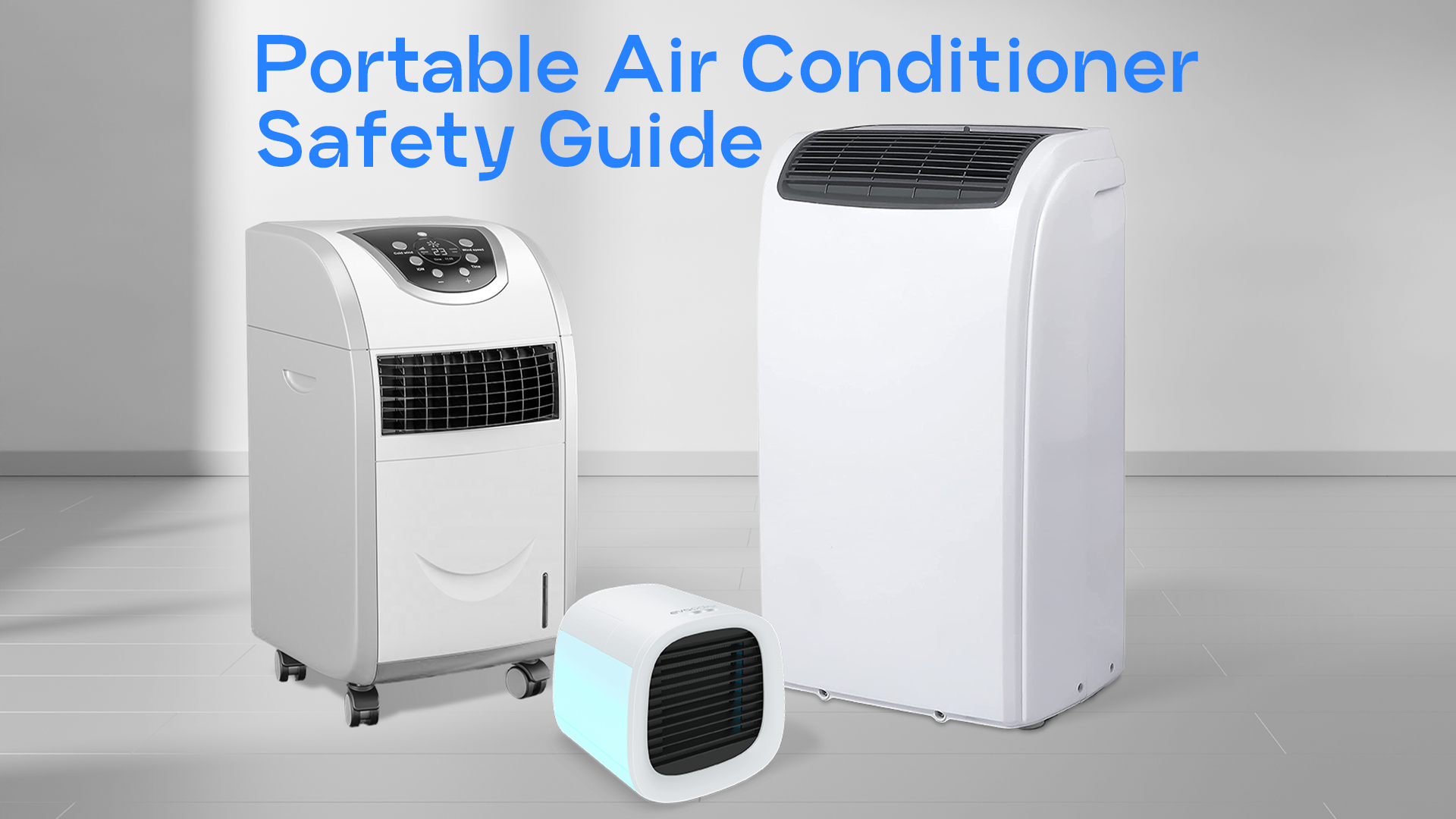
Understanding Portable Air Conditioners
Portable air conditioners offer a convenient way to cool spaces, but are they safe? Yes, they are generally safe when used correctly. Regular maintenance and proper ventilation ensure optimal performance and safety.
Understanding portable air conditioners can help you make informed choices for cooling your space efficiently. These devices are a popular choice due to their convenience and ease of use. But what exactly makes them a viable option for many homes?
What Are Portable Air Conditioners?
Portable air conditioners are compact units designed to cool a specific area. Unlike central air systems, they don’t require installation in a window or wall. You simply plug them into an electrical outlet, attach the exhaust hose, and you’re good to go.
How Do They Work?
These units work by pulling in warm air, cooling it, and expelling the hot air outside through an exhaust hose. It’s a straightforward process, making them easy to set up and operate. You can move them from room to room, providing targeted cooling where you need it most.
Why Choose A Portable Air Conditioner?
Perhaps you’ve experienced the frustration of trying to cool a room with a fan during a heatwave. Portable air conditioners offer a more effective solution, delivering immediate relief from the heat. They are ideal for renters who can’t install permanent units or anyone who needs a flexible cooling option.
Are They Safe To Use?
Safety is a valid concern when dealing with electrical appliances. Portable air conditioners are generally safe if used correctly. Ensure that the exhaust hose is securely attached to prevent hot air from re-entering your space. Regularly clean filters to maintain air quality and efficiency.
Considerations Before Purchasing
Before buying, think about the size of the room you need to cool. Portable units are rated by BTUs, which measure their cooling capacity. A unit that’s too small won’t cool effectively, while one that’s too large may consume unnecessary energy. Check for user-friendly features like remote controls and programmable timers. Are you worried about your carbon footprint? Portable air conditioners can be energy-efficient, but they do consume electricity. Look for models with energy-saving modes or timers to reduce power usage. Consider your cooling needs and balance them with environmental concerns. Portable air conditioners are a practical choice, but are they right for you? Evaluate your cooling needs, space constraints, and energy efficiency goals. This ensures you choose the best solution for your home.
Common Safety Concerns
Portable air conditioners can be a lifesaver during sweltering summer days, offering relief with the simple push of a button. But as with any electrical appliance, they come with their own set of safety concerns. Understanding these can help you use your portable air conditioner safely and efficiently. Let’s explore some common safety concerns associated with these devices, so you can stay cool without the worry.
Fire Hazards
One of the major safety concerns with portable air conditioners is the risk of fire. This can happen if the unit overheats or if there is a fault in the wiring. You should always ensure that your air conditioner is placed in a well-ventilated area to prevent overheating.
Inspect the power cord regularly for any signs of wear or damage. Using an extension cord might seem convenient, but it can actually increase the risk of fire. It’s always safer to plug your air conditioner directly into a wall socket.
Have you checked your unit’s filters lately? Dirty filters not only reduce efficiency but can also cause the unit to work harder, increasing the risk of overheating and potential fire hazards. Maintaining clean filters can help mitigate this risk.
Electrical Safety
Electrical safety is another concern when using portable air conditioners. These units consume a lot of power, and improper use can lead to electrical issues. Make sure your outlet can handle the electrical load of the air conditioner.
Have you ever noticed the circuit breaker tripping when using multiple appliances? This might be a sign that you are overloading the circuit. To avoid this, try using a dedicated outlet for the air conditioner.
Water and electricity don’t mix. Be cautious about placing your portable air conditioner near sources of water. This simple step can prevent accidental electrical shocks.
Ventilation Issues
Proper ventilation is crucial for portable air conditioners to function safely and effectively. Without it, you might face issues like excessive humidity or even carbon monoxide buildup. Ensure your unit’s exhaust hose is securely fitted and leads outside.
Are you using the right-sized unit for your room? A unit too small for a large room will struggle, while an oversized one can lead to improper ventilation. Both scenarios can create safety concerns.
Consider the placement of your unit. Is it near curtains or furniture? Blocking the airflow not only reduces efficiency but can also cause the unit to overheat. An unobstructed space ensures better air circulation and safety.
By being aware of these safety concerns, you can enjoy the benefits of your portable air conditioner without unnecessary risks. Have you checked your unit for these issues lately?
Proper Usage Guidelines
Portable air conditioners offer convenience and comfort. Yet, safety is crucial. Following proper usage guidelines ensures efficient operation. It also prevents potential hazards. This section outlines the essential steps. From choosing the right model to maintaining it, every detail matters.
Choosing The Right Model
Start with assessing your space size. Choose a model that suits your room dimensions. Units with adequate BTUs cool more efficiently. Check energy efficiency ratings. A higher rating saves energy. Look for user-friendly features. Remote controls and digital displays enhance ease of use.
Installation Tips
Install your portable air conditioner correctly. Place it near a window for easy venting. Ensure the exhaust hose is straight. Avoid kinks and bends. Secure all attachments firmly. Check for proper sealing around the vent kit. This prevents warm air from leaking back in.
Maintenance Practices
Regular maintenance keeps your unit running well. Clean or replace filters every two weeks. This ensures efficient airflow. Drain the water tank when full. Use a damp cloth to clean the exterior. Avoid using harsh chemicals. Inspect the exhaust hose periodically. Replace it if you notice any damage.
Preventing Overheating
Portable air conditioners offer a convenient solution to prevent overheating at home. These devices are generally safe when used correctly, providing effective cooling without permanent installation. Regular maintenance and proper ventilation enhance safety and efficiency.
Preventing overheating is crucial for the safe operation of portable air conditioners. Overheating can lead to damage and inefficiency. It may also pose safety hazards. By following a few simple guidelines, you can ensure your unit runs safely and effectively. Let’s explore key steps to prevent overheating.
Optimal Placement
Position your portable air conditioner near a window. This helps vent hot air outside. Avoid placing it in direct sunlight. Direct sunlight increases the workload of the unit. Ensure there is adequate space around it. This allows for proper airflow. Do not block the vents. Obstructed vents can lead to overheating.
Regular Cleaning
Clean the filters regularly. Dirty filters restrict airflow. This forces the unit to work harder. Check the filters every two weeks. Replace them if necessary. Also, clean the exterior of the unit. Dust can accumulate and cause overheating. Use a damp cloth to wipe it down. Ensure the vents are free from dust and debris. This promotes efficient airflow. Regular maintenance keeps your unit running smoothly.
Ensuring Electrical Safety
Portable air conditioners are a great way to keep your home cool without the need for permanent installation. However, ensuring electrical safety is crucial to prevent any mishaps. It’s essential to understand how to use these devices safely, especially when it comes to their electrical connections. Let’s dive into some practical tips that can help you maintain a safe environment while enjoying the cool comfort of your portable AC.
Surge Protectors
Ever had the lights flicker during a storm? That’s a power surge. While it might seem harmless, it can actually damage electronic devices. Your portable air conditioner is no exception. Using a surge protector can safeguard your AC from sudden spikes in voltage. Think of it as an extra layer of protection for your investment.
A good surge protector will automatically cut off power if it detects a surge, keeping your AC safe. Make sure to choose one that is rated for the power demands of your air conditioner. Don’t just grab any surge protector; check the specifications and ensure it’s suitable for high-power appliances.
Avoiding Extension Cords
Extension cords are convenient, but they can also be risky if not used properly. Many people unknowingly connect their portable AC to an extension cord, thinking it’s no big deal. This can actually be a hazard. Extension cords may not handle the power load required by your air conditioner, leading to overheating or even fires.
Instead, plug your portable AC directly into a wall outlet. If the cord doesn’t reach, consider moving the unit closer. This might mean rearranging some furniture, but it’s a small price to pay for safety. Remember, it’s better to be safe than sorry.
Have you ever wondered about the hidden risks in your everyday appliances? Ensuring electrical safety with your portable air conditioner is all about making informed choices. Take a moment to check how your AC is set up. Are you using a surge protector? Is it plugged directly into the wall? These small steps can make a big difference.
Addressing Ventilation Needs
Portable air conditioners offer flexibility and convenience for cooling spaces. But understanding their ventilation needs is crucial for safety. Proper ventilation ensures efficient operation and prevents overheating. It also helps in maintaining indoor air quality. Let’s delve into how to address these needs effectively.
Window Vent Kits
Most portable air conditioners come with a window vent kit. This kit helps expel hot air outside. It’s essential to install it correctly for efficient cooling. Ensure the window kit fits snugly to prevent air leaks. A secure fit enhances energy efficiency and safety.
Room Size Considerations
Choose a portable air conditioner based on room size. An undersized unit won’t cool effectively. An oversized unit may cool quickly but cycle off too soon. This leads to inefficient energy use. Proper sizing ensures optimal performance and air quality.
Environmental Impact
Portable air conditioners offer convenience, but their environmental impact raises concerns. Understanding how they interact with the environment is crucial. Let’s explore their energy efficiency and eco-friendly options.
Energy Efficiency
Portable air conditioners consume less energy than central units. They cool specific areas, reducing electricity use. Choosing energy-efficient models lowers your carbon footprint. Look for units with high EER ratings. This ensures optimal energy use. Regular maintenance keeps them efficient. Cleaning filters and coils helps improve performance.
Eco-friendly Options
Manufacturers are creating eco-friendly portable air conditioners. These use refrigerants that are less harmful to the environment. R-410A is a common choice. It has a lower ozone depletion potential. Some units feature energy-saving modes. These adjust cooling based on room temperature. Smart technology allows remote control, reducing unnecessary usage. Choosing eco-friendly units supports sustainable practices.
Emergency Preparedness
Portable air conditioners can be a lifesaver during sweltering summer months. But like any appliance, they can run into problems. Being prepared for emergencies involving your portable air conditioner is crucial for ensuring safety and peace of mind. Let’s dive into what you can do when faced with sudden malfunctions and who to call when things go awry.
Handling Malfunctions
Imagine it’s a hot day, and your portable AC suddenly stops working. Do you panic? No. First, check the basics. Is it plugged in? Is the outlet functional? These simple checks can save you a lot of hassle.
If the problem persists, look at the manual for troubleshooting tips. Many manufacturers provide straightforward solutions for common issues like water leaks or unusual noises.
Sometimes, a reset can do wonders. Unplug the unit for a few minutes, then plug it back in. This simple action can often reset internal components and get your AC working again.
Contacting Professionals
When DIY fixes don’t work, it might be time to call in the professionals. But how do you find the right one? Search for service providers who specialize in portable air conditioners. They’ll have the expertise needed to diagnose and fix your problem.
Ask around. Your neighbors or friends might have recommendations based on their own experiences. A trusted referral can make all the difference.
Consider the cost, but don’t let it be your only factor. Sometimes paying a bit more for quality service can save you money in the long run by preventing further damage.
Have you ever had to handle an emergency with your portable air conditioner? How did you resolve it? Share your story in the comments below to help others facing similar issues.
Frequently Asked Questions
Are Portable Air Conditioners Safe For Indoor Use?
Yes, portable air conditioners are safe for indoor use. They are designed to operate efficiently indoors. Ensure proper ventilation by connecting the exhaust hose to a window. Regular maintenance, like cleaning filters, enhances safety and performance. Always follow the manufacturer’s instructions for optimal use and safety.
Do Portable Air Conditioners Emit Harmful Gases?
No, portable air conditioners do not emit harmful gases. They use refrigerants that are sealed within the unit. Properly maintained units are safe and pose no risk of gas emissions. Regular checks ensure the refrigerant system remains intact, preventing leaks and maintaining safety.
Can Portable Air Conditioners Cause Fires?
Portable air conditioners are generally safe and unlikely to cause fires. Ensure the unit is plugged into a dedicated outlet. Avoid using extension cords to prevent overheating. Regular maintenance and following manufacturer guidelines minimize fire risks, ensuring safe operation.
Are Portable Air Conditioners Safe For Children?
Yes, portable air conditioners are safe for children. Place the unit securely to prevent tipping. Ensure cords are out of reach to avoid tripping or pulling. Regularly check the unit’s placement and condition, ensuring a safe environment for children.
Conclusion
Portable air conditioners offer a safe way to cool spaces. With proper use, they enhance comfort while minimizing risks. Regular maintenance ensures they run efficiently. Check filters and vents often. Placement matters; keep them away from obstructions. Safety features, like auto shut-off, add peace of mind.
Read and follow the manual instructions. Consider room size when choosing a model. Too small units may overheat. Safety and efficiency go hand in hand. With care, portable air conditioners can be a reliable choice. Keep your environment cool, safe, and comfortable with smart usage.