
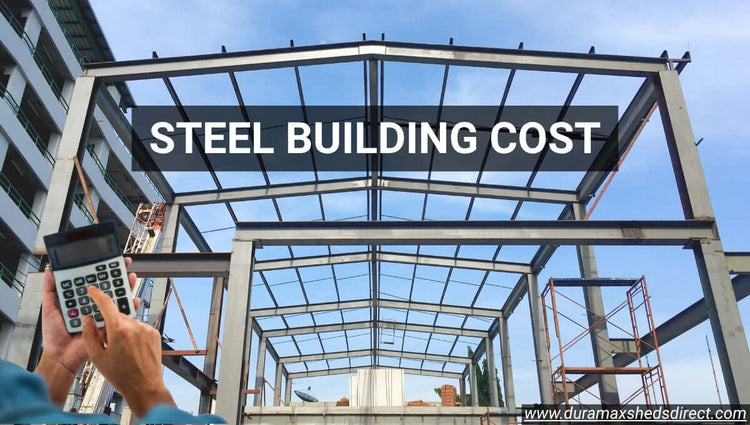
How Much Does a Steel Home Cost: Thinking about building a steel home but unsure about the costs? You’re not alone.
Knowing exactly how much a steel home costs can help you plan better and avoid surprises. Whether you’re looking for durability, energy efficiency, or a modern look, steel homes offer unique benefits—but what will they cost you? You’ll get clear, straightforward answers to help you understand the expenses involved.
By the end, you’ll feel confident about making smart decisions for your dream steel home. Keep reading to find out what you really need to know about steel home costs.
Factors Influencing Steel Home Costs
Several factors affect the total cost of building a steel home. Understanding these can help estimate your budget better. Each element plays a role in determining the final price.
Material Quality And Type
The quality of steel used impacts cost significantly. Higher-grade steel costs more but lasts longer and resists weather better. Different steel types, like galvanized or stainless, vary in price. Choosing the right type balances durability and budget.
Design And Size
Simple designs cost less than complex ones. Larger homes require more materials and labor, raising costs. Custom features and unique shapes add to the price. The overall size and layout directly influence the budget.
Labor And Construction
Skilled labor for steel homes can be pricier than traditional homes. Construction speed and crew experience affect labor costs. Prefabricated steel panels may reduce on-site labor time and expense. Labor costs vary by project complexity.
Location And Site Preparation
Building site conditions impact costs. Uneven land or rocky soil needs more preparation. Remote locations may increase transportation and labor expenses. Access to utilities and roads also plays a role in cost.
Permits And Regulations
Local building codes and permit fees vary widely. Some areas require special inspections for steel structures. Compliance with regulations can add to the overall cost. Planning ahead helps avoid unexpected expenses.
Credit: www.metalcarports.com
Cost Breakdown Of Steel Homes
Understanding the cost breakdown of steel homes helps in planning your budget clearly. Each part of the build contributes differently to the total price. Knowing these parts lets you manage expenses better. Let’s explore the main cost areas of steel homes.
Steel Frame And Panels
The steel frame forms the home’s skeleton. It offers strength and durability. Panels cover the frame and create walls. These materials cost more upfront than wood. But steel frames last longer and resist pests and fire. Prices vary by thickness and design complexity. Custom shapes or sizes increase costs.
Foundation Expenses
Steel homes need strong foundations. Concrete slabs or piers are common choices. Soil type and location affect foundation cost. Uneven land requires more work and materials. Proper foundation prevents shifting and damage. Foundation expenses include excavation, forms, and concrete pouring.
Roofing And Insulation
Steel roofs pair well with steel homes. They are durable and weather-resistant. Insulation keeps the home warm in winter and cool in summer. Steel homes need special insulation to prevent heat loss. Roof and insulation costs depend on materials and installation. High-quality insulation saves energy bills.
Interior Finishes
Inside finishes shape the home’s look and comfort. Drywall, flooring, and paint add style and warmth. Kitchen and bathroom fixtures also impact costs. Custom finishes raise the price. Simple finishes keep the budget low. Interior work includes doors, windows, and cabinetry too.
Utilities And Systems
Utilities include plumbing, electrical, and HVAC systems. Steel homes need proper wiring and piping installation. Heating and cooling systems must match the home’s size. Installing energy-efficient systems may cost more initially. Proper setup ensures comfort and safety. Utility costs vary by region and home size.
Comparing Steel Homes With Traditional Homes
When deciding between a steel home and a traditional home, understanding the cost differences is crucial. Both options come with their own set of advantages and expenses. Comparing these costs helps you make a more informed decision tailored to your budget and lifestyle.
Initial Investment
Steel homes often have a higher upfront cost compared to traditional wood-frame houses. This is due to the price of steel materials and specialized labor required for construction.
Traditional homes typically use more readily available materials, which can lower the initial price. However, depending on your location, material prices for wood and other supplies may fluctuate, affecting the overall cost.
Have you considered how much you’re willing to spend upfront versus what benefits you want in the long run?
Long-term Savings
Steel homes can save you money over time through energy efficiency. The metal’s ability to reflect heat helps reduce cooling costs during hot months.
Traditional homes may require more frequent repairs and updates, increasing maintenance costs. Steel’s resistance to pests like termites means fewer expenses related to pest control.
Think about whether you prefer a higher initial investment that lowers your monthly bills or a cheaper start with potential ongoing costs.
Durability And Maintenance
Steel homes resist fire, mold, and insects much better than traditional homes. This durability reduces the need for repairs and replacements, protecting your investment.
Wooden homes, while sturdy, can suffer from rot, warping, or pest damage over time. Maintenance like painting and sealing is also more frequent and costly.
Would you rather spend time and money on regular upkeep, or invest in a home built to last with minimal maintenance?
Tips To Save On Steel Home Construction
Saving money on steel home construction is more than just cutting corners. It’s about making smart choices that keep quality intact while lowering costs. These tips will help you understand where you can trim expenses without sacrificing the strength and durability that steel homes promise.
Choosing Standard Designs
Custom designs look great but often come with higher price tags. Sticking to standard steel home designs means you avoid extra engineering fees and complex modifications. Builders already know these models well, so construction moves faster and with fewer surprises.
Think about your needs carefully—do you really need a unique layout, or will a standard floor plan work just as well? Sometimes, simple adjustments to a proven design save thousands without feeling like a compromise.
Hiring Experienced Builders
An experienced builder familiar with steel homes can save you money in unexpected ways. They know how to avoid costly mistakes and manage the project efficiently. Their expertise often means fewer delays and less waste on materials.
Ask for references and check their portfolio before hiring. A skilled builder can guide you through cost-saving decisions and make sure your investment is well spent.
Bulk Material Purchasing
Buying steel and other materials in bulk can significantly cut your costs. Suppliers often offer discounts for larger orders, and you avoid price fluctuations by locking in prices early. Coordinating with your builder to plan material needs ahead can give you this advantage.
Consider partnering with neighbors or nearby projects to increase your order size. This tactic can reduce delivery charges and open doors to even better deals.
Additional Costs To Consider
Building a steel home involves more than just the initial construction costs. You’ll want to prepare for a range of additional expenses that can significantly affect your overall budget. These costs often surprise new homeowners but are crucial for making your house feel like a complete, comfortable home.
Landscaping And Exterior Work
Once your steel home structure is up, the surrounding land needs attention. Landscaping can include planting trees, laying sod, or creating walkways. These tasks not only enhance curb appeal but also protect your home’s foundation from erosion and water damage.
Don’t forget about exterior work like driveways, patios, or fencing. These can add several thousand dollars to your budget. Have you thought about how much outdoor space you want to manage? Planning this early helps avoid unexpected expenses later.
Furnishing And Appliances
Your steel home’s interior needs more than walls and floors to feel complete. Furniture, kitchen appliances, and lighting fixtures often add up quickly. Even if you buy secondhand or choose budget-friendly options, these costs can catch you off guard.
Think about your lifestyle—do you need high-end appliances or simple, durable options? Setting a clear budget for furnishings upfront helps you stay on track and avoid last-minute splurges.
Insurance And Taxes
Insurance costs for steel homes can differ from traditional homes, sometimes offering savings due to steel’s durability. However, it’s important to get quotes specific to your location and home design. Property taxes will also vary based on your local rates and home valuation.
Have you checked how your local tax authority values steel structures? Sometimes these homes fall into different categories, affecting your annual taxes. Including these ongoing costs in your budget ensures you won’t face surprises down the road.

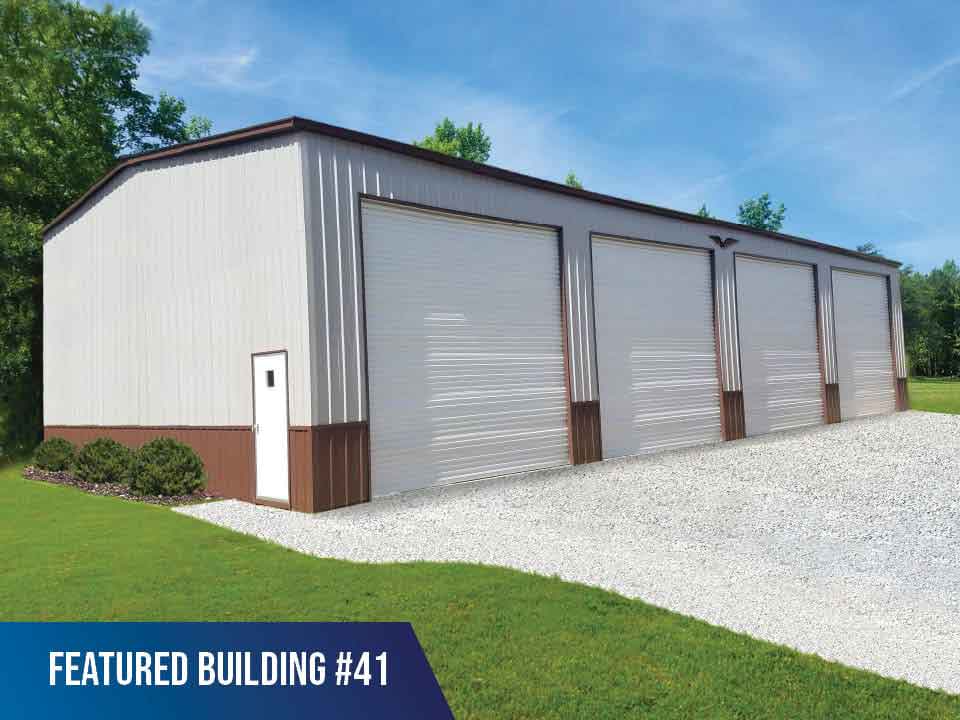
Credit: www.duramaxshedsdirect.com
Financing Options For Steel Homes
Financing a steel home can feel different from traditional house financing, but many options exist to help you manage the costs effectively. Understanding these options early can save you time and stress. Let’s look at practical ways to secure the funds you need for your steel home project.
Loans And Mortgages
Many lenders offer loans specifically for steel homes, but terms can vary compared to conventional mortgages. It’s important to confirm that your lender understands steel construction since it might affect appraisals and loan approval. You might find that construction loans, which fund the building process in stages, work best before switching to a permanent mortgage.
Interest rates and down payment requirements can differ based on your credit score and the lender’s policies. Some banks treat steel homes like manufactured homes, which may complicate financing, so asking questions upfront helps. Have you checked if your preferred lender has experience with steel homes?
Government Incentives
Federal and state governments sometimes offer incentives for building energy-efficient homes, including steel structures. These incentives can come as tax credits, rebates, or grants that reduce your overall cost. For instance, certain energy-efficient upgrades in steel homes might qualify you for the Residential Energy Efficient Property Credit.
Local housing programs might also support alternative building methods, so contacting your housing authority can uncover hidden savings. Have you explored whether your area offers special financing or incentives for steel homes? This could significantly ease your budget.
Cost Estimation Tools
Estimating your total steel home cost accurately can be tricky without proper tools. Online calculators designed for steel homes can help you plan your budget by factoring in materials, labor, and financing costs. Using these tools allows you to compare different scenarios, such as varying sizes or finishing levels, before making commitments.
Some tools also integrate loan calculators, so you get a clearer picture of monthly payments and total interest over time. Have you tried using a cost estimation tool to see how small design changes might impact your financing needs? This insight can guide smarter decisions early on.

Credit: titansteelstructures.com
Frequently Asked Questions
What Is The Average Cost Of A Steel Home?
The average cost of a steel home ranges from $50 to $120 per square foot. Prices vary based on design, location, and materials used. Custom features and finishes can increase the overall cost. Steel homes are generally more affordable than traditional homes.
Are Steel Homes Cheaper Than Traditional Homes?
Steel homes are often cheaper than traditional homes due to lower material and labor costs. They are quicker to construct, reducing labor expenses. Maintenance costs are also lower, offering long-term savings. However, customizations can increase initial costs.
How Long Does It Take To Build A Steel Home?
Building a steel home typically takes 3 to 6 months. This depends on the design complexity and site conditions. Steel homes are quicker to construct than traditional homes. Prefabricated components reduce construction time significantly, allowing for faster completion.
Do Steel Homes Offer Energy Efficiency?
Yes, steel homes are energy efficient. They provide excellent insulation, reducing heating and cooling costs. Steel frames minimize thermal bridging, enhancing energy efficiency. Proper insulation and design can further improve efficiency, leading to long-term savings on utility bills.
Conclusion
Steel homes offer strong, durable, and cost-effective housing options. Prices vary based on size, design, and location. You can save money on maintenance and energy bills over time. Planning and budgeting help avoid surprises during construction. Choosing steel means investing in a long-lasting home.
Consider your needs and compare costs before deciding. Steel homes suit many lifestyles and climates well. Take time to research and ask questions. This approach leads to smart, informed choices for your home.