
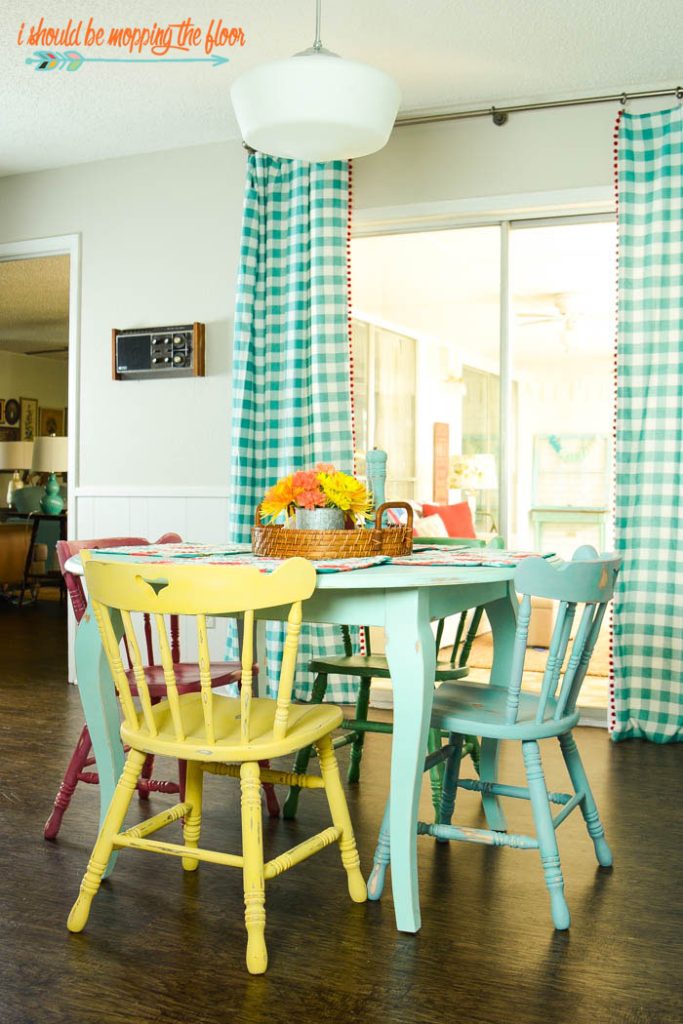
Can I Chalk Paint My Dining Room Table?. Are you thinking about giving your dining room table a fresh new look without spending a fortune? Chalk paint might be the perfect solution for you.
It’s easy to use, dries quickly, and can transform your table into a stunning centerpiece. But can you really chalk paint your dining room table? You’ll discover everything you need to know to decide if chalk painting is right for your table—and how to do it right.
Keep reading to find out how to make your dining space look amazing with just a few simple steps!
Benefits Of Chalk Painting
Chalk painting offers many benefits for your dining room table. It gives a fresh, unique look with minimal effort. The paint works well on various surfaces and hides imperfections. It creates a smooth, matte finish that suits many decor styles. This paint type also lasts long and is easy to maintain. Choosing chalk paint can be a smart, eco-friendly option for home projects.
Enhancing Table Aesthetics
Chalk paint transforms old tables into stylish pieces. It adds a soft, vintage touch that feels warm and inviting. The paint blends well with rustic, modern, or shabby chic themes. You can create a distressed look by lightly sanding after painting. Color options are wide, allowing for personal creativity. It instantly updates the table’s appearance without major work.
Durability And Finish
Chalk paint forms a strong, protective layer on wood. It resists scratches and stains, keeping the table looking new. The matte finish hides dents and marks better than glossy paint. Sealing with wax or varnish boosts durability and water resistance. The paint dries quickly, so you can finish your project fast. Regular touch-ups keep the finish fresh over time.
Eco-friendly Choice
Chalk paint is low in harmful chemicals and odor. It has fewer VOCs (volatile organic compounds) than many other paints. This makes it safer for indoor use and family health. The paint often contains natural ingredients like calcium carbonate. Using chalk paint reduces waste by renewing old furniture. It supports sustainable home improvement practices.

Credit: www.ishouldbemoppingthefloor.com
Preparing Your Dining Table
Preparing your dining table before applying chalk paint is essential to achieve a smooth, long-lasting finish. Skipping these steps can lead to peeling paint or uneven texture. Taking time to properly clean, repair, and select the right paint sets you up for success.
Cleaning And Sanding
Start by thoroughly cleaning your table to remove grease, dust, and old residue. Use a mild soap mixed with warm water and a soft cloth to wipe the surface. Avoid harsh chemicals that can damage the wood or existing finish.
After cleaning, sanding is key to creating a surface the chalk paint can grip onto. Use medium-grit sandpaper (around 120-150 grit) to gently scuff the surface. This step is crucial even if your table is already smooth, as it helps the paint adhere better and prevents peeling later.
Repairing Surface Imperfections
Take a close look for any dents, scratches, or cracks that could affect your paint job. Small holes or scratches can be filled with wood filler or putty. Once dry, sand the repairs smooth so they blend seamlessly with the rest of the table.
If your table has major damage, consider whether chalk paint is the best choice or if refinishing might be needed first. The goal is to create a flat, even surface to avoid imperfections showing through your paint.
Choosing The Right Chalk Paint
Not all chalk paints are created equal, and picking the right one can make a big difference. Look for brands known for strong coverage and durability, especially for furniture that gets daily use like your dining table.
Consider the finish you want—matte, satin, or slightly glossy—and check if the paint requires a wax or sealant topcoat for extra protection. Some chalk paints come pre-mixed with sealants, which can save you time and effort.
Have you checked if the paint color complements your dining room decor? Sometimes a bold color can refresh the space, but neutral tones offer timeless appeal. Your choice here affects not just style but how often you might want to repaint.
Applying Chalk Paint
Applying chalk paint to your dining room table can transform its look quickly and with minimal prep work. The key to a great finish lies in how you apply the paint, which depends on the tools you choose and your technique. Understanding how to layer the paint and allow proper drying time will help you avoid common pitfalls like streaks or uneven texture.
Selecting Brushes And Tools
Choosing the right brush or tool affects the final look more than you might expect. Many people prefer using a natural bristle brush or a synthetic brush designed for chalk paint to get smooth coverage without brush marks.
Rollers and foam brushes can also work well, especially if you want a very even surface. If your table has intricate details, a small artist’s brush helps reach tight spots.
Have you thought about testing different brushes on a scrap piece of wood? This simple step saved me from a streaky finish on my first try.
Techniques For Smooth Application
Apply the paint in thin, even layers rather than thick coats. This reduces drips and helps the paint dry uniformly. Use long, smooth strokes following the grain of the wood.
Avoid going over the same area repeatedly while it’s wet; this can cause uneven texture. Instead, let the first coat dry slightly before doing any touch-ups.
Consider lightly sanding between coats with fine-grit sandpaper to keep the surface smooth. It’s a small extra step that makes a big difference in the final feel.
Layering And Drying Times
Chalk paint usually dries quickly to the touch, often within 30 minutes, but full curing can take longer. Plan for at least 2-4 hours between coats to prevent lifting or peeling.
Most projects benefit from two to three coats for solid coverage. If you want a more distressed or layered look, you can add wax or glaze between layers.
Have you checked the paint can for recommended drying times? Following these guidelines closely can save you from frustration and help your dining table look its best.

Credit: www.ishouldbemoppingthefloor.com
Protecting The Painted Surface
Protecting the painted surface of your dining room table is key to keeping it looking fresh and vibrant. Chalk paint creates a beautiful, matte finish, but it’s quite porous and can easily stain or chip without proper protection. Adding a protective layer not only preserves the color but also makes cleaning easier and extends the life of your makeover.
Types Of Sealers And Waxes
You have several options to protect your chalk-painted table, each with its own benefits. Sealers come in water-based or oil-based formulas and offer a durable shield against spills and scratches.
- Water-based polyurethane:Clear and non-yellowing, perfect if you want to keep the original color of the paint.
- Oil-based polyurethane:Offers a harder finish but may slightly darken the paint.
- Wax:Gives a soft, natural finish and is easy to apply but needs regular reapplication.
Choosing wax means you get a lovely touchable surface, but if you want something tougher, a sealer is your best bet. Would you prefer a shiny finish or a more natural, matte look?
Applying Protective Coatings
Applying your chosen sealer or wax correctly is crucial. Start with a clean, dry table to avoid trapping dirt under the finish.
- If using sealer, apply thin, even coats with a good-quality brush or foam applicator.
- Let each coat dry fully before adding another—usually 2 to 4 hours depending on the product.
- For wax, use a soft cloth or wax brush to rub it into the surface in circular motions.
- Buff the wax to a soft sheen once it’s dry, which usually takes about 20 minutes.
Patience here pays off—rushing can lead to uneven spots or sticky finishes. Have you noticed how a well-applied finish can transform the feel of a piece?
Maintenance Tips For Longevity
After protecting your table, keeping it in great shape is all about gentle care. Avoid harsh cleaners or abrasive tools, which can break down your protective layer.
- Use a damp cloth and mild soap for regular cleaning.
- Reapply wax every 3 to 6 months if you used wax for protection.
- If you chose a sealer, check for scratches or wear spots and touch up as needed.
- Place coasters and placemats to shield against heat and moisture damage.
Think of your table as a daily companion—how much care would you give to keep it looking its best? The effort you put into maintenance will reward you with lasting beauty.
Creative Finishes And Effects
Chalk paint is a fantastic way to give your dining room table a fresh look, but the fun really begins when you start experimenting with creative finishes and effects. These techniques can add depth and personality to your piece, making it truly unique. Whether you want a vintage vibe or a subtle artistic touch, the right finish can transform your table into a conversation starter.
Distressing And Antiquing
Distressing your chalk-painted table adds character by revealing some of the wood or previous layers of paint underneath. You can achieve this by gently sanding edges and corners after the paint dries, creating a naturally worn look.
Antiquing goes a step further by applying a glaze or dark wax over the paint to highlight crevices and details. This technique adds warmth and a sense of history to your table. Have you thought about how a few gentle imperfections might make your table feel more inviting?
Color Washing And Blending
Color washing involves applying a thin, watered-down layer of paint over your base coat, allowing subtle color variations to show through. This technique softens the overall look and adds dimension without overwhelming the original color.
Blending different shades of chalk paint can create a smooth transition of colors across your table surface. It’s a great way to introduce a custom palette that matches your dining room decor perfectly. Why settle for one color when you can mix and match to suit your style?
Adding Stencils Or Patterns
Using stencils is a simple way to add intricate designs or repeat patterns on your chalk-painted table. You can choose anything from floral motifs to geometric shapes to personalize your piece.
Patterns can be applied in contrasting or complementary colors to make them stand out or blend subtly. This approach lets you express your creativity and make your table a true centerpiece. What design would you pick to reflect your personality?
Common Mistakes To Avoid
Chalk painting a dining room table can transform its look beautifully. Avoiding common mistakes ensures a smooth, lasting finish. Many errors happen during prep, product choice, and drying stages. Watch out for these pitfalls to get great results.
Skipping Surface Prep
Surface preparation is key for chalk paint to stick well. Skipping sanding or cleaning leads to peeling and uneven texture. Remove dust, grease, and old finish before painting. A smooth, clean surface helps the paint last longer.
Using Incompatible Products
Not all paints and finishes work well with chalk paint. Avoid mixing chalk paint with oil-based products without proper primers. Using wrong wax or sealants can cause discoloration or damage. Choose products made for chalk-painted surfaces only.
Ignoring Proper Drying Time
Rushing the drying process causes smudges and uneven coats. Chalk paint needs time to dry between layers. Skip touching or sealing before paint is fully dry. Patience ensures a smooth, durable finish that lasts.

Credit: www.ishouldbemoppingthefloor.com
Frequently Asked Questions
What Is Chalk Paint Used For?
Chalk paint is popular for its matte finish and versatility. It’s often used to give furniture a vintage look. Ideal for wood, metal, and more, it doesn’t require priming. Chalk paint adheres well to surfaces, making it perfect for DIY projects like dining room tables.
Do I Need To Sand Before Chalk Painting?
Sanding is not mandatory before chalk painting. Chalk paint adheres well to most surfaces without sanding. However, for a smoother finish or if the surface is glossy, light sanding can help. Always clean the surface to remove dust and grime before painting.
How Do I Seal A Chalk-painted Table?
Sealing a chalk-painted table is essential for durability. Use a clear wax or polyurethane to seal. Apply wax with a brush or cloth, letting it cure for 24 hours. Polyurethane offers a stronger seal, especially for high-traffic areas like dining tables.
Can I Use Chalk Paint On Any Surface?
Yes, chalk paint is versatile and adheres to most surfaces. It’s suitable for wood, metal, laminate, and even glass. However, some surfaces may need light sanding or a primer for better adhesion. Always test a small area first to ensure desired results.
Conclusion
Chalk painting your dining room table can refresh its look easily. This paint works well on wood and many surfaces. It creates a matte, vintage style that feels cozy. You only need a few simple tools to start. Remember to seal the paint for long-lasting results.
Experiment with colors to match your room’s style. Take your time and enjoy the process. Your table will feel new without spending much money. Chalk paint offers a simple way to update your furniture. Give it a try and see the difference yourself.