
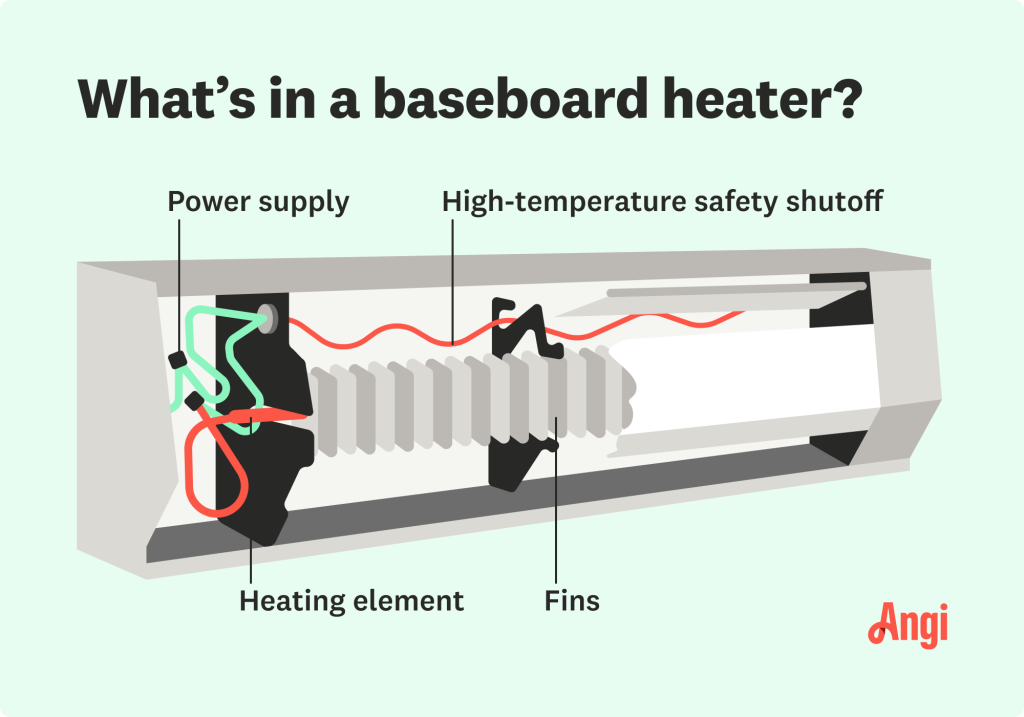
Is your house feeling colder than it should be? You’re not alone if you’re wondering, “Why isn’t my heat working in my house?” It’s frustrating when you expect warmth but get chilly air instead.
Before you start layering up or calling for expensive repairs, there are simple reasons that might explain the problem. Understanding what’s going wrong can save you time, money, and discomfort. Keep reading, and you’ll discover easy steps to find out why your heat isn’t working—and how to fix it fast.

Credit: www.youtube.com
Common Heating Issues
Heating problems in a house can be frustrating, especially during cold days. Many common issues cause heating systems to stop working properly. Understanding these problems helps in fixing them quickly and easily. Here are some typical reasons why your heat might not be working.
Thermostat Problems
The thermostat controls your heating system’s temperature. If it is set incorrectly, the heat may not turn on. Sometimes, the thermostat batteries die or the device malfunctions. This can stop your heater from working. Check the settings and replace batteries to solve simple issues.
Pilot Light And Ignition Failures
Furnaces use a pilot light or electronic ignition to start heating. If the pilot light goes out, the heat will not come on. Dirt or gas supply issues can cause ignition failure. Relighting the pilot light or fixing the ignition can restore heat quickly.
Clogged Air Filters
Air filters clean the air before it heats up. Over time, filters get dirty and block airflow. This makes the heater work harder or stop working. Changing or cleaning air filters regularly improves heat flow and system efficiency.
Blocked Vents And Registers
Vents and registers deliver warm air into rooms. If they are blocked by furniture or dust, air cannot flow freely. This causes cold spots and reduces heating effectiveness. Keep vents clear and clean for better heat distribution throughout the house.
Credit: www.familyhandyman.com
Heating System Types
Understanding the type of heating system in your home is crucial when your heat stops working. Each system has unique components and common problems that affect performance differently. Identifying your system helps you troubleshoot effectively and decide when to call a professional.
Furnace Troubleshooting
Furnaces are one of the most common heating systems. They use fuel like gas, oil, or electricity to heat air, which is then distributed through ducts.
If your furnace isn’t working, start by checking the thermostat settings. Is the thermostat set to “heat” and the temperature higher than the room temperature? Sometimes, the issue is as simple as dead batteries in the thermostat.
Next, inspect the furnace filter. A clogged filter reduces airflow, causing the furnace to overheat and shut down. Replacing a dirty filter can often restore heat quickly.
Heat Pump Challenges
Heat pumps work by moving heat rather than generating it, making them efficient but sensitive to cold weather. If your heat pump isn’t working, check if it’s stuck in defrost mode, which is common in winter.
Sometimes, ice buildup on the outdoor unit can block airflow. Gently clearing ice or snow can help the system start working again.
Have you noticed the heat pump running but the house still feels cold? This could mean the system is struggling to extract heat from the outside air, indicating it might be time for a service call.
Boiler Issues
Boilers heat water that circulates through radiators or underfloor pipes to warm your home. If your heat isn’t working, check the pressure gauge—low pressure can stop the boiler from firing up.
Bleeding radiators to release trapped air can improve heat distribution. This simple step often fixes cold spots in rooms.
Is your boiler making strange noises like banging or whistling? These sounds can signal sludge buildup or air in the system, both of which require professional cleaning or servicing.
Quick Fixes To Try
Heating problems can be frustrating, especially during cold days. Before calling a professional, try some quick fixes. These simple steps can often solve common heating issues at home. They require little time and no special tools.
Resetting Your Thermostat
Start by turning off your thermostat. Wait for about 30 seconds. Turn it back on and set the desired temperature. This can clear minor errors and restart the system. Sometimes, the thermostat just needs a quick reset to work properly again.
Replacing Air Filters
Dirty filters block airflow and reduce heating efficiency. Check your air filter every month. Replace it if it looks dirty or clogged. Clean filters help your heater run smoothly and keep air clean. This simple change can improve heating and save energy.
Checking Circuit Breakers
Heating systems need electricity to work. A tripped breaker can stop your heater. Locate your home’s breaker panel. Look for any switches in the OFF position. Flip them back ON to restore power. This quick check often solves heating failures.
Cleaning Vents
Blocked or closed vents reduce warm air flow. Inspect vents in each room. Remove dust and debris using a vacuum or brush. Make sure vents are fully open. Clean vents help heat spread evenly, making your home cozy again.
When To Call A Professional
Knowing when to call a professional for heating issues can save time and prevent damage. Some problems need expert attention right away. Others can wait until a routine check-up. Understanding the signs helps you decide the right moment to seek help.
Signs Of Serious Problems
- The heater makes strange noises like banging or clanking.
- No heat comes out even if the system runs.
- There is a burning smell near the heater.
- The heater cycles on and off too often.
- Unusual cold spots appear in your home.
- Higher energy bills without more usage.
- Visible leaks or moisture around the heating unit.
These signs suggest a major issue. Calling a technician quickly can prevent bigger repairs.
Scheduling Maintenance
Regular maintenance keeps your heating system efficient and safe. Schedule a check-up before cold months start. A technician will clean parts, check for wear, and ensure proper function. This prevents unexpected breakdowns and extends system life.
Maintenance visits also improve air quality and reduce energy costs. Set reminders to book a professional yearly.
Choosing A Reliable Technician
Pick a technician with good reviews and proper licenses. Ask for references and verify their experience with your heating type. Reliable professionals offer clear estimates and guarantee their work.
Trust matters. Choose someone who communicates well and respects your home. This ensures a smooth repair or maintenance visit.
Preventing Future Heat Failures
Preventing future heat failures in your home means taking steps that keep your heating system reliable and efficient. It’s not just about fixing problems when they happen but stopping them before they start. By focusing on maintenance, upgrading equipment, and improving insulation, you can keep your home warm without unexpected cold surprises.
Regular System Maintenance
Regular maintenance helps catch small issues before they turn into big problems. You should schedule a professional check-up at least once a year, ideally before the cold season begins.
Simple tasks like changing filters, cleaning ducts, and inspecting parts can make a huge difference. Have you ever noticed how your heating seems weaker after months of no attention? That’s a clear sign your system needs care.
Upgrading Old Equipment
Old heating units often work harder and use more energy, which increases the risk of failure. If your system is more than 10-15 years old, consider whether it’s time for an upgrade.
Newer models not only heat more effectively but also save on energy bills. Imagine replacing your outdated furnace with a modern, energy-efficient one — the warmth and savings you gain can be surprising.
Improving Home Insulation
Even the best heating system struggles if your home isn’t well insulated. Check areas like windows, doors, and attic spaces for drafts or poor sealing.
Adding insulation keeps heat inside and reduces the load on your heater. Have you felt cold spots in your home despite the heater running? That’s a clue your insulation might need an upgrade.

Credit: www.reddit.com
Frequently Asked Questions
Why Isn’t My Home’s Heating System Working?
Your heating system might not work due to thermostat issues, power supply problems, or blocked vents. Check if the thermostat is set correctly and has fresh batteries. Ensure the power switch is on, and inspect vents for blockages. Regular maintenance can prevent these issues.
What Are Common Heating System Problems?
Common issues include a malfunctioning thermostat, clogged filters, or a faulty pilot light. Dirty filters can restrict airflow, causing inefficiency. A malfunctioning thermostat might not communicate properly with the system. Ensure the pilot light is on and functioning correctly for gas heaters.
How Can I Fix A Faulty Thermostat?
First, check the thermostat’s power source and batteries. Ensure it’s set to the correct temperature. Clean any dust or debris inside the unit. If problems persist, consider recalibrating the device or consulting a professional for further assistance.
Why Is My Heater Blowing Cold Air?
A heater blowing cold air may indicate a thermostat issue, power problem, or dirty filter. Ensure the thermostat is set correctly and functioning. Check the circuit breaker and power connections. Clean or replace filters to ensure proper airflow and heating efficiency.
Conclusion
A heater not working can be frustrating and cold. Check simple things first, like the thermostat or power supply. Sometimes, dirty filters or blocked vents cause problems too. Regular maintenance helps avoid these issues. Call a professional if you cannot fix it yourself.
Staying warm matters, so don’t wait long to solve the problem. Your home should feel cozy and safe all winter.