

Is your heater blowing cold air when you expect warmth? It’s frustrating and confusing, especially when you need comfort the most.
You might wonder if something is wrong with your system or if you’ll face costly repairs. The good news is, you don’t have to stay in the cold or panic. Understanding why your heat is blowing cold air can help you fix the problem quickly and avoid bigger issues.
Keep reading to find out the common reasons behind this and what you can do about it—so your home feels cozy again in no time.
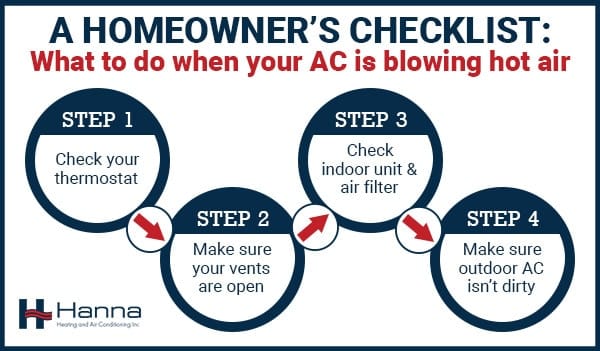
Credit: www.hannainc.com
Common Reasons For Cold Air From Heater
Cold air coming from your heater can be frustrating, especially on chilly days. Understanding the common causes helps fix the problem faster. These issues often involve simple parts that may need attention or replacement.
Thermostat Issues
A thermostat controls your home’s temperature. If it is set incorrectly, the heater may blow cold air. Sometimes, the thermostat batteries are dead. Other times, the thermostat itself could be faulty. Checking and adjusting the thermostat is a good first step.
Dirty Air Filters
Air filters trap dust and dirt. When filters get clogged, airflow decreases. This can cause the heater to blow cold air. Replacing or cleaning filters regularly keeps the air flowing well and the heater working properly.
Blocked Vents
Blocked vents stop warm air from circulating. Furniture or objects covering vents can cause this. Pets and dust buildup may also block vents. Clear all obstructions to restore good airflow and warm air delivery.
Pilot Light Or Ignition Problems
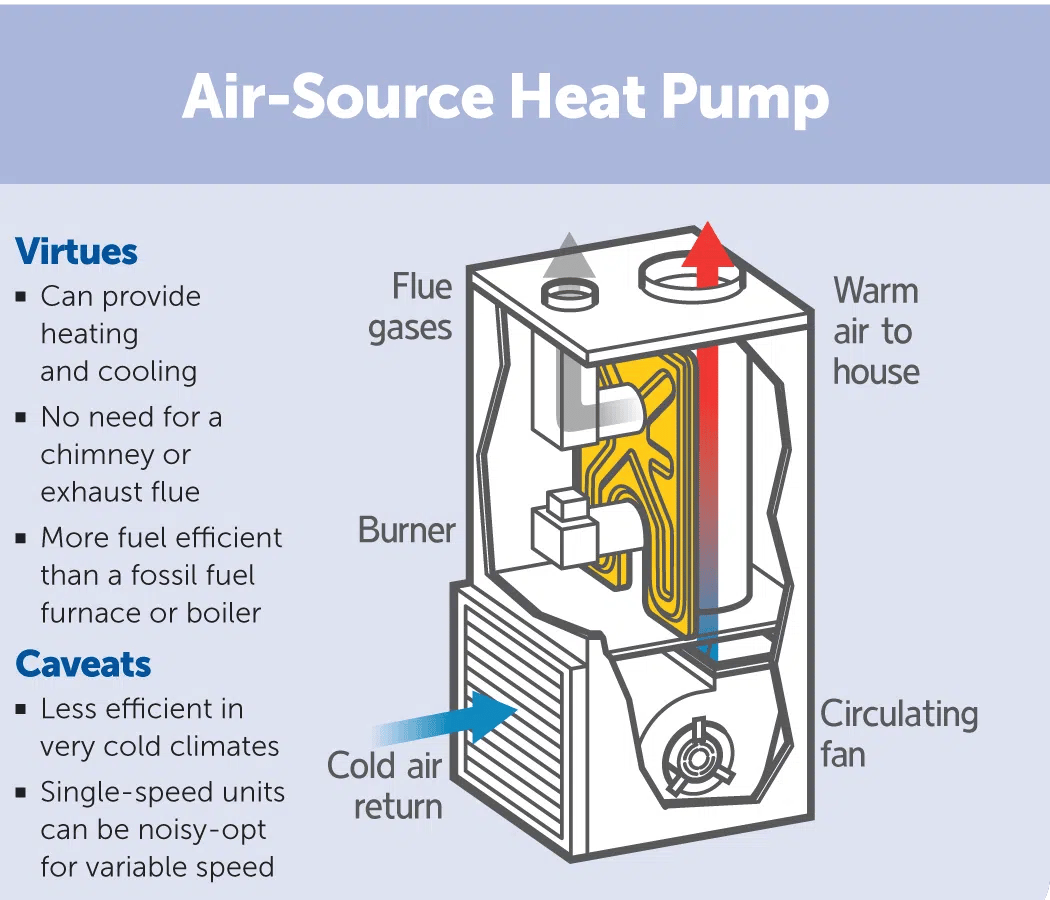
Gas heaters use a pilot light or electronic ignition. If the pilot light goes out or the ignition fails, no heat is produced. This leads to cold air blowing through the system. A professional can relight the pilot or fix ignition issues safely.
Malfunctioning Blower Motor
The blower motor pushes warm air through your home. When it malfunctions, airflow can stop or weaken. Sometimes, the motor overheats or the belts break. Repair or replacement by a technician may be necessary to fix the problem.
Credit: www.greenbuildermedia.com
Heating System Components To Check
The heating system in your home has several important parts. Each part plays a key role in keeping your house warm. When the heat blows cold air, some components might have problems. Checking these parts can help find the issue fast.
Understanding which components to inspect saves time and avoids costly repairs. Here are some main parts to check if your heat is blowing cold air.
Heat Exchanger Problems
The heat exchanger warms the air before it moves through your home. Cracks or damage in this part can stop proper heating. A broken heat exchanger can also cause safety risks. Signs of problems include strange noises or a burning smell. Regular inspections catch these issues early.
Ductwork Leaks
Ductwork carries warm air from the heater to each room. Leaks in the ducts allow warm air to escape. This makes the air feel colder by the time it reaches you. Check for holes, loose connections, or disconnected ducts. Sealing leaks improves heat flow and energy efficiency.
Low Refrigerant Levels
Heating systems like heat pumps use refrigerant to transfer heat. Low refrigerant means the system cannot heat air properly. This causes cold air to blow instead of warm air. Refrigerant leaks should be fixed by a professional. Regular maintenance keeps refrigerant at the right level.
Faulty Gas Valve
The gas valve controls the fuel flow to the burner. A faulty valve might not open fully or at all. This stops the burner from producing heat. If your system uses gas, a bad valve often causes cold air blowing. Testing and fixing the valve requires a trained technician.
Seasonal And Maintenance Factors
Seasonal changes and regular upkeep play a huge role in how your heating system performs. If your heat is blowing cold air, it might not always be a major breakdown; sometimes, the issue lies in how the system interacts with the changing weather or how well it’s been maintained. Understanding these factors can help you spot problems early and keep your home warm when you need it most.
Cold Weather Impact
When temperatures drop, your heating system works harder to keep your home cozy. Extremely cold weather can cause the heat exchanger to freeze or the furnace to shut off as a safety measure. You might notice colder air blowing if your system struggles to keep up with the demand, especially during sudden cold snaps.
Ask yourself: has the cold weather become harsher recently? If yes, your heating unit might need adjustments to handle the increased load.
Lack Of Regular Maintenance
Skipping routine maintenance can cause your heating system to lose efficiency over time. Dirty filters, clogged vents, or worn-out components reduce airflow and heat output, often resulting in cold air coming from your vents. Simple actions like changing filters every few months can dramatically improve performance.
Think about the last time you serviced your system. Neglect can lead to bigger problems that are costly to fix and uncomfortable to live with.
Improper System Size
A heating system that’s too small won’t produce enough warm air to heat your space effectively. On the other hand, an oversized system can cycle on and off too quickly, failing to warm the air properly. Both scenarios can lead to cold air blowing out of your vents, leaving your home chilly despite the heater running.
Have you checked if your system matches your home’s size and insulation? An HVAC professional can help you determine if your unit fits your needs or if an upgrade is necessary.

Credit: www.youtube.com
When To Call A Professional
Knowing when to call a professional can save you time, money, and frustration when your heat is blowing cold air. Some issues are simple fixes you can handle yourself, but others need expert attention to avoid bigger problems. Understanding the warning signs helps you decide when it’s time to pick up the phone and get help.
Signs Of Serious Issues
Not all cold air coming from your heat means a minor glitch. If you notice these signs, it’s a clear signal to call a professional:
- Your heater cycles on and off frequently without warming the house.
- There’s an unusual smell, like burning or gas, when the system runs.
- The pilot light or ignition won’t stay lit.
- Unexplained noises, such as banging or rattling, come from the furnace.
These symptoms often point to complex problems that need expert diagnosis and repair.
Safety Concerns
Heating systems involve gas, electricity, and moving parts, all of which carry safety risks. If you suspect a gas leak, smell something strange, or notice the system overheating, don’t try to fix it yourself. Professionals have the right tools and training to handle these dangers safely.
Remember, your health and home’s safety come first. Could a small hesitation cost you more than just money?
Cost Vs. Repair Benefits
Sometimes, you might hesitate to call a professional because of repair costs. However, ignoring serious issues can lead to higher bills or a total system replacement later on.
Think about it this way: paying for a professional now can extend your heater’s life and improve efficiency, saving you money over time. Are you ready to gamble with your comfort and wallet?
Preventing Cold Air Blowing Issues
Preventing cold air from blowing out of your heat vents starts with simple, consistent care. Many homeowners overlook routine maintenance, which can lead to unexpected chilly blasts during the colder months. Addressing a few key areas can keep your heating system running smoothly and efficiently.
Regular Filter Replacement
Dirty filters restrict airflow and can cause your heating system to work harder, often resulting in cold air coming through the vents. Changing your air filter every 1-3 months keeps the system clean and allows warm air to circulate properly.
Think about the last time you forgot to replace your filter—did you notice the heat wasn’t as strong? This small task can save you from costly repairs and improve your home’s comfort instantly.
Routine System Inspections
Scheduling regular inspections helps catch problems before they turn into cold air emergencies. A professional can check for issues like leaks, thermostat malfunctions, or worn-out parts that you might miss.
Have you ever experienced your heater suddenly blowing cold air without warning? Routine checkups reduce surprises and keep your system in top shape.
Proper Thermostat Settings
Incorrect thermostat settings might be why your heater feels like it’s blowing cold air. Make sure your thermostat is set to “heat” and the temperature is higher than the current room temperature.
Also, check if your thermostat’s batteries need replacing or if it’s placed near drafts or heat sources that confuse its readings. Small tweaks here can restore warm air flow quickly.
Frequently Asked Questions
Why Is My Heater Blowing Cold Air?
Your heater might blow cold air due to thermostat issues, clogged filters, or a malfunctioning pilot light. Check if the thermostat is set correctly. Dirty filters can restrict airflow, causing cold air. Also, ensure the pilot light is lit for proper furnace operation.
How Can I Fix A Furnace Blowing Cold Air?
First, check your thermostat settings and replace or clean filters. Inspect the pilot light and relight it if needed. If these steps don’t resolve the issue, consult a professional technician to diagnose and repair potential mechanical or electrical problems.
Is A Clogged Filter Causing Cold Air?
Yes, a clogged filter can restrict airflow, causing your heater to blow cold air. Regularly replacing or cleaning filters ensures efficient airflow and proper heating. This maintenance can prevent cold air issues and improve your system’s efficiency, prolonging its lifespan.
Could A Thermostat Setting Cause Cold Air?
Yes, incorrect thermostat settings can cause cold air from your heater. Ensure it’s set to ‘heat’ mode and the temperature is set higher than the current room temperature. Replacing old thermostats with programmable ones can improve accuracy and efficiency.
Conclusion
Cold air from your heat system signals a problem inside. Check the thermostat settings first. Dirty filters can block warm air flow. The pilot light or ignition might be off. Duct leaks also let warm air escape. Regular maintenance helps keep your heater working well.
Fixing these issues saves energy and money. Don’t wait too long to call a professional. Warm air should come out, not cold. Stay comfortable by addressing heat problems early. Your home deserves cozy, warm air all winter.