

Have you ever wondered what it feels like to eat without using your sight? The Blind Dining Experience is designed to do just that—turn off your vision and turn up your other senses.
It’s not just about eating in the dark; it’s about changing how you connect with food, taste, and even people around you. This unique experience challenges your usual way of dining and opens your mind to something completely different. Keep reading, and you’ll discover why the Blind Dining Experience is the way it is—and how it might change the way you enjoy every meal.
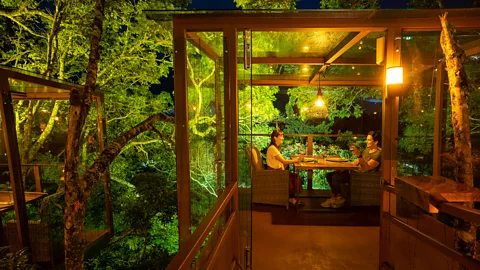
Credit: www.bbc.com
Concept Behind Blind Dining
Blind dining is more than just eating in the dark; it’s an experience designed to awaken your senses and challenge how you perceive food. The concept pushes you to rely on taste, smell, touch, and sound rather than sight. This shift creates a unique connection with your meal and often leads to surprising discoveries about flavor and texture.
Origins And Evolution
The idea of blind dining started gaining traction in the early 2000s, inspired by restaurants aiming to create immersive sensory experiences. Initially, it was about empathy—allowing sighted diners to understand the challenges faced by visually impaired people. Over time, it evolved into a culinary adventure that focuses on heightening other senses.
Today, blind dining has spread worldwide, with many restaurants offering dark dining rooms or meals served by visually impaired staff. This evolution reflects a growing interest in sensory exploration and accessibility.
Purpose And Goals
The main goal of blind dining is to make you experience food differently. By removing sight, you become more aware of subtle flavors and textures you might usually overlook. This can change the way you appreciate every bite.
It also aims to foster empathy and awareness about blindness. When you eat in complete darkness, you get a small glimpse into the daily challenges faced by those without sight. Have you ever wondered how much your eyes influence your taste?
- Enhance sensory awareness beyond vision
- Create a deeper emotional connection with food
- Promote inclusivity by supporting visually impaired staff
- Encourage mindfulness and presence during meals

Credit: volumeonetickets.org
Sensory Impact On Diners
Dining in complete darkness shifts your entire sensory experience. Without sight, your other senses must work harder to make sense of the food in front of you. This creates a unique sensory impact that changes how you taste, smell, and even perceive what you are eating.
Heightened Taste And Smell
Without visual distractions, your taste buds and nose become more alert. You start noticing subtle flavors that you might usually miss, like a hint of citrus in a sauce or the earthy aroma of fresh herbs.
One diner shared how, during a blind dining experience, they suddenly detected the smokiness in a dish that they never realized was there before. This shows how removing sight allows your brain to focus more on taste and smell.
Try this yourself: next time you eat, close your eyes and pay attention only to the flavors and smells. You might be surprised by what you discover.
Altered Perception Of Food
Without seeing your meal, your brain creates its own image of the food based on taste and smell alone. This can lead to surprising reactions—sometimes food tastes completely different than you expected.
Imagine eating a dessert and expecting it to be sweet but finding it savory instead. Your mind has to adjust and re-interpret the flavors without visual clues.
This altered perception can make dining more playful and adventurous. It pushes you to rethink how you judge food and challenges your usual preferences.
Psychological Effects
The blind dining experience impacts the mind in unique ways. Removing sight sharpens other senses like taste, smell, and touch. This sensory shift changes how people feel and interact during the meal. It creates a space where usual social rules and habits fade. The psychological effects are deep and often surprising.
Trust And Vulnerability
Blind dining asks diners to trust others completely. Without sight, people rely on waiters and companions more. This builds a sense of vulnerability but also connection. Guests learn to accept help and guidance openly. Trust grows as diners experience the meal together in a new way.
Breaking Social Barriers
Dining in darkness breaks down social walls quickly. Without visual cues, judgments based on appearance disappear. People focus on voices, words, and emotions instead. This creates equal footing among strangers and friends. Conversations become more honest and personal. The experience encourages openness and shared humanity.
Credit: www.ijustwanttoeat.com
Role Of Ambiance And Environment
The role of ambiance and environment in a blind dining experience is crucial. It shapes how you perceive taste, smell, and even conversation. Without sight, your other senses become sharper, and the setting helps guide these heightened perceptions.
Lighting And Sound Design
Surprisingly, lighting still matters even though you won’t see your food. Soft, indirect lighting outside the dining area helps keep the mood calm and focused. It prevents harsh glare that could disrupt the subtle adjustments your eyes make when entering or leaving the blind zone.
Sound plays an even bigger role. Background noises are controlled carefully to avoid distractions. Some venues add gentle ambient sounds like soft music or nature sounds to create a soothing environment. This encourages you to listen more to your own chewing and conversation, deepening your sensory engagement.
Seating And Interaction
The way you’re seated influences your comfort and social experience. Tables are often arranged to encourage conversation without overwhelming your hearing. Seating might be spaced to allow privacy, yet close enough to share the moment.
Interaction is also designed to be intuitive. Staff may guide you by touch or clear verbal cues to make you feel secure. When you can’t rely on sight, these small details make a big difference in helping you relax and enjoy the meal fully.
Challenges For Restaurants
Running a blind dining experience challenges restaurants in many ways. They must rethink usual operations to fit a unique setting. The goal is to create a safe, enjoyable meal without sight. This demands special attention to menu design, food preparation, and staff skills. Every detail counts to make the experience smooth and memorable.
Menu Design And Preparation
Menus need clear, simple descriptions. Without sight, guests rely on taste, smell, and texture. Chefs must balance flavors and avoid strong smells that confuse senses. Food shapes and temperatures become important to guide the diner’s experience. Dishes must be easy to eat without seeing them. Presentation still matters, but in a different way—focused on feel and taste.
Preparation requires extra care. Kitchen staff must prevent mix-ups and cross-contamination. Consistency is key to meet guest expectations. Meals often come in courses, so timing and portion size must be precise. Every plate tells a story through flavor and touch, not looks.
Staff Training And Safety
Staff need special training to assist blind diners effectively. They learn how to describe food clearly and guide guests gently. Communication skills must be sharp and respectful. Staff also prepare for emergencies without relying on sight. Safety protocols change to protect everyone in a dark or low-light setting.
Teamwork is crucial. Waiters, chefs, and managers coordinate closely. They anticipate guest needs and solve problems quickly. Staff must balance service speed with careful attention. This ensures a smooth, worry-free experience for all.
Diverse Experiences Around The World
The blind dining experience varies widely across the globe, shaped by local cultures, traditions, and innovative ideas. These differences make each dining event unique and memorable in its own way. Understanding these diverse approaches can open your eyes to how food and sensory deprivation combine to create powerful moments.
Cultural Variations
In some countries, blind dining blends with traditional rituals. For instance, in Japan, a blind dining event might emphasize subtle flavors and seasonal ingredients, encouraging diners to focus deeply on taste and texture.
Meanwhile, in India, some blind dining experiences include communal eating and storytelling, adding a social and cultural layer to the meal. Have you ever thought about how the cultural setting influences your perception of food beyond just taste?
In France, known for its rich culinary heritage, blind dining often highlights the artistry of plating and the aroma of wine pairings, prompting you to rely more on your nose and palate.
Innovative Approaches
Some restaurants go beyond darkness to heighten other senses. They might use soundscapes or tactile elements to immerse you fully in the experience. Imagine hearing a forest sound while tasting a mushroom dish—this can deepen your connection to the meal.
Technology also plays a role. Virtual reality combined with blind dining is emerging, where you might experience a simulated environment that matches the food’s origin or story. This challenges you to consider how environment shapes taste.
Some places even encourage diners to prepare part of their meal by touch alone, adding a participatory dimension. This hands-on involvement can make you appreciate the effort behind every bite.
Frequently Asked Questions
What Is A Blind Dining Experience?
A blind dining experience involves eating in complete darkness. It heightens your other senses like taste and smell. This unique experience encourages diners to focus on flavors and textures. It also challenges perceptions and offers a deeper appreciation of food.
Why Is Blind Dining Popular?
Blind dining is popular because it offers a unique sensory adventure. It enhances taste and smell, making meals more memorable. This immersive experience also promotes mindfulness and concentration on food. Many diners enjoy the novelty and challenge it presents.
How Does Blind Dining Enhance Taste?
Blind dining enhances taste by removing visual distractions. Without sight, your brain focuses more on flavors. This heightened sensory awareness allows diners to enjoy subtle tastes. It creates a more intense and engaging dining experience.
Is Blind Dining Safe For Everyone?
Blind dining is generally safe for most people. Restaurants ensure a secure environment with trained staff. However, it may not suit those with anxiety in dark spaces. Always check with the restaurant for any specific concerns or requirements.
Conclusion
The blind dining experience changes how we enjoy food. It sharpens our other senses, like smell and taste. You focus more on flavors, textures, and sounds around you. This makes eating more mindful and exciting. It also raises awareness about the challenges faced by visually impaired people.
Everyone can learn something new from this unique way of dining. Trying it once can change how you see meals forever. It’s not just about food—it’s about connection and discovery. A simple meal becomes a rich, thoughtful adventure.