
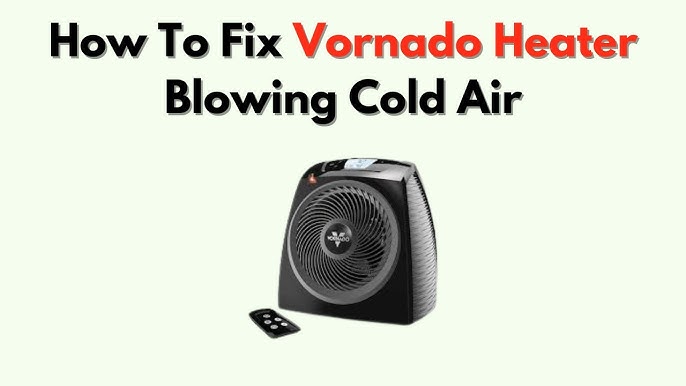
Is your heater blowing cold air when you expect warmth? It’s frustrating and uncomfortable, especially when you’re counting on your heater to keep your home cozy.
You might be wondering why this is happening and how to fix it quickly. Understanding the reasons behind your heater’s cold air can save you time, money, and stress. Keep reading to discover the common causes and simple solutions that will help you restore comfort to your home fast.
Credit: www.aiellohomeservices.com
Common Reasons For Cold Air
Cold air blowing from your heater can be frustrating, especially on a chilly day. Understanding the common reasons behind this issue can save you time and money. Let’s look at some typical causes that might explain why your heater isn’t warming your home as expected.
Thermostat Setting Issues
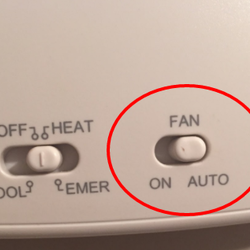
Sometimes, the problem is as simple as incorrect thermostat settings. If your thermostat is set to “cool” instead of “heat,” or if the temperature is set lower than the room temperature, your heater won’t turn on properly.
Check if the thermostat batteries need replacing, too. A malfunctioning thermostat can misread the temperature, making your heater blow cold air even when it should be heating.
Dirty Air Filters
Dirty air filters restrict airflow, causing the heater to work inefficiently. When airflow is blocked, the heat exchanger can overheat and shut down, leading to cold air coming through your vents.
Changing your air filters regularly can prevent this. Think about the last time you replaced yours—could it be overdue for a change?
Pilot Light Or Ignition Problems
If your heater uses a pilot light, it might have gone out. Without a pilot light or a proper ignition, the heater won’t produce heat and will blow cold air instead.
For newer models with electronic ignition, a faulty igniter can cause similar issues. Checking these components or calling a professional to inspect them can restore your heater’s warmth quickly.
Credit: fischerheating.com
Mechanical Failures
Mechanical failures often cause heaters to blow cold air. These issues stop the heater from working properly. The heater parts wear out or break over time. This leads to poor heating or no heat at all.
Understanding common mechanical problems helps diagnose the issue. It also guides the repair or replacement process. Here are key mechanical failures that may cause cold air from your heater.
Malfunctioning Blower Motor
The blower motor pushes warm air through the vents. If it stops working, no air moves inside. Sometimes the motor runs but spins slowly. This lowers air flow and feels like cold air. The motor can fail due to worn bearings or electrical problems.
Broken Heat Exchanger
The heat exchanger heats the air before it enters your home. A crack or break in it stops proper heating. Air passes through without warming up. This causes cold air to blow out of the vents. A broken heat exchanger also risks gas leaks and needs quick repair.
Faulty Gas Valve
The gas valve controls the gas flow to the burner. If it is faulty, the burner may not ignite. No heat gets produced even if the blower runs. A stuck or broken gas valve often causes cold air. Repair or replacement by a professional is necessary for safety.
Electrical And Wiring Issues
Electrical and wiring issues can often be the hidden culprits when your heater starts blowing cold air. These problems may not be obvious at first, but they affect how power reaches your heating system. Understanding these issues can save you time and prevent unnecessary service calls.
Tripped Circuit Breaker
A tripped circuit breaker cuts power to your heater, causing it to stop heating and blow cold air instead. This can happen if the heater draws too much current or if there’s a short circuit somewhere in the system. Have you checked your breaker box lately? Resetting the breaker might be all you need to restore heat.
Sometimes, the breaker trips repeatedly. This signals a deeper electrical issue that needs professional attention. Don’t ignore frequent trips—they can indicate dangerous wiring faults or an overloaded circuit.
Wiring Problems
Faulty wiring can disrupt the flow of electricity to your heater. Loose connections, damaged wires, or corroded terminals can cause intermittent heating or complete failure. Have you noticed flickering lights or sparks near your heater’s electrical panel? These are red flags.
Wiring problems often develop over time, especially in older homes. A quick visual inspection might reveal frayed wires or burn marks. Fixing wiring issues early prevents bigger hazards like electrical fires.
Blown Fuses
Fuses protect your heater by breaking the circuit if there’s an electrical overload. A blown fuse stops power from reaching your heater, which results in cold air blowing. Checking your fuse box is a simple first step if your heater suddenly stops working.
Replacing a blown fuse might fix the problem temporarily. But if the fuse blows again, it’s a sign of an underlying issue such as a short circuit or faulty component. Have you experienced recurring fuse problems? It’s best to get a qualified electrician to diagnose the cause.
Airflow And Ventilation Problems
Airflow and ventilation issues are common reasons why your heater might blow cold air instead of warm. Even if your heater is working properly, poor airflow can stop warm air from reaching the rooms you want to heat. Understanding these problems can help you fix the issue or know when to call a professional.
Blocked Or Closed Vents
Have you checked if your vents are open and unblocked? Sometimes furniture, rugs, or curtains can accidentally cover vents, limiting airflow. Even partially closed vents can reduce the amount of warm air circulating in your home.
Try walking around your house and inspecting every vent. Clear any obstacles and fully open the vents to see if the airflow improves. It’s a simple step that often gets overlooked but makes a big difference.
Ductwork Leaks
Leaks in your ductwork can cause warm air to escape before it reaches your rooms. Over time, ducts can develop holes or loose joints, especially in older homes. This means your heater is working hard, but you’re not feeling the heat where it matters.
You might notice colder areas in your home or higher energy bills. Sealing ducts with foil tape or mastic sealant can restore proper airflow. If you’re unsure, a professional duct inspection can pinpoint leaks you can’t see.
Improper Ventilation
Ventilation affects how air moves through your house, and poor design or installation can trap cold air inside. If your ventilation system doesn’t balance intake and exhaust properly, it can reduce heating efficiency. This might cause your heater to blow cold air despite running normally.
Think about how your home feels in different rooms—is some air fresh while others feel stale or cold? Balancing ventilation often requires adjusting or adding vents and fans to promote airflow. Asking yourself if your home ‘breathes’ well can guide you toward solving ventilation problems.
Maintenance Tips To Prevent Cold Air
Keeping your heater in top shape is key to avoiding the frustration of cold air blowing through your vents. Simple maintenance tasks can make a huge difference in how efficiently your system warms your home. Let’s look at some practical tips that can help you prevent your heater from blowing cold air when you need warmth the most.
Regular Filter Replacement
Dirty or clogged filters restrict airflow, causing your heater to struggle and sometimes blow cold air. Check your heater’s filter at least once a month during the heating season and replace it if it looks dirty. A clean filter not only improves air quality but also lets your system work efficiently, saving you money on energy bills.
Annual System Inspections
Scheduling a yearly inspection with a professional can catch issues before they turn into costly repairs. Technicians can spot worn parts, leaks, or electrical problems that might cause your heater to fail. Have you noticed your heater running longer than usual or making unusual noises? These signs mean it’s time for an expert check.
Cleaning And Servicing Components
Dust and debris can build up inside your heating system, blocking essential components like the blower motor and heat exchanger. Regular cleaning helps maintain airflow and heat transfer, preventing cold air from entering your home. Even if you’re not a professional, wiping accessible parts and keeping the area around your heater clean can improve performance.
When To Call A Professional
Knowing when to call a professional is key if your heater blows cold air. Some heater problems need expert help to avoid damage or safety risks. Acting quickly can save money and keep your home warm.
Signs Of Serious Issues
- The heater makes strange noises like banging or clanking.
- There is a strong, unusual smell coming from the vents.
- The heater cycles on and off too often or won’t turn on.
- Your energy bills rise without extra heating use.
- Visible signs of rust, leaks, or damage on the unit.
Emergency Repairs
Cold air blowing during very cold weather can be an emergency. If the heater stops working and the house gets very cold, call for help right away. Risk of frozen pipes or health issues from the cold is real. Some heater issues can cause gas leaks or electrical hazards. Turn off the heater and the main power if you smell gas or see sparks. Then, contact a professional immediately.
Choosing A Reliable Technician
Find a technician with good reviews and proper licensing. Check if they have experience with your heater type and brand. Ask about guarantees on repairs and parts. A reliable technician explains the problem clearly and gives a fair price. Avoid companies that pressure you to pay immediately or push unnecessary repairs.

Credit: www.reddit.com
Frequently Asked Questions
Why Is My Heater Blowing Cold Air?
Your heater may blow cold air due to a malfunctioning thermostat, clogged filters, or pilot light issues. Check if the thermostat is set correctly. Clean or replace filters regularly to ensure proper airflow. If the pilot light is out, relight it following the manufacturer’s instructions.
How Do I Fix A Cold Air Heater?
First, check your thermostat settings and ensure it’s on “heat” mode. Replace or clean dirty air filters to improve airflow. Inspect the pilot light and relight it if necessary. If issues persist, call a professional HVAC technician to diagnose and repair any mechanical problems.
Is A Faulty Thermostat Causing Cold Air?
Yes, a faulty thermostat can cause your heater to blow cold air. If the thermostat isn’t calibrated correctly, it may not signal the heater to produce warm air. Ensure the thermostat settings are accurate and replace the batteries if needed.
If problems continue, consult a professional.
Can Clogged Filters Affect Heater Performance?
Yes, clogged filters can significantly affect your heater’s performance. Dirty filters restrict airflow, causing the heater to blow cold air. This can also lead to overheating and system shutdowns. Regularly clean or replace filters every 1-3 months to maintain optimal efficiency and air quality.
Conclusion
A heater blowing cold air can feel frustrating and confusing. Common issues like dirty filters, thermostat problems, or pilot light troubles often cause this. Fixing these problems usually restores warmth quickly. Regular maintenance helps avoid cold air surprises. Knowing these tips keeps your home cozy and comfortable.
Act soon to prevent bigger heating troubles later. Stay warm and enjoy your home every day.