
Is your home feeling chilly even though your heat is on? You’re not alone, and it can be frustrating when your heater suddenly stops working.
Imagine coming home to a cold house after a long day—that’s not how it should be. But why is your heat not working? Understanding the common reasons behind this problem can help you fix it faster and avoid costly repairs.
Keep reading to find out what might be causing your heater to fail and how you can get your home warm again quickly.
Credit: www.searshomeservices.com
Common Heating Issues
Heating problems in a home can be frustrating and uncomfortable. Many common issues cause your heating system to stop working properly. Understanding these problems helps you find quick solutions. Some issues need simple fixes, while others require professional help. Here are some typical heating issues to check first.
Thermostat Problems
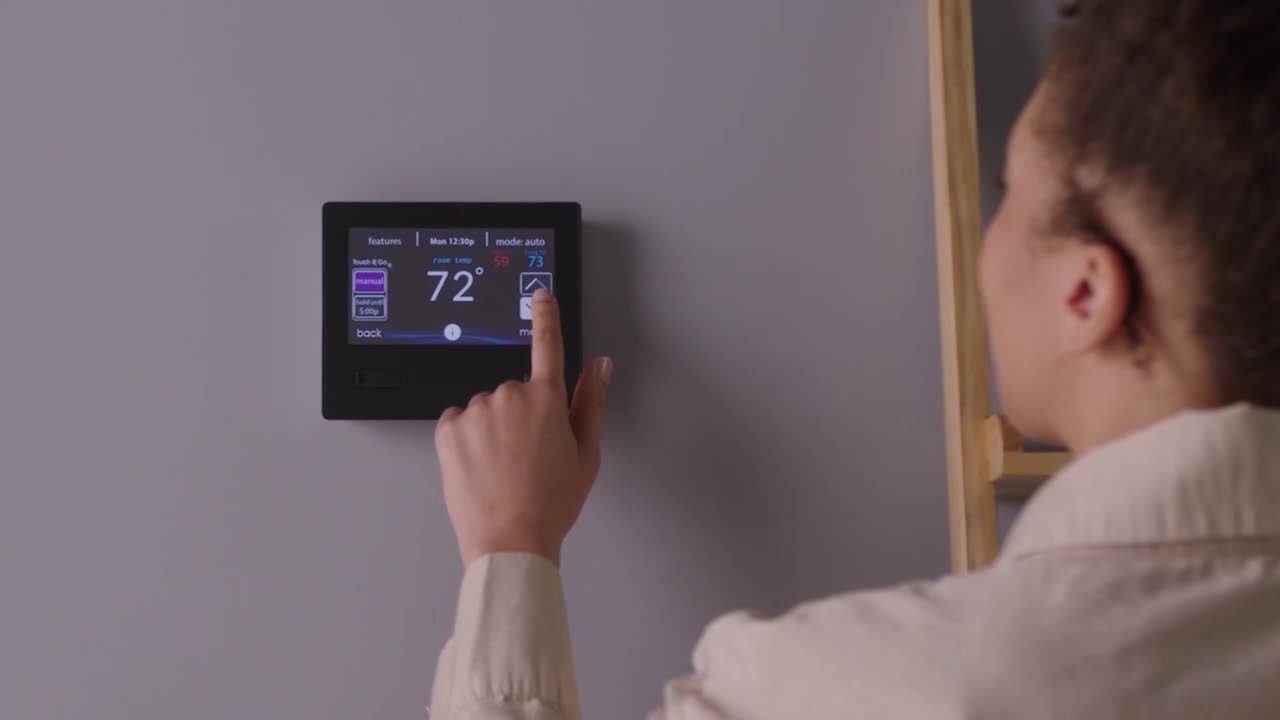
The thermostat controls your home’s temperature. If it is not working, the heater may not turn on. Dead batteries or wrong settings often cause thermostat failure. Sometimes, the thermostat needs calibration or replacement. Check if the display is blank or unresponsive. A faulty thermostat can stop heat from circulating.
Pilot Light And Ignition Failures
Gas heaters rely on a pilot light or electronic ignition to start. A pilot light that is out means no heat. Dirt or drafts can blow out the pilot light. Ignition systems also wear out over time. Faulty ignition stops the heater from lighting up. Inspect the pilot light for a steady flame. Call a technician if you see no flame or sparks.
Clogged Air Filters
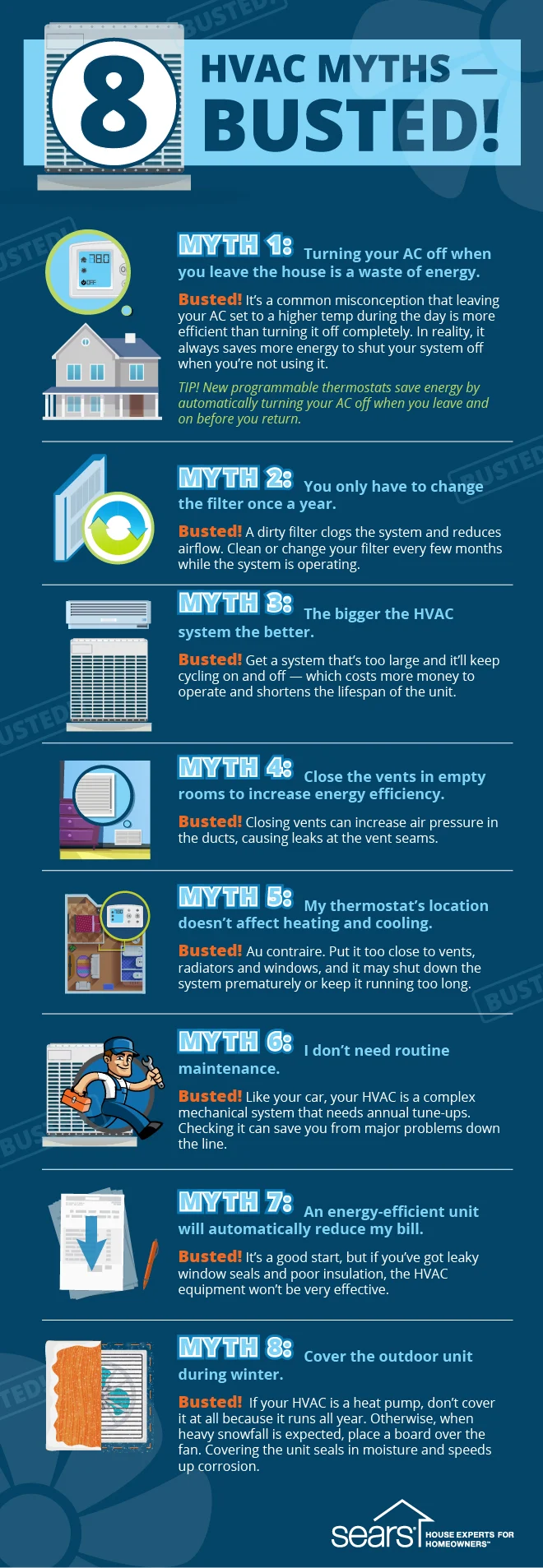
Air filters keep dust and dirt out of the heating system. Dirty or clogged filters block airflow. This makes the heater work harder and may stop it. Change filters every 1 to 3 months. Clean filters improve heat flow and air quality. Ignoring dirty filters reduces system efficiency and lifespan.
Blower Motor Malfunctions
The blower motor pushes warm air through your home. If the motor fails, no air moves through vents. Motors can stop due to wear, lack of lubrication, or electrical issues. Listen for unusual noises or no sound at all. A broken blower motor means no heat distribution. Repair or replace the motor to restore heat flow.
Credit: www.carrier.com
Simple Troubleshooting Steps
When your heat stops working, it’s tempting to panic or call a professional right away. But often, simple checks can reveal the issue and get your system back up and running fast. These troubleshooting steps are easy to do and can save you time and money.
Checking Thermostat Settings
Start by examining your thermostat. Is it set to “heat” instead of “cool” or “off”? Sometimes, the thermostat mode gets switched accidentally, especially if you’ve been adjusting temperatures frequently.
Also, check the temperature setting. Is it set higher than the current room temperature? If the thermostat is too low, your heater won’t turn on. Have you ever found your thermostat batteries dead? Replacing them can sometimes fix unresponsive controls.
Inspecting Circuit Breakers
Next, head to your electrical panel. A tripped breaker can cut power to your heating system without any obvious signs. Look for breakers that are in the “off” position or stuck midway between “on” and “off.”
Resetting the breaker by flipping it off and then back on can restore power. Think about the last time your power flickered—did your heater stop working right after? This might be the culprit.
Resetting The System
Many heating units have a reset button or switch. This can clear minor system errors. Locate this button on your furnace or heating unit and press it, holding for about 30 seconds.
Be cautious not to press it repeatedly. Sometimes a simple reset brings your system back online without further hassle. Do you notice any error lights blinking? These often signal what needs attention.
Replacing Air Filters
A clogged air filter restricts airflow and can cause your heater to malfunction or shut down. Check your filter’s condition—if it looks dirty or filled with dust, it’s time for a replacement.
Changing filters regularly not only improves heat flow but also extends your system’s life. Have you ever felt uneven heating in different rooms? Dirty filters could be the reason behind those cold spots.
When To Call A Professional
Knowing the right time to call a professional for heating issues saves time and prevents damage. Some problems are simple to fix, but others need expert care. Ignoring signs can cause bigger troubles. Understanding when to get help keeps your home safe and warm.
Persistent Heating Failures
If your heater keeps breaking down or won’t stay on, you need professional help. Repeated failures suggest a bigger problem inside the system. A technician can find hidden issues and fix them properly. Constant repairs by yourself might damage the heater more.
Strange Noises Or Smells
Unusual sounds like banging or rattling signal trouble in the heater. Odd smells, such as burning or gas odors, are warning signs. These problems can indicate serious safety risks. Professionals know how to diagnose and fix these issues safely.
Gas Leak Concerns
Gas leaks are dangerous and require immediate expert attention. If you smell gas or hear a hissing sound near the heater, leave the area. Call a professional right away to inspect and repair the leak. Never try to fix gas problems yourself.
Regular Maintenance Benefits
Scheduling regular maintenance prevents many heating problems. Professionals clean and check your system to keep it running well. This service improves efficiency and extends the heater’s life. Regular check-ups reduce the chance of unexpected breakdowns.
Energy-saving Heating Tips
Saving energy while heating your home helps lower bills and keeps your system working well. Simple changes can improve heat use and reduce waste. Focus on smart steps to keep warmth inside and avoid extra costs.
Sealing Drafts And Insulation
Check windows and doors for gaps where cold air enters. Use weather stripping or caulk to seal these leaks. Add insulation to walls and attics to keep heat from escaping. Proper sealing keeps rooms warmer and cuts energy loss.
Using Programmable Thermostats
Set thermostats to lower temperatures when away or sleeping. Program heating to turn on only when needed. This avoids running the heater all day. A programmable thermostat saves energy and keeps comfort.
Efficient Heater Usage
Keep heaters clean and clear of obstructions. Use fans to spread warm air evenly. Avoid heating empty rooms. Adjust settings based on outdoor temperature. Efficient use reduces wear and energy use.
Routine System Checks
Inspect your heating system regularly for problems. Replace filters often to keep air flowing. Schedule professional maintenance to find hidden issues. Regular checks improve performance and save energy.

Credit: www.directsavings.org.uk
Frequently Asked Questions
Why Is My Heating System Not Turning On?
Your heating system might not turn on due to a tripped circuit breaker or thermostat issues. Check if the thermostat is set correctly and inspect the circuit breaker. If the problem persists, it could be due to a faulty furnace component, requiring professional inspection.
How Do I Reset My Furnace?
To reset your furnace, turn off the power supply and locate the reset button. Hold the button for 30 seconds before releasing it. Afterward, restore the power and see if the furnace starts working. If issues persist, consult a professional for further assistance.
What Causes Uneven Heating In My House?
Uneven heating can result from blocked vents or ducts, improper insulation, or a malfunctioning thermostat. Ensure vents are open and unblocked. Check insulation around windows and doors. If problems continue, consult an HVAC professional to assess and address the issue.
Why Is My Thermostat Not Responding?
A non-responsive thermostat may be due to dead batteries or loose wiring. Replace the batteries and check for any wiring issues. If the thermostat is still unresponsive, it might be faulty and require replacement or professional inspection.
Conclusion
A heating system that stops working feels frustrating. Check simple issues first, like power or thermostat settings. Regular maintenance helps avoid many problems. Call a professional if the problem stays. Staying warm at home is important for comfort and health.
Act quickly to fix your heat and enjoy cozy days again.