
Is your house heater roof vent acting up and leaving you worried about warmth and safety? You might be wondering who exactly fixes this important part of your home.
Whether it’s a leak, blockage, or damage, knowing who to call can save you time, money, and stress. You’ll discover the right professionals to handle your heater roof vent issues, how to spot the signs of trouble, and what you can do to keep your home cozy and secure.
Keep reading—your comfort depends on it.
Identifying The Right Specialist
When your house heater roof vent needs fixing, choosing the right specialist is crucial. The repair often involves both heating system components and roof structures, so understanding who handles what can save you time and money. Knowing the roles of various professionals helps you avoid calling the wrong expert and facing delays.
Roles Of Hvac Technicians
HVAC technicians specialize in heating, ventilation, and air conditioning systems. They inspect and repair the heater itself and the venting system that connects to it. If your issue is with airflow, blockages, or the vent pipe inside the attic, an HVAC technician is the right person to call.
They ensure that your vent directs fumes safely out of your home, preventing carbon monoxide buildup. However, they typically won’t handle roof damage or leaks around the vent flashing.
When To Call A Roofer
If your roof vent has visible damage, such as cracked flashing, broken seals, or leaks around the vent, a roofer is the specialist you need. Roofers repair or replace the vent’s exterior parts to keep your home weatherproof.
Leaking around a heater vent can cause water damage and mold growth, so don’t ignore signs like stains on your ceiling. Roofers also check that the vent is properly sealed to prevent future problems.
Hiring A General Contractor
Sometimes, the repair involves both the HVAC system and roofing, or the damage is extensive. In such cases, a general contractor can coordinate the work between HVAC technicians and roofers.
They manage scheduling, oversee the quality of repairs, and handle permits if needed. Hiring a general contractor is helpful when you want a single point of contact for a complex repair that affects multiple parts of your home.
Credit: www.hvacsite.com
Common Heater Roof Vent Issues
Heater roof vents are essential for safely releasing exhaust gases and maintaining proper airflow. However, these vents can face several issues that impact their effectiveness and your home’s safety. Understanding common problems can help you spot trouble early and decide who to call for repairs.
Leaks And Water Damage
Leaks around the heater roof vent are a frequent problem. Water can seep in through gaps or cracks, causing damage to your roof decking and attic. If you notice water stains or mold near the vent, it’s a clear sign that repairs are needed.
Have you ever ignored a small leak thinking it was harmless? That tiny drip can lead to costly repairs over time. Addressing leaks quickly can save you money and prevent structural damage.
Blockages And Ventilation Problems
Blockages inside the roof vent can stop exhaust gases from escaping properly. Leaves, bird nests, or debris often clog vents, reducing airflow and causing your heater to malfunction. Poor ventilation can also lead to dangerous carbon monoxide buildup.
Check your vent regularly, especially after storms or heavy winds, to avoid blockages. Do you know what to look for when inspecting your vent? Simple checks can prevent serious safety issues.
Damaged Flashing And Seals
Flashing and seals around the heater roof vent create a waterproof barrier. Over time, these materials can crack, rust, or pull away from the roof surface. Damaged flashing allows water to enter, while broken seals reduce vent efficiency.
Fixing flashing and seals requires skill and the right tools. If you spot curled edges or gaps, it’s best to call a professional roofer or HVAC specialist. Would you risk your home’s safety by ignoring these warning signs?
Tools And Materials Needed
Fixing a house heater roof vent requires the right tools and materials. Using proper equipment makes the repair safer and more effective. Having everything ready saves time and avoids mistakes.
This section covers essential tools, sealants, flashing materials, and safety gear needed for the job.
Basic Repair Tools
- Hammer – for removing and securing shingles
- Utility knife – to cut roofing materials precisely
- Flat pry bar – to lift shingles gently
- Screwdriver or drill – to tighten or remove screws
- Measuring tape – to measure vent and flashing sizes
- Caulking gun – for applying sealant smoothly
- Roofing nails or screws – to secure flashing and vents
Sealants And Flashing Materials
- Roofing sealant – waterproof and weather-resistant
- Flashing sheets – metal or rubber, to cover gaps
- Butyl tape – for extra sealing under flashing
- Roof cement – for patching small holes or cracks
- Vent pipe flashing – designed to fit around heater vents
Safety Equipment
- Work gloves – to protect hands from sharp edges
- Safety goggles – to shield eyes from debris
- Non-slip shoes – for secure footing on the roof
- Roof harness or safety rope – to prevent falls
- Hard hat – to protect the head from falling objects

Credit: www.angi.com
Step-by-step Repair Tips
Repairing a house heater roof vent requires careful attention to detail. Following clear steps ensures the vent works efficiently and safely. The process involves checking the vent and roof, cleaning out debris, sealing any leaks, and replacing broken parts.
These step-by-step tips help maintain your heater vent and prevent future problems. Each task is simple and can improve your home’s heating system.
Inspecting The Vent And Roof Area
Start by examining the vent and surrounding roof area. Look for cracks, rust, or loose parts on the vent. Check the roof for damaged shingles or signs of water damage near the vent. Use a flashlight to see inside the vent pipe for blockages or wear.
Cleaning And Clearing Debris
Remove leaves, dirt, and other debris from the vent and roof area. Use a brush or vacuum to clear inside the vent pipe. Clean gutters and nearby roof sections to stop water buildup. Keeping the vent clean improves airflow and prevents damage.
Sealing Leaks And Gaps
Seal any cracks or gaps around the vent with roofing sealant or silicone caulk. Apply the sealant evenly to create a waterproof barrier. Check for loose flashing and secure it tightly. Proper sealing stops leaks and protects your roof and home interior.
Replacing Damaged Components
Identify any damaged vent parts such as the cap, flashing, or pipe sections. Remove broken components carefully using basic tools. Fit new parts that match the original size and type. Secure replacements with screws and seal all joints to ensure durability.
Preventive Maintenance Advice
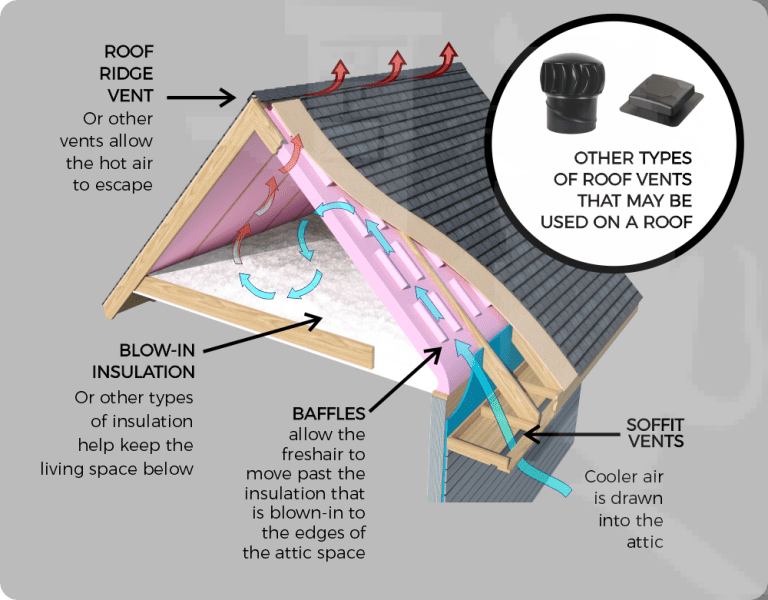
Preventive maintenance keeps your house heater roof vent safe and working well. It stops small issues from becoming big problems. Regular care helps extend the vent’s life and improves heater performance. These tips help you protect your home and save money on repairs.
Regular Inspections
Check the roof vent often for signs of damage or wear. Look for cracks, rust, or loose parts. Clear away leaves, dirt, and debris that block airflow. Inspect the vent after storms or heavy winds. Early spotting of problems reduces repair costs.
Seasonal Preparations
Prepare your vent before cold weather arrives. Make sure seals are tight to prevent leaks. Clean the vent to remove dust and nests. Protect the vent from ice buildup and snow damage. Good preparation helps your heater run efficiently all season.
When To Schedule Professional Checkups
Call a professional if you notice unusual smells, noises, or poor heat output. Schedule a checkup at least once a year. Experts can spot hidden damage and clean parts safely. Professional service ensures your vent meets safety standards and works well.
Credit: www.northeast-home.com
Frequently Asked Questions
Who Repairs House Heater Roof Vents?
A professional HVAC technician is best suited for this task. They have the expertise to diagnose and fix any issues. You can find them through local HVAC service companies or online directories. Regular maintenance by these professionals ensures your system runs efficiently and safely.
How Often Should Roof Vents Be Inspected?
Roof vents should be inspected at least once a year. Regular inspections help identify potential problems early. This can prevent costly repairs or replacements. Schedule inspections before the heating season to ensure everything is in working order.
What Are Common Issues With Heater Roof Vents?
Common issues include blockages, leaks, and rust. Blockages can restrict airflow, causing inefficiency. Leaks may lead to moisture damage and mold. Rust can weaken the vent structure. Regular maintenance helps in early detection and resolution of these issues.
Can I Fix The Roof Vent Myself?
It’s not recommended to fix roof vents yourself. Roof work can be dangerous without proper training. Additionally, incorrect repairs can lead to further issues. Hiring a professional ensures safety and proper repair. It also provides peace of mind knowing the job is done right.
Conclusion
Fixing a house heater roof vent keeps your home warm and safe. A professional roofer or HVAC technician can handle this job well. They check for leaks, blockages, and wear to avoid bigger problems. Timely repairs prevent energy loss and costly damage.
Don’t ignore vent issues, as they affect heater performance. Trust experts to ensure your vent works properly all winter. Regular inspections help catch problems early and maintain comfort. Your heater and roof vent need care to work smoothly together. Simple fixes today save money and stress tomorrow.