

Imagine the walls of your home, a silent witness to history, telling stories of the past. But what if those walls hold secrets that could affect your health and well-being?
You’re probably curious, especially if your house was built before the 1970s. When was lead paint used in homes, and what does it mean for you and your family today? This question might have crossed your mind, and for a good reason.
Lead paint, once a popular choice for its durability and vibrant colors, now raises concerns due to its potential health risks. Understanding when it was commonly used can help you make informed decisions about your home’s safety. By reading further, you’ll uncover the timeline of lead paint use, its implications, and how you can protect yourself and your loved ones. Stay with us as we delve into this important topic that could impact your everyday life.

Credit: www.instagram.com
Early Use Of Lead Paint
Lead paint was widely used in homes from the 1920s to the late 1970s. Its durability and vibrant colors made it popular. However, health risks later led to its decline in use.
The use of lead paint in homes dates back to ancient times, offering both fascinating insights and cautionary tales. Initially, lead was prized for its ability to enhance the durability and brightness of paint, making it a popular choice in residential construction. But as you delve into the history of lead paint, you’ll uncover a story filled with both innovation and oversight that has shaped our approach to home safety today.Understanding The Beginnings Of Lead Paint
Lead paint wasn’t merely a product of modern innovation. It has roots that trace back to the Roman Empire, where it was used for its vibrant color and protective qualities. Romans mixed lead with oils to create a paint that could withstand harsh weather conditions. This practice continued through the centuries, with lead paint becoming a staple in homes across Europe and eventually the United States.Why Lead Paint Was Popular
The allure of lead paint lay in its many benefits. It was not only durable but also resistant to moisture, making it ideal for home exteriors. You might be surprised to learn that lead paint could even help prevent mold and mildew, which was a significant concern in older homes. Its ability to maintain color over time added to its appeal, making it a preferred choice for homeowners seeking longevity in their home decor.Health Concerns And Regulations
Despite its advantages, lead paint harbored serious health risks. Over time, awareness grew about its toxicity, especially the dangers it posed to children. By the mid-20th century, scientific research began revealing the harmful effects of lead exposure, leading to a gradual shift in public perception and policy. This raises an essential question: How do you balance the benefits of a product with its potential risks? The story of lead paint serves as a critical reminder of the importance of safety in home materials.Reflecting On Historical Choices
Looking back, the widespread use of lead paint in homes offers valuable lessons. It challenges us to think critically about the materials we choose and the long-term implications they might have. As you consider the history of lead paint, ask yourself: Are there products today that we are using without fully understanding their impact? This reflection can guide safer and more informed decisions in the future. By understanding the early use of lead paint, you gain insight into how past choices influence present-day practices and regulations. It’s a testament to the importance of adapting and evolving based on historical lessons.Rise Of Lead Paint Popularity
The rise of lead paint popularity is a fascinating journey through history, marked by a blend of technological advances and aesthetic preferences. As you walk through old neighborhoods, you might wonder about the vibrant hues that have lasted for decades. These colors are often due to lead paint, a product of its time that once held the promise of durability and brightness.
Industrial Revolution Influence
During the Industrial Revolution, the production of lead paint soared. Factories churned out materials at unprecedented rates, making lead paint more accessible than ever. Its appeal wasn’t just in its vibrant colors but also in its ability to resist wear and tear. Imagine a time when homes needed protection from harsh weather conditions—lead paint seemed like the perfect solution.
Architectural Trends
The architectural trends of the 19th and early 20th centuries also played a significant role in the popularity of lead paint. Intricate designs and ornate details were all the rage. Lead paint offered a way to highlight these features with bold, lasting colors. If you lived in a Victorian-era home, lead paint was likely a staple in your decorating toolkit.
But why did lead paint become such a household favorite? Its ability to maintain vibrancy and withstand the test of time was unmatched. As you reflect on the choices made by past generations, consider how modern paints differ. Do today’s paints offer the same durability and appeal without the health risks? This question remains at the forefront of discussions on paint safety and innovation.
Health Concerns Emerge
The widespread use of lead paint in homes raised serious health concerns. People started noticing its harmful effects on families, especially young children. Lead poisoning can cause developmental issues, learning disabilities, and even behavioral problems. As the dangers became more evident, scientists and the public began to demand change.
Scientific Discoveries
During the 20th century, researchers uncovered critical findings about lead paint’s toxicity. Studies showed that lead particles could be inhaled or ingested. These particles, when absorbed by the body, caused severe health issues. Scientists found lead was particularly harmful to developing brains. This led to a deeper understanding of its long-term impact on health.
Public Awareness
As scientific evidence grew, the public started paying attention. Campaigns emerged to educate people about lead paint’s risks. Parents became more vigilant, checking homes for lead hazards. News outlets shared stories about affected families, highlighting the need for safer environments. These efforts helped push for regulations to limit lead paint use in homes.
Regulatory Changes
Lead paint was commonly used in homes before 1978. Regulations changed in 1978 to ban lead paint in residential buildings. This shift aimed to protect families from lead exposure risks.
Regulatory changes surrounding the use of lead paint in homes have been pivotal in safeguarding public health. Recognizing the severe health risks associated with lead exposure, governments around the world initiated crucial interventions. These regulations aimed to phase out lead-based paints and protect vulnerable populations, especially children.Government Interventions
Governments took significant steps to ban or limit the use of lead paint. In the United States, the Consumer Product Safety Commission banned its residential use in 1978. This landmark decision followed scientific research linking lead to developmental issues in children. Imagine living in a home filled with lead paint unknowingly. It wasn’t just a scenario for many families before these regulations. The paint was popular for its durability and vibrant colors. Governments also launched public awareness campaigns. They educated homeowners about the dangers of lead and safe removal practices. This proactive approach ensured that even older homes could become safer environments.International Standards
Globally, countries began adopting international standards to regulate lead paint use. The World Health Organization and United Nations set guidelines encouraging nations to eliminate lead in paint by 2020. These efforts aimed to create a unified response to a shared health concern. Countries like Canada and Australia quickly followed suit with their regulations. They recognized the importance of protecting future generations from the toxic effects of lead. By aligning with international standards, they ensured that local policies had a broader impact. As you consider home renovations, think about these standards. Are you ensuring your home is free from hazardous materials? Regulatory changes have paved the way, but the responsibility now also lies with homeowners to keep their spaces safe.Phasing Out Lead Paint
In the 20th century, many homes contained lead paint. Its durability and vibrant colors made it popular. But, the dangers of lead exposure prompted a shift. The phasing out of lead paint began in earnest in the late 1970s. Governments and health organizations pushed for alternatives. This shift marked a pivotal moment in building safety. Understanding this transition helps us appreciate modern building practices.
Alternative Materials
As lead paint phased out, safer materials emerged. Water-based paints became a popular choice. They offered vibrant colors without toxic risks. These paints dried faster and emitted fewer odors. Vinyl and aluminum sidings gained popularity as well. They required less maintenance and no repainting. These alternatives ensured safer homes for families.
Modern Building Practices
Today, building practices prioritize safety and health. Regulations restrict the use of lead in construction. Builders use non-toxic materials to ensure safety. Modern homes often feature energy-efficient designs. Builders focus on sustainable and eco-friendly materials. This shift ensures safer, healthier living spaces for everyone.

Credit: exactrecon.com
Impact On Historical Homes
Lead paint was widely used in homes from the late 1800s until it was banned in 1978. This paint poses health risks, especially in historical homes where it may still be present. Proper care and renovation are essential to preserve these homes safely.
The use of lead paint in homes dates back to the 19th century. Many historical homes still stand with remnants of this material. These buildings are treasured for their architecture and history. Yet, they pose unique challenges due to the presence of lead paint.Preservation Challenges
Restoring historical homes requires delicate handling. Lead paint creates hurdles for preservationists. Stripping or sanding lead paint can release harmful particles. Preservationists must balance safety with maintaining the home’s integrity. Traditional methods of removal might damage the original features. It complicates efforts to retain the home’s authenticity.Safety Measures
Safety measures are crucial when dealing with lead paint. Professionals often conduct lead inspections before renovations. They use specialized equipment to detect lead levels. Encapsulation is a common technique. It involves sealing the lead paint beneath a barrier. This method prevents lead dust from becoming airborne. Regular maintenance of this barrier is essential for ongoing safety. Homeowners should also be aware of lead risks. Educating residents about lead exposure is vital. Wearing protective gear during renovations is recommended. This includes masks and gloves to reduce exposure. Homeowners can also install air purifiers to decrease airborne particles.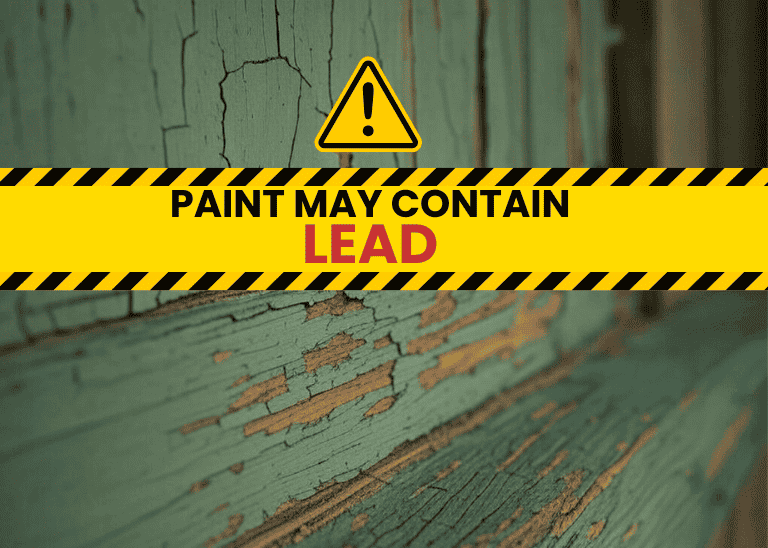
Credit: axxonlab.com
Frequently Asked Questions
Do All Houses Built Before 1978 Have Lead Paint?
Not all pre-1978 houses have lead paint, but many do. Lead paint was common before its ban. Older homes might contain it in walls, windows, or woodwork. Testing can confirm its presence. Homebuyers should consider lead paint risks and potential removal costs.
How Do I Know If My House Has Lead Paint?
Hire a certified inspector to test for lead paint. Use a DIY lead test kit for preliminary checks. Check if the home was built before 1978, as older homes often contain lead paint. Look for signs of chipping or peeling paint, which may indicate lead presence.
Is It Bad To Live In An Old House With Lead Paint?
Living in an old house with lead paint can pose health risks, especially to children and pregnant women. Lead exposure can cause developmental issues and other health problems. It’s important to test for lead and take precautions like sealing or removing lead paint safely.
Consider professional help for lead abatement.
What Are The Warning Signs Of Lead Poisoning?
Lead poisoning symptoms include abdominal pain, headaches, irritability, fatigue, and memory problems. Children may show developmental delays.
Conclusion
Lead paint in homes once posed serious health risks. Awareness has grown, leading to safer practices. Many homes built before 1978 might still have lead paint. Testing and removing lead paint can protect families. Understanding the history helps in making informed decisions.
Keep your home safe by checking for lead. Consult professionals for removal if needed. Stay informed about potential hazards. Protect your family’s health. Awareness is key. Simple steps can ensure a safer living environment. Taking action now prevents future issues.
Safety is a priority for everyone. Make your home a safe place to live.