
Are you tired of high heating bills and uneven warmth in your home? Finding the most efficient way to heat your house can save you money and keep you comfortable all winter long.
But with so many options out there, how do you know which one is best for you? You’ll discover practical solutions that fit your needs and budget. Keep reading to unlock simple tips that can transform your home heating experience and put more cash back in your pocket.
Types Of Heating Systems
Choosing the right heating system affects comfort and energy use. Different types of heating systems serve various needs and house layouts. Some systems heat the whole house, while others warm specific areas. Understanding these options helps pick the best fit for your home.
Central Heating
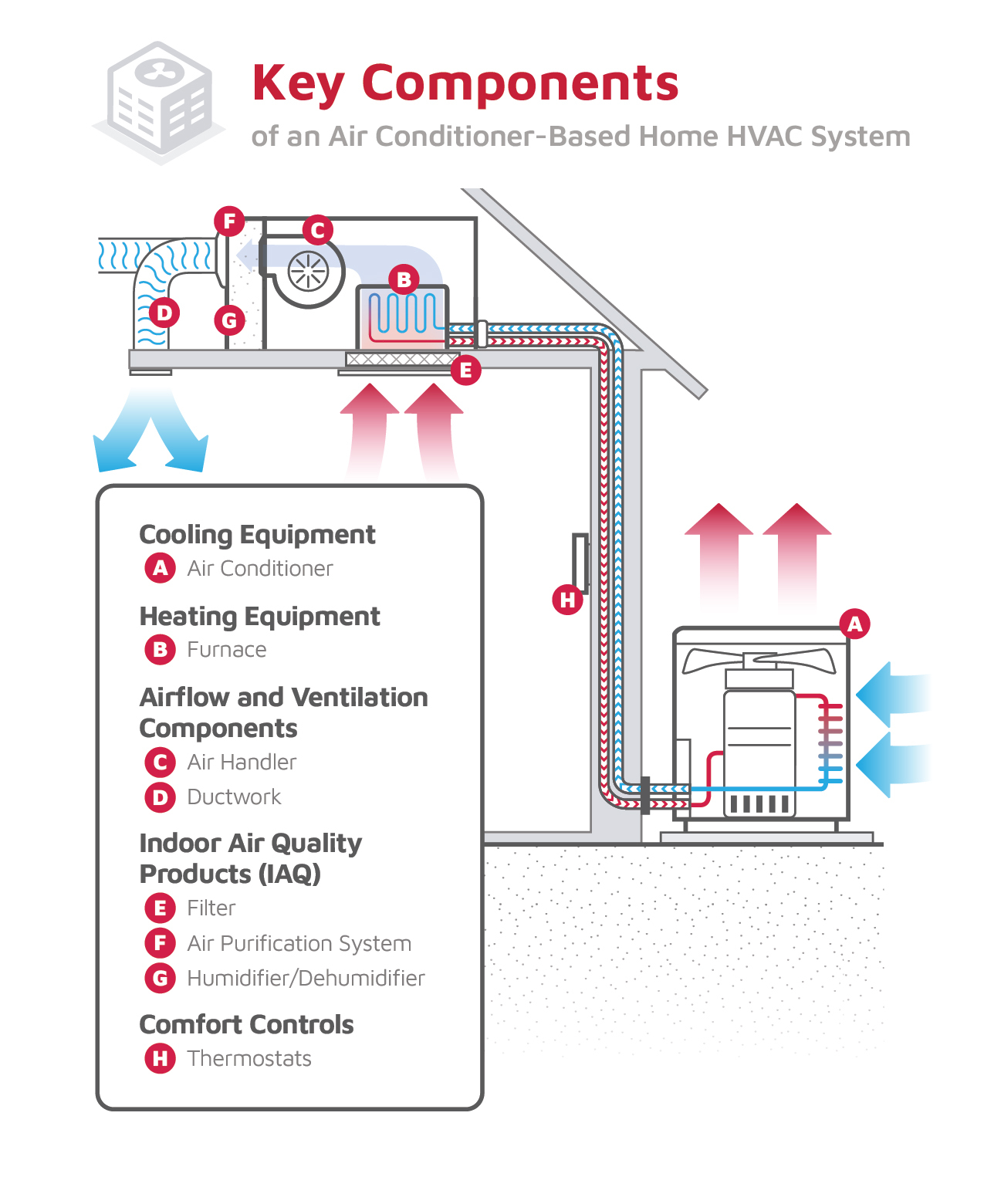
Central heating spreads warmth through ducts or pipes. A furnace or boiler heats air or water. Heated air moves through vents, and hot water runs in radiators. This system warms many rooms evenly. It works best in larger homes or spaces with multiple rooms.
Radiant Heating
Radiant heating uses heat from floors, walls, or ceilings. Warm surfaces transfer heat directly to people and objects. It feels cozy and quiet. This system saves energy by heating only occupied spaces. It suits homes with tile or wood floors well.
Space Heaters
Space heaters warm small areas quickly. They are portable and easy to use. Electric or gas-powered models exist. Space heaters work well for single rooms or spot heating. They are low-cost but less efficient for whole-house heating.
Heat Pumps
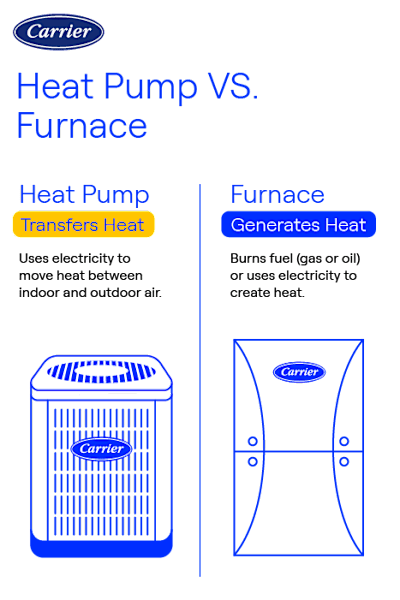
Heat pumps move heat from outside to inside the house. They work like air conditioners in reverse. Heat pumps save energy by transferring heat instead of creating it. Some models also cool during summer. They perform best in moderate climates.
Energy Sources For Heating
Choosing the right energy source for heating your house can dramatically impact your comfort, monthly bills, and environmental footprint. Each option offers unique benefits and challenges depending on your location, budget, and heating needs. Understanding these differences helps you pick a solution that fits your lifestyle and keeps your home warm efficiently.
Electricity
Electric heating is popular for its clean operation and easy installation. It works well in areas where electricity costs are reasonable and renewable energy is part of the grid mix.
Heat pumps, a form of electric heating, can be extremely efficient—sometimes using less energy than traditional electric heaters. Do you have access to low-cost or green electricity? That could make electric heating a smart choice for you.
Natural Gas
Natural gas is often the go-to for many households due to its affordability and reliable supply. It heats homes quickly and is compatible with many heating systems.
Check if your area has a stable natural gas network. If yes, it could be the most cost-effective option for your heating needs, especially during cold winters.
Propane
Propane is a great option where natural gas lines aren’t available. It’s stored in tanks and can deliver strong, consistent heat.
Consider propane if you live in rural areas or places with limited gas infrastructure. While it might cost more than natural gas, propane systems often have lower upfront costs.
Wood And Pellets
Wood and pellet stoves offer a cozy, traditional way to heat your home. They use renewable fuel and can be very efficient when properly maintained.
Are you ready to manage fuel storage and regular stove cleaning? If yes, this option may save you money and reduce your carbon footprint.
Solar Energy
Solar heating uses the sun’s energy directly or indirectly to warm your home. It’s an excellent choice if you want to cut down on utility bills and reduce emissions.
Installing solar panels or solar thermal systems requires an upfront investment but can pay off over time. Think about your roof’s orientation and local sunlight availability before choosing this method.
Efficiency Ratings And Standards
Understanding efficiency ratings and standards helps you choose the best heating system. These ratings show how well a heater converts fuel into warmth. They guide homeowners to save energy and reduce bills. Knowing these standards also helps compare different heating options easily.
Afue And Hspf Metrics
AFUE stands for Annual Fuel Utilization Efficiency. It measures how much fuel turns into heat over a year. Higher AFUE means less fuel waste and more heat. Most modern furnaces have AFUE ratings between 80% and 98%.
HSPF means Heating Seasonal Performance Factor. It rates heat pump efficiency during the heating season. A higher HSPF number means better energy use. Heat pumps with HSPF above 8 are very efficient.
Energy Star Certification
Energy Star is a trusted label for energy-efficient products. Heating systems with this label meet strict energy-saving rules. They use less fuel or electricity while providing the same warmth. Choosing Energy Star certified heaters ensures reliable performance and savings.
Seasonal Efficiency
Seasonal efficiency shows heater performance over an entire heating season. It accounts for changes in weather and usage. This rating helps predict real-world energy savings. Systems with high seasonal efficiency keep homes warm without wasting energy.

Credit: www.jamesriverair.com
Factors Affecting Heating Efficiency
Heating a house efficiently depends on several key factors. These factors influence how much energy your heating system uses. Understanding them helps reduce costs and improve comfort. Small changes in these areas can make a big difference in heating efficiency.
Insulation Quality
Good insulation keeps warm air inside during winter. It blocks cold air from entering your home. Walls, roofs, and floors need proper insulation. Sealing gaps around windows and doors also helps. Better insulation means your heater works less hard.
Home Size And Layout
Larger homes require more energy to heat. Open floor plans allow heat to flow freely. Closed rooms may trap heat unevenly. Heating a smaller area is easier and saves energy. Consider zoning your heating system for better control.
Thermostat Settings
Setting your thermostat at a moderate temperature saves energy. Lowering it by a few degrees when you sleep or leave helps. Programmable thermostats adjust temperature automatically. Avoid overheating rooms that are not in use.
Maintenance Practices
Regular maintenance keeps heating systems running efficiently. Clean filters improve airflow and reduce energy use. Check for leaks in ducts and repair them. Schedule annual inspections to spot problems early.
Comparing Costs And Savings
When deciding how to heat your house, understanding the costs and potential savings is crucial. Heating solutions vary not just in how much they cost upfront but also in how much they demand from your monthly budget and how they add value over time. Let’s break down these financial aspects so you can make a choice that fits your needs and wallet.
Installation Expenses
Installation costs can differ dramatically depending on the heating system you choose. For instance, installing a traditional gas furnace usually costs less upfront than setting up a geothermal heat pump. However, some systems might require modifications to your home’s infrastructure, adding to the expense.
Think about your current setup: Does your home already have ductwork, or will it need new piping? These details can push installation costs higher. Also, consider the availability of local contractors skilled in installing the system you want, as this can affect price and timeline.
Operational Costs
Heating your home isn’t just about the initial investment; the day-to-day running costs matter too. Electric heaters might have low installation fees but can lead to higher monthly bills depending on your electricity rates. On the other hand, natural gas systems often offer cheaper fuel costs but might fluctuate based on market prices.
Think about how much you use your heating system. A highly efficient heat pump might cost more upfront but save you money every month. How often do you heat your home in winter? The more you use it, the more operational costs will add up.
Long-term Savings
Some heating systems pay for themselves over time by lowering your energy bills. For example, investing in a high-efficiency furnace or a solar-powered system can reduce your heating expenses significantly over the years. These savings might also increase your home’s resale value.
Ask yourself if you plan to stay in your home long enough to benefit from these savings. Sometimes, a higher initial cost isn’t worth it if you move soon. But if you’re settling in for the long haul, spending more now could mean big savings later.
Credit: www.carrier.com
Smart Heating Technologies
Smart heating technologies are transforming how you manage warmth in your home. They offer precise control, save energy, and fit seamlessly into your lifestyle. Let’s look at how these technologies can make your heating more efficient and comfortable.
Programmable Thermostats
Programmable thermostats let you set heating schedules tailored to your daily routine. You can lower the temperature when you’re out or asleep and raise it just before you return. This simple adjustment often cuts energy waste without sacrificing comfort.
Think about the last time you forgot to turn down your heat before leaving home. A programmable thermostat solves that problem automatically, ensuring you don’t pay for heating an empty house.
Zoned Heating
Zoned heating divides your home into areas with independent temperature controls. This means you can keep the living room cozy while the bedrooms stay cooler during the day. It’s a great way to avoid heating rooms you rarely use.
Have you noticed how some rooms always feel colder or warmer? Zoned systems address these differences, giving you control where you need it most. This targeted approach often leads to noticeable savings on your energy bill.
Remote Control Systems
Remote control systems allow you to adjust your heating from anywhere using a smartphone or tablet. Whether you’re at work or on vacation, you can ensure your home is warm when you arrive. This flexibility adds convenience and prevents unnecessary energy use.
Imagine turning your heat on during a snowy commute so you walk into a warm home. Remote access makes this possible and puts you in charge of your comfort at all times. Have you tried adjusting your thermostat remotely yet?
Tips To Maximize Heating Efficiency
Maximizing heating efficiency helps reduce energy use and lower bills. Simple actions can keep your home warm without wasting heat. Focus on stopping heat loss and maintaining your heating system.
Sealing Air Leaks
Air leaks let warm air escape and cold air enter. Check windows, doors, and walls for gaps or cracks. Use weatherstripping or caulk to seal these leaks. Even small holes can cause big heat loss. Sealing air leaks keeps warm air inside and improves comfort.
Regular System Tune-ups
Heating systems work best when maintained regularly. Schedule tune-ups to clean and inspect your furnace or heat pump. Replace filters every few months to keep airflow strong. A well-maintained system uses less energy and heats your home evenly. Avoid breakdowns by checking your system before winter.
Using Curtains And Rugs
Heavy curtains block cold drafts from windows at night. Open them during sunny days to let heat in. Rugs add warmth to cold floors and reduce heat loss. They also make rooms feel cozier. Using curtains and rugs helps keep warmth inside without extra energy use.
Environmental Impact Of Heating Choices
Choosing how to heat your house affects more than just your monthly bills—it impacts the environment too. The heating method you select plays a big role in your home’s overall carbon emissions. Understanding the environmental consequences can help you make smarter decisions that benefit both your comfort and the planet.
Carbon Footprint
Your heating system’s carbon footprint depends on the fuel it uses and its efficiency. Traditional systems like oil or natural gas burners release significant CO2into the atmosphere. Even electric heaters contribute indirectly if your electricity comes from fossil fuels.
Have you ever thought about how much carbon your heater emits annually? Tracking this can motivate you to switch to cleaner options. Reducing your carbon footprint isn’t just about buying new equipment—it starts with awareness.
Renewable Options
Renewable heating systems use energy sources that don’t run out and produce little or no emissions. Heat pumps, solar thermal panels, and biomass boilers are popular choices that can drastically cut your home’s environmental impact.
- Heat Pumps:Use electricity efficiently to transfer heat rather than generate it, lowering emissions significantly.
- Solar Thermal Panels:Capture sunlight to heat water or air directly, reducing reliance on fossil fuels.
- Biomass Boilers:Burn organic materials, which release carbon previously absorbed by plants, balancing the carbon cycle.
Switching to renewable options might seem costly upfront, but the environmental benefits and long-term savings often outweigh initial expenses. What renewable source fits your home best?
Government Incentives
Many governments offer incentives to help homeowners choose greener heating solutions. These can include tax credits, rebates, or low-interest loans that reduce installation costs.
Checking local programs could save you thousands and make upgrading your heating system easier. Have you explored what’s available in your area? Taking advantage of these incentives can accelerate your move to eco-friendly heating.
Credit: www.lennox.com
Frequently Asked Questions
What Is The Best Heating System For Homes?
The best heating system depends on various factors like climate, energy costs, and home size. Heat pumps are efficient for moderate climates, while furnaces are suitable for colder areas. Radiant floor heating provides consistent warmth and is energy-efficient. Consulting a professional can help determine the most suitable option for your home.
How Can I Reduce My Heating Costs?
To reduce heating costs, ensure your home is well-insulated and seal any drafts. Use programmable thermostats to optimize heating schedules. Consider upgrading to energy-efficient systems like heat pumps or high-efficiency furnaces. Regular maintenance of heating equipment ensures optimal performance and efficiency.
Is It Better To Heat One Room Or The Whole House?
Heating one room is more energy-efficient for short periods. It reduces energy usage and costs. If you’ll be home for extended periods, heating the whole house might be more comfortable. Use space heaters efficiently and ensure proper ventilation to avoid moisture buildup when heating a single room.
What Is The Most Energy-efficient Way To Heat A House?
The most energy-efficient way to heat a house is by using a heat pump. Heat pumps transfer heat rather than generate it, making them highly efficient. They work well in moderate climates and can significantly reduce energy costs. Ensure proper insulation and system maintenance for maximum efficiency.
Conclusion
Choosing the most efficient way to heat a house saves money and energy. Heat pumps and modern furnaces offer strong options. Insulation and proper sealing help keep warmth inside. Regular maintenance keeps systems running well and longer. Think about your home size and climate before deciding.
Small changes can lead to big savings over time. Stay warm and comfortable while using less energy. The right heating method fits your needs and budget. Simple steps make your home cozy and efficient all winter.