
Are you ready to tackle that bathroom drywall project but unsure which tools to use? Choosing the right tools can make your job faster, cleaner, and less frustrating.
Whether you’re cutting out space for a new fixture or fixing a damaged section, having the proper tools in your hands is key. Keep reading, and you’ll discover exactly what you need to get the job done like a pro—no guesswork, no wasted effort.
Your bathroom makeover starts here!
Types Of Drywall In Bathrooms
Choosing the right drywall for your bathroom is crucial. Bathrooms deal with high humidity and occasional splashes, which can quickly damage ordinary drywall. Understanding the types of drywall available helps you pick a product that lasts and performs well in wet environments.
Moisture-resistant Drywall Options
Moisture-resistant drywall is designed to handle damp conditions better than regular drywall. It often has a green or purple paper facing that repels water and resists mold growth. This type is perfect for areas around showers, tubs, and sinks where moisture exposure is frequent.
There are also cement board and fiberglass-faced drywall options. Cement board is extremely durable and waterproof, making it an excellent choice for shower surrounds. Fiberglass-faced drywall offers strong resistance to moisture and mold, though it is lighter and easier to cut than cement board.
Ask yourself: How much water exposure will this wall face? If it’s near a shower or tub, moisture-resistant drywall saves you from frequent repairs and costly mold issues.
Standard Vs. Greenboard Drywall
Standard drywall is the most common drywall type, but it’s not suitable for wet areas. It absorbs moisture quickly and can deteriorate or encourage mold growth in bathrooms. It’s best reserved for dry sections like ceilings or walls far from water sources.
Greenboard drywall, often called moisture-resistant drywall, has a waxy green paper on the surface. It performs better in humid spaces but isn’t waterproof. While greenboard is a step up from standard drywall, it still requires a waterproof finish if exposed to direct water.
Remember, simply choosing greenboard doesn’t make your bathroom waterproof. You’ll need proper sealing and ventilation to keep moisture in check. What kind of bathroom setup do you have? Knowing this helps in deciding whether standard drywall or greenboard fits your needs.
Essential Cutting Tools
Cutting drywall in a bathroom requires the right tools for clean and precise results. Using proper cutting tools helps avoid damage to walls and makes the job easier. Each tool serves a specific purpose, matching different cutting needs and skill levels.
Utility Knives And Blades
Utility knives are basic but essential for drywall cutting. They work best for straight cuts and scoring drywall sheets. Sharp blades ensure smooth edges and reduce crumbling. Replace blades often for safety and efficiency. They are lightweight and easy to handle, perfect for small cuts or trimming.
Drywall Saws And Keyhole Saws
Drywall saws have sharp, coarse teeth designed to cut drywall quickly. They work well for making rough cuts or openings for outlets and fixtures. Keyhole saws offer more control for curved or detailed cuts. Both saws are manual tools, requiring moderate effort but giving good accuracy.
Rotary Tools And Oscillating Multi-tools
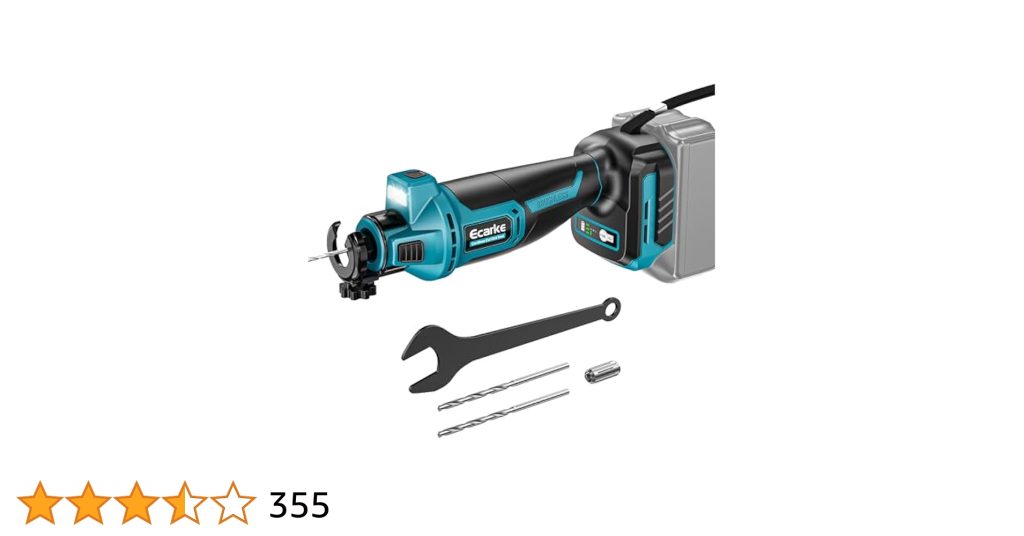
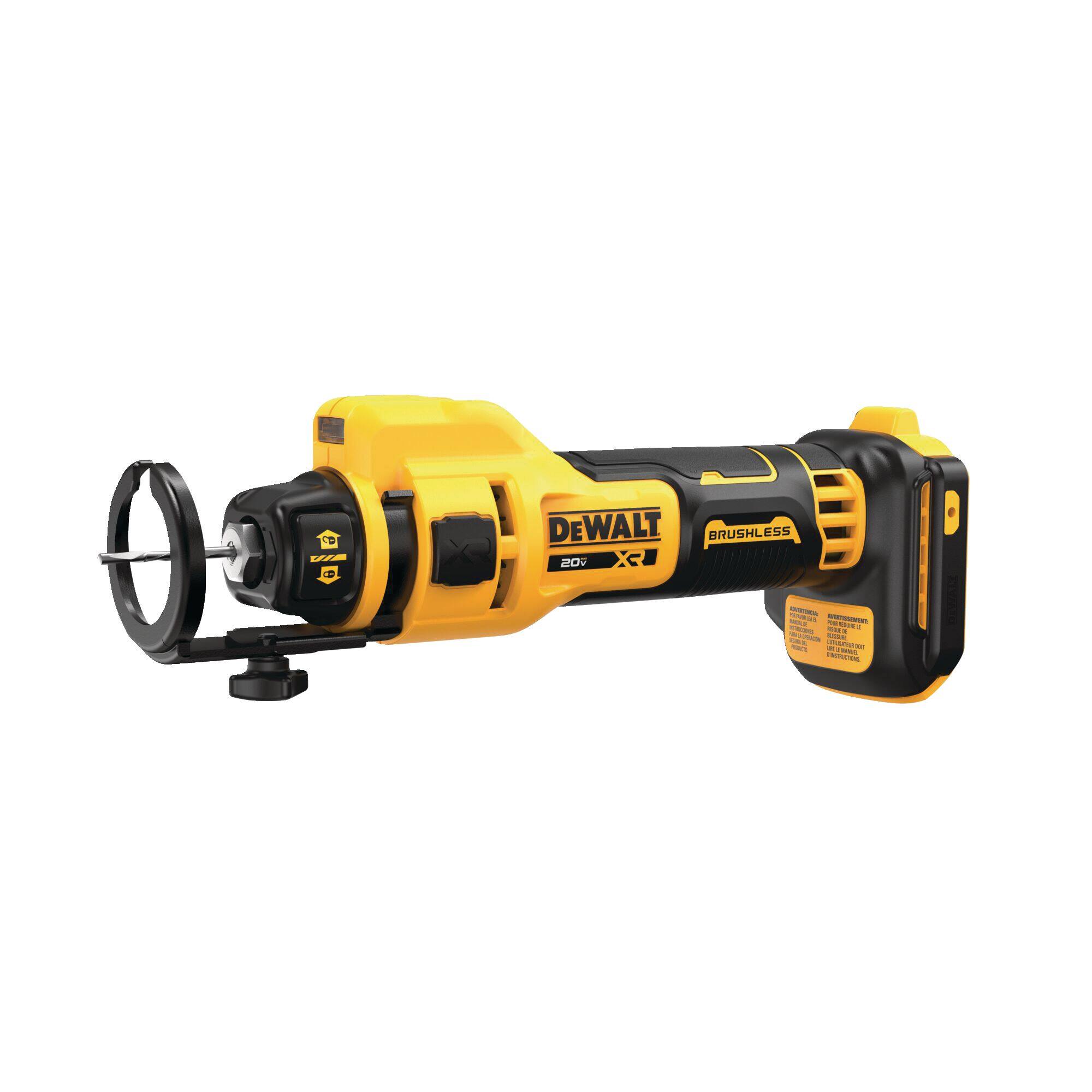
Rotary tools use spinning bits to cut drywall with precision. They can create clean holes and intricate shapes. Oscillating multi-tools use a side-to-side motion for controlled cutting in tight spaces. Both tools are powered, speeding up the cutting process. They offer great versatility for complex bathroom drywall projects.
Measuring And Marking Tools
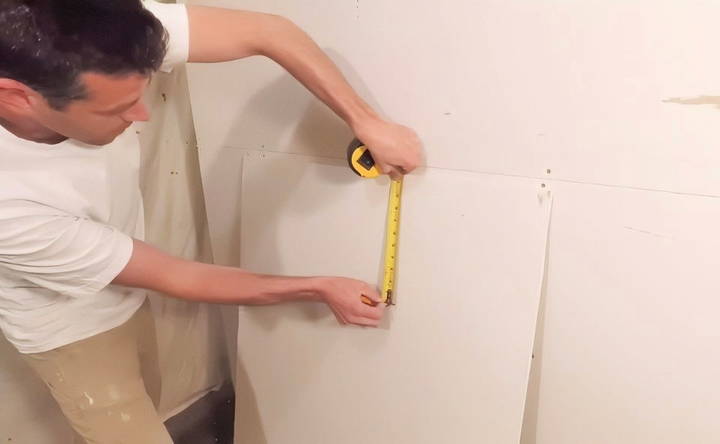
Measuring and marking tools are essential for cutting drywall in a bathroom. Precise measurements ensure a perfect fit and reduce waste. Marking tools help create clear, visible lines to guide your cuts.
Using the right tools makes your work easier and more accurate. Choose tools that suit your project size and your comfort level.
Tape Measures And Rulers
Tape measures are the most common tool for measuring drywall. They are flexible, easy to use, and can measure long distances. Choose a tape measure with clear markings for better accuracy.
Rulers work well for smaller measurements or when marking straight lines. Metal rulers offer durability and a firm edge for scoring drywall. Use a ruler to double-check measurements or mark short sections.
Chalk Lines And Pencils
Chalk lines create long, straight marks quickly. Snap the chalk line on the drywall surface to leave a clear guide for cutting. This tool is helpful for large sheets and straight cuts.
Pencils are perfect for detailed marking and notes on drywall. Use a sharp pencil for thin, precise lines. Choose a pencil that contrasts well with the drywall color for better visibility.
Credit: www.canadiantire.ca
Safety Gear For Drywall Cutting
Cutting drywall in your bathroom can stir up a lot of dust and debris. Protecting yourself with the right safety gear isn’t just smart—it’s essential. You want to keep your eyes, lungs, and skin safe while working efficiently and comfortably.
Eye And Respiratory Protection
Drywall dust is fine and can easily irritate your eyes. Wearing safety goggles shields your eyes from dust particles and accidental scrapes. Choose goggles that fit snugly and don’t fog up quickly.
Breathing in drywall dust can cause serious respiratory problems. Use a good quality dust mask or respirator rated for fine particles. A respirator with an N95 rating or better is ideal for blocking harmful dust.
Have you noticed how quickly dust settles in your bathroom? Without proper protection, you’ll be coughing and rubbing your eyes in no time.
Gloves And Protective Clothing
Cutting drywall can expose your hands to rough edges and small cuts. Wearing sturdy gloves helps prevent scrapes and provides a better grip on tools. Look for gloves made of durable material but that still allow flexibility.
Protective clothing, such as long sleeves and pants, keeps dust off your skin and reduces irritation. Disposable coveralls or old clothes you don’t mind throwing away after the job work well. This simple step saves you time cleaning up afterward.
Think about the last time you worked without gloves or protective clothing—did your skin feel itchy or sore afterward? Taking a few extra minutes to gear up can save you discomfort later.
Step-by-step Cutting Techniques
Cutting drywall in a bathroom requires precision and the right approach. Using proper techniques ensures clean cuts and reduces material waste. The process varies with the shape and size of the cut needed. Straight cuts call for different tools than curved or irregular openings. Understanding these step-by-step cutting techniques helps achieve a professional finish.
Scoring And Snap-cutting Drywall
Start by marking the cut line on the drywall with a pencil. Use a straightedge to guide your cut. Score the drywall paper along the line with a utility knife. Apply firm, steady pressure to make a clean score. Snap the drywall by bending it away from the scored side. The drywall will break cleanly along the scored line. Cut the remaining paper on the back side to separate the piece. This method works best for straight cuts and large panels.
Cutting Curves And Openings
Mark the shape or opening on the drywall surface. Use a keyhole saw or drywall jab saw for curved cuts. Start by piercing the drywall with the saw at the edge of the marking. Follow the marked line slowly, keeping the saw steady. For small openings, a rotary tool with a drywall bit can help. Smooth the edges with sandpaper or a rasp after cutting. Curved cuts require patience to maintain accuracy and clean lines.
Credit: www.diycraftsy.com
Tips For Clean And Precise Cuts
Cutting drywall in the bathroom requires care and precision. Clean cuts help the drywall fit perfectly and avoid costly mistakes. Using the right tools and techniques ensures smooth edges and a professional look. Follow these tips for clean and precise cuts.
Preventing Cracks And Breaks
Use a sharp utility knife to score the drywall surface deeply. Score along the cut line several times for a clean break. Support the drywall firmly to avoid bending or snapping unexpectedly. Cut slowly to keep control and reduce cracking. Avoid forcing the drywall apart; let the score line guide the break.
Handling Tight Spaces
Measure twice and mark clearly before cutting in small or tight areas. Use a keyhole saw or jab saw for curved or irregular cuts. A rotary tool with a drywall bit works well for detailed cuts around pipes or fixtures. Work carefully and take small cuts to prevent damage. Keep tools steady to maintain straight, clean lines.
Tool Maintenance And Care
Proper maintenance and care of your drywall cutting tools improve their performance. Well-maintained tools last longer and make cutting easier. Neglecting care can dull blades and cause uneven cuts. This section explains how to keep blades sharp and store tools correctly.
Sharpening Blades
Sharp blades cut drywall smoothly and reduce effort. Use a fine file or sharpening stone for straight blades. Move the blade edge gently along the sharpener at a consistent angle.
For rotary or utility knife blades, replace them when dull. Dull blades tear drywall paper and cause rough edges. Always handle blades carefully to avoid injury.
Cleaning And Storage
Remove dust and drywall residue after each use. Wipe blades and tool surfaces with a dry cloth. For sticky residue, use a mild cleaner and dry completely.
Store tools in a dry place to prevent rust. Use blade covers or cases to protect edges. Keeping tools organized helps find them quickly and avoids damage.

Credit: www.amazon.ca
Frequently Asked Questions
What Tools Are Best For Cutting Drywall In Bathrooms?
The best tools for cutting drywall include a utility knife, drywall saw, and rotary tool. These tools ensure precise cuts and minimize damage. A utility knife scores the drywall, while a drywall saw and rotary tool make detailed or curved cuts easier.
How To Cut Drywall Around Bathroom Fixtures?
Use a drywall saw or rotary tool to cut around fixtures. Measure carefully and mark the cut lines before cutting. These tools allow for precise cuts that fit tightly around pipes, outlets, and other bathroom fixtures without damaging them.
Can I Use A Utility Knife To Cut Bathroom Drywall?
Yes, a utility knife is ideal for straight cuts on drywall. Score deeply along the marked line, then snap the drywall panel. It’s efficient, clean, and perfect for cutting standard drywall sheets in bathrooms.
Is A Drywall Saw Necessary For Bathroom Drywall Cuts?
A drywall saw is useful for cutting irregular shapes or openings in bathroom drywall. It allows control and precision around corners and fixtures. For straight cuts, a utility knife might suffice, but a drywall saw is essential for detailed work.
Conclusion
Choosing the right tools makes drywall cutting easier. A utility knife suits small cuts. For curved cuts, a jab saw works well. Power tools like rotary saws handle larger tasks. Always prioritize safety with gloves and goggles. Practice patience and precision.
Properly cut drywall ensures a neat bathroom finish. Keep tools sharp and clean for best results. Simple tools can achieve professional results. With the right approach, cutting drywall becomes manageable. Always measure twice, cut once for accuracy.