
Thinking about tearing down your bathroom? Before you grab a sledgehammer, you need the right tools to make the job safe and smooth.
Using the wrong equipment can slow you down or even cause accidents. But don’t worry—you don’t have to be a pro to get this done. In this post, you’ll discover exactly what tools you need to demo your bathroom like a champ.
By the end, you’ll feel confident and ready to start your project without any guesswork. Keep reading, because missing just one essential tool could turn your bathroom demo into a major headache.
:max_bytes(150000):strip_icc()/rs-this-clever-tool-will-save-you-a-call-to-the-plumber-tout-1b55c3625ee041e5aa96c41bd8952a97.jpg)
Credit: www.realsimple.com
Safety Gear
Demoing a bathroom involves breaking through tiles, tearing out fixtures, and dealing with dust and debris. Safety gear is essential to protect you from cuts, inhaling harmful particles, and loud noises. Investing in the right gear not only keeps you safe but also helps you work more confidently and efficiently.
Gloves And Eye Protection
Gloves protect your hands from sharp edges, splinters, and chemicals. Choose heavy-duty work gloves that fit well and allow you to grip tools securely.
Eye protection is a must. Safety goggles shield your eyes from flying debris like tile shards and dust. Don’t settle for regular glasses; they won’t stop tiny particles from getting in.
Dust Masks And Respirators
Bathroom demolition creates a lot of dust, some of which can be harmful to breathe in. A simple dust mask can block larger particles, but for serious work, a respirator with filters is better.
Think about the materials you’re breaking down—old tiles and drywall can release silica dust, which is dangerous. Wearing a respirator can prevent long-term lung issues, so don’t skip this step.
Hearing Protection
Demo work is noisy. The sound of hammering, drilling, and breaking tiles can damage your hearing over time.
Use earplugs or earmuffs to protect your ears. It’s a small step that saves you from potential hearing loss and makes the workday more bearable.
Basic Hand Tools
Before diving into a bathroom demo, gathering the right basic hand tools is essential. These tools help you work efficiently and safely, preventing damage to your home and unnecessary frustration. Having a solid set of hand tools at your disposal makes the entire demolition process smoother and more controlled.
Hammers And Pry Bars
Hammers are the backbone of any demolition project. A claw hammer lets you both break apart materials and pull out nails with ease. Pry bars add leverage, making it easier to remove tiles, drywall, and fixtures without excessive force.
Choosing the right size pry bar can save you effort. A smaller one fits tight spaces, while a longer bar provides more leverage for stubborn pieces. Have you noticed how a good pry bar turns a tough job into a manageable task?
Screwdrivers And Utility Knives
Screwdrivers are essential for removing screws from cabinets, light fixtures, and outlet covers. A set that includes both flathead and Phillips heads will cover most needs. You’ll find that unscrewing components carefully prevents damage and speeds up your work.
Utility knives come in handy for cutting caulk, drywall, and even vinyl flooring. Sharp blades make clean cuts, reducing mess and effort. Keep extra blades ready—you’ll go through them faster than you think during bathroom demo.
Pliers And Wrenches
Pliers help grip and twist nails, wires, and plumbing parts. Needle-nose pliers are great for precision work, while slip-joint pliers offer versatility for bigger tasks. Using the right pliers can prevent slips and injuries.
Wrenches are crucial for loosening plumbing connections like pipes and faucets. An adjustable wrench adjusts to different sizes, so you don’t need multiple tools. Have you ever struggled with a stuck pipe? The right wrench can make that frustration disappear.
Power Tools
Power tools make bathroom demolition faster and easier. They handle tough materials like tile, wood, and metal. Using the right power tool saves time and effort. Safety is important. Always wear protective gear when using these tools.
Reciprocating Saw
The reciprocating saw cuts through wood, pipes, and nails. It has a push-and-pull blade action. This tool works well in tight spaces. It helps remove cabinets, drywall, and old fixtures. Choose a model with variable speed for better control.
Drill And Impact Driver
A drill is essential for removing screws and drilling holes. It works well with many drill bits and attachments. An impact driver adds extra force for tough screws. Use them to take out fasteners and remove hardware quickly. Cordless models offer great mobility.
Angle Grinder
The angle grinder cuts through metal, tile, and concrete. It spins a disc at high speed. This tool is useful for removing grout and cutting pipes. Use it carefully to avoid damage. Choose the right disc for the material you cut.
Specialized Tools
Specialized tools make bathroom demolition easier and safer. They help remove materials precisely without damaging plumbing or walls. Using the right tools saves time and effort during the project.
Tile Removal Tools
Removing tiles requires specific tools to break and lift them cleanly. A chisel and hammer work well for smaller areas. For larger jobs, an electric tile remover or rotary hammer with a chisel attachment speeds up the process. These tools reduce dust and prevent damage to underlying surfaces.
Caulk Removers
Caulk often seals bathtubs, sinks, and tiles. Removing old caulk needs a sharp caulk remover tool or scraper. These tools cut through the caulk without scratching surfaces. Softening caulk with a caulk softener before scraping makes removal easier. Clean removal avoids damage and ensures new caulk adheres properly.
Pipe Wrenches And Cutters
Disconnecting plumbing requires pipe wrenches and cutters. Pipe wrenches grip and turn old pipes and fittings. Pipe cutters provide a clean cut for copper or PVC pipes. These tools prevent leaks and help remove plumbing fixtures safely. Proper use protects pipes for future installation.
Cleanup Supplies
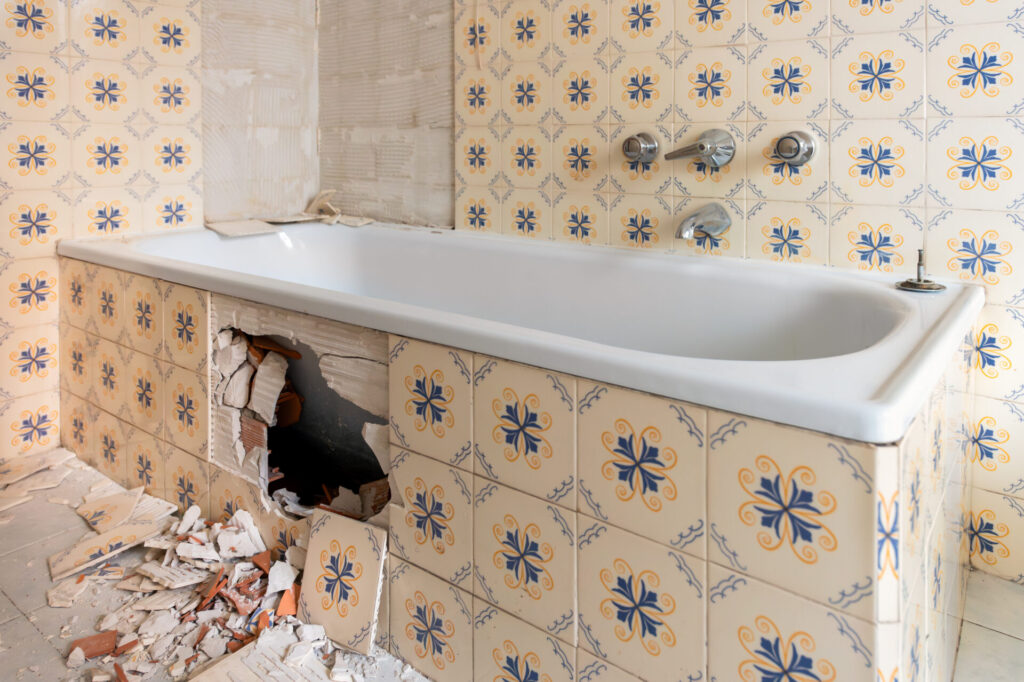
Cleanup supplies are essential for any bathroom demolition project. Without the right tools, debris can pile up quickly, making the space unsafe and difficult to work in. Preparing your cleanup kit ahead of time helps keep your work area organized and lets you focus on the task without constant interruptions.
Heavy-duty Trash Bags
Strong trash bags are a must-have. Bathroom demolition creates heavy, sharp debris like broken tiles and drywall chunks. Regular garbage bags can tear easily, causing a mess and safety hazards.
Choose thick, contractor-grade bags that can handle weight and sharp edges. Having plenty on hand means you won’t have to stop work to find more. You’ll appreciate how much quicker cleanup goes when you can toss debris directly into a reliable bag.
Shop Vacuum
A shop vacuum is your best friend for picking up dust, small debris, and water spills. Bathroom demolition stirs up a lot of fine dust that can linger and affect your breathing if not removed promptly.
Unlike regular vacuums, shop vacs handle wet and dry messes with ease. Using one regularly during the demo keeps your workspace clear and safer. If you don’t have one yet, consider borrowing or renting—it’s a game-changer.
Brooms And Dustpans
Even with a shop vacuum, you’ll need a sturdy broom and dustpan. They are perfect for quickly sweeping large chunks of debris into piles before vacuuming or bagging.
Keep a separate dustpan for wet and dry debris to avoid spreading messes. A broom with stiff bristles works best on rough bathroom floors and grout lines. Sweeping as you go saves time and prevents debris buildup that could slow you down.
Credit: www.thisoldhouse.com
Preparation Essentials
Getting ready to demo a bathroom means setting yourself up for success right from the start. Preparation essentials help protect your space, keep measurements accurate, and ensure safety throughout the process. Without these tools, your project can quickly become chaotic and frustrating.
Protective Covers And Drop Cloths
Protective covers and drop cloths are must-haves to shield your floors and fixtures from dust, debris, and accidental spills. Use heavy-duty plastic sheets or canvas drop cloths to cover tiles, cabinets, and nearby furniture. I once skipped this step and ended up scrubbing dust off every surface for hours—don’t make the same mistake.
Think about your bathroom’s layout. Are there any delicate areas that need extra protection? Covering everything thoroughly can save you time and money on cleanup later.
Marking Tools
Clear markings guide your demolition work and prevent costly errors. Use a pencil or masking tape to outline where you plan to remove tiles, fixtures, or walls. Marking also helps you communicate your plan if you’re working with others.
Good marking tools are simple but powerful. They keep you focused and prevent second-guessing. Have you ever started breaking a wall only to realize you removed the wrong section? Marking helps avoid that headache.
Measuring Tape
Accurate measurements are essential before you start demolition. Measure the space carefully to understand the dimensions of fixtures and walls you’ll remove or replace. A reliable measuring tape is your best friend here—choose one with clear, easy-to-read markings.
Don’t guess or eyeball distances. Measuring twice saves you from cutting too deep or tearing out more than you planned. How precise are you with measurements in your projects?
Credit: redblockindustries.com
Frequently Asked Questions
What Basic Tools Are Needed For Bathroom Demolition?
You need a hammer, pry bar, utility knife, and screwdrivers. Safety gear like gloves and goggles is essential. A reciprocating saw helps with tougher materials. These tools make bathroom demolition efficient and safe.
How Do I Safely Remove Bathroom Fixtures?
Turn off water supply first. Use wrenches and pliers to disconnect fixtures. Remove screws and bolts carefully. Protect plumbing to avoid damage. Safety gloves and goggles are important during this process.
What Tools Help Remove Tiles Efficiently?
A chisel and hammer work for small areas. For larger jobs, use a power scraper or rotary hammer. Always wear eye protection. Proper tools speed up tile removal and reduce damage to walls.
Do I Need Special Tools For Plumbing Demolition?
Basic tools include pipe wrenches and adjustable pliers. A pipe cutter helps cut pipes cleanly. Use a tubing cutter for copper pipes. Proper tools avoid plumbing damage and leaks during demolition.
Conclusion
Demoing a bathroom requires specific tools for efficiency and safety. Essentials include a sledgehammer, pry bar, and reciprocating saw. Safety gear like gloves and goggles is crucial. A dumpster or trash bags help manage debris. Having a clear plan ensures smooth progress.
These tools and tips make the demolition process easier. Proper preparation saves time and reduces stress. Always prioritize safety and follow guidelines. Ready to start your project? Equip yourself with these tools and dive in. Your bathroom transformation journey begins now.