
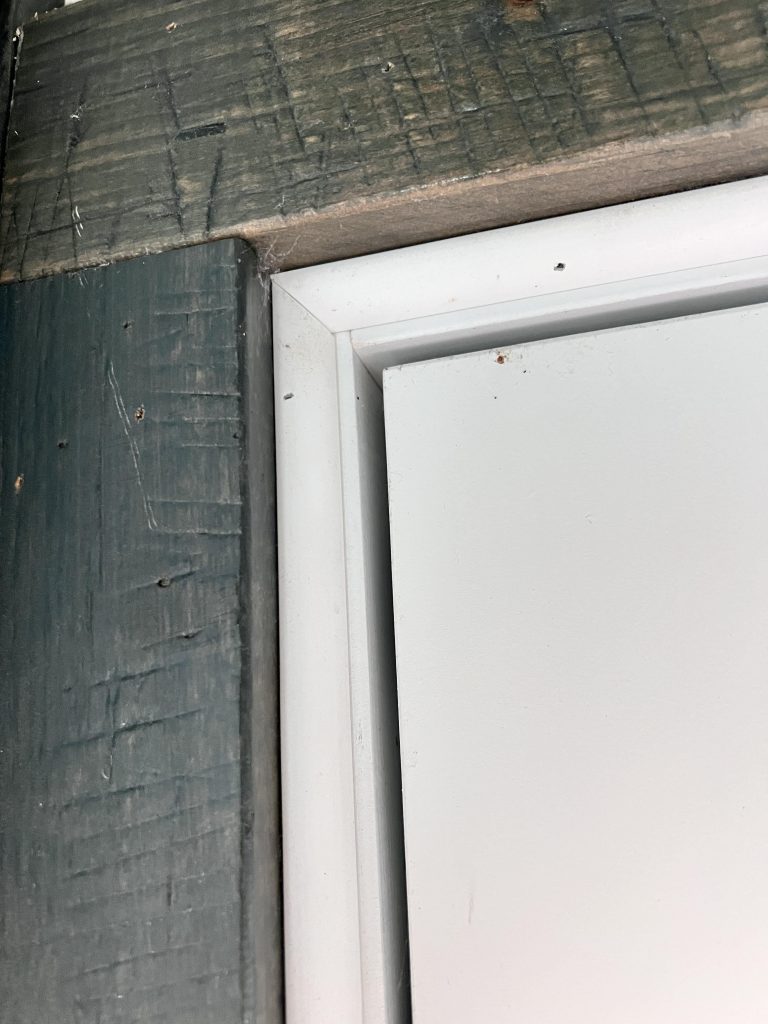
Have you ever tried to close your bathroom door only to find it sticking or scraping the floor? Trimming the top of your bathroom door can be a simple fix, but the key is having the right tool in your hand.
If you’re wondering what tool you need to get the job done quickly and cleanly, you’re in the right place. Keep reading, and you’ll discover exactly what will make this small project easy and effective—no frustration, no guesswork. Your bathroom door will fit perfectly before you know it.

Credit: www.familyhandyman.com
Choosing The Right Saw
Choosing the right saw to trim the top of a bathroom door can make all the difference between a clean cut and a frustrating mess. You want a tool that matches your skill level, the material of the door, and the precision your project demands. Let’s break down your options so you can pick the saw that fits your needs perfectly.
Hand Saw Options
Hand saws give you full control over the cut, making them ideal if you prefer a slower, more deliberate approach. A traditional crosscut saw works well for trimming wood doors, allowing you to follow a marked line carefully.
If you’re working with thinner or softer wood, a backsaw offers precision and a straighter cut thanks to its reinforced spine. These saws require more effort but reduce the risk of over-cutting.
Think about how comfortable you are using hand tools. Are you patient enough for a hand saw, or will it become a chore? Sometimes, the best tool is the one you feel confident handling.
Power Saw Benefits
Power saws speed up the trimming process and provide smoother, more consistent cuts. A circular saw is a popular choice for trimming doors because it handles thick wood easily and allows for long, straight cuts.
If you want even greater control, a jigsaw can cut curves or adjust to smaller trims, but it might not give the cleanest edge on straight cuts. A miter saw, on the other hand, excels at precise angle cuts and can simplify door trimming when angled cuts are necessary.
Do you have access to power tools, or will you need to buy or rent one? Remember, power saws require safety precautions and some basic experience to avoid mistakes.
Blade Types And Uses
Choosing the right blade is just as important as choosing the saw itself. For wood doors, a blade with 40 to 60 teeth provides a smooth finish with minimal splintering.
Blades designed for fine woodworking often have a higher tooth count, which slows down the cut but leaves a cleaner edge. Conversely, lower tooth count blades cut faster but may tear the wood fibers, leading to rough edges.
Don’t forget to consider the blade’s material and coating. Carbide-tipped blades stay sharp longer and reduce friction, while steel blades are more affordable but dull quickly. What kind of finish do you want on your door after trimming? Your blade choice can make that difference.
Measuring And Marking Tools
Measuring and marking tools are essential for trimming the top of a bathroom door accurately. Precise measurements ensure the door fits perfectly after trimming. Marking tools help create clear guidelines to cut along. Using the right tools reduces mistakes and saves time.
Tape Measure Tips
Choose a tape measure with a locking feature to hold measurements. Always start measuring from the door’s edge or a fixed point. Pull the tape straight for an accurate reading. Double-check measurements before marking. Use the tape’s metric or imperial side, whichever you find easier.
Marking With Pencils And Squares
Use a sharp pencil for thin, visible lines. Avoid thick marks that can cause cutting errors. A carpenter’s square helps make straight, square lines across the door. Place the square flush against the door edge for accuracy. Mark both sides of the door to guide your cut evenly.
Clamping And Support Tools
Clamping and support tools are essential when trimming the top of a bathroom door. They hold the door steady and secure, preventing any unwanted movement that could affect your cut. Without proper support, even a small shift can ruin your measurements and the final fit of the door.
Types Of Clamps
There are various clamps you can use, depending on your workspace and the door’s size. Bar clamps and C-clamps are popular choices because they provide strong, even pressure along the door’s edge.
- Bar clamps:These are adjustable and great for wide doors. They spread pressure evenly, keeping the door flat during trimming.
- C-clamps:Smaller and perfect for tight spots, but be careful not to overtighten and damage the wood.
- Spring clamps:Quick to use for light holding, but they may not be strong enough for precise cuts on a heavy door.
Choosing the right clamp can make your work easier and more accurate. Have you tried using multiple types together for better stability?
Using A Workbench Or Sawhorses
A solid support surface is just as important as clamps. Workbenches provide a flat, sturdy base where you can clamp the door securely. If you don’t have one, sawhorses are a great alternative and easier to set up in small spaces.
Place the door across two sawhorses, ensuring it is balanced and won’t tip. Adding non-slip pads under the door or sawhorses helps keep everything in place. This setup lets you focus on making a straight, clean cut without worrying about the door moving.
Have you noticed how much safer and smoother your cuts are when the door is well supported? It’s a small step that saves you time and stress.
Sanding And Finishing Tools
Sanding and finishing are crucial steps when trimming the top of a bathroom door. They ensure a smooth surface that looks professional and allows paint or stain to adhere properly. Having the right tools for these tasks can save you time and frustration while delivering a great finish.
Choosing Sandpaper Grit
Picking the correct sandpaper grit is key to achieving a smooth finish. Start with a coarser grit, like 80 or 100, to remove any rough edges or uneven cuts quickly.
Then, switch to a finer grit, such as 150 or 220, to smooth the surface and prepare it for painting or staining. Using the wrong grit can leave scratches or make the surface too rough, so pay attention to this detail.
Power Sanders Vs Hand Sanding
Power sanders can speed up the sanding process, especially on larger surfaces. However, they can be tricky to control near edges or delicate trim, sometimes causing uneven spots.
Hand sanding offers more precision and control, letting you focus on tight corners and detailed areas. It may take more time, but the finish is often smoother and more consistent when you sand by hand.
Think about your door’s shape and your comfort level with tools. Would you rather finish the job faster with a power sander, or take your time for a flawless look with hand sanding? Your choice impacts the final result more than you might expect.
Safety Gear Essentials
Trimming the top of a bathroom door involves using power tools or hand tools that can throw off dust, wood chips, and loud noise. Wearing the right safety gear isn’t just a good idea—it’s essential to protect yourself from injuries and discomfort. Before you start, make sure you have the right gear ready to keep your eyes, ears, and lungs safe.
Eye Protection
Your eyes are vulnerable when cutting or sanding wood. Even a small wood chip or dust particle can cause irritation or serious injury. Wearing safety goggles or glasses shields your eyes from flying debris and dust.
Choose goggles that fit snugly and don’t fog up easily. If you’ve ever experienced dust getting into your eyes mid-project, you know how distracting and painful it can be. Keeping your vision clear helps you work more accurately and safely.
Hearing Protection
Power tools like circular saws or planers can produce noise levels that damage your hearing. It might seem harmless for a short task, but repeated exposure adds up quickly. Earplugs or earmuffs reduce the noise and prevent ringing ears later.
Pick hearing protection that’s comfortable enough to wear the whole time you’re working. Don’t let the noise distract you or make you rush—focus on precision and safety instead.
Dust Masks
Cutting wood releases fine dust particles that can irritate your lungs and throat. Breathing in sawdust might lead to coughing, sneezing, or worse health problems over time. A dust mask or respirator blocks these particles and keeps the air you breathe cleaner.
Look for masks labeled N95 or higher for the best protection. Wearing a mask might feel uncomfortable at first, but it’s a small effort for long-term health benefits.
Credit: www.familyhandyman.com
Additional Helpful Tools
Trimming the top of a bathroom door requires more than just a saw. Several additional tools make the job easier and improve the results. These tools help with precision, cleaning up edges, and preparing the door for a perfect fit.
Utility Knife Uses
A utility knife is great for scoring the paint or finish before cutting. This prevents chipping and keeps edges clean. It also helps trim small bits of wood or veneer after sawing. The sharp blade can remove excess material carefully, improving the final look.
Chisels And Planes
Chisels are useful for shaving off small amounts of wood in tight spots. They help smooth rough edges or adjust the fit around hinges. A hand plane can level the top edge for a flat, even surface. Using these tools ensures the door fits well without gaps or unevenness.

Credit: www.reddit.com
Frequently Asked Questions
What Tool Is Best For Trimming Bathroom Door Tops?
A handheld circular saw or a jigsaw works best for trimming door tops. They offer precision and clean cuts. Use a fine-tooth blade to avoid splintering the wood. Always measure carefully before cutting.
Can I Use A Handsaw To Trim A Bathroom Door?
Yes, a handsaw can trim a bathroom door top. However, it requires more effort and steady control. For cleaner edges, power saws are preferable. Handsaws are suitable for small, quick adjustments.
How To Measure Before Trimming A Bathroom Door Top?
Measure the door height and frame clearance carefully. Use a tape measure for accuracy. Mark the trimming line with a pencil. Double-check measurements to avoid cutting too much.
Is A Planer Needed To Trim The Bathroom Door Top?
A planer is useful for minor adjustments and smoothing edges. It’s not ideal for large trims. Use a saw for cutting, then a planer for finishing touches.
Conclusion
Choosing the right tool is essential for trimming a bathroom door. A plane or electric sander works best for precise cuts. Ensure the door fits well to avoid future problems. Always wear safety gear while working. Proper tools make the task easier and safer.
Remember, patience and precision are key. With these tips, your door will close smoothly. Happy trimming!