
Wondering what the perfect temperature for heating your house is? You’re not alone.
Finding the right balance can save you money, keep you cozy, and even improve your health. But with so many opinions out there, it’s easy to feel confused. This guide will help you discover the ideal heat setting for your home, tailored to your comfort and budget.
Keep reading, and you’ll learn simple tips to stay warm without wasting energy or cash. Your perfect indoor temperature is just a few minutes away.

Credit: www.cnet.com
Ideal Temperature Ranges
Finding the ideal temperature range for heating your home is more than just a comfort issue—it impacts your energy bills and overall well-being. Setting the right temperature can help you feel cozy without wasting energy. It’s about balancing warmth and efficiency throughout the day and across seasons.
Daytime Settings
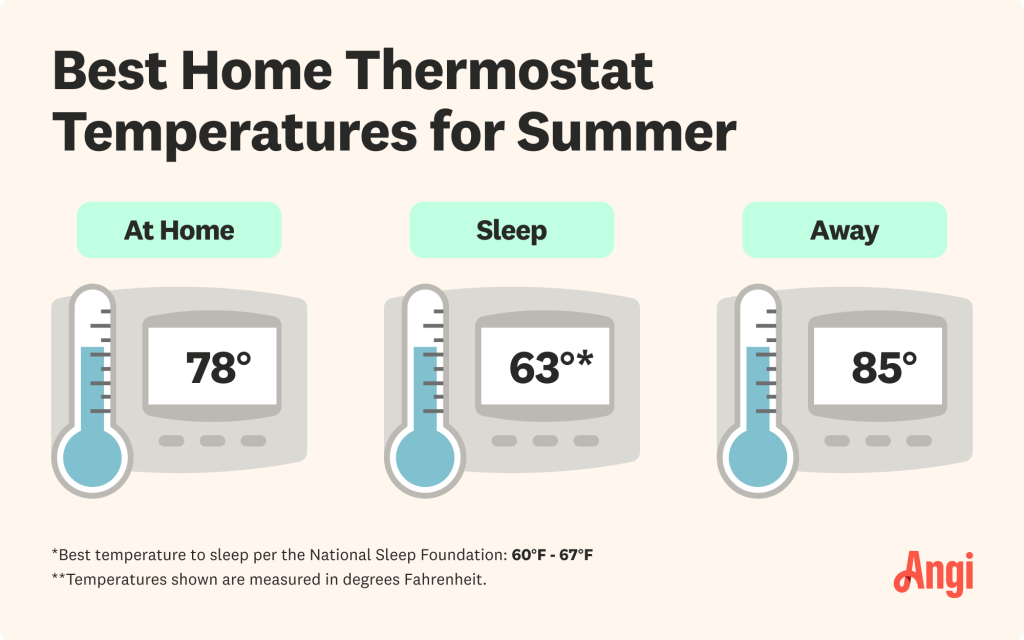
During the day, aim for a temperature between 68°F to 72°F (20°C to 22°C). This range keeps most people comfortable while active around the house. If you work from home or have kids playing indoors, staying closer to 70°F is usually best.
Consider lowering the temperature slightly if you’re away for several hours. Dropping it by 5 to 7 degrees can save energy without making your home too cold when you return. Have you tried adjusting your thermostat during work hours? You might be surprised how much you can save.
Nighttime Settings
At night, cooler temperatures help improve sleep quality. Experts recommend setting your thermostat to about 60°F to 67°F (15°C to 19°C). Cooler air encourages deeper sleep and can even boost your metabolism.
If you find it too chilly, layering blankets or using a heated mattress pad lets you keep the thermostat lower without sacrificing comfort. Have you experimented with cooler night settings and noticed better rest?
Seasonal Adjustments
Adjusting your heating temperature with the seasons can optimize comfort and efficiency. In early fall or late spring, you might only need the heat on during mornings and evenings with temperatures around 65°F to 68°F (18°C to 20°C).
During the coldest months, maintaining a consistent 68°F (20°C) is practical for most homes. However, if your home is well insulated, you might push it lower without discomfort. Try tracking your energy bills as you tweak settings—do you see a pattern where small adjustments lead to big savings?
Balancing Comfort And Savings
Finding the right temperature to heat your house isn’t just about staying warm. It’s about striking a balance between comfort and saving money on your energy bills. The key lies in managing your thermostat smartly to keep cozy without wasting energy.
Energy-efficient Thermostat Use
Setting your thermostat to around 68°F (20°C) during the day when you’re home is a good starting point. Lowering it by 7-10 degrees at night or when you’re away can cut energy use significantly. You don’t have to be uncomfortable to save energy—small adjustments make a big difference.
Think about how often you adjust your thermostat manually. Leaving it at one steady temperature all day wastes energy. Instead, try programming it to lower temperatures during sleep or work hours. This simple habit can add up to noticeable savings.
Smart Thermostat Benefits
Smart thermostats learn your schedule and adjust heating automatically. This means your home is warm when you need it and cooler when you don’t. Over time, they gather data and suggest optimal temperatures that fit your lifestyle and reduce waste.
If you’ve ever forgotten to turn down the heat before leaving the house, a smart thermostat can fix that problem. You can control it remotely from your phone, so your home isn’t heating an empty space. It’s convenience that directly impacts your energy bills.
Impact On Utility Bills
Heating often accounts for the largest part of winter energy costs. By adjusting your thermostat wisely, you can lower your bills without sacrificing comfort. For example, a 10% reduction in heating use can shave off a significant portion of your monthly expenses.
Have you noticed how even a 1-2 degree change affects your bill? It might be tempting to crank up the heat on cold days, but those small increments add up fast. Paying attention to your thermostat settings puts you in control of your budget.
Factors Affecting Heat Settings
Several factors influence the ideal heat settings in a house. Understanding these factors helps maintain comfort and save energy. Heat settings vary depending on the home’s condition and the people living inside. Adjusting the temperature thoughtfully can improve warmth and reduce costs.
Home Insulation Quality
Good insulation keeps warm air inside during cold months. Homes with strong insulation need lower heat settings. Poorly insulated houses lose heat quickly, requiring higher temperatures. Check walls, windows, and doors for drafts or leaks. Improving insulation helps maintain a steady indoor temperature easily.
Household Size And Activity
The number of people affects heat needs. More occupants generate extra body heat, reducing heating requirements. Active households moving around may feel warmer than quiet ones. Consider the time people spend at home daily. Adjust heat settings to match your family’s routine and comfort.
Local Climate Considerations
Climate plays a big role in heating needs. Cold regions demand higher indoor temperatures. Mild areas may need less heating or none at all. Seasonal changes require different heat settings throughout the year. Knowing your local weather helps set an efficient and comfortable temperature.
Credit: www.directenergy.com
Tips To Optimize Heating
Optimizing your home’s heating saves money and keeps you comfortable. Simple changes make a big difference in warmth and energy use. Focus on stopping heat loss, controlling the temperature smartly, and dressing right indoors. These tips help maintain steady warmth without wasting energy.
Sealing Drafts And Leaks
Drafts let warm air escape and cold air enter. Check windows, doors, and walls for gaps. Use weatherstripping or caulk to seal openings. Covering cracks prevents heat loss and lowers heating bills. Even small leaks add up to big heat loss over time.
Using Programmable Thermostats
Programmable thermostats adjust heat based on your schedule. Set lower temperatures when away or sleeping. Raise heat before you return home or wake up. This avoids heating an empty house. Smart control saves energy without sacrificing comfort.
Layering Clothing Indoors
Wearing layers helps keep body heat in. Choose warm socks, sweaters, and scarves at home. Layers trap heat better than one thick garment. This lets you lower the thermostat a bit. Staying cozy inside reduces energy use and heating costs.
Common Heating Mistakes
Heating your home efficiently is about more than just turning up the thermostat. Many people make common mistakes that waste energy and increase bills without making their space more comfortable. Understanding these errors can help you save money and keep your home cozy in smarter ways.
Overheating Unoccupied Rooms
Heating rooms that no one is using is a frequent mistake. It’s like paying for warmth you don’t enjoy. Try closing doors and using zone heating if possible to focus heat only where it’s needed.
Have you noticed your energy bill spikes even when you’re away? This might be why. Adjusting the heat based on room usage can make a big difference.
Ignoring Maintenance
Skipping regular maintenance on your heating system reduces its efficiency. Dirty filters, blocked vents, and worn-out parts make your heater work harder and use more fuel or electricity.
Think about the last time you changed your furnace filter or had a professional check your system. Small upkeep tasks can prevent costly repairs and keep your home warmer.
Setting Thermostat Too High
Cranking the thermostat up high doesn’t heat your home faster. It only wastes energy and can wear out your system sooner. Instead, set your thermostat to a comfortable, steady temperature.
Consider lowering the temperature by just a few degrees when you’re sleeping or out. You’d be surprised how much you can save without feeling cold.

Credit: www.reddit.com
Frequently Asked Questions
What Is The Ideal Temperature For Heating A House?
The ideal temperature for heating a house is typically around 68°F (20°C) during the day. This temperature balances comfort and energy efficiency. At night or when you’re away, consider lowering it to 60-65°F (15-18°C) to save on heating costs.
Is 72 Degrees Too Hot For A House?
72 degrees can be considered slightly warm for indoor heating. It’s a personal preference, but experts suggest 68°F for comfort and efficiency. Keeping it at 72°F may increase energy consumption and utility bills. Adjust based on comfort and energy-saving goals.
How Can I Save On Heating Costs?
To save on heating costs, lower your thermostat by a few degrees. Use programmable thermostats to schedule temperature changes. Seal drafts and insulate your home to prevent heat loss. Wear warm clothing indoors and consider using space heaters for occupied rooms.
What Temperature Is Too Cold For A House?
Temperatures below 60°F (15°C) can be too cold for comfort and may risk pipe freezing. It’s essential to keep your home warm enough to prevent structural damage. Maintain a minimum of 60°F, especially in winter, to ensure safety and comfort.
Conclusion
Setting the right temperature keeps your home warm and saves energy. Aim for a cozy 68°F (20°C) during the day. Lower the heat at night to around 60-65°F (15-18°C) to sleep better and save money. Avoid extreme temperatures; they waste energy and raise bills.
Use a programmable thermostat to manage heating easily. Small changes make a big difference in comfort and cost. Stay warm smartly, without overspending or freezing. Simple steps help your home feel just right all winter long.