

Imagine walking into your home after a long day, and everything is just the way you like it—lights dimmed, your favorite music playing, and the temperature perfectly set. Sounds like a dream, right?
This is exactly what a smart home can do for you. But what is a smart home, really? It’s more than just gadgets and devices; it’s about making your life easier, safer, and more comfortable. You’ll discover how smart homes work and how they can transform your daily routine in ways you might not expect.
Ready to see how technology can change the way you live? Keep reading.

Smart Home Basics
Smart homes make daily life easier and more comfortable. They use technology to control devices in your house. These devices connect to the internet and communicate with each other. This creates a system that you can manage remotely or automatically. Understanding the basics helps you see how smart homes work and what they offer.
Definition Of A Smart Home
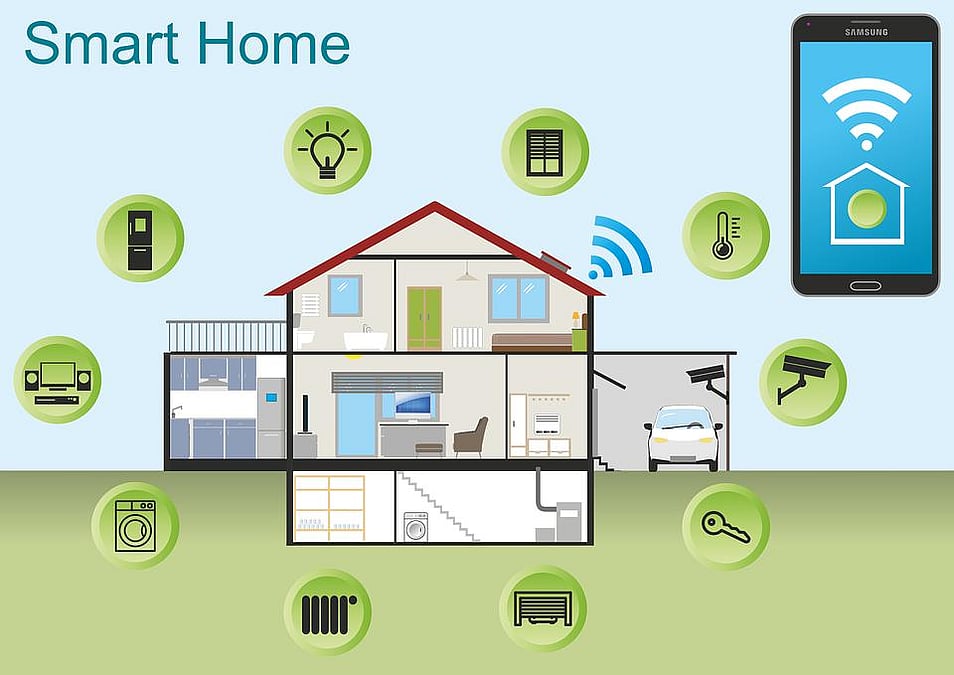
A smart home is a house equipped with devices that can be controlled remotely. These devices include lights, thermostats, security cameras, and appliances. They connect through a network, often the internet. This allows homeowners to monitor and manage their home from anywhere. The goal is to improve convenience, security, and energy efficiency.
Key Components
Smart homes rely on several important parts. Each plays a role in making the system work smoothly.
- Smart Devices:These are gadgets like lights, locks, and sensors that connect to your network.
- Hub or Controller:This device links all smart gadgets and lets you control them from one place.
- Network:Usually Wi-Fi or Zigbee, it connects all smart devices and the hub.
- Mobile Apps:Apps allow you to control your smart home from your phone or tablet.
- Voice Assistants:Devices like Amazon Alexa or Google Assistant help control your home using voice commands.
Benefits Of Smart Living
Smart living brings many advantages to daily life. It makes homes more efficient and easier to manage. Smart devices connect and work together to improve how we live. These benefits improve comfort, save energy, and increase safety.
Convenience And Comfort
Smart homes let you control devices with your voice or phone. You can adjust lights, temperature, and music without moving. Automated schedules help manage tasks like watering plants or locking doors. This saves time and effort every day.
Energy Efficiency
Smart devices use energy only when needed. Thermostats learn your habits and adjust heating or cooling. Smart bulbs turn off automatically in empty rooms. These features lower energy bills and reduce waste.
Enhanced Security
Smart security systems monitor your home all day. Cameras send alerts if they detect unusual activity. Smart locks allow you to control access remotely. These tools help protect your home and give peace of mind.
Popular Smart Devices
Smart homes use devices that make life easier and more convenient. These devices connect to the internet and work together. They help control your home’s lighting, temperature, security, and more. Here are some popular smart devices that many people use today.
Smart Speakers
Smart speakers play music, answer questions, and control other devices. They respond to voice commands. You can ask them to set reminders, check the weather, or play your favorite song. They often include virtual assistants like Alexa, Google Assistant, or Siri.
Smart Thermostats
Smart thermostats control your home’s temperature automatically. They learn your schedule and adjust heating or cooling to save energy. You can change settings from your phone, even when you are not home. This helps reduce energy bills and keeps your home comfortable.
Smart Lighting
Smart lighting lets you control lights with your phone or voice. You can change colors, brightness, and set schedules. Lights can turn on or off based on your presence. This adds convenience, saves energy, and creates the perfect atmosphere.
Smart Security Systems
Smart security systems protect your home with cameras, sensors, and alarms. They send alerts to your phone if something is wrong. You can watch live video and control locks remotely. These systems help keep your home safe and give peace of mind.
Integration And Automation
Integration and automation form the heart of a smart home. They connect devices and make daily tasks easier. With the right setup, your home can respond to your needs automatically. This saves time and adds convenience.
Smart Home Ecosystems
Smart home ecosystems link many devices into one system. Brands like Google, Amazon, and Apple offer these ecosystems. They let devices talk to each other smoothly. This creates a unified experience for controlling lights, cameras, and more. Choosing one ecosystem helps keep everything compatible and simple to manage.
Voice Assistants
Voice assistants add hands-free control to smart homes. Devices like Alexa, Google Assistant, and Siri listen to your commands. You can ask them to play music, adjust temperature, or lock doors. They work with many smart home gadgets. Voice control makes managing your home faster and easier.
Automation Routines
Automation routines set tasks to happen automatically. You can program actions based on time or triggers. For example, lights can turn on at sunset. Or the thermostat can lower when you leave. Routines create comfort and save energy without manual effort. They adapt your home to your lifestyle quietly in the background.
Challenges And Considerations
Smart homes offer many benefits but also face several challenges. Understanding these issues helps users make smart choices. These challenges affect safety, ease of use, and expenses.
Privacy Concerns
Smart devices collect a lot of personal information. This data can include daily routines and habits. Poor security may expose this data to hackers. Users worry about who can access their information. Protecting privacy requires strong passwords and regular updates. Choosing devices with good privacy policies is important.
Compatibility Issues
Many smart devices come from different brands. They may not work well together. Some devices need specific apps or hubs to connect. This can make setting up a smart home hard. Incompatibility can cause frustration and extra costs. Checking device compatibility before buying is wise.
Cost Implications
Smart home devices can be expensive. Initial purchase costs add up quickly. Installation may require professional help, adding to expenses. Some devices need monthly subscriptions for full features. Maintenance and repairs also increase costs over time. Budgeting carefully helps avoid surprises.
Future Of Smart Homes
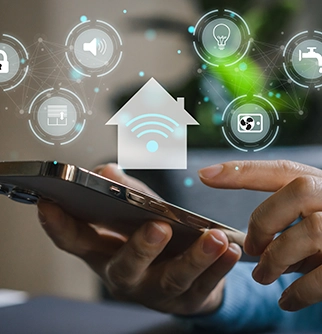
The future of smart homes promises to change the way you interact with your living space. It’s not just about convenience anymore; it’s about creating a seamless environment that anticipates your needs and adapts to your lifestyle. As technology advances, your home will become smarter, more intuitive, and increasingly personalized.
Emerging Technologies
New technologies are shaping the next generation of smart homes. Voice assistants are getting better at understanding context, making conversations with your devices feel more natural. At the same time, AI-powered systems analyze your habits to suggest adjustments that save energy or enhance comfort.
Another breakthrough is the rise of edge computing, which processes data locally on your devices instead of relying entirely on the cloud. This means faster responses and improved privacy for you. Smart sensors are also becoming more sophisticated, able to detect everything from air quality to emotional cues.
Trends In Smart Living
Smart living is evolving beyond gadgets and apps. Many homeowners now focus on energy efficiency, using smart thermostats and lighting to reduce bills without sacrificing comfort. Integration across devices is improving, allowing you to control your entire home from a single platform.
Security remains a top priority. You can expect more advanced systems that combine video surveillance, motion detection, and facial recognition. But what if your home could also help with wellness? Some smart homes already monitor your sleep patterns or remind you to stay hydrated.
Have you thought about how your home could better support your daily routines? The future holds plenty of possibilities to make life easier and healthier, right where you live.
Frequently Asked Questions
What Is A Smart Home System?
A smart home system automates household devices for convenience and security. It connects appliances via the internet, allowing remote control. Users can manage lighting, temperature, and security through apps or voice commands. This technology improves energy efficiency and enhances lifestyle comfort.
How Do Smart Homes Improve Energy Efficiency?
Smart homes use sensors and automation to reduce energy waste. Devices adjust heating, cooling, and lighting based on occupancy and time. This minimizes unnecessary power use, lowering utility bills. Smart thermostats and energy monitors track usage, promoting eco-friendly habits and saving money.
Are Smart Homes Secure From Hacking?
Smart homes use encryption and security protocols to protect data. Regular software updates and strong passwords enhance safety. However, vulnerabilities exist if devices are poorly configured. Users should secure Wi-Fi networks and choose reputable brands for better protection against hacking.
What Devices Are Common In Smart Homes?
Common smart home devices include thermostats, lights, security cameras, and locks. Voice assistants like Alexa or Google Home control these gadgets. Smart plugs and sensors add convenience and safety. Together, these devices create an interconnected system that simplifies daily routines.
Conclusion
A smart home makes life easier and more comfortable. It connects devices to work together smoothly. You save time and energy daily. Security also improves with smart systems watching your home. Many people enjoy the convenience of controlling things from their phones.
Smart homes grow with new technology every day. They fit many lifestyles and budgets. Start small and add more devices as you go. This way, your home becomes smarter step by step. Embracing smart home technology is a simple way to improve daily living.